
Ever wonder if your old car might be worth more than you think? Trading it in could be a smart move to boost your next ride. Imagine getting an online estimate in minutes that shows your car's true value, while a few simple fixes add even more cash to the deal. In this post, we walk you through each step so you know exactly how to snag the best offer when trading in your vehicle. Ready to turn that ride into profit?
Trade-In Car Process Overview
Trading in your vehicle can be a smart move, it’s simple and might even put some extra cash in your pocket. First, try out online tools that quickly give you a rough value for your ride. Then, gather all your key documents, like the title, registration, and payoff letter.
After that, take a close look at your car for any small issues; even little fixes can bump up its value. Next, ask for quotes from several places so you know where you stand. Use these offers as leverage to negotiate the best trade-in credit possible, imagine getting a $12,000 boost toward your next vehicle.
Finally, wrap things up by confirming that your trade-in credit is properly applied when you purchase your new pre-owned car.
- Check your car’s value using online tools.
- Gather essential documents (title, registration, payoff letter).
- Do a quick inspection and make minor repairs.
- Shop around for multiple trade-in quotes.
- Negotiate for a better trade-in credit.
- Close the deal and make sure the credit is applied correctly.
Trade-In Car Value Estimation Tools
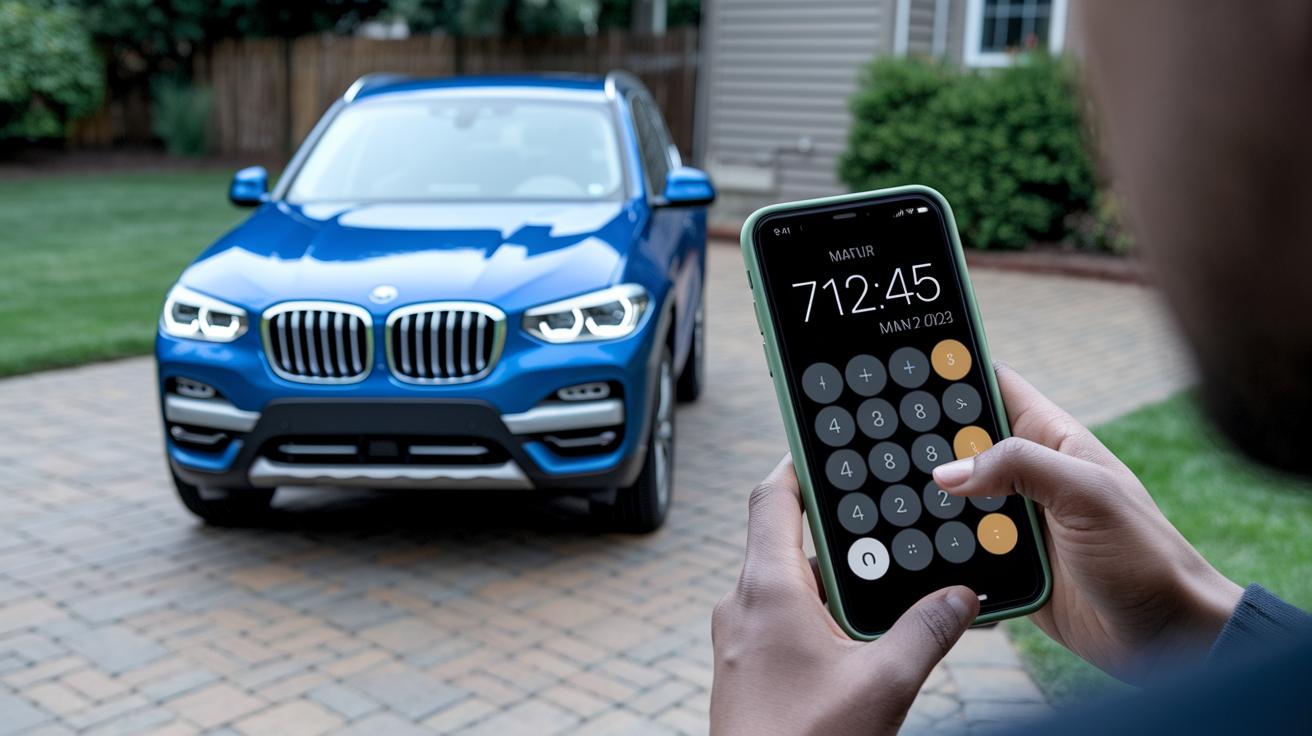
Automated appraisal calculators give you a quick look at what your car might be worth when you trade it in. They pull in current market numbers to figure out your vehicle’s value based on details like the make, model, mileage, and condition. Picture this: you’ve got a 2021 BMW X3 xDrive30i with 71,245 miles on it. You simply plug in those details, and the calculator works its magic.
Sometimes, you might see a $500 difference between tools. One might say your car is worth $12,000 while another shows $12,500. It’s a bit like getting different quotes when you ask friends for advice, each one can vary a little.
For the best deal, rely on both dealership tools and independent online estimators. Comparing a range of estimates helps you feel sure you’re getting a fair number when you trade in your car. If you need a fast check, give a “trade in car estimator” a try for instant quotes.
Taking the time to compare accurate data can really pay off. When you know your car’s true worth, you step into negotiations with confidence, and that’s a big win on the road to a great deal.
Trade-In Car Inspection Tips and Repair Cost Impact
Take a minute to stroll around your car. You might spot some dents, chips in the paint, or even a crack in the windshield. These small blemishes can drop your trade-in value by about 5 to 10 percent. Even a single scratch may make your car seem less attractive. Fixing these details ahead of time could really boost your deal.
Next, give a quick check to the mechanical parts. Things like worn-out brake pads or an old battery might hurt your offer by another 5 percent if you leave them unfixed. On the flip side, a tidy service record and a neat interior can add around $200 to $300 to your appraisal. It might feel like a small expense now, but those quick repairs can save you money later.
For more ideas, check out what to look for when buying a used car. This guide offers smart tips on both the car’s outer look and under-the-hood details to help you get the best trade value. Focus on fixes that matter most, a little work can lead to a big bump in price.
Trade-In Car Documentation and Eligibility Checklist
A smooth trade-in kicks off with a full bundle of paperwork. When all your documents are in order, the whole process runs easier and you dodge any nasty surprises during an appraisal.
Before you head in, take a moment to check that every document is up-to-date and filled out correctly. Even a small mistake might slow things down or lower your trade-in credit. If you still owe money on your car or are handling a leased model (which might need lessor approval), it’s smart to plan ahead and verify every item. And remember, cars with a salvage label usually don’t qualify for trade-in offers.
Give your documents a careful once-over, much like a detailed car appraisal. With all the details ready, you’ll speed through negotiations and get one step closer to a top deal.
- Vehicle title (if owned outright)
- Current registration
- Recent maintenance records
- Valid driver’s license
- Odometer disclosure statement
- Payoff letter for financed vehicles
- Warranty transfer paperwork
- All sets of keys and remotes
Trade-In Car Offer Negotiation Strategies
Before you step into any dealer's office, gather quotes from at least two different places. For example, one might offer $10,500 while another gives $11,000. This way, you have a solid starting point for your own valuation. Bring your recent service records and show off how well you've kept your car’s interior and exterior. It helps prove your car's worth and pushes dealers to offer more.
Next, mention any bonus incentives you know about. Dealers sometimes throw in extra credits from the manufacturer or their own bonus during slower seasons. This extra boost can really favor you. Also, ask if they can remove extra charges like reconditioning or admin fees. These small tweaks can make a big difference in your overall trade-in credit.
Don't forget to point out the minor repairs you've already handled. Let them know you've fixed worn brake pads or small dents. This tells dealers you’ve taken good care of your car, so they might come back with a better offer. Always have those extra quotes and your paperwork ready to back you up. It creates a firm yet friendly negotiating space. For more pointers on setting your price and trimming fees, check out how to negotiate car price.
Keep pushing for the best deal, but do it in a fair way. Stay confident, lean on those collected quotes and records, and drive away with a trade-in offer that's truly in your favor.
Trade-In Car Offers: Dealership vs Online Platforms
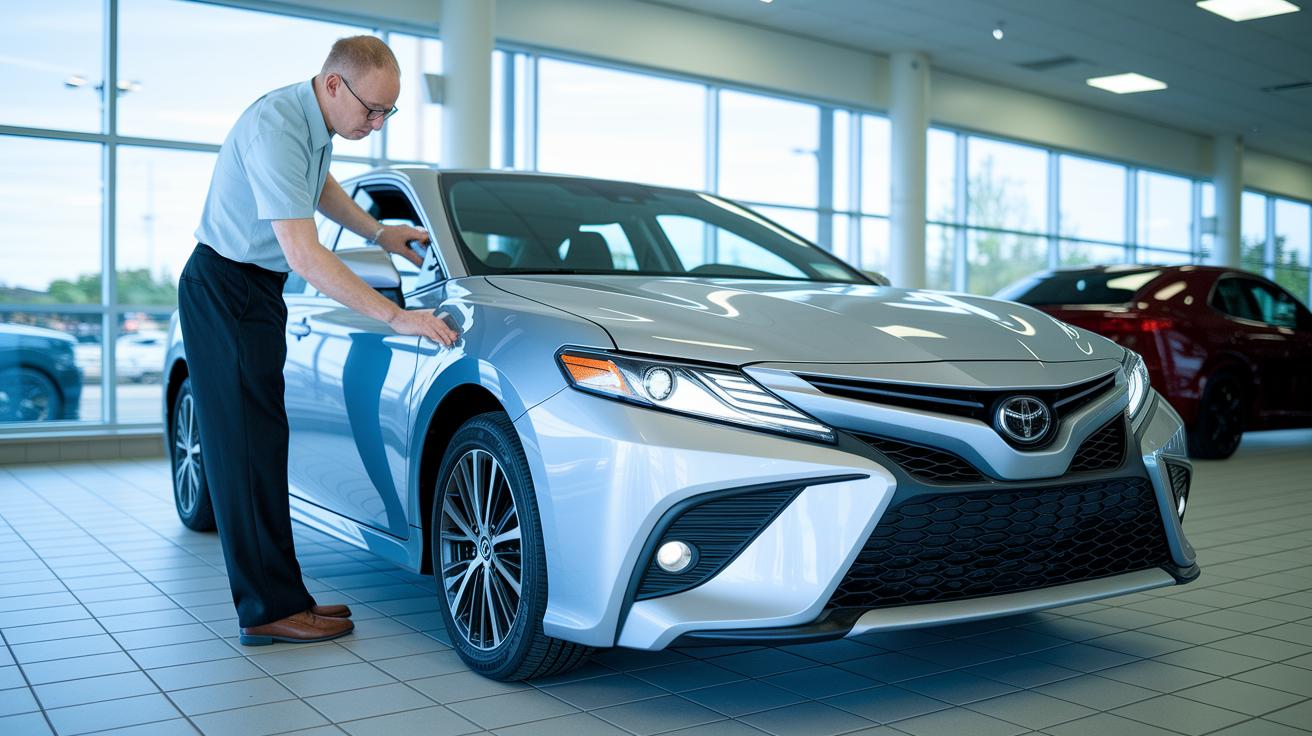
Local dealers use a traditional approach. You sit down with a friendly rep who checks out your car for about 30 to 45 minutes. After that, you'll receive an offer that remains valid for roughly 5 to 7 days. It’s like giving your car a simple check-up right in front of you. For instance, a dealer might inspect a 2023 Toyota Camry LE AWD and offer a deal that reflects its current market value.
CarMax takes a slightly different path with a detailed 30-point inspection. They look at your vehicle very carefully, and you'll get a written offer valid for 7 days. Think of it as receiving a complete car health report that covers even the smallest parts. For example, a 2021 BMW X3 xDrive30i would get a thorough review and a solid written offer.
Then there's Carvana, which brings a modern twist with photo-based digital appraisals. You simply snap a few pictures of your car and enter some important details. Within minutes, a value pops up on your screen. This option is really handy if you’d prefer not to visit a dealership. Offers from Carvana usually last between 7 and 14 days. Picture getting a fast check on your 2022 Mazda CX-9 Touring AWD without ever leaving your driveway.
| Platform | Offer Method | Example Model Offer | Offer Timeline |
|---|---|---|---|
| Local Dealer | In-person appraisal (30-45 minutes) | 2023 Toyota Camry LE AWD | Valid for 5-7 days |
| CarMax | 30-point inspection with written offer | 2021 BMW X3 xDrive30i | Valid for 7 days |
| Carvana | Photo-based digital appraisal | 2022 Mazda CX-9 Touring AWD | Valid for 7-14 days |
Each option has its own pluses. Comparing them side by side makes it easier to see which method is the fastest, most convenient, and most reliable for trading in your car.
Trade-In Car Step-by-Step Exchange Guide
Ever felt overwhelmed by the trade-in process? Let's break it down. First up, gather your paperwork. Grab your vehicle title, registration, maintenance records, payoff details, and all your keys. For example, before you call a dealer, make sure you have your title, registration, and even the record of your recent oil change.
Next, hop online and check what your car is worth. Enter your car's details like make, model, mileage, and condition. If you've got a 2023 Toyota Camry LE AWD with 12,359 miles, compare a few estimates to get a clear idea of its value.
Then, take a good look at your car. Inspect it for small issues like dents, scratches, or worn parts. Fixing minor problems now can actually boost the trade-in offer you receive.
After that, get several trade-in quotes. Visit different dealers or use various online platforms. Comparing these numbers helps you pinpoint the best deal available.
Use your paperwork, online research, and inspection results during negotiations. Let the dealer know about any payoff details to avoid any surprises later on.
Finally, complete the deal. Sign the sales agreement and double-check that your trade-in credit is correctly applied to your next purchase. Enjoy the process and drive away knowing you got a fair deal!
Final Words
in the action, this article walked you through all vital trade in car steps. We broke down valuation, documentation, and inspection basics along with repair tips and negotiation strategies that create smoother deals. The guide compared in-person dealership offers with online options, and it provided a step-by-step checklist to prepare your vehicle for exchange. Each tip helps you move closer to a confident trade-in process and a fair credit. Enjoy applying these practical insights as you get ready for your next vehicle upgrade.
FAQ
What does trade-in mean for a car?
The trade-in for a car means you exchange your current vehicle to lower the cost of a new purchase, with the dealer crediting a set amount based on its condition and market value.
How can I trade in my car, whether it’s near me, online, or even a Toyota?
The trade-in process works by obtaining valuations online and at local dealers. You can compare offers from CarMax or similar networks, which apply to all makes, including Toyota.
How do I trade in a car that isn’t paid off?
The trade-in process for a financed car involves getting a payoff letter from your lender. The dealer then subtracts your remaining balance from the trade-in offer to determine your final credit.
Is it a good idea to trade in your car?
Trading in a car can be smart if you value ease and reducing paperwork. It lets you lower the new car’s price, even if you might earn more money through a private sale.
How do I get the best trade-in value?
The best trade-in value comes from gathering multiple quotes using online tools like Kelley Blue Book, CarGurus, and Autotrader. This way, you leverage market data and dealer offers for a stronger credit.
What are some negotiation tips for trade-in offers?
The key negotiation tip is to compare multiple offers and emphasize your car’s well-kept condition. Asking for fee reductions can also help increase your final trade-in credit.
What disadvantages might arise when trading in a car?
A downside of trading in a car is that offers can be lower than selling privately, often reflecting repair costs and dealer fees, which might leave you with less money overall.
How do services like CarMax and CARFAX help in the trade-in process?
CarMax and CARFAX simplify the trade-in process by providing quick appraisals and detailed inspections, giving you a clearer picture of your car’s value before you decide to exchange it.