
Ever wonder if your car will keep going for the long haul? Car reliability scores show you how a vehicle might perform over time by using real repair data and driver stories. Even a new car can have small issues that may lead to bigger problems later on. These scores help you see which car will stay dependable when you need it most, giving you that extra boost of confidence on the road. So, let’s explore how these numbers can guide you to a smart, reliable ride.
Understanding Vehicle Reliability Ratings
Reliability ratings tell you how well a car might perform over time. They come from data like inspection checks, accident records, and calls from service centers. Sometimes, even a new car can show early signs of trouble, hinting at issues down the road. When these ratings spot engine hiccups or electronic glitches, they offer a peek at how the car is likely to hold up in the long run.
The numbers behind these ratings are built from several sources. For instance, the Combined Reliability Index (CRI) pulls together results from J.D. Power's Initial Quality Study, which covers the first 90 days, and their Dependability Study, spanning three years. They mix things like technical inspections, service station records, and accident stats. Plus, they look at details like how often the engine, gearbox, or electronics have issues, and how easy the car is to use day-to-day. They even factor in bits like the car’s factory origin, its trim level, choice of engine, and maintenance history.
These ratings serve as a practical guide for buyers. They let you compare cars across different models and years, so you can see which ones will last the longest. In truth, this kind of reliability analysis helps you weigh the pros and cons of each vehicle, ensuring you make a smart, informed decision based on how the car actually performs over time.
Top Rated Models in Vehicle Reliability Ratings
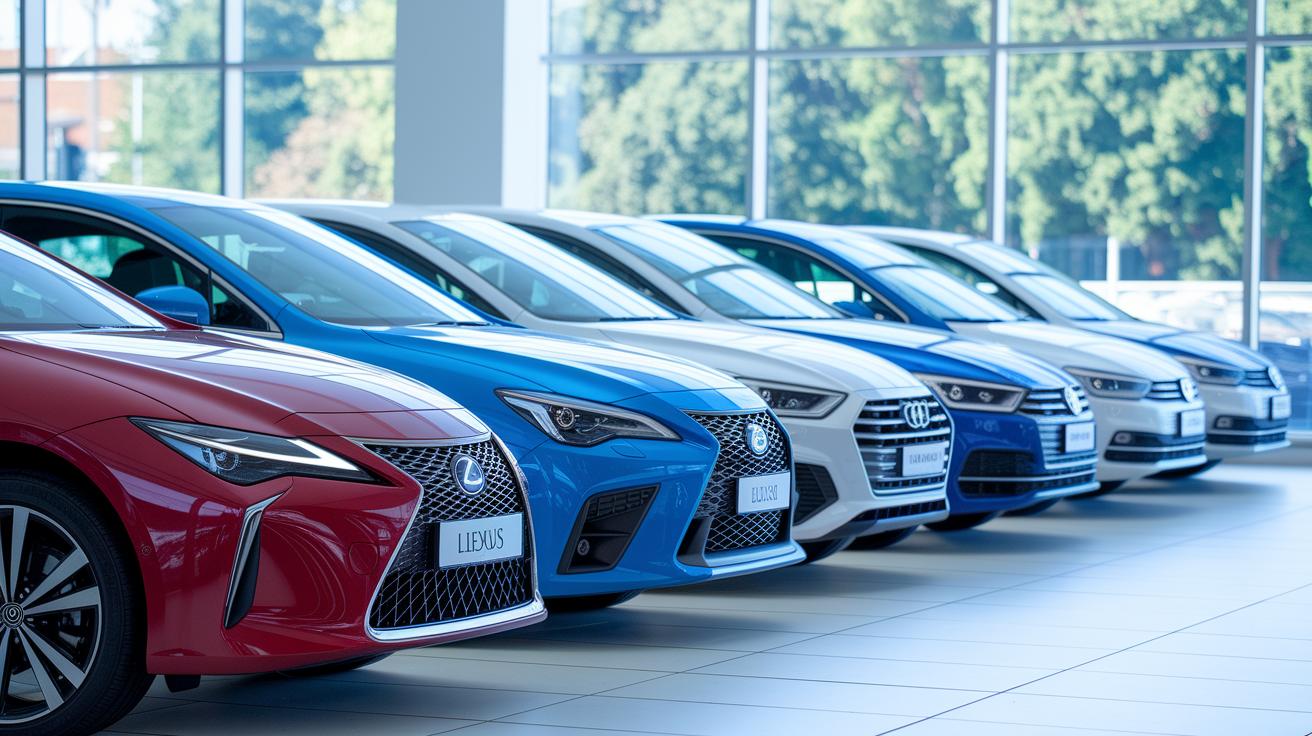
When you're looking for a fuel-efficient car that you can really count on, checking out the top models is a smart move. Studies show that each brand has its own standout strengths. For example, Lexus tops the charts in the latest J.D. Power dependability study. Meanwhile, Subaru gets high marks in Consumer Reports surveys for lasting durability and keeping maintenance costs low.
Audi catches the eye in European research with solid breakdown stats from ADAC, and Hyundai impresses with steady performance in the What Car? Reliability Survey for cars aged one to ten years. Over in Germany, Volkswagen scores well thanks to TÜV Report technical inspections. Even some preowned vehicles, like the 2017 Volvo XC90 T6 Inscription or the 2021 Ford Escape, prove to be really dependable.
These insights help you compare what matters most – from owner experiences and maintenance history to overall reliability. Next, take a look at the table below for a quick snapshot of leading models based on global studies and expert analysis. It's a handy guide to choosing a car that will keep you confident on every drive.
| Model | Brand | Source | Reliability Metric | Year |
|---|---|---|---|---|
| Lexus LS | Lexus | J.D. Power 2025 Dependability Study | Top Dependability | 2025 |
| Subaru Outback | Subaru | Consumer Reports Survey | Long-term Durability | 2025 |
| Audi A3 | Audi | ADAC Breakdown Stats | Breakdown Performance | 2016 |
| Hyundai Ioniq | Hyundai | What Car? Reliability Survey | Repair Frequency | 2018 |
| Volkswagen Passat | Volkswagen | TÜV Report | Technical Inspection | 2025 |
| Volvo XC90 T6 | Volvo | Combined Metrics | Overall Performance | 2017 |
Comparative Brand Performance in Vehicle Reliability Ratings
When you dig into studies from J.D. Power, Consumer Reports, ADAC, and TÜV, you see that the same brand can end up with different rankings. Even carmakers known for great quality sometimes have models with a few quirks. No car is perfect, new models might show little issues right away, and older ones carry signs of how they were cared for. It all means that one study might rate a car high while another gives it a lower score.
Many factors can affect these results. Things like where a car is built, its trim levels, engine types, and previous maintenance all play a part. For instance, a car from one factory might perform better because its production process was cleaner than that of a similar model made somewhere else. And when you think about used cars, how well the last owner took care of it makes a big difference. Curious about how to keep your ride in top shape? Check out the guide on how to maintain a car.
Different studies also rely on different ways of collecting data. Some focus on accident reports and service calls while others lean on owner surveys and technical inspections. These different approaches can lead to a range of scores. So, it’s smart to look at several studies to get a clear idea of a brand’s true reliability.
Methodologies Behind Vehicle Reliability Ratings
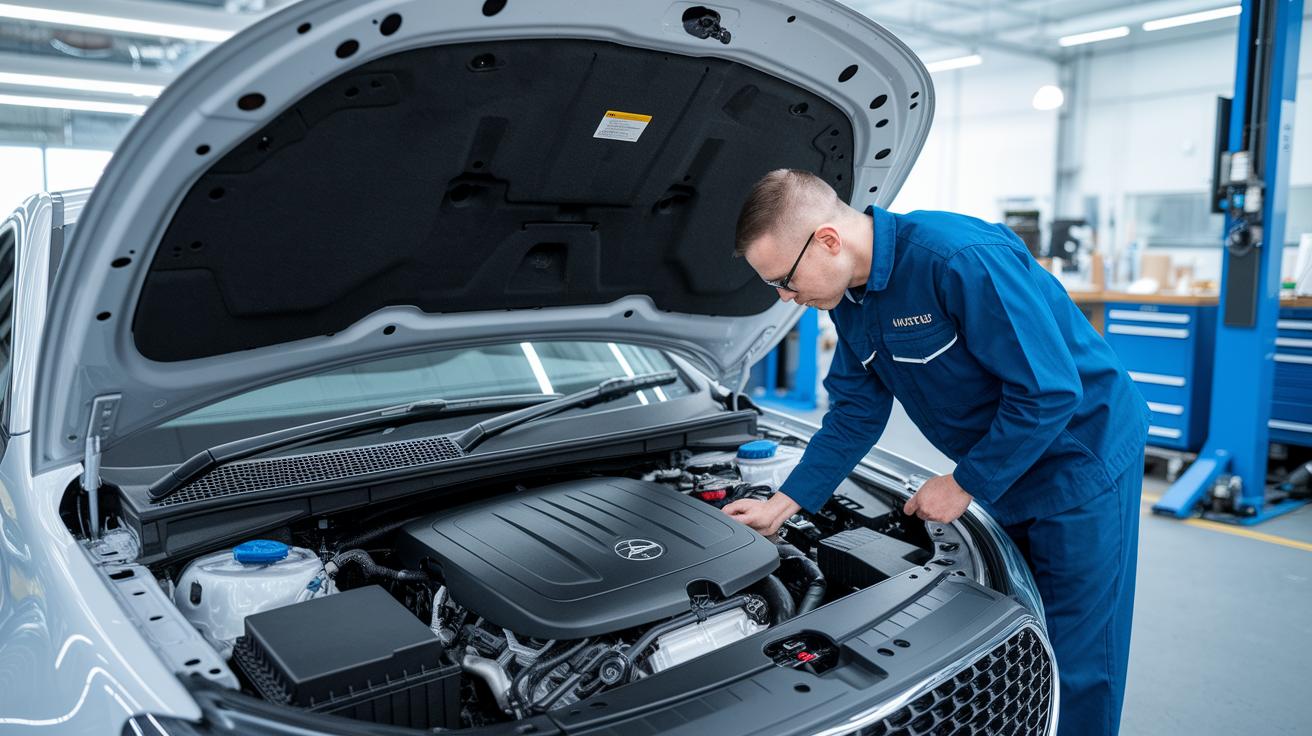
CRI brings together details from inspections, service records, accident reports, and J.D. Power studies into one simple score that shows you how reliable a car is in its early days. They update the score often by checking the engine, gearbox, and electrical systems, while leaving out info you've already seen.
Consumer Reports, ADAC, and the What Car? Reliability Survey all gather data in their own unique ways, which helps shape a buyer's view of how dependable a car is. For example, Consumer Reports listens to owners about how well a car holds up over time and what the upkeep costs are. Meanwhile, ADAC records real-life breakdowns and explains why these failures occur as the car ages. The What Car? Reliability Survey monitors how often repairs are needed and what they cost for cars between one and ten years old. Imagine a repair log that looks like a report card; each note tells you how frequently and why a car needed some extra care.
Vehicle Reliability Ratings Fuel Car Confidence
The CRI update from February 19, 2025 kicks off its yearly review by comparing data from 2024 and 2025. They pulled insights from service records, technical checks, and accident logs to spot clear trends. Every year, they look at changes in factory quality, how often cars break down, and even small tweaks in manufacturing that can impact performance. This gives buyers a solid 2025 outlook to see how much a car has improved in its first few years.
Between 2024 and 2025, some brands really stood out while others hit a few bumps. A few models showed big improvements in engine performance and maintenance costs, making them top picks in this round of surveys. Meanwhile, some cars faced more issues, which dragged their scores down. It’s a good reminder that even well-known brands can have off years.
It’s important not to rely on numbers alone. When you're planning a purchase, keep in mind that these trends offer a broad overview but don’t promise how any single vehicle will perform. Use this info as one piece of the puzzle, and take a close look at the car’s service history and its condition on the road.
Using Vehicle Reliability Ratings in Purchase Decisions

When you're looking at a car, start by checking its reliability ratings and giving the car a good once-over. Reliability scores show how the car did in tests and surveys, but they don't tell the whole story. Take a look at the service history to see if past owners kept up with maintenance. Then ask about any repairs or accidents noted on the report. Also, stop by the dealership to see how they treat customers, it’s kind of like testing a used laptop before you buy it. A quick real-life look might reveal an engine noise or some wear that those numbers just don't capture.
Next, layer in the long-term factors. Check how the car's maintenance history compares with future costs like upkeep, warranty, and even resale value. Compare different models using these points to get a full picture. Consider whether you're more comfortable with a higher upfront cost or if you’d rather pay less in ongoing maintenance. Remember, the best reliability ratings really shine when you back them up with a hands-on check. It's like pairing a report card with a test drive, together, they help you pick a car that truly meets your needs.
Final Words
In the action, we broke down how vehicle reliability ratings are built from service data, inspections, and accident records. We saw how top models and brands stack up thanks to studies like those from J.D. Power and Consumer Reports. We also examined how testing methods and trends shape these ratings. Using vehicle reliability ratings can empower you to make smart purchase choices. Stay informed and enjoy that confident feeling when you drive away in your next car.
FAQ
How do vehicle reliability ratings vary by year?
The rating for each year reflects data from technical inspections, service call-outs, and accident statistics. Watching these trends helps you see how performance issues and care needs change over time.
Which car brands are considered the most reliable?
Evaluation of top car brands combines surveys and technical studies. Brands like Lexus, Subaru, and Hyundai often lead in reliability, offering lower maintenance costs and better long-term performance records.
What do used vehicle reliability ratings reveal?
Used car reliability ratings show how past ownership and maintenance influence performance. They help buyers judge the overall condition and future maintenance needs of different brands and models.
What insights do 2020 and 2025 vehicle reliability ratings provide?
The ratings for 2020 and 2025 highlight how vehicle design updates and production changes impact quality. They offer a snapshot of current trends and improvements over time for informed decision-making.
Where can I find trustworthy car ratings and reports?
Trustworthy car ratings are available on dedicated websites like Consumer Reports and similar platforms. These sources compile technical data and owner surveys to guide you in choosing a reliable vehicle.