
Have you ever wondered how your car stays safe when no one's looking? An immobilizer system works like a trusty bodyguard for your ride. It sends a little radio signal to check if your key is the right one before the engine starts. Think of it like sharing a secret handshake with your car, only the approved key gets the signal to go. Millions of drivers trust this clever tech to help keep theft at bay, and today we'll show you how it smartly protects your car.
Understanding Immobilizer Car Systems: Function and Purpose
Immobilizer systems serve as your car's built-in bodyguard against theft. They work by stopping the engine from starting if you use the wrong key. It’s like sharing a secret handshake with your car, only the right key sends the proper signal to fire up the engine. In fact, billions of vehicles around the world rely on this clever tech to keep them safe.
The magic happens with a simple radio signal exchange between the key and the car. When you turn the key in the ignition, it sends out a unique radio wave. The car’s built-in little computer listens for that wave and checks it against a stored code. If they match, you're good to go; if not, the car's engine or fuel pump won't get the power it needs to start. It’s a bit like having a quick chat, only when both sides agree does the conversation continue.
This system isn’t an add-on gadget; it’s woven right into the car’s main computer, called the Electronic Control Unit (ECU). Thanks to this setup, only an approved key can kick things off. Think of it as having a trusted friend who quietly watches over your ride, making sure that every drive is as secure as it is smooth.
Types of Immobilizer Car Security Mechanisms

Immobilizer systems act like smart guards for your car. They stop the engine from starting when you use a key that isn’t approved. Think of them as a quiet bodyguard that reacts fast when something seems off. For example, your key sends a little radio signal that the car accepts only if it has the right secret code. If it doesn’t, your car won’t start.
• Transponder-chip keys
• Passive transponder systems
• Smart key remote starters
• Aftermarket engine-inhibition kits
• Integrated ECU-based immobilizers
Each type has its own way of stopping any unauthorized starts. Transponder-chip keys hide a tiny RFID chip (a small device that uses radio waves to send signals) inside the key to talk with your car. Passive transponder systems do everything automatically, so you don’t need to press any extra buttons. Smart key remote starters work by sending an encrypted radio signal to lock, unlock, or start your car from a distance. Aftermarket kits jump into action by cutting the ignition or fuel supply if the wrong code is detected. Integrated ECU-based immobilizers are built right into your car’s computer system, always keeping an eye on the signals coming from the key.
Some security devices need you to press a button to work, while others block the engine automatically without you even noticing.
Immobilizer Car: Intelligent Protection for Your Ride
Before you start, make sure your car’s electrical system is in good shape. Even small changes can throw off the immobilizer signals, so always handle wiring and electronic parts with care. And hey, if you need some extra tips, you might want to check out the car repair guides at car repair guides.
- Confirm that the immobilizer system works with your car’s make and model. Not every system fits every vehicle.
- Program the transponder chip using OEM or trusted aftermarket tools. This step is key to making sure your smart key talks to the system.
- Place the immobilizer module near the ignition wiring. Make sure all the connections are tight to avoid any signal problems.
- Update the ECU and safety-lock modules’ firmware. Fresh software helps the immobilizer recognize new key designs.
- Check the signal strength between your key and the transponder. A quick test can tell you if everything’s running smoothly or if you need to make adjustments.
- Change the immobilizer chip every five years. Since chip codes only last about five years, swapping them out on time helps prevent future issues.
Regular system checks keep your immobilizer in top shape. Testing things periodically, especially after any electrical work, can catch little quirks before they turn into big problems. And if you ever spot weird signals or find that your car won’t start, it might be time to have a pro reprogram those transponder keys. Routine maintenance really is the secret to a reliable safety lock that’s there to protect your ride.
Immobilizer Car Troubleshooting and Diagnostics
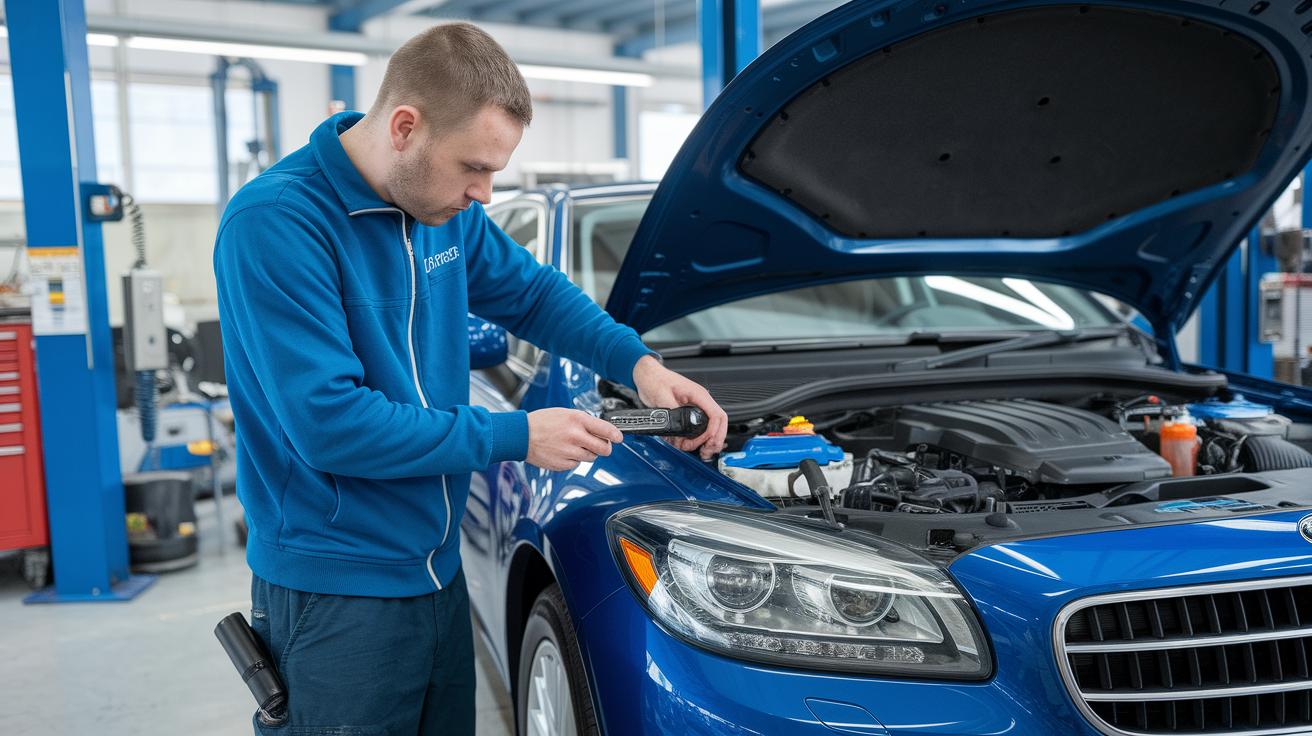
Careful tests can help you figure out why your car’s immobilizer isn’t behaving as it should. When you see fault codes pop up, it could mean the key code isn’t recognized, extra electronics are interfering, or the chip code has expired. A lost or damaged smart key might even break the signal with the car’s computer, stopping the engine from starting. Sometimes, testing the transponder’s signal by reading the ECU memory shows hidden problems before they get worse.
| Fault Code | Symptom | Recommended Action |
|---|---|---|
| F01 | Unrecognized key code | Reprogram the smart key |
| F02 | Aftermarket electronics interference | Inspect and isolate wiring |
| F03 | Expired chip code | Replace the immobilizer chip |
| F04 | Faulty sensor communication | Test transponder signal strength |
If you see a code like F01, it’s a good idea to reprogram the key right away. And if you notice F04, double-check the sensor connections. For issues like F02 or F03, when the chip is expired or gets interference, you might need to replace the module or update the firmware to get things running smoothly again.
OEM vs Aftermarket Immobilizer Car Security Systems
OEM immobilizers are built right into your car’s computer at the factory. They work like a charm from day one, giving you a worry-free ride with warranty support that really makes a difference. Insurance companies even like these systems so much that you might end up paying lower premiums. They use rolling-code encryption (a clever way to keep your car safe) and let you disable the engine remotely if needed. And since they’re part of your car’s original design, you don’t have to pay extra for installation later.
Aftermarket kits take a different approach. They usually cost between $100 and $400 and might need a professional to install them, especially if you add extra sensors for remote engine control. While these kits are pretty solid in protecting your car, they can run into glitches if your car’s electrical system has been changed or if the installation isn’t perfect. Studies show that aftermarket products often do just as well as factory-fitted systems. But you’ll want to weigh the installation cost against the benefits like insurance discounts and built-in warranty support to decide what’s best for you.
Final Words
In the action, we took a close look at how an immobilizer car system protects your vehicle. We covered its key features, types like transponder-chip keys and smart key starters, installation tips, maintenance steps, and troubleshooting hints. The post even compared OEM setups with aftermarket solutions to help you decide what suits your ride best. With these insights, you can keep your car secure and running smoothly. Here’s to enjoying safer drives and making smart, informed choices on your next vehicle.