
Ever wonder how a car stays strong when things get dicey? Think of the frame as the car’s backbone. It holds every part in place, from the engine’s smooth hum to the quick response of the brakes. When you hit a bump, take a sharp turn, or come to a sudden stop, a solid frame keeps everything secure.
A strong frame doesn’t just boost performance, it also protects you by spreading out crash forces evenly. Let’s take a closer look at why a well-built frame is key to keeping you safe and your ride steady.
frame of a car Boosts Safety and Strength
The frame is the heart of a car's build. It holds everything together, from the engine and gearbox to the suspension and brakes, giving the ride steady balance and smooth handling. Think of it as a strong backbone that keeps every part in place, even on bumpy roads or during sudden stops. Picture your car as a living body, the frame is like its spine, keeping it together no matter how rough the ride gets.
When designing a car, it's important to know the difference between the chassis and the frame. The chassis is the overall structure that has spots to attach key parts, while the frame is the main skeleton that bears the load. A well-built frame does more than just support the parts; it also protects the people inside. It soaks up crash energy and spreads it out to lessen the impact on everyone.
Here are some major benefits of a strong frame:
| Benefit | Result |
|---|---|
| Better Structural Integrity | Makes the car sturdier overall |
| Improved Handling & Performance | Keeps the ride smooth and responsive |
| Superior Crash Energy Management | Reduces injury during collisions |
Every bit of a frame's design matters. Auto makers test their frames hard to make sure they can handle real-world stress. Here's a cool fact: A car’s frame can absorb hundreds of thousands of pounds of force in a crash, which minimizes damage and protects lives. That kind of strength is essential for keeping both the car’s performance and its safety top-notch when unexpected impacts occur.
Comparing Car Frame Types: Unibody, Body-on-Frame, and Advanced Architectures

Car frames come in different types, each built for specific driving needs while keeping safety and strength in mind. Unibody frames combine the car's structure and body into one solid piece. This design not only helps save fuel but also improves how the car handles a crash. Imagine a jigsaw puzzle where every piece fits tightly, soaking up energy during an impact.
Body-on-frame designs, on the other hand, feature a sturdy frame that holds a separate body. This setup is perfect for trucks and SUVs because it can take on tough terrain and heavy loads, like a strong skeleton working around the clock.
There are also some unique layouts used by certain vehicles. For example, the ladder frame uses two long beams joined by crossmembers. Cars such as the Toyota Fortuner and Ford Endeavour use this time-tested design to stay strong when the going gets tough.
Then there’s the backbone chassis. This system uses one hollow beam down the middle, seen in cars like the Lotus Elan. It's a smart idea, though fixing it can be a bit tricky if something goes wrong with parts like the driveshaft.
Some sporty cars use even fancier setups like space frame or tubular frame designs. Models like the Caterham 7 and TVR Griffith use these frames to keep the car light and stiff, giving drivers a more thrilling feel every time they hit the road.
Each frame type has its own pros and cons. Manufacturers choose these designs to match a car’s intended use and performance needs.
Materials Used in Car Frames: Steel, Aluminum, Magnesium, and Composites
When it comes to building car frames, steel is the undisputed favorite. It's tough, lasts a long time, and won't break the bank. Think of it like the strong beams in a building, heavy but always there when you need it.
Next up is aluminum, a top pick for those looking to keep a car light yet sturdy. This metal doesn't rust easily and helps save fuel by trimming down the overall weight. Imagine a sleek sports car where every ounce counts, that's aluminum doing its job without skimping on strength.
Then there’s magnesium alloys. These help cut down weight even more, making them great for performance parts. They’re a bit more brittle, though, so engineers have to be extra careful when using them to prevent any unexpected breaks.
And don’t forget composites like carbon fiber. These materials offer an amazing strength-to-weight ratio, which is perfect for both high-performance and luxury vehicles. They keep the car frame rigid while minimizing weight, so drivers can enjoy a blend of speed and agile handling.
Every one of these materials plays a key role in how a car drives, responds, and protects its passengers. Manufacturers work hard to balance weight, strength, and cost, ensuring that each frame can handle impacts while still delivering a lively ride.
Modern Frame Construction: CNC, CAD, and Advanced Manufacturing
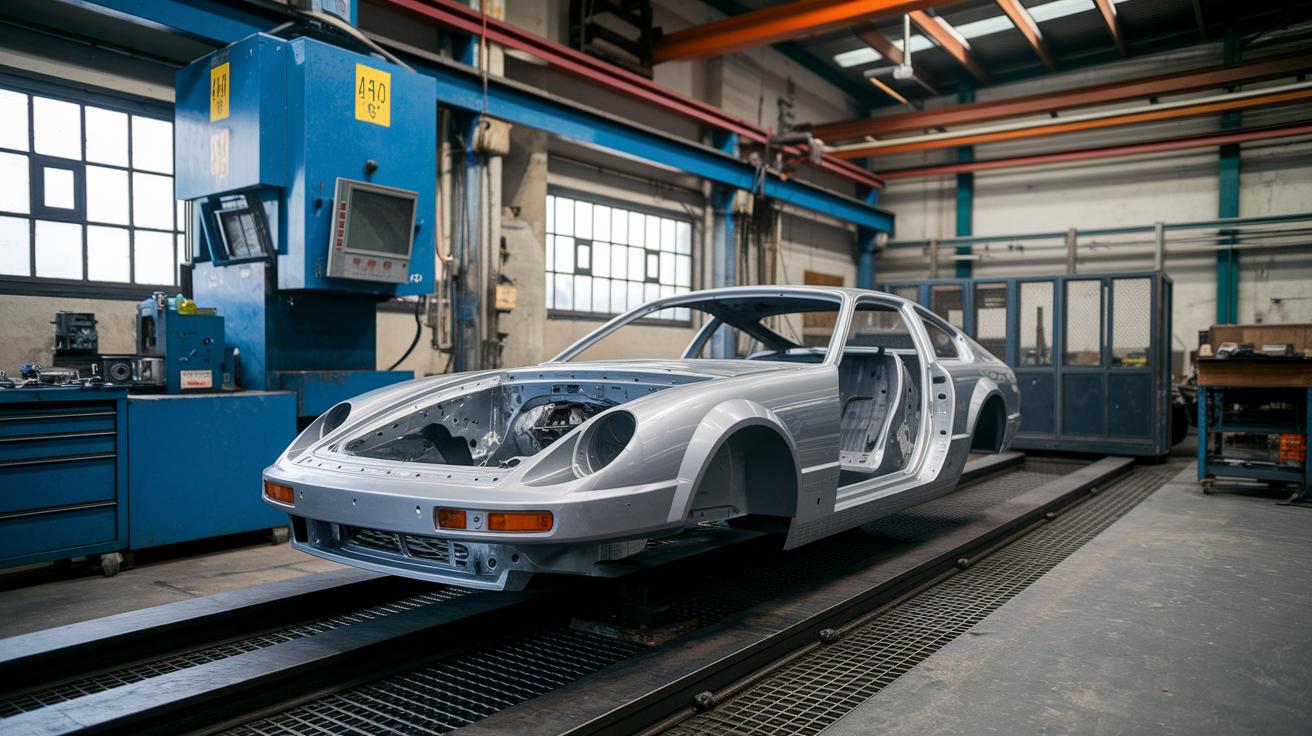
Modern car frames mix tried-and-true methods with modern digital tools to deliver top-notch quality every time. CNC machining uses computer-controlled tools to cut metal with pinpoint accuracy. It almost feels like sculpting, the machine carves each piece of metal so the frame can handle heavy loads and absorb bumps along the way.
Next comes sheet metal work. Panels are stamped, bent, and strengthened to create the sturdy backbone of the frame. Picture molding clay, except here you're working with tough metal that needs to stand up to everyday driving.
Then, die casting steps in to produce smooth, durable parts for subframes and mounts. This process not only adds a refined finish but also makes sure these components can brave wear and tear on the road.
Digital design is just as important. Engineers rely on CAD and 3D modeling to simulate stress, fine-tune the structure, and even test crash behavior before any metal is cut. It’s like having a digital playground where adjustments happen quickly, turning ideas into reliable prototypes with ease.
By blending these hands-on techniques with cutting-edge digital design, every car frame is built to offer exceptional safety, strength, and reliability on every drive.
Inspecting and Testing Car Frames for Integrity and Alignment
Start by giving your car frame a good look-over. Check for any dents, rust spots, cracks, or bad welds. These little signs can hint at problems down the road. For example, a small crack by a weld could turn into a serious issue if it isn’t fixed during regular upkeep.
Next, use tools like lasers and basic electronics to test the frame. These gadgets check that the rails are straight and the cross pieces are square. When you run a laser alignment, you can easily notice if the frame’s lines aren’t perfect. Even a tiny misalignment might lead to uneven tire wear, pulling while driving, or creaky sounds when you load the car.
Also, take a close look at parts of the chassis that are often hit with salt. Salt can corrode the metal and weaken the frame, leading to costly repairs later on. That’s why it’s smart to check your frame’s alignment on a regular basis.
Regular inspections like these not only keep you safe on the road but also help keep your ride running smoothly every day.
Repair and Reinforcement Strategies for Damaged Car Frames
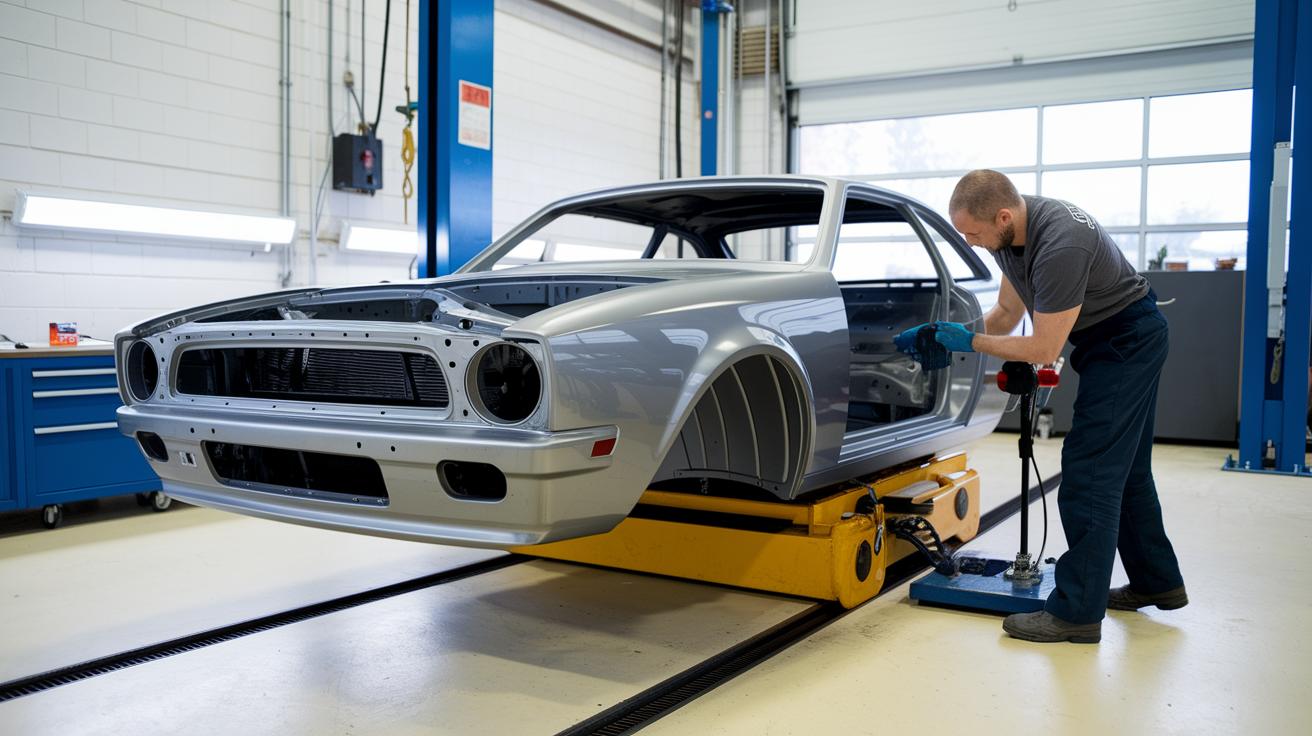
Every collision or long-term rust can leave your car’s frame with unsightly dents, bends, or even cracks. These issues not only hurt the look but also weaken the frame. When a car takes a hard hit, technicians often use hydraulic straightening. This process is like giving the frame a precise metal reset, snapping it back into proper shape.
For those small cracks or minor damage, experts usually turn to section welding or epoxy crack filling. Imagine fixing a tear in your favorite jacket before it gets worse, that’s what these methods do for your car, stopping small issues from turning into big problems.
Sometimes, the frame just needs a little extra support. That’s when auto frame reinforcement comes into play. Mechanics might add gusset plates, engineered brackets, or subframe attachments. Think of it like adding extra beams to a house; each piece helps the car handle stress and makes the frame even sturdier.
There are cases when repairs just aren’t enough. In these situations, replacing the auto frame becomes necessary. This process involves removing the damaged parts, securing new rails using an alignment jig, and carefully welding everything in place. Replacing a frame is a bit like rebuilding a building’s foundation, each new weld and brace takes you one step closer to safety.
Evaluating Frame Safety: Durability, Crash Performance, and Standards
Car frames get put through some really tough tests so you stay safe on every drive. Engineers run crash tests using NCAP (those are the global standards for assessing car safety) and IIHS methods (the Insurance Institute for Highway Safety, in plain terms) to see how well a frame can soak up and redirect impact energy. When a crash occurs, the frame’s job is to push the force away from the cabin, keeping everyone inside as protected as possible.
Next, they subject the frames to loads of fatigue cycles and environmental challenges like salt spray, which imitates the effects of real weather and road salt. Imagine a frame going through thousands of stress cycles to prove its lasting durability and strength.
Manufacturers also add a layer of defense by coating the frames with treatments like galvanization, e-coats, and powder coats. These coatings work like a tough shield, helping the frame fight off rust and wear over time. Every step of making the frame sticks to strict safety and durability standards, so even during a hard impact, the frame holds up well and keeps the vehicle secure. Rigorous quality checks and tests make sure each frame stands up to high impact resistance and long-term durability expectations for drivers.
Future Trends in Car Frame Design and Sustainability

Hybrid-material frames are getting popular. Car makers are mixing steel, aluminum, and composites to create frames that are both strong and light. This mix lets them build frames that take hits well but don't add extra weight. Engineers are even putting tiny sensors into frames. These little devices check for stress in real time, kind of like an early warning system that tells you when something might need fixing.
Composite frame technology is also making a splash. Some companies are using panels made from bio-based materials and recycled metals. It’s like giving your car a greener makeover without losing performance. This shift not only saves energy but also cuts down on waste, which is pretty cool.
AI-driven topology optimization is changing the game too. With smart software, engineers test different frame designs on a computer to find the best mix of strength, crash resistance, and fuel economy. They fine-tune every curve, making sure each part handles stress just right.
These breakthroughs are paving the way for vehicles that are safer and kinder to our planet. For more ideas on green car designs and smart manufacturing, check out the link on automotive sustainability innovations.
Final Words
In the action of understanding the frame of a car, this article broke down the inner workings of its structure, from basic design and material choices to modern manufacturing methods. We explored how different frame types, inspection routines, and repair strategies come together to shape vehicle safety and performance. Each section helped illustrate how automotive frames support lasting durability and reliable crash performance. It's uplifting to see such detailed insights making complex concepts accessible and helping you make educated decisions about your ride. Enjoy the drive!
FAQ
What does a car frame diagram or photo show?
A car frame diagram or photo shows the vehicle’s load-bearing skeleton, giving a clear visual of how the chassis supports components like the engine and suspension.
What is the frame of a car, and what are terms like car body frame and chassis frame?
The frame of a car is the main structure that supports the engine, suspension, and body. It’s often called the car body frame or chassis frame.
What does the frame of a car cost?
The cost of a car frame is usually built into the price of the vehicle, while repairs or replacements can vary widely based on damage, materials, and labor.
How do a car chassis and frame differ?
A car chassis is the overall structural platform including components and suspension parts, while the frame is the primary load-bearing skeleton that the body attaches to.
What is the frame of a car made of?
The car frame is made from materials like steel, aluminum, magnesium, or composite materials, chosen for their balance of strength, weight, and durability.
What is a chassis number on a car?
A chassis number is a unique identifier stamped onto the vehicle’s frame, helping track its history and verify its identity like a vehicle identification number.
Is it worth replacing a car frame?
Replacing a car frame depends on the extent of the damage and repair costs; if the frame is severely compromised, replacement might be the safest option.
What is considered frame damage on a car?
Frame damage includes bends, cracks, or rust that weaken the structure, affecting alignment and overall safety of the vehicle.
Can I drive my car with a broken frame?
Driving with a broken frame is risky, as it impacts the vehicle’s structural integrity and alignment, putting you and others at danger.