
Ever catch yourself wondering if those pesky scuffs on your ride can be fixed with a few home tricks? Imagine your car as a blank slate, just waiting for a fresh new look.
In this post, we'll share some easy tips to erase marks and bring back that smooth shine. We talk about simple rinses and everyday items that work like a mini spa treatment for your car.
So, ready to give your car a fresh feel without spending a fortune? Stick around and find out how you can easily revive that showroom finish.
scuffs on car: Smooth Solutions Await
Start by giving your car a good rinse and a careful dry. You want to wash away all loose dirt and debris with water and a bit of car soap. This step is just like getting a blank canvas before you start your painting. A clean surface prevents more scratches while you work on the scuffs.
Next, gently check how deep the scuff is by lightly running your fingers over it. If you feel that it’s only on the top clear coat, you’re probably dealing with a surface mark that you can fix at home. This quick touch-test helps you decide if you should keep it simple or call in a professional.
For stubborn dirt, grab a clay bar or a synthetic clay mitt along with a lubricant. Slide the clay smoothly in a straight line over the spot. Imagine how a soft sponge glides over a countertop. This method lifts off embedded grime like road tar and paint transfers, leaving the paint surface much cleaner.
If you notice light marks, try using a small amount of whitening toothpaste on a damp microfiber cloth. Gently rub the area in small circles. It’s like giving your car a mini spa treatment. The toothpaste acts as a mild abrasive, smoothing out the blemish without hurting the clear coat.
For larger areas, you might want to use a drill with a soft buffing pad attachment. Set it on a low speed and move it in straight, controlled strokes. Think of it as carefully brushing over a delicate surface. Always test this technique on a small, hidden spot first to make sure it works well with your car’s paint.
Finish up by applying a fine polish to blend the treated spot with the rest of your car’s finish. Then put on a good layer of wax to protect the surface and add shine. I once used this method and felt amazed watching my car come back to life, like uncovering a hidden gem.
Here are a couple of extra tips: Some car lovers like to give their car a quick spray of WD-40 before lightly buffing the area with a microfiber cloth. Always test any product on a small spot first. And if you’re keen on exploring more polishing options, try other off-the-shelf compounds on a low speed. The key is to keep a gentle hand and steady pressure to gradually smooth out the scuffs while protecting the clear coat.
For those ready to upgrade their DIY game, investing in a compact car buffer can make a big difference. This tool helps you achieve a more even finish compared to hand-rubbing. Plus, you can check out detailed car repair guides online if you’re interested in learning more tricks.
Take your time and remember safety first. Always try a new method on a hidden area before using it on a visible spot. This ensures you won’t accidentally remove more than just the scuff. Even small, careful actions can make a huge difference in refreshing your car’s look.
Understanding Scuffs on Car Paint: Causes and Types
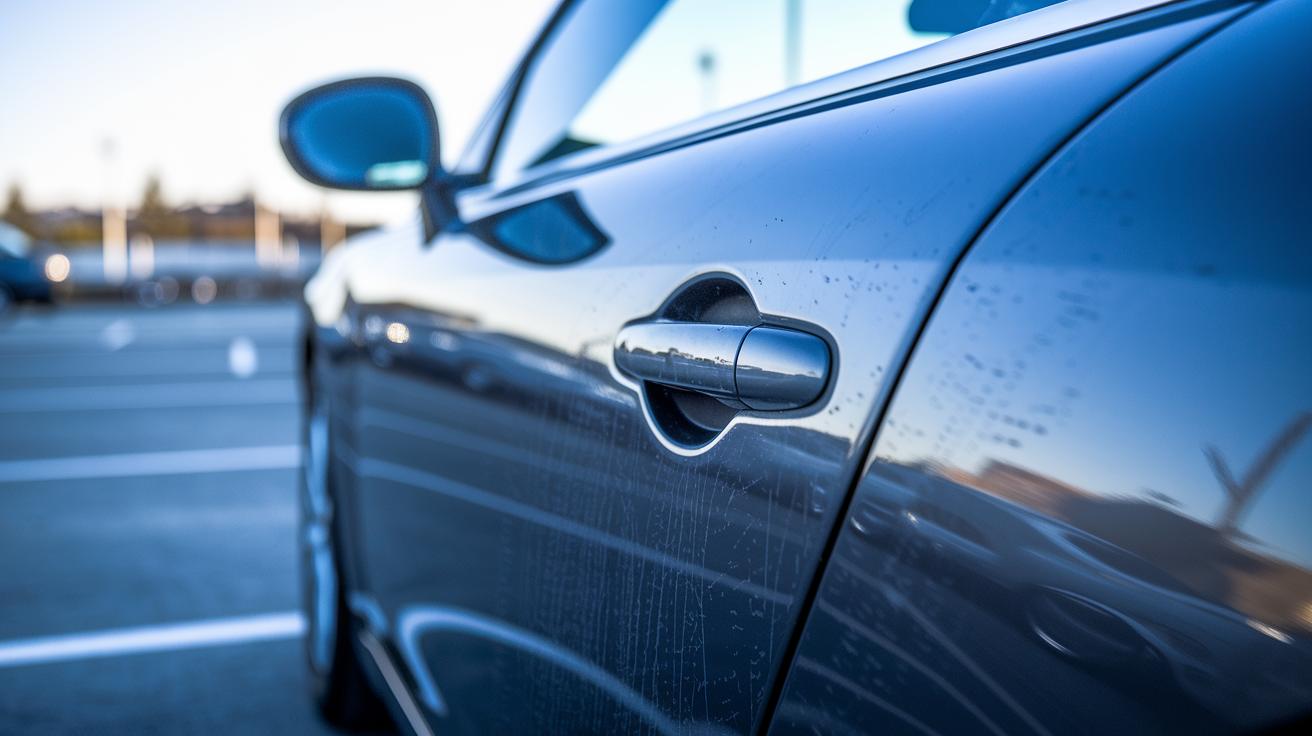
Scuff marks on your car are light blemishes on the clear coat from things like shoe soles, a small bump in parking, or a gentle brush with another vehicle. They don’t cut deep into the paint; they just leave a surface mark, kind of like a light smear that doesn't hurt the car's overall finish.
Scuffs are different from scratches. While scuffs just disturb the top layer of pigment, scratches break through the clear coat into the actual paint. Likewise, paint transfers from nearby vehicles or objects aren't the same as chips that expose the primer underneath.
Everyday parking mishaps, like door dings in tight spots or a door grazing a curb, can cause these marks. Even a quick brush with a shopping cart might leave a little scuff mark on your door panel. The good news is that these surface blemishes are usually easy to fix with some DIY efforts. With the right tools and a gentle touch, you can get your car looking smooth and fresh again.
Professional Products and Tools for Car Scuff Elimination
Sometimes, regular cleaning just doesn’t do the trick, and those scuff marks stick around. When that happens, upgrading your toolkit can really make a difference at home. A great starting point is using a clay bar with a good lubricant. Think of it like a soft eraser that lifts stubborn dirt, road tar, and even paint transfers out of your car’s finish.
For deeper scuffs that cling to your clear coat, many pros recommend wet sanding. You use 1000–3000 grit paper to gently smooth the area in the same direction as the scratch. This careful method helps level the scuff without harming the rest of your finish.
Next up, heavy-cut and fine polishing compounds work like a magic potion. With each pass, they gradually reduce those imperfections until your car starts to look its best. Many experts prefer a dual-action polisher to spread the compound evenly. This not only gives you a balanced finish but also reduces the risk that comes with more aggressive rotary machines.
Once you’ve repaired the scuffs, sealing the area with carnauba wax or a synthetic sealant is key. This final step locks in your work and gives your car a slick, protective barrier against future marks.
| Tool | Purpose |
|---|---|
| Clay Bar | Lifts stubborn contaminants |
| Wet Sandpaper (1000–3000 grit) | Smooths out deeper scuffs |
| Polishing Compounds | Reduces blemishes progressively |
| Dual-Action Polisher | Applies compound evenly for a balanced finish |
Each of these tools has its moment to shine, helping you tackle every mark with care while making your car look even more awesome.
Preventing Future Scuffs on Car: Maintenance and Protective Measures
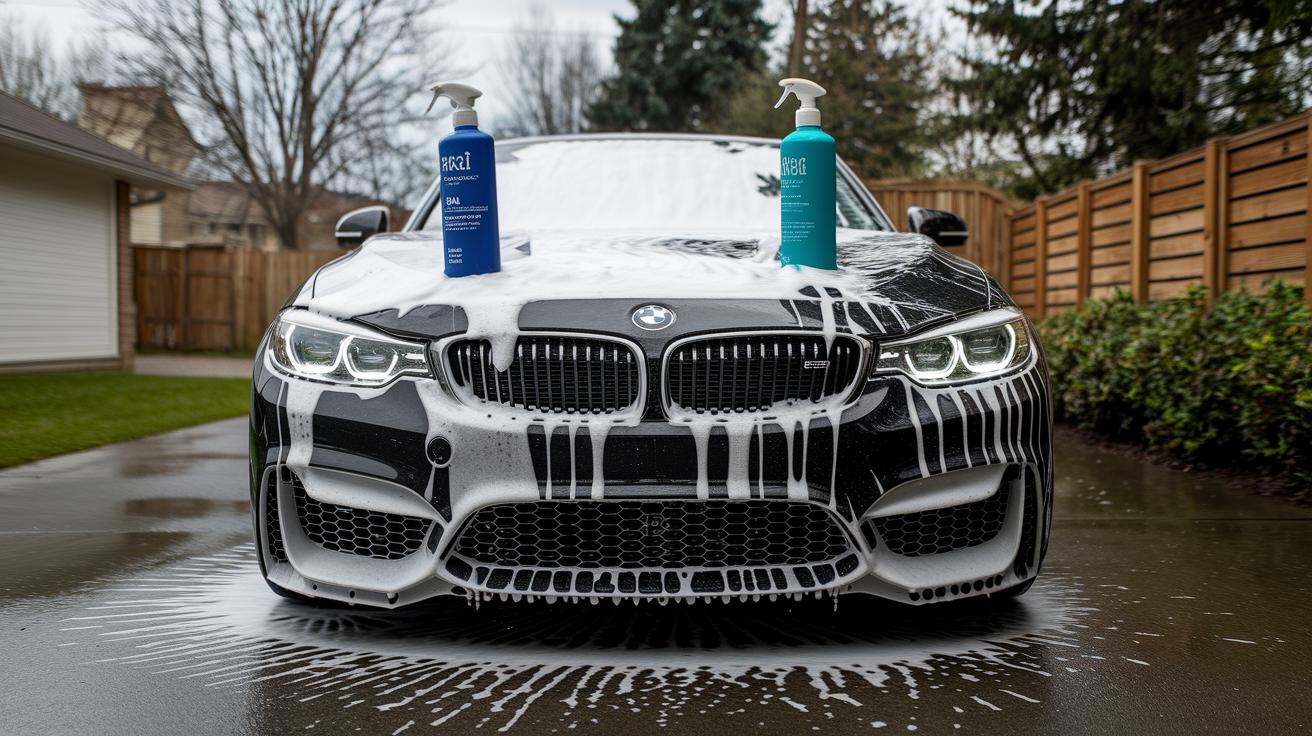
Start by giving your car a gentle wash with pH-balanced soap and water. A clean car not only looks great but also helps prevent scratches during later cleaning. Think of your car’s surface as fresh canvas, ready for a bit of extra love.
Regular care is important. Try putting on a thin layer of wax or sealant every month. It acts like a soft shield that stops small scratches from getting through. You might also use a ceramic coating for a tougher layer of protection, even when the weather isn’t kind. It’s like dressing your car in a smooth, durable suit.
Also, consider adding door edge guards or bumper protectors. These little parts soften the impact if you bump into something in a tight parking spot. Plus, parking in less busy spaces or garages can really help keep those unsightly scrapes away.
Mixing these tips together keeps your car looking sharp. A well-maintained finish keeps its shine and fights off everyday marks. Every small step you take builds a strong defense against future scuffs.
Comparing DIY vs Professional Car Scuff Repair: Costs and Outcomes
If you're dealing with a few light scuffs, a DIY repair might just do the trick. With a basic kit of compound, pads, and polish costing around $10 to $50, you can spend a relaxed weekend fixing a minor mark on your car. It’s like smoothing out a small door scrape with a careful touch so it blends nicely. I’ve done it myself, and it feels great to see your handiwork come to life without burning a hole in your pocket.
On the other hand, when the damage is more noticeable or deep, professional repair services might be the way to go. These experts typically charge between $100 and $300 per panel. They deliver a refined finish, use top-notch repair methods, and even offer warranties to give you peace of mind. Their higher skill level makes a real difference when handling more extensive scuffs or scratches.
| Method | Cost Range | Best For |
|---|---|---|
| DIY | $10 – $50 | Minor scuffs and surface marks |
| Professional | $100 – $300 per panel | Deeper or more extensive damage |
In truth, the choice depends on the damage and the long-term look you want for your car. A home fix can be super budget-friendly and satisfying for little imperfections, while a professional repair might be worth it for a lasting, polished finish.
Final Words
In the action, we covered a straightforward six-step DIY guide, explored extra techniques with common tools, and discussed how to prevent future scuffs.
We broke down what causes marks and compared DIY fixes with professional repairs.
With these tools and tips in hand, you're ready to handle scuffs on car and keep your ride looking its best. Enjoy the satisfaction of a well-cared-for vehicle and the fun of the repair process.
FAQ
What is a scuff on a car?
The scuff on a car is a superficial mark on the protective clear coat, usually caused by slight contact with surfaces like shoe soles or minor bumps. It is mostly cosmetic damage.
What causes different colored scuffs, like black or white marks, on a car?
The appearance of black or white scuff marks often comes from contact with rough surfaces or chemicals from shoe soles and similar objects. The marks vary depending on the impact and surface involved.
How do you remove scuffs from your car’s exterior?
The removal of scuffs from your car’s exterior can start with a gentle wash, followed by testing a clay bar and buffing compound on a hidden spot. Patience and a soft cloth work best.
How do you remove scuff marks from car interior surfaces?
The removal of interior scuffs usually involves a mild cleaner and a soft microfiber cloth. Lightly rubbing the area can lift the mark without harming delicate surfaces.
How can you fix a scuff on a car effectively?
The fix for a scuff involves cleaning the spot, using a buffing compound or DIY remedy to blend the mark, then finishing with polish or wax to restore the shine.
What should you do if someone scuffs your car?
The response if someone scuffs your car starts with checking the damage. For light marks, try a DIY cleaning method, and if the damage persists, consult a professional for repair.
Which professional products or tools are recommended for car scuff removal?
The professional products include options like Mothers California Gold Scratch Remover and Meguiar’s Ultimate Compound, along with tools such as a clay bar, buffing compound, and dual-action polisher.