
Ever wondered if your car could be worth more than you think? A handy trade-in car estimator can uncover its hidden value with just a few quick details. It works like a snapshot of your car's price based on what’s happening in the market and what local buyers want.
Simply enter your car's make, model, trim, mileage, and accident history. You’ll see two numbers, one for dealer trade-ins and another for private sales, so you can figure out your best option.
It’s an easy and stress-free way to boost your car’s value. Ever get that rush when you find out something you own is worth more than you thought? This tool might just give you that moment.
How the Trade-In Car Estimator Works
This free tool uses fresh daily data from Black Book to give you two key numbers: one for a dealer trade-in and another for a private sale. Think of it as a digital auto evaluator that pulls trusted info from real-world auctions and sales.
You don’t need to worry about your VIN. Instead, just provide basic details like your car's make, model, trim, mileage, options, and accident history. It’s a super simple way to see what your car might be worth. Imagine typing in your car’s specs and, moments later, getting two clear estimates right next to each other.
The tool’s accuracy comes from blending current market trends with dealer pricing insights. Prices can vary by region, so your car might even be worth a bit more in an area with high demand. It uses local market data and standard dealer practices to deliver realistic estimates. And the best part? It’s totally free and powered by dependable, everyday sales and auction figures.
Key Inputs for the Trade-In Car Estimator
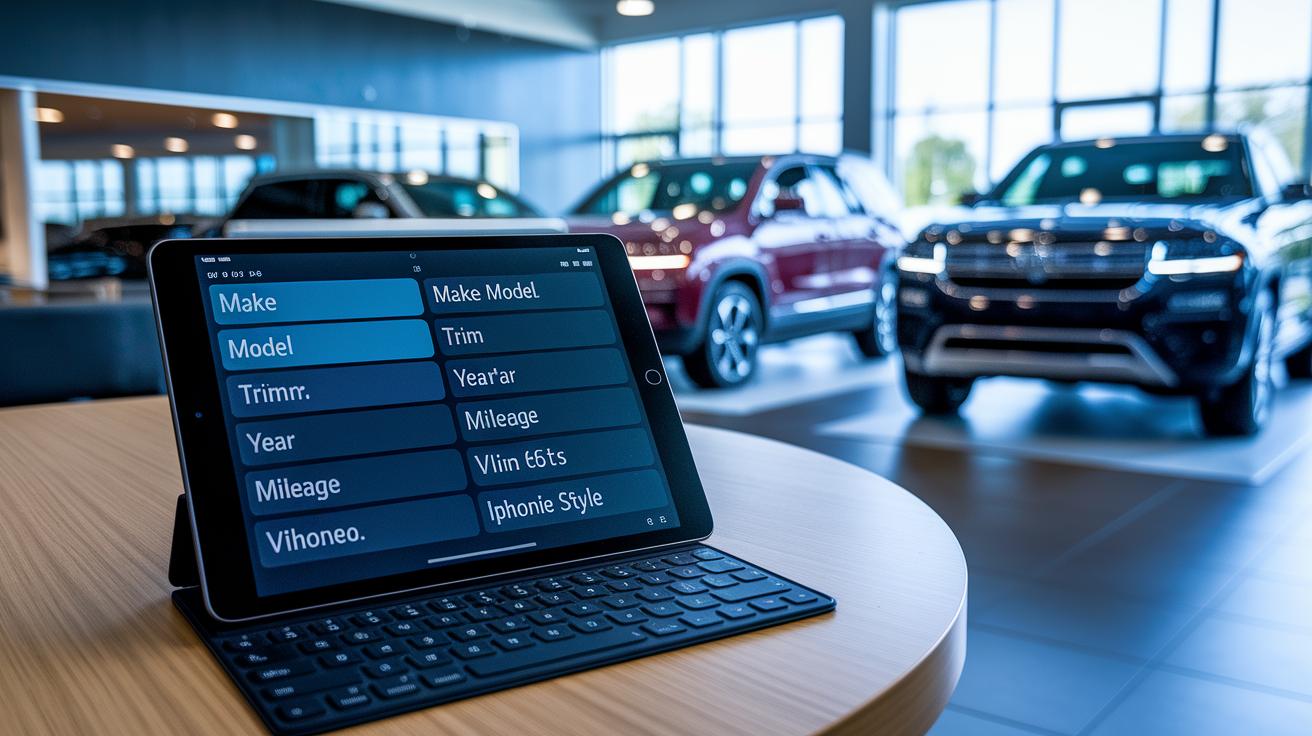
Our trade-in tool skips the VIN and focuses on six essential details to help value your car with precision. It even looks at accident history and your ZIP code to fine-tune pricing in your area.
- Make: Tell us your car's maker (like Ford) so we can track market trends.
- Model: Let us know the model to help set a fair value.
- Trim level: Specify which version you have to show off any extra features.
- Model year: Share the production year so we can adjust for depreciation.
- Current mileage: Give the mileage number to reflect how much it's been used.
- Specific options: List cool add-ons like a sunroof or leather seats that boost appeal.
All we need is your basic contact information to deliver your results.
Factors Shaping Your Trade-In Car Estimator Results
Your trade-in value kicks off with the car's model year. The moment you drive out of the dealership, your car starts losing value, like a slice of pie that slowly gets eaten. New cars can drop by about 20% in the first year and then roughly 15% each year after that.
Mileage is another key factor. Every mile above a 12,000-mile yearly baseline usually chips off about $0.10 in value. For example, if you add an extra 5,000 miles, your car might lose around $500 overall.
Next up is the car's condition. A vehicle that’s in top shape catches buyers' eyes, whereas one with dents or faded paint could see its value drop by anywhere from 5% to 20%. Picture the gleam of a well-maintained car compared to one marked by wear and tear, it really makes a difference.
Factory packages and options, like a sunroof or leather seats, can boost your car's worth by another $300 to $1,000. It’s a bit like getting a bonus feature on a smartphone that makes it extra attractive when you put it up for sale.
Accident history matters a lot too. Just one reported mishap can cut your car’s appraisal by 10% to 25%. Think of a clean accident record as a clear blue sky, while even a single accident can feel like a storm cloud overhead.
Finally, local trends have their say. For instance, full-size trucks can pull in an extra 5% premium in rural areas where they’re in higher demand. All these factors mix together in the estimator’s calculation to give you a well-rounded trade-in value.
Using the Trade-In Car Estimator to Compare Trade-In and Private-Sale Values

When you try out the estimator, it shows you two numbers right away. One is the dealer trade-in value, which is usually about 10% to 15% lower than what you might get on the private market. It might sound like a downer, but don’t worry, the dealer often takes care of any remaining loan balance. It’s like having a little safety net, so you don’t need to worry about haggling with multiple buyers.
On the other hand, the private-party figure can be 5% to 10% higher. That extra cash up front may be tempting, but it comes with its own set of hassles. You’ll have to advertise your car, sort out any tax stuff, and handle all that extra legwork. It’s a bit like choosing between a straightforward handshake and trying your luck at an auction, maybe more profit, but more work too.
Both of these numbers take into account the local demand for your vehicle, which means they can shift depending on your area. So, think of this tool as your guide to decide if the convenience of a dealer trade-in is worth more than the potential payoff from selling privately.
Leverage Your Trade-In Car Estimator Results in Negotiations
Your printed trade-in estimate is a powerful tool when you’re talking numbers at the dealership. Bring it along to use as a trusty guide. For example, if the calculator shows your car is worth about $8,000, aim to get a deal within 2–3% of that, maybe somewhere between $7,800 and $7,840. It’s like having a reliable map on your negotiation journey.
If the dealer offers you a lower figure, don’t be shy, ask for a breakdown. Get them to explain every deduction, whether it’s due to the car’s condition or local market factors. For instance, if they point to extra wear on the interior, ask them to show how they arrived at that lower number. This way, that printed estimate becomes your secret weapon.
And if your vehicle still has a loan, make sure the dealer’s offer covers any negative equity. In other words, check that every piece of the puzzle fits together just right. If you need a few extra pointers, you might want to have a look at this guide on negotiating car prices for some handy tips.
Trade In Car Estimator: Boost Your Car Value
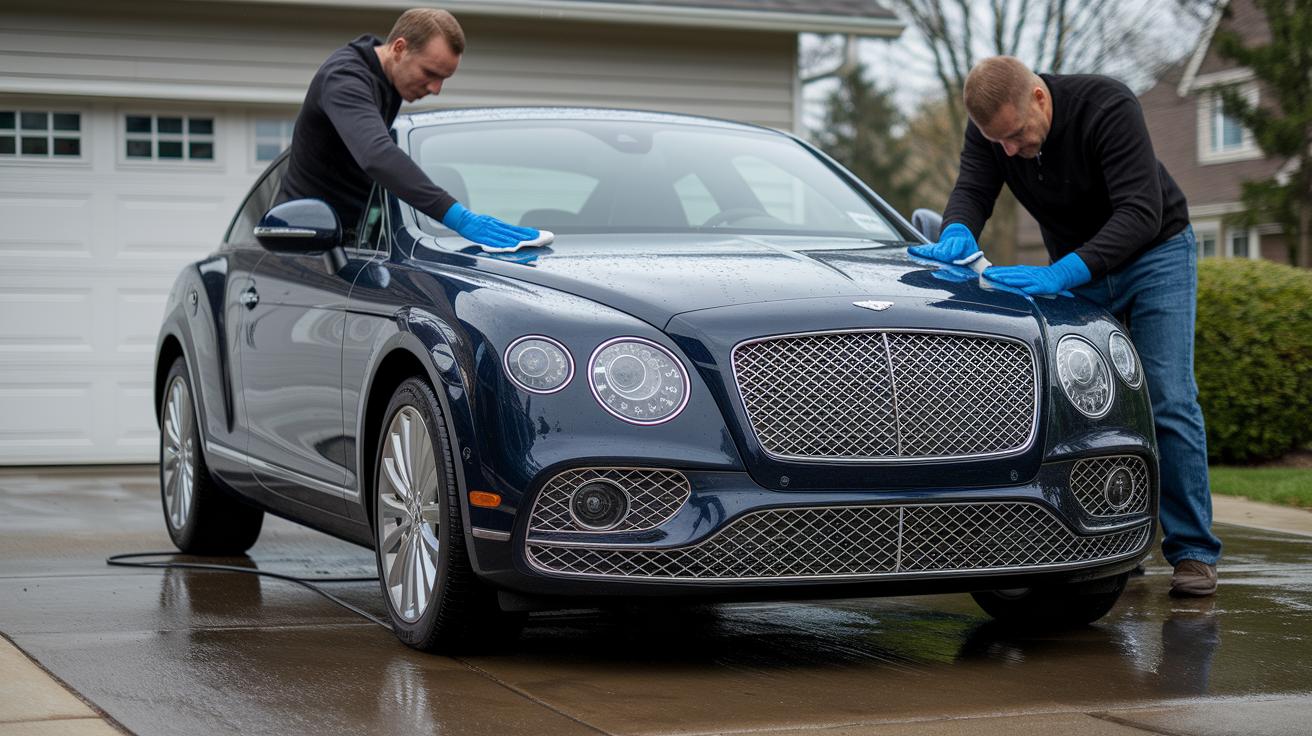
Getting your car in shape before you use an auto equity calculator can really lift its estimated value. A few smart tweaks, like a deep clean or fixing small scratches, can boost your car’s standing on that exchange value tool and lead to a better dealer offer. It’s a bit like getting your car all set for a photoshoot before it goes on the market.
Try these simple tips:
- Deep-clean the inside and outside. A spotless car not only looks sharp in photos but might also catch a dealer’s eye.
- Repair minor dents or scratches. Fixing small damage is a cost-effective way to add appeal.
- Collect all your service records. Complete maintenance papers prove that your car has been well cared for.
- Replace worn items. If your tires or filters look tired, swapping them out can give your car a fresher look.
- Time your trade-in right. Consider end-of-quarter or year-end when dealers are keen to hit their targets.
A little extra effort now can pay off big later, helping your car shine and leading to a smoother, more rewarding trade-in deal.
Final Words
In the action, we explored how a trade in car estimator uses key details to give you both dealer trade-in and private-party values. We broke down the six essential inputs, explained factors like model year, mileage, and condition, and showed how the tool helps you negotiate better deals.
This free digital auto evaluator offers clear insights, making it easier to weigh convenience against maximum value. With a solid grasp of your options and a boost of confidence, you're set to make smart choices for your next ride.
FAQ
What does a trade-in car estimator do for used cars?
The trade-in car estimator for used cars calculates your vehicle’s worth based on details like make, model, trim, mileage, and condition. It uses real-time market trends and dealer pricing data for a reliable value.
How do free trade-in car estimators work?
The free trade-in car estimator works by letting you input basic car details without a VIN. It taps trusted data to generate both dealer and private sale values that mirror regional pricing.
What exactly is a car value estimator?
The car value estimator calculates your car’s worth by using key inputs such as mileage, model year, condition, and features. It reflects current market trends to offer fair trade-in and private-party estimates.
What roles do Kelley Blue Book and NADA car value play in trade-in evaluations?
Kelley Blue Book, NADA car value, and similar tools work as trusted guides in car valuation. They gather data from real-world sales and auctions to help you gauge your car’s worth and strengthen your trade-in discussion.
How does a trade-in car estimator work without needing a VIN?
The estimator uses inputs like make, model, trim, mileage, and accident history instead of a VIN. These details help generate accurate dealer and private-party figures based on local market trends.
How can a free car value calculator help during negotiations?
The free car value calculator gives you two estimates that you can use as clear benchmarks. It supports smart negotiations by comparing dealer trade-in values with private-sale results, so you know where you stand.