
Have you ever wondered when repair costs make your car not worth fixing? Imagine a car priced at $10,000 needing almost $8,000 in repairs. It doesn’t take long for insurance adjusters to call it a total loss when repair bills hit about 70 to 80 percent of its value.
In this guide, we’ll show you how insurers work out your car’s value and what you can do if the damage looks too expensive to fix. We’ll walk you through comparing repair estimates and help you tackle the post-accident process with clear, step-by-step advice.
What Qualifies a Totaled Car Under Insurance Criteria
A car usually gets tagged as a total loss if the repair costs hit about 70 to 80 percent of its cash value. Picture a car valued at $10,000 that needs $7,500 in repairs. Both insurers and car owners see this as a clear sign that fixing it just isn’t worth the money.
When damage happens, adjusters dig into the details by comparing repair estimates with the car’s cash value. They check out the make, model, year, mileage, and overall condition. They even look at extra features and local market trends to come up with a fair value. It’s like going through a checklist where every detail truly matters.
Not all damage is treated the same. If your car gets into an accident, collision coverage usually takes over. But if it’s harmed by fire, vandalism, or even a run-in with an animal, comprehensive coverage steps in. So depending on what happened, a different part of your insurance policy might kick in.
You can make things clearer by collecting multiple repair quotes. I’d suggest getting a couple of estimates from trusted repair shops and then comparing them with the insurer’s figures. This extra step helps make sure your car’s value isn’t undervalued and gives you a better idea if the repair costs really mean a full write‐off.
Total Loss Valuation Process for a Totaled Car
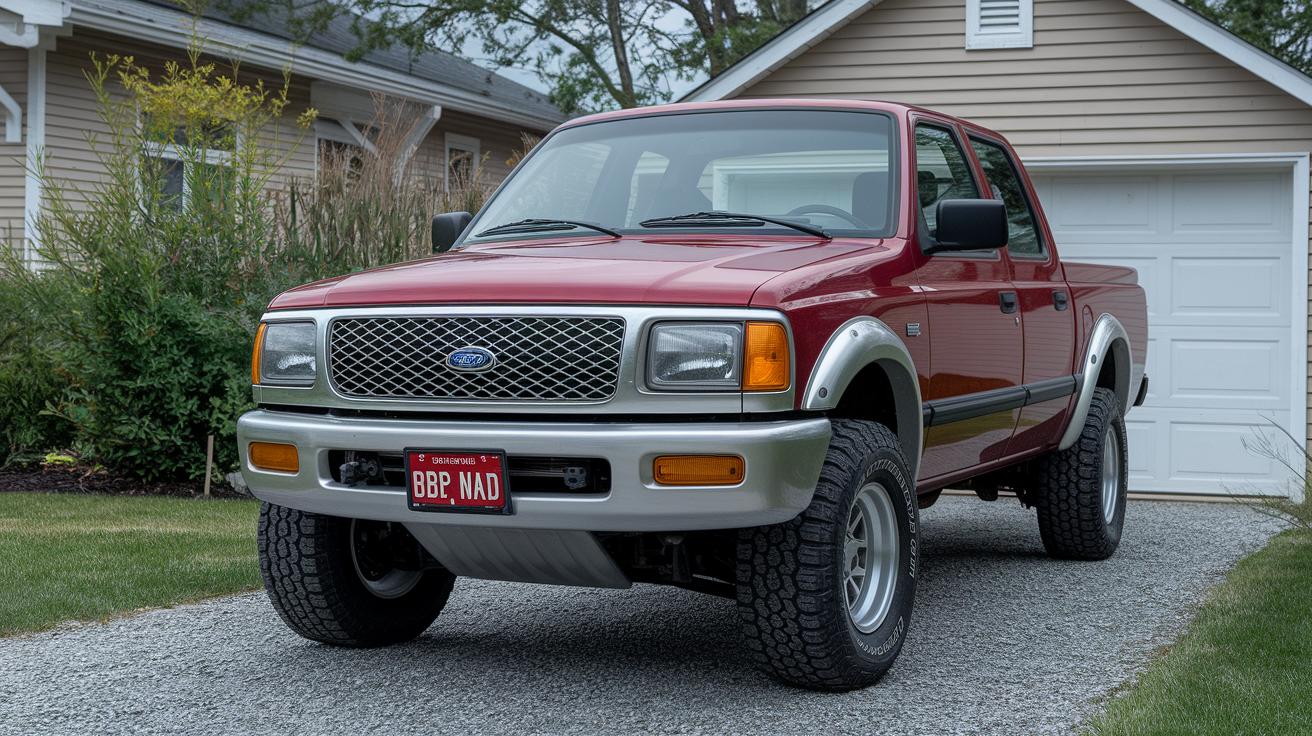
When your car is totaled, insurance companies start by figuring out its actual cash value, or ACV. They check trusted guides like Kelley Blue Book and NADA, much like you’d check your bike’s price before a ride.
First, they look up the car’s pre-accident ACV. Insurers use KBB and NADA to find out what your car was worth before the accident. Imagine they’re checking a used pickup truck’s price to see its value in the market.
Next, they adjust for depreciation. They factor in your car’s age, how many miles it has, and its overall condition. Think of it like your favorite shoes losing a bit of charm after lots of wear.
Then, they subtract the estimated salvage value. This is the amount the damaged car might earn at an auction for parts or scrap, and it can change based on local rules and trends.
Finally, any policy deductibles are taken off from the final amount. Local laws can change how this salvage deduction is handled, so the final payout might look a little different from one place to another.
Coverage Options for a Totaled Car Claim
When your car takes a hard hit, your insurance is there to help. Collision coverage handles damage from accidents, while comprehensive kicks in when your car is stolen, damaged by fire, or even hit by an animal. It’s like having different plans depending on what went wrong.
Typically, you’ve got two ways to settle a claim. You can take a cash payout based on your car's current worth, or you can keep the salvage title. Keeping the salvage means you might salvage parts or even repair the car later. However, the value of that salvage is taken out of your final check. In other words, if you hold onto the salvage, your cash settlement will likely be lower because it includes the potential scrap value of your damaged ride.
Don’t forget about your deductible, which also affects your payout. A higher deductible means you get a smaller amount upfront. And if you owe more on your loan than what you’re paid, gap protection will cover the extra cost. This extra help makes sure your finances stay on track, even if everything doesn’t perfectly balance.
Essential Post-Accident Steps for a Totaled Car
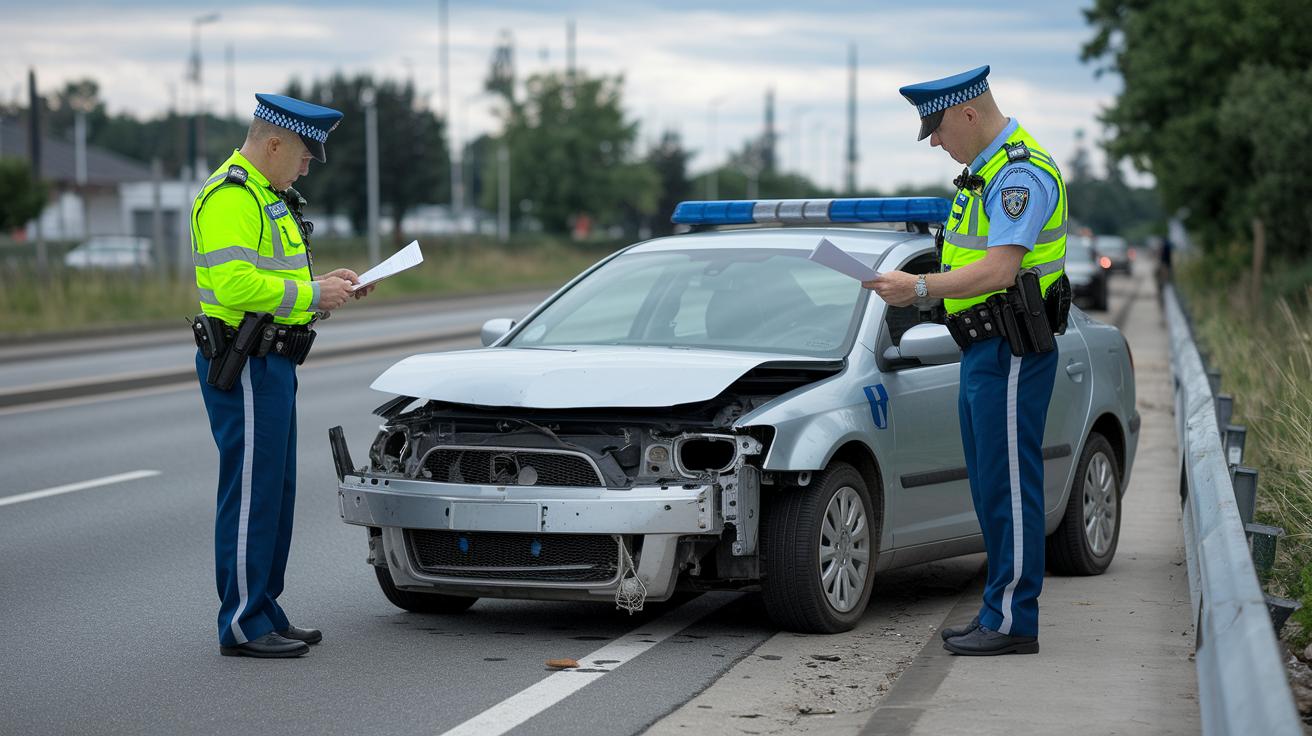
After a collision, acting quickly can really smooth out your claims process. First, get a police report right away, take clear pictures of the damage from different angles, and grab contact details from any witnesses.
Next, obtain estimates from at least two repair shops so you can see how they compare to your insurance company’s numbers. Then, call your insurance provider to file your claim as soon as you can.
Also, set up a meeting with your claims adjuster and be available to answer their questions during the inspection. Finally, make sure to send in all the supporting documents, like your police report, repair estimates, photos, and witness information, to back up your claim.
Keeping in touch with your adjuster is key. Just like regular car maintenance, staying on top of your paperwork and appointments helps prevent any delays.
Salvage Title and Legal Implications of a Totaled Car
If you decide to hang onto your totaled car, your insurer will give it a salvage title by taking the car's salvage value out of your payout. That salvage title shows the car has seen serious damage, which usually makes it worth less when you try to sell it later. It might also need extra repair inspections before it can be considered safe for the road again.
For instance, in New York, the car has to clear a detailed safety check before it can get a new title. And in Texas, you might need to get a surety bond, kind of like a promise to cover any future issues. These state-specific rules can really change how easy it is to fix or sell your car down the line.
So, it’s important to think things through. A salvage title sticks with your car like a permanent mark, and it could make it tougher to secure a loan or find a buyer later on.
Repair vs Replacement Analysis for a Totaled Car
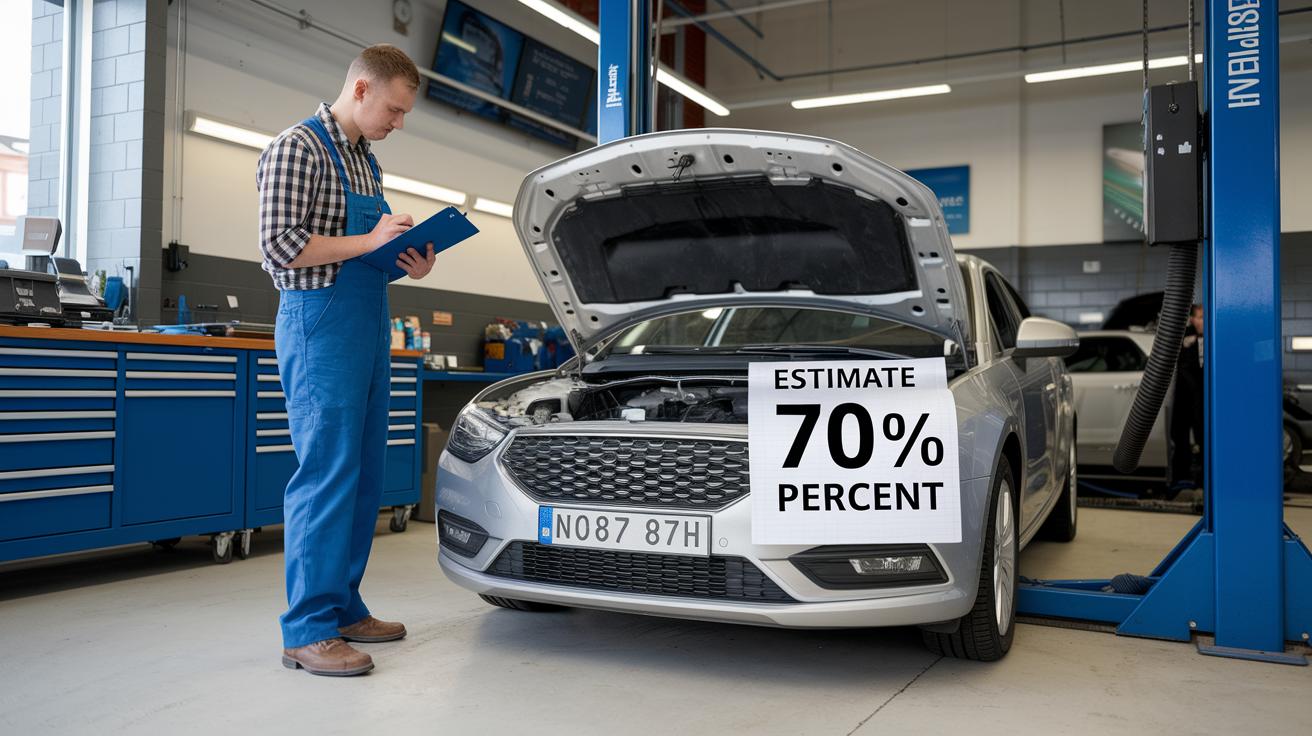
Sometimes car owners push back against a write-off by comparing repair costs with what the car is actually worth. Picture this: your repair costs hit about 70% to 80% of your car's value, and suddenly you're wondering, "Should I fix it or just take the cash?" That's when the whole repair versus total loss discussion really comes into play.
When you're mulling over your repair options, remember that trouble might be hiding where you least expect it. A simple dent might cover up deeper frame issues, sort of like fixing a cracked house foundation after an earthquake. Plus, things like part availability and labor rates can make a big difference in whether fixing your car makes sense.
Trying a DIY fix by keeping the salvage is an option too, but it might leave safety concerns hanging around if hidden damage gets missed. Sometimes, getting a second look from another adjuster will shed new light on the repair costs. If fresh estimates lower the repair cost percentage, insurers might switch their stance on calling the car a total loss.
In truth, taking a close, careful look at all the numbers, and maybe even getting another opinion, could unveil some surprising benefits of holding on to your car.
Selling or Auctioning Your Totaled Car Options
When your car is declared totaled, you still have a few ways to get some value out of it. One option is to take it to a dealer salvage auction. Here, experts who know their stuff buy and sell damaged vehicles. Picture your car sitting in a room full of seasoned buyers who appreciate its parts and potential resale value.
Another idea is to list your car on an online marketplace. These platforms can expose your vehicle to more people. But remember, listing fees and commissions might take a bite out of your final payout. Ever feel like selling online is like discovering a hidden treasure, even if a little fee is carved off each sale?
You could also try local classified ads. With this route, you often get to negotiate directly with a buyer, which means you might avoid extra fees. This approach works well if you’re in a rural area selling a pickup or SUV.
| Option | Fee Structure | Average Sale Price |
|---|---|---|
| Dealer Salvage Auction | Registration and sale fees | Market-dependent |
| Online Marketplace | Listing and commission fees | Moderate to competitive |
| Classified Ads | Minimal or no fees | Negotiable based on local demand |
Strategies to Maximize Your Totaled Car Settlement
Keep a detailed record of everything you do for your car. Write down repairs, routine maintenance, and upgrades. For example, note something like "Got new brakes last month" so you can show your car was well cared for.
Next, collect local listings of similar cars. Sharing these with your adjuster shows what nearby sales are going for. If you feel the initial offer is too low, consider asking for an appraisal clause or even a third-party arbitrator to help get a fair price.
If you still owe money on your car, be sure to keep your gap coverage active. Plus, save a record of every conversation with your insurer, from phone calls to emails. This documentation can be your best friend if you need to back up your claim.
Final Words
In the action, we tackled what qualifies a totaled car, walking through insurance guidelines and detailing the 70–80% repair cost threshold. We broke down how adjusters calculate the settlement using trusted resources. We also covered options for salvage titles, selling strategies, and tips to maximize your payout. Each step was explained simply, so you leave knowing how your totals process works. Keep these insights in mind as you navigate the road ahead with your totaled car. Enjoy the ride and stay informed!
FAQ
Totaled car meaning
The term “totaled car” means the repair costs for the vehicle have reached 70–80% of its actual cash value, so repairs aren’t practical. Insurance adjusters use detailed estimates and market values to decide.
Totaled car for sale
The phrase “totaled car for sale” refers to vehicles sold as salvage after being declared a total loss. Buyers should expect lower resale values and may face extensive repairs.
Totaled car insurance
The term “totaled car insurance” relates to coverage that pays out when your vehicle is deemed a total loss. Policy payouts consider the car’s actual cash value, deductibles, and salvage value deductions.
What to do when your car is totaled and you still owe money
The question of managing a totaled vehicle while still owing money means contacting your insurer immediately and reviewing gap protection. Gap coverage can help pay the remaining loan balance if the payout falls short.
Totaled car calculator
The totaled car calculator is a tool used to estimate your insurance payout. It factors in your car’s actual cash value, expected repair thresholds, and salvage value to give you an idea of the settlement amount.
Totaled car in Spanish
The phrase “totaled car” in Spanish is “auto declarado como pérdida total.” It’s used when a vehicle’s repair costs exceed its value, rendering it unsalvageable.
Totaled car payout
The totaled car payout is the cash settlement provided by the insurer when your vehicle is declared a total loss. This payout is calculated based on the car’s actual cash value, minus any policy deductibles and salvage deductions.
Totaled car reddit
The term “totaled car reddit” highlights posts on Reddit where users share personal experiences and advice regarding total loss claims. It’s a forum to discuss settlement processes and insurance tips.
What does it mean when a car is totaled?
The fact that a car is totaled means the cost to repair it exceeds a significant percentage—typically 70–80%—of its value. This leads insurance companies to declare it a total loss and offer a settlement based on market value.
How much money do I get if my car is totaled?
The amount you receive when your car is totaled depends on your car’s actual cash value before the accident, adjusted for deductibles and salvage value. Adjusters use market data to finalize the payout.
Which is correct, totalled or totaled?
The fact is both “totalled” and “totaled” are correct, meaning the same thing. “Totaled” is used in American English, while “totalled” appears more often in other English-speaking regions.
What happens when a car is totaled in PA?
When a car is declared totaled in PA, the insurer reviews the vehicle’s market value, repair estimates, and salvage value under state-specific regulations. The process may include additional safety inspections as required by the state.