
Ever wonder if your car's paperwork truly proves it belongs to you? Many car owners feel overwhelmed by a stack of confusing documents. Think of your vehicle title as its birth certificate, while your registration and bill of sale work together to show clear proof of ownership. Knowing what each document does can save you from a lot of trouble later on. In this post, I'll explain the role of every piece so you can feel confident and enjoy every drive.
Core Car Ownership Documents and Their Roles
When you're proving you own a car, there are three main documents you need: the vehicle title, the car registration certificate, and the bill of sale. Think of these as the keys to showing that the car is truly yours. The vehicle title is like the car's birth certificate. It officially lists you as the owner and comes straight from the DMV.
The car registration certificate is your proof that your ride is good to hit the road, linking the license plate to your name. And the bill of sale? That document captures every little detail of the transaction, from car specifics to the sale price and both parties involved. They become especially important during a change of ownership, offering clear and friendly evidence for everyone involved.
| Document | Role |
|---|---|
| Vehicle Title | This is the primary legal record that shows you own the car outright. |
| Car Registration Certificate | This confirms that your car meets all legal and safety standards by tying the license plate to your record. |
| Bill of Sale | This holds all the key details of your car purchase, like the sale price and essential specifics of the car. |
When it comes to financing options like PCP or HP, things get a bit more layered. In these cases, the lender holds a lien on the car until you’ve finished paying off the loan. So sure, you might be driving it every day, but complete legal ownership only happens after all the payments are done. This means the name on the V5C might not be the full legal owner if a lien exists.
Even after you drive off the lot, it’s smart to hold on to your vehicle title, registration certificate, and bill of sale. Keeping these documents safe can save you a lot of trouble down the road, protecting you from any unexpected legal bumps or disputes.
State-Specific Title & Registration Processes for Proof of Ownership Car
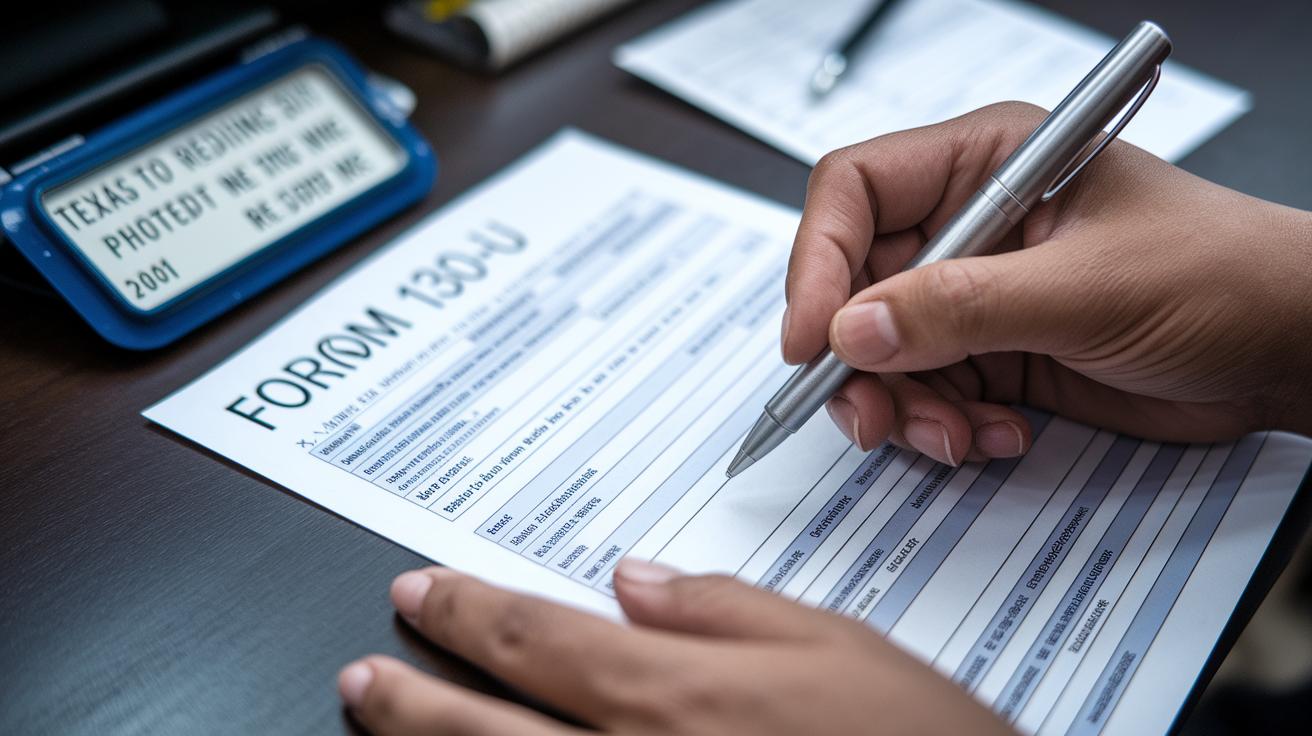
Texas Auto Title Process
In Texas, you'll need to fill out Form 130-U when you’re applying for a new title or transferring ownership. This form asks for key details like your car’s odometer reading (it shows how many miles your car has traveled). You can expect to pay around $33 plus any extra county tax, and processing usually takes 2 to 4 weeks. Online appointment scheduling can help you avoid surprises. Fun fact: many Texas car owners find that an accurate odometer reading can save them from later disputes about mileage!
Florida Electronic Title Instructions
Florida has made things simpler with its new E-TITLE system. You can sign up and track your title’s progress right from the DMV portal. The digital setup lets you instantly retrieve a copy of your title, keeping things both efficient and secure. With online status tracking, you always know where your application stands, which means less hassle with paperwork.
California Replacement Steps
If you lose your title in California, you just use Form REG-227 for a replacement. There’s a fee of about $23, and the process typically takes 6 to 8 weeks. California also offers online appointment scheduling if you need to be seen in person. This form collects all the necessary details about your vehicle so you can easily prove ownership again.
Many states now let car owners book appointments and check application status online. Knowing each state’s requirements, from Texas’s form and fee structure to Florida’s digital system and California’s replacement steps, helps you keep your car documents in order and your proof of ownership secure.
Steps to Obtain, Verify or Replace Proof of Ownership Car Documents
Need to sort out your car paperwork? Follow these easy steps to get new documents, check your proof of ownership, or replace missing papers. Whether you're handling it online or swinging by the DMV, this guide helps you every step of the way.
First up, grab your photo ID and any existing documents. Give them a quick look to make sure everything matches up and proves it's really you.
Next, fill out your state's transfer or duplicate title form. Make sure every field is filled in correctly. This will help you avoid any unnecessary delays.
Then, pay the required fees. They usually run between $20 and $100. After that, book a DMV appointment or use the online portal if you can. Booking ahead can save you a lot of waiting around.
If your car is financed, take a moment to check the lien status. A quick record check at the DMV will show if there’s a lien, which needs to be cleared for full ownership.
After that, verify your car registration by reviewing your DMV records. This ensures that your vehicle’s details are accurate and match your paperwork.
Finally, you’ll receive your proof of ownership, either printed in the mail or available as a digital download. Keep it safe, because having a copy on hand is smart in case of any future issues.
Follow these steps closely to sort your car documents. Double-check each requirement, from fees to identification, and keep copies for the years to come. It’s a simple way to steer clear of any hassles down the road.
Digital & Electronic Proof of Ownership Car Options

Many states now let you get digital titles via secure DMV websites. They work just like paper copies but come in a digital form that means you don’t have to worry about losing or damaging them. You can download a PDF, save it on your device, or even email it to lenders or buyers. Imagine this: a few taps on your smartphone, and your proof of ownership is ready to share.
There are lots of perks to going digital. Here are a few:
- Instant access to your car’s ownership record.
- Secure storage and easy emailing, so you don’t need to handle physical documents.
- Some systems even offer an electronic signature option, giving you quick, temporary proof while the full title is processed.
The process is really straightforward. Once you log into the DMV portal, you just follow a few simple steps to view or download your title online. This secure method not only speeds things up but also gives you peace of mind, knowing your records are available whenever you need them.
Digital proof of auto ownership is a smart, hassle-free solution that fits perfectly with today’s tech-savvy lifestyle.
Proof of Ownership: UK Specifics and V5C Logbook Guidance
In the UK, the V5C logbook is a key document issued by the DVLA that details a car’s registration. It tracks how car ownership shifts from one person to another, making it important for anyone buying or selling a vehicle.
- V5C Logbook: This paper is essential. If yours goes missing, you should call the DVLA right away to get a replacement.
- Local Verification: Always check that the car’s identification number, model, and registration date on the logbook match the actual car. Many have found this simple check helps avoid fraud.
- Lien Checks: Even though the DVLA confirms who owns the car, double-check to ensure there aren’t any unpaid loans or finance agreements tied to it.
- Temporary Alternatives: If you’re in a rush and can’t get a V5C fast enough, you might use a notarized affidavit with your bill of sale as a stopgap until your official document comes through.
Final Words
In the action, we broke down the three key documents you need, your vehicle title, car registration certificate, and bill of sale, to prove legal car ownership. We also shared how state processes differ and the benefits of digital proof options. Our guide walked through steps to verify and replace these documents, along with tips to handle challenges along the way. Keep your proof of ownership car records safe and ready, and you’ll always be prepared for smooth rides ahead.
FAQ
Q: What does proof of car ownership mean without a title?
A: Proof of car ownership without a title means you use alternative documents. Often a notarized affidavit along with a detailed bill of sale verifies your legal right when the title is missing.
Q: How does proof of car ownership work in Texas?
A: In Texas, a DMV-issued title accompanied by Form 130-U, odometer disclosure, and fees confirms car ownership. This combination validates vehicle details and legal possession.
Q: How is proof of ownership managed for a car loan or lease?
A: With a car loan or lease, the title shows a lender’s lien, and a lease agreement or registration adds further evidence. These documents clarify who legally holds the vehicle.
Q: How is proof of car ownership handled in Florida?
A: In Florida, proof of car ownership generally comes through an electronic title. Accessible via the DMV’s online portal, the digital document simplifies ownership verification and status tracking.
Q: Is insurance proof of car ownership?
A: Insurance is not proof of car ownership. Instead, the DMV-issued title, car registration, and bill of sale are the legal documents that establish vehicle ownership.
Q: Can I prove car ownership online?
A: Yes, you can prove car ownership online using digital titles and downloadable registration certificates from secure DMV sites. These eDocuments offer quick, safe access to verified ownership records.
Q: How do I obtain and prove my car ownership?
A: To prove your car ownership, gather your photo ID, the DMV-issued title, registration, and bill of sale. Complete any needed forms and submit payment as required by your state’s DMV.
Q: What documents serve as proof of car ownership in the US?
A: In the US, proof of car ownership typically means having a DMV-issued title, a valid registration certificate, and a bill of sale. Together, these documents confirm legal possession of the vehicle.