
Ever felt the thrill of being free from car payments? When your car is fully paid off, you get more money in your pocket and fewer worries over fixed bills. Imagine having extra cash each month to save up or treat yourself to something fun. With your car paid off, you can relax knowing that the weight of a loan is lifted. This guide shows you how owning your car outright gives you both freedom and smart money moves, opening up a whole world of future possibilities.
Understanding Your Paid Off Car: Definition and Benefits
When you've finished paying for your car, the lender steps back and you get full ownership. No more monthly car loan payments means your car is truly yours, it’s like the feeling you get when you finally drop an extra bill from your budget.
That extra cash can really change things up. You might put it into savings, pay off another debt, or even treat yourself to something special. It’s a relief to know one less fixed expense is holding you back.
Here are some clear wins with a paid off car:
| Benefit | Description |
|---|---|
| Payment Freedom | No more monthly car loan notices |
| Better Cash Flow | Extra money to spend, save, or invest |
| Financial Confidence | Owning your car outright feels empowering |
| Budget Relief | Less stress with no looming loan |
| Planning Flexibility | More freedom to manage and grow your budget |
Owning your car free and clear is more than a milestone, it shows you’re in charge of your finances. With the burden lifted, you open up new opportunities to invest in your future and enjoy life a bit easier.
Securing Your Paid Off Car Title: DMV Procedures and Requirements
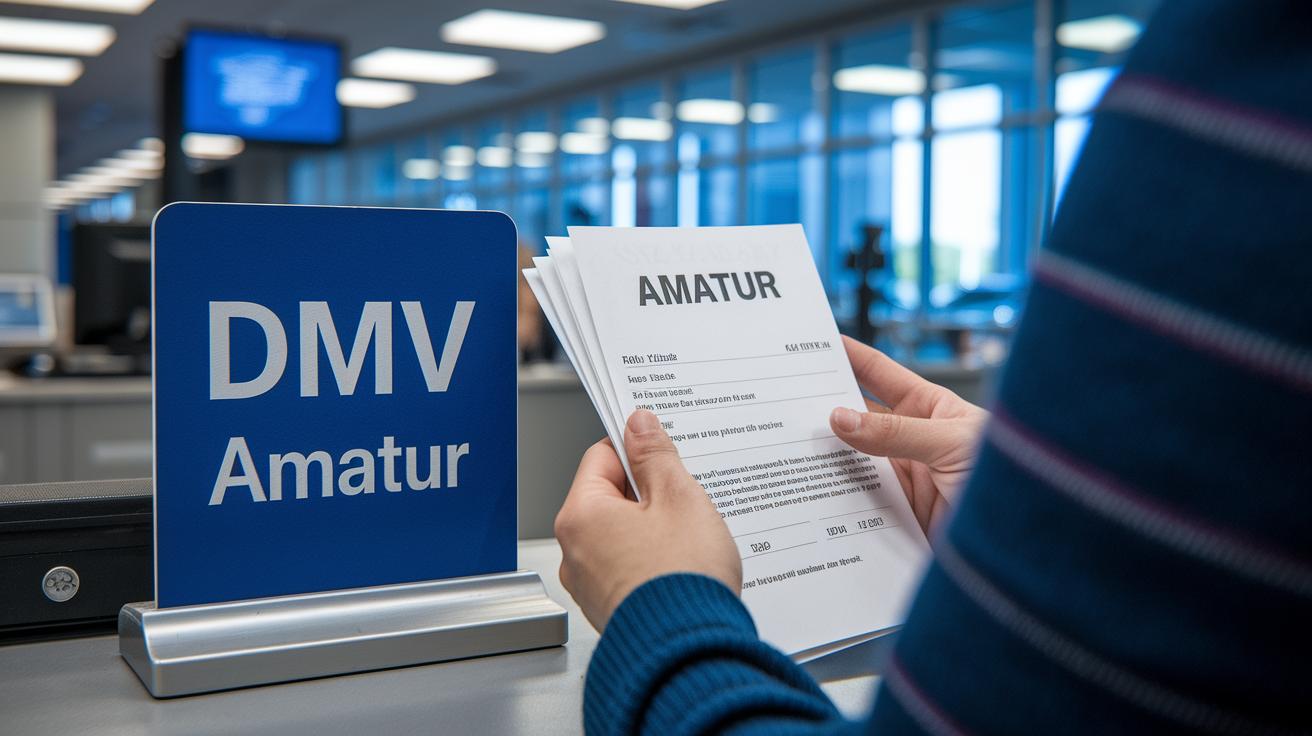
After you've paid off your car loan, the next step is to grab the clear title that shows you own the car outright. This is a key move because it wipes out any lien history and gives you the proper papers for any future transactions.
First, get the payoff letter from your lender that proves your final payment. Then, fill out the DMV forms you need to transfer the title. After that, drop off your payoff letter along with all the necessary paperwork at your local DMV. Don’t forget to pay any title fees your state requires. Also, check if your state issues an electronic title or sticks to a paper title and follow the right process accordingly.
Keep in mind that each state handles this a bit differently. For example, in New York, the DMV updates your title electronically, which speeds things up. But in Texas, you might receive a paper title that you have to pick up at a local office. Knowing your state's specific rules can help you avoid delays and make sure your title clearly shows your car is debt-free. This careful step not only confirms your full ownership but also makes any future transactions involving your vehicle smoother and more secure.
Insurance Adjustments for a Paid Off Car
So, your auto loan is finally done and dusted. That means your insurance needs a little makeover. Before, lenders usually made you keep full coverage plus gap insurance just to protect their stake in the car. Now that the car is all yours, you can drop those strict insurance rules.
Here are three ideas to think about:
- Lower your liability limits. This can trim your premium while still giving you the coverage you need.
- Take out gap insurance. With no lender to worry about, it’s no longer necessary.
- Shop around for a new insurer. Chances are, you’ll find some competitive rates now that you own the car outright.
Rethinking your insurance can really save you money each month. Many drivers discover that switching policies or renegotiating their current one fits their needs much better now. Plus, those extra dollars can go toward other goals, making your ride a bit more relaxing and stress-free.
Credit Impact of Your Paid Off Car Loan Clearance

After you pay off your auto loan, you might notice your credit score drop a little. It happens because that loan was your only installment account, and the change takes a bit of time for the credit bureaus to update. Don't stress too much, this dip is usually temporary.
Here’s what you should do:
- Wait for about one month before checking your credit score.
- Get your credit reports from all three bureaus.
- Make sure the loan shows as paid in full and that there are no late payment notes.
Once your report is updated, you should see some solid long-term benefits. Clearing that auto debt can improve your credit mix and lower your debt-to-income ratio. Over time, these improvements might help you get better interest rates or easier approval for future loans. And by checking your FICO® Score after a while, you'll get a clear picture of how your credit health is bouncing back as you celebrate this big financial milestone.
Leveraging Equity in Your Paid Off Car for Trade-In or Sale
Now that you've finished paying off your car, you have a hidden gem at your fingertips. With no more loans, your car’s equity is at its peak, meaning it can do more than simply get you from point A to B. It’s like a bonus asset that can help you meet your financial goals. Maybe you’ll sell it on your own, trade it in at a dealership, or use it as collateral for a new loan. Ever thought of your car doing double duty? If you're shopping for a new ride, a trusted car buying guide can offer some really handy tips.
| Option | Benefit | Considerations |
|---|---|---|
| Private Sale | Could earn you more cash | Takes time with marketing and ensuring a secure payment |
| Dealer Trade-In | Fast and easy process | Might not get you as much money as a private sale |
| Collateral Use | Access cash without selling your car | May affect your future borrowing capacity |
When it comes to getting the best deal, doing your homework really pays off. Spend some time checking out market prices so you know what your car is really worth. A private sale might mean a little extra effort, but it could bring in more profit. On the other hand, a trade-in gives you convenience if you're ready to upgrade soon. Each option has its own benefits and challenges, so give them a thought and choose the one that fits your needs best.
Financial Planning After Your Paid Off Car Loan

Now that your car is paid off, those monthly payments turn into extra cash for other plans. You can use this money to boost your savings, pay off lingering debts, or even kickstart new investments. Think of it as extra breathing room in your budget that opens up a world of possibilities for your financial future.
Here’s a simple step-by-step guide to help you put that extra money to work:
-
First, check for any prepayment fees. In some states, like 36 and Washington D.C., you might face charges of up to 2% on loans that are 60 months or less. Make sure you know if any fees apply.
-
Next, figure out how much interest you’ve saved by paying off your loan early. That number can really motivate you to make smart money choices going forward.
-
Then, set some fresh budget goals. With a big debt out of the picture, decide what matters most, perhaps saving for a house, building up an emergency fund, or investing in your future.
-
After that, explore investment options. With extra funds available, look into ways to steadily build your wealth over time. Consider things like certificates of deposit or low-cost index funds (these are investment funds that track a specific market index at a low fee).
-
Finally, revise your financial plan. Update your monthly budget to match your new expenses and savings goals so that every dollar is working as hard as it can for you.
Online payoff calculators and cost-benefit analysis tools can be super useful, too. These resources break down the numbers in a clear way so you can see exactly how shifting your funds makes a difference in your overall financial picture.
Final Words
In the action, this post broke down what it means to own a paid off car and why that milestone matters. We covered everything from releasing the lien, handling DMV steps, and fine-tuning your insurance, to understanding your credit and using equity wisely.
By following these simple steps, you can confidently navigate loan-free auto ownership while maximizing your savings. Enjoy the fresh start and drive forward knowing your paid off car brings financial relief and peace of mind.
FAQ
What does it mean if a car is paid off?
The term “paid off car” means your auto loan is complete. The lender removes its lien, and the vehicle title is fully transferred to you, granting total ownership without monthly payments.
What are the benefits of having a paid off car?
Having a paid off car means no more monthly loan payments, extra cash in your budget, and relief from debt. It marks a key financial milestone and gives you full control of your vehicle.
What do I do after my car loan is paid off?
After your loan is paid off, you should secure your title from the lender, update DMV records, and review your insurance policy. This transition lets you enjoy debt-free auto ownership while planning future expenses.
How does paying off a car loan affect your credit?
Paying off a car loan might cause a brief dip in your credit if it was your only installment account, but long-term, your credit benefits from having a fully paid account and an improved debt-to-income ratio.
What does the DMV require after paying off your car?
After paying off your car, you must submit a payoff letter and complete DMV forms to update your title. This step confirms that the lien is removed and you are now the sole owner.
Are paid off cars available for sale?
Paid off cars for sale mean buyers receive vehicles free of existing liens. This clear title often leads to smoother transactions, higher resale values, and increased buyer confidence in the purchase.
How much is a $30,000 car payment for 60 months?
A $30,000 car loan over 60 months includes monthly payments based on interest rates and credit scores. Using a loan calculator can help estimate the exact amount you’d pay each month.
What does “paid off car Reddit” refer to?
“Paid off car Reddit” stories share real-life experiences from owners who settled their auto loans. The threads offer practical tips, advice, and personal reflections on reaching a debt-free vehicle milestone.
Is it good to have a paid-off car?
Owning a paid-off car is beneficial. It eliminates monthly payments, frees up funds, reduces financial stress, and represents a major accomplishment in managing large expenses over time.