
Ever notice a strange noise from your wheel and wonder what might be wrong? It can feel like your car is trying to tell you something. Our guides break things down into simple, easy steps so you can fix common issues on your own, saving both time and money.
In this article, you'll find DIY tips even beginners can follow. You’ll learn how to check fluid levels or replace filters, just like a good friend showing you the ropes. Ready to take charge of your car repairs and make maintenance feel fun and easy? Let's dive in.
Comprehensive Car Repair Guides: What You’ll Learn
These guides cover lots of topics, from fixing small issues yourself to keeping up with basic maintenance. They show you how to fix common problems like oil leaks, odd noises, or a loss in performance. Think of it as your buddy mechanic’s cheat sheet. You'll find clear steps for replacing filters, checking fluid levels, and even tackling some tougher repairs. It’s a bit like following a recipe for your favorite meal.
When you work on today’s cars, having the right data is key. Up-to-date OEM info helps you know the exact torque values (the force needed to secure bolts properly) and understand wiring diagrams. This is very handy for modern engines that mix in hybrid tech and electronics. Plus, with tools like OBD-II scanners, you can quickly zero in on any problem. Knowing just how much to tighten a bolt can stop leaks or other issues later.
The real strength of these guides comes from their clear procedures and safety tips. With step-by-step instructions and expert advice, you cut down repair time and grow more confident with every job. By following these proven methods, you not only work safely but also get better at car repairs. Soon enough, even those tricky fixes will feel like easy, doable tasks.
Car Repair Guides: Essential Tools, Parts & Safety Measures

Before you dive into a DIY repair, make sure your toolbox is full and your parts list is ready. Modern cars have lots of complicated systems. Using the right tools and the correct parts saves you time and helps you avoid mistakes. It’s a bit like building a model airplane, you need every piece to see it fly right. A parts list in your repair manual keeps you set before you even start unscrewing a bolt or swapping out a gasket.
Every tool in your kit plays its part. A torque wrench makes sure bolts are tightened just right to stop leaks and damage. A diagnostic scanner reads engine codes and system errors, so you can find problems fast. Jack stands lift your car safely when you need to work underneath. And, using OEM filters, gaskets, and fasteners keeps your repairs true to your car’s design. It’s like following a trusted recipe to get that perfect dish.
Safety matters just as much as having the right gear. Before you begin any repair, disconnect the battery to avoid accidental shorts. Always put on your gloves and safety glasses to protect against splashes or flying debris. Using a simple checklist, like checking torque values and ensuring parts fit properly, helps spot problems early. This way, every repair is secure and keeps both you and your car in top shape.
Step-by-Step Car Repair Guides for Common DIY Procedures
Ready to dive into fixing your car while feeling confident? We take you through three simple repairs with clear, numbered steps. Whether you're new to doing repairs or you’ve been at it for years, these guides will help you along the way.
Oil Change Procedure
Changing your oil doesn’t have to be complicated. Follow these friendly steps:
- Find the drain plug under the oil pan.
- Let the old oil flow out completely into a proper container.
- Swap out the old oil filter for a new one.
- Tighten the drain plug just right, stick to the car maker’s recommended tightness.
- Pour in the oil grade your engine needs.
- Check the level with the dipstick.
- Look around for any leaks to avoid problems later.
Brake Pad Replacement
Replacing worn brake pads can seem tricky, but breaking it down makes it manageable:
- Lift your car with a floor jack and keep it safe with jack stands.
- Remove the wheel so you can see the brake parts.
- Unbolt the caliper from its bracket.
- Take out the old brake pads and put in new ones.
- Press back the piston in the caliper so the new pads fit snugly.
- Reattach the caliper onto the rotor.
- Tighten the caliper bolts to the manufacturer’s specs.
- Test the pedal feel to be sure your brakes are working the way they should.
Tire Replacement
Switching out a tire can be a small adventure. Just follow these steps:
- Loosen the lug nuts on the tire before you lift the car.
- Raise the vehicle with a jack and secure it with jack stands.
- Remove the damaged tire and replace it with a spare or new one.
- Hand-tighten the lug nuts to hold the tire in place.
- Carefully lower the car back to the ground.
- Tighten the lug nuts to the correct setting so they’re not too loose or too tight.
Happy repairing! Enjoy the process, and remember each step helps keep your car safe and running smoothly.
Car Repair Guides: Troubleshooting Common Vehicle Issues

Begin by running through a simple checklist to nail down what’s wrong with your car. Grab an OBD-II scanner to pull codes that give you clues about any issues. These codes act like a roadmap, showing you where to focus your attention. Then, give your engine and nearby parts a good once-over for signs of wear or loose pieces. Wrap this up with a step-by-step test plan that guides you on which parts to check first.
Engine misfires can be a real head-scratcher. Start by looking at your spark plugs to ensure they’re doing their job. Next, check the fuel system to confirm the correct mix is getting to the engine. Also, inspect the sensors since even tiny faults can send the wrong signals and mess with performance. It’s a bit like a DIY checklist, each step builds on the one before, helping you zero in on the root cause.
If you notice your transmission slipping, a methodical approach works best. First, check your transmission fluid level; low fluid is a common culprit in shifting problems. After that, inspect the filter because a clogged filter can block fluid flow, leading to further issues. Finally, go over the electronic controls that manage your gear changes. Think of this process as a guide that ensures every part works in harmony.
When electrical problems pop up, start by testing your battery voltage with a multimeter, often a weak battery can trigger other errors. Then, check the alternator’s output to make sure it keeps your battery charged properly. Lastly, give all the wiring a close look to spot any loose or damaged connections. This step-by-step electrical guide helps pinpoint faults so you can get back on the road with confidence.
Car Repair Guides: Maintenance Scheduling & Preventative Care
Taking care of your car means setting up a regular schedule to catch small issues before they turn into big problems. A steady routine not only saves you time but also stops expensive breakdowns. For instance, you can plan to change your oil every 5,000 miles and check your brakes every 10,000 miles. Using the parts list in your repair manual and the labor time estimates makes it easy to tick off each task on your maintenance checklist.
| Maintenance Task | Interval | Notes |
|---|---|---|
| Oil & Filter Change | 5,000 miles | Keep engine clean and efficient |
| Air Filter Replacement | 15,000 miles | Ensure proper air flow |
| Brake Inspection | 10,000 miles | Check pads and rotors for wear |
| Spark Plug Replacement | 30,000 miles | Keep the engine running smoothly |
| Coolant Flush | 50,000 miles | Stop overheating issues |
| Transmission Service | 60,000 miles | Replace fluid and inspect filter |
Sticking to a maintenance checklist cuts down on surprise repairs and helps your car run longer. It turns every visit to the mechanic into a quick tune-up rather than a major repair. Regular care gives you extra peace of mind every time you hit the road.
Car Repair Guides: Expert Resources & Downloadable Tutorials
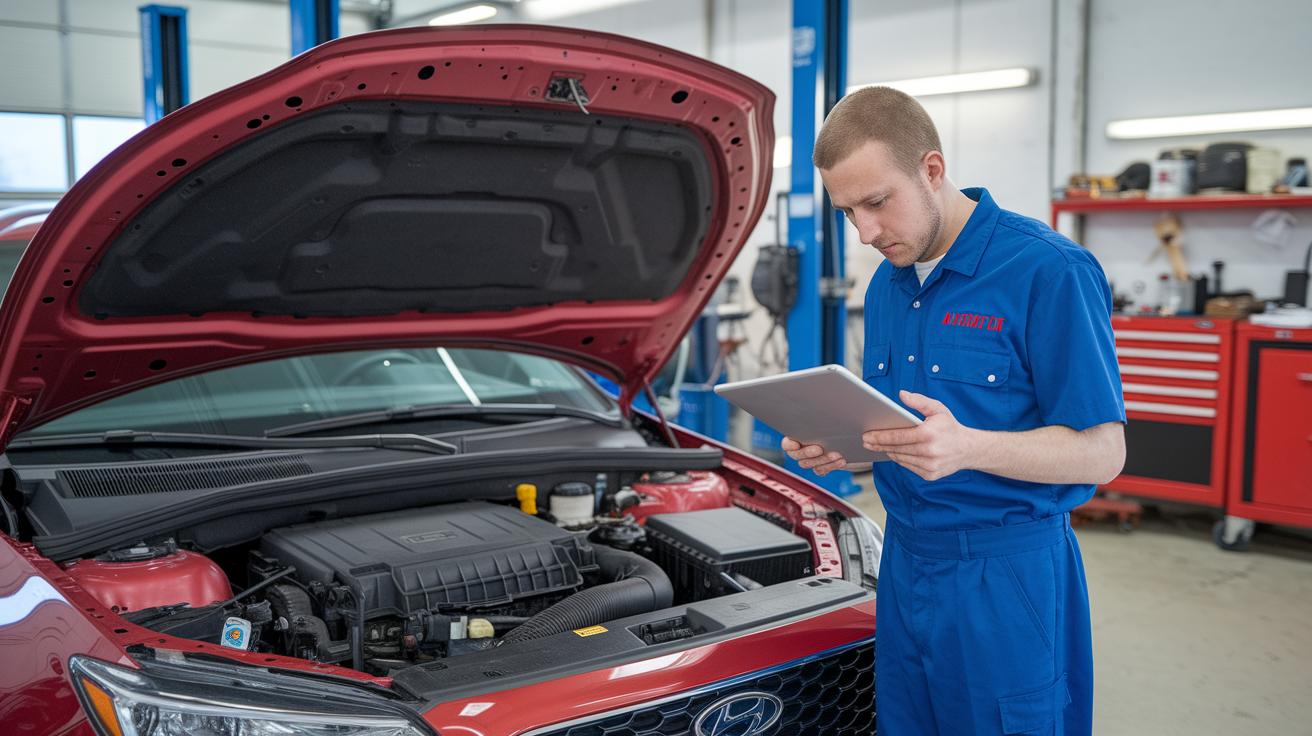
Get ready to boost your car repair skills with simple, hands-on guides and tips. Whether you’re a seasoned mechanic or a weekend DIYer, these resources are here to help. You’ll find everything from official service manuals to popular guides like Haynes and Chilton. Digital subscriptions such as ALLDATAdiy offer huge libraries of vehicle info, while free sites like AutoMD have plenty of familiar, useful content. And if you ever hit a roadblock, video tutorials and community forums give you real-world tips to tackle any repair challenge.
Digital Manual Platforms
Digital manuals bring together official service details, trusted aftermarket guides, and cloud-based subscriptions all in one spot. They’re packed with easy, step-by-step procedures so you can work on your car without second-guessing your methods. Ever felt unsure about your repair steps? Now you’ve got a clear guide right at your fingertips.
Video & Forum Support
Video tutorials from popular YouTube channels add a visual twist to detailed manuals. And community forums become a go-to space where mechanics and DIY enthusiasts share repair tips and tricks. It feels like having a friend in the garage who’s always ready to help.
PDF & Mobile App Downloads
When you’re out and about, downloadable PDFs and mobile apps are a lifesaver. These tools give you quick repair references right on your device. With both free and paid options available, you can easily grab the info you need, anytime and anywhere.
Final Words
In the action of exploring car repair guides, this article broke down essential DIY fixes, troubleshooting tips, and maintenance scheduling in clear, digestible steps. We reviewed OEM data, proper tool selection, and safety practices that help reduce repair errors and save time.
The guide also covered expert resources and downloadable tutorials to boost your DIY confidence. Enjoy every moment spent learning and practicing on your car repair guides as you build a solid foundation for smart, hands-on auto care.
FAQ
Car repair guides pdf free download
The phrase “car repair guides pdf free download” indicates resources for downloading repair manuals at no cost. These guides offer help for DIY fixes by outlining step-by-step procedures and maintenance tips.
Car repair guides pdf
The term “car repair guides pdf” means digital manuals available in PDF format. These manuals help with routine maintenance and troubleshooting by providing clear, concise instructions and tool recommendations.
Free car repair manuals PDF download
The phrase “free car repair manuals PDF download” shows that no-cost downloadable manuals are available. They provide essential repair information and step-by-step guidance for common automotive fixes.
Free online vehicle repair manuals
The term “free online vehicle repair manuals” means you can access digital repair guides via the internet. They offer detailed instructions, OEM data, and safety guidelines to assist with DIY car repairs.
Car repair guides free
The expression “car repair guides free” refers to complimentary resources rich in practical repair instructions and troubleshooting tips. These guides help boost DIY confidence and cut repair times with easy-to-follow advice.
Chilton Repair Manual
The “Chilton Repair Manual” is a trusted resource known for its clear, step-by-step instructions and diagrams. It provides expert advice, making it easier to tackle repairs and maintenance safely.
Best free car repair manuals PDF download
The phrase “best free car repair manuals PDF download” suggests top-notch, no-cost digital repair guides. These manuals cover comprehensive DIY procedures and essential safety tips, ensuring a smoother repair experience.