
Ever wondered what to do when your engine starts to overheat on a hot summer day? Overheating can quickly harm your engine and leave you stuck on the side of the road.
This guide gives you smart, easy fixes to keep your car running safely and help you dodge expensive repairs. We explain simple steps to cool down your engine and what to do when your dashboard starts to warn you.
Stick around and learn how a few quick moves can protect your ride and give you peace of mind wherever the road takes you.
Immediate Response to Car Overheating
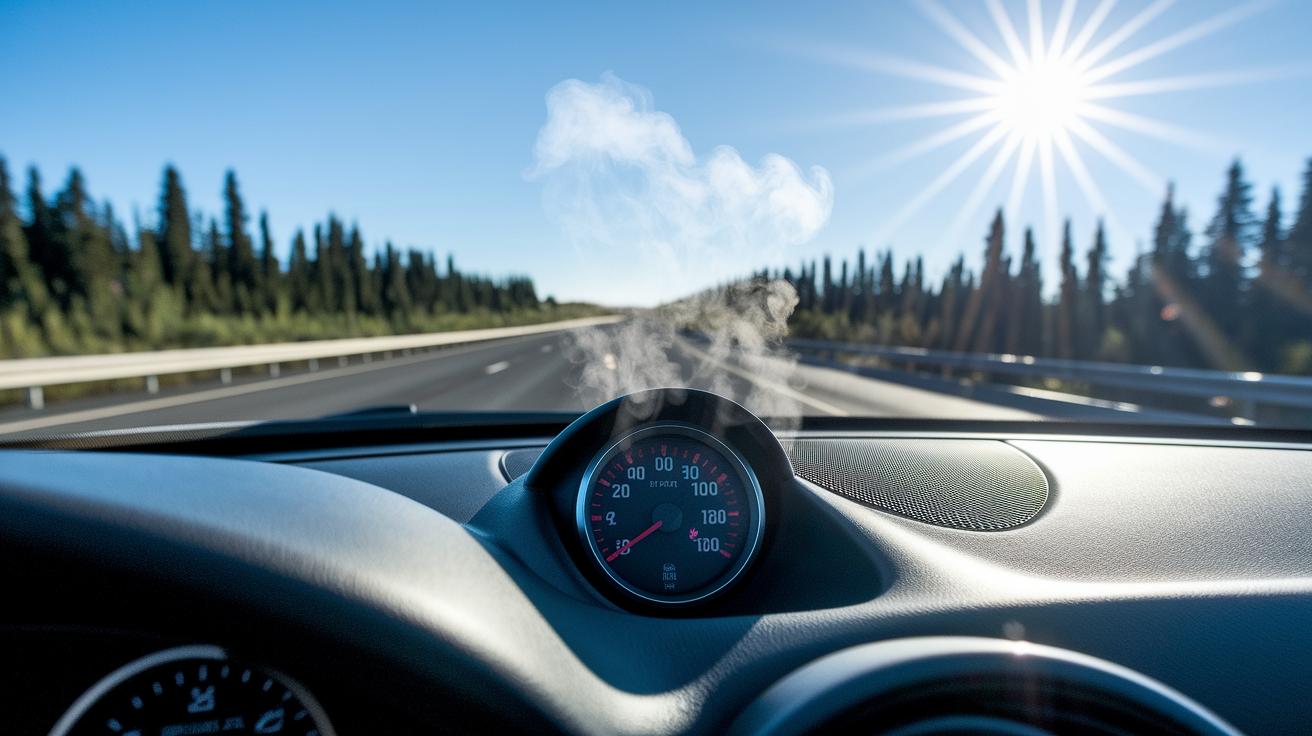
When summer hits hard and the heat ramps up, your car's engine can warm up way too fast. Overheating isn't just a bother, it can really damage your engine's metal parts and put you at risk. So, if your dashboard starts to warn you that the engine is too hot, it's time to act quickly.
Your engine is happiest when it's kept at just the right temperature. If it gets too hot, parts inside can warp or crack. Watch that temperature gauge closely. If it shifts into the red or you see steam coming from under the hood, that's your sign to cool things down fast. A few quick moves, like pulling over safely and turning the cabin heat to max while shutting off the air conditioning, can help prevent long-term damage like warped cylinder heads or cracked engine blocks that might end up costing a lot to fix.
- Pull over to a safe, level spot and turn off your engine.
- Switch the cabin heat to maximum and turn off the air conditioning.
- Let your engine cool for 10 to 30 minutes.
- Once the engine has cooled, carefully open the hood and the radiator cap.
- Check the coolant reservoir and top it off if it's low.
- Don't restart the engine until all the steam or smoke has cleared.
Keep a close look on your car when it shows signs of overheating. Paying attention to the temperature gauge and taking these quick steps can save you from pricey repairs later. Remember, a little care now means a safer ride later on.
Common Causes of Car Overheating
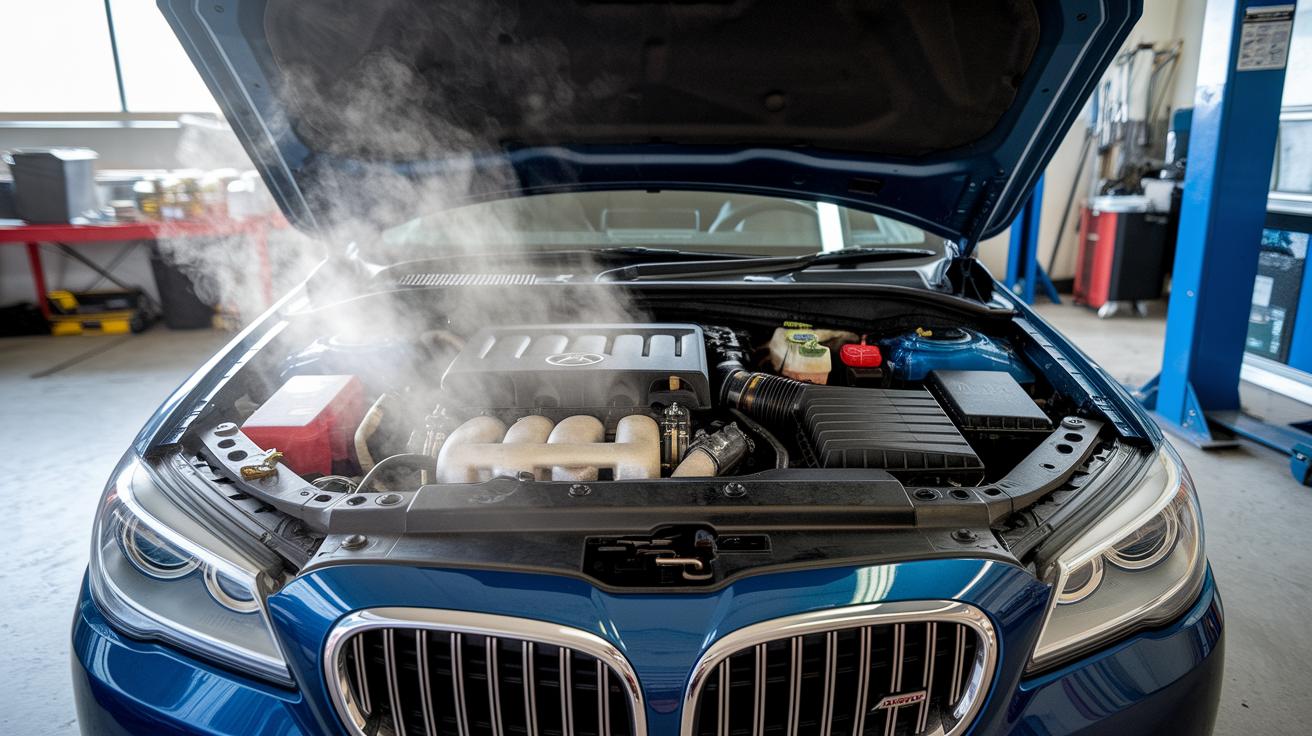
Engine overheating usually happens when the car's cooling fluids or parts aren’t doing their job. When the cooling system fails to work right, the engine heats up quickly, stressing out all its parts. Often, this means the fluid levels are low or some parts are worn out and need a fix.
If there isn’t enough coolant, maybe because of a leak or evaporation, the engine can’t absorb heat properly. Sometimes, dirty or dark engine oil will even come with knocking sounds, which is a clue that oil levels are low and friction is building up. Plus, if the cooling fans aren’t working or the expansion tanks are damaged, the air needed to cool the engine isn’t moving like it should.
Worn or cracked belts and hoses can stop the coolant from flowing steadily. Clogged radiator fins or a blocked heat exchanger might trap too much heat, making the situation dangerous. And a faulty thermostat might not regulate the coolant properly. All these issues together can make the engine heat up way past its safe temperature.
Diagnosing Engine Temperature Spikes
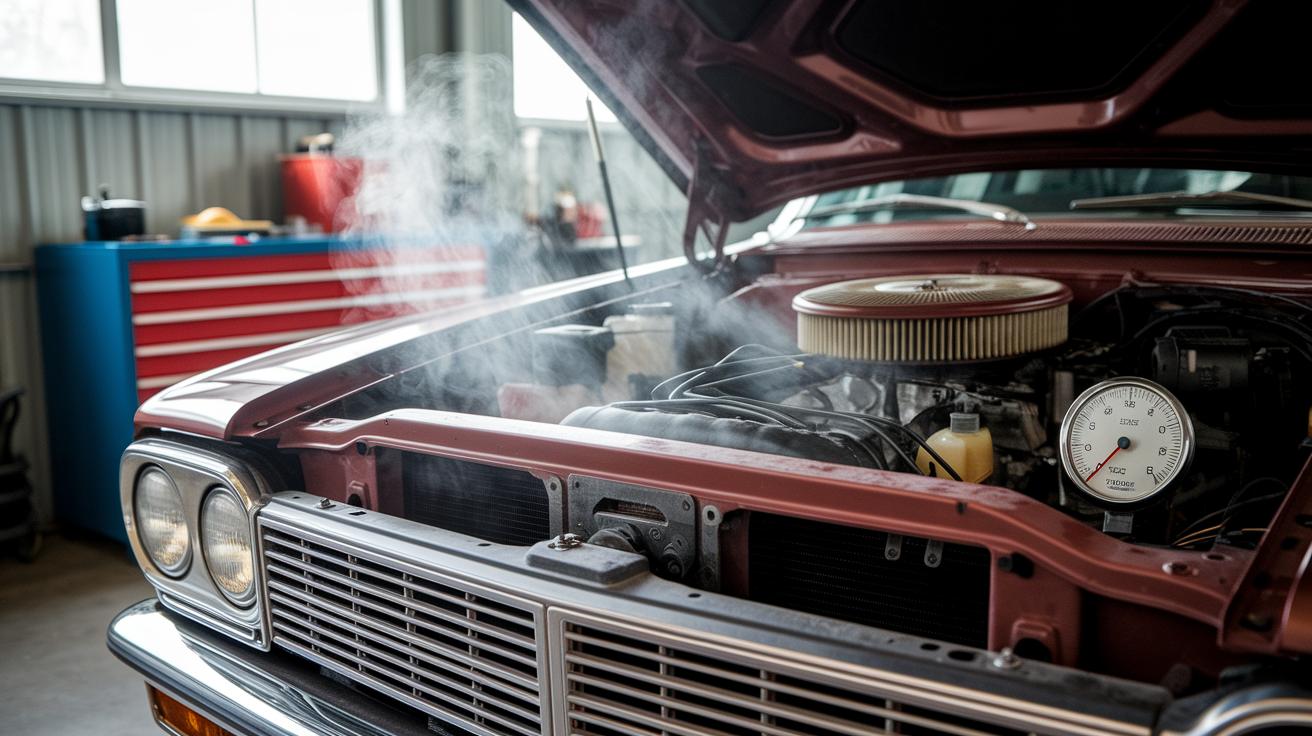
If you see your engine’s temperature meter dart into the red or notice that H warning, it’s a sign to start checking things out. You might spot steam coming from under the hood, or catch a sweet or burning smell, or even a hot oil odor. These clues mean something’s off with your car. In this guide, we walk you through simple, clear steps to find out why your engine is overheating. With everyday tools and a close look at your gauge, you can find sensor issues or leaks in key spots. A quick peek with an OBD-II scanner or an infrared thermometer can help you see exactly where the heat is coming from, whether it’s a bad sensor, a leaky hose, or a radiator cap that isn’t working right.
Checking the Temperature Gauge
Start by keeping an eye on the temperature gauge. When you’re idling, watch the needle closely. If it suddenly shoots into the red, that’s your first clue. On the road, warning lights popping up call for extra attention. These signs tell you your engine might be in trouble, so it’s best to check it out sooner rather than later.
Using Diagnostic Tools
A handy OBD-II scanner can pull up error codes from a misbehaving coolant sensor, pointing you in the right direction. Pair that with an infrared thermometer to get temperature readings from parts like the engine block and radiator. These tools help you zero in on hot spots and figure out if the sensor is off or if there’s another issue causing the spike.
Performing a Pressure Test
After your engine has cooled down, carefully remove the radiator cap and attach a pressure tester to the reservoir. Pump the system up to the pressure levels the maker recommends, and watch for any drop. A noticeable loss in pressure could mean there’s a leak in the hoses, radiator, or expansion tank. This test is key for spotting the cause of your overheating troubles.
Car Overheating: Smart Fixes for Safer Rides
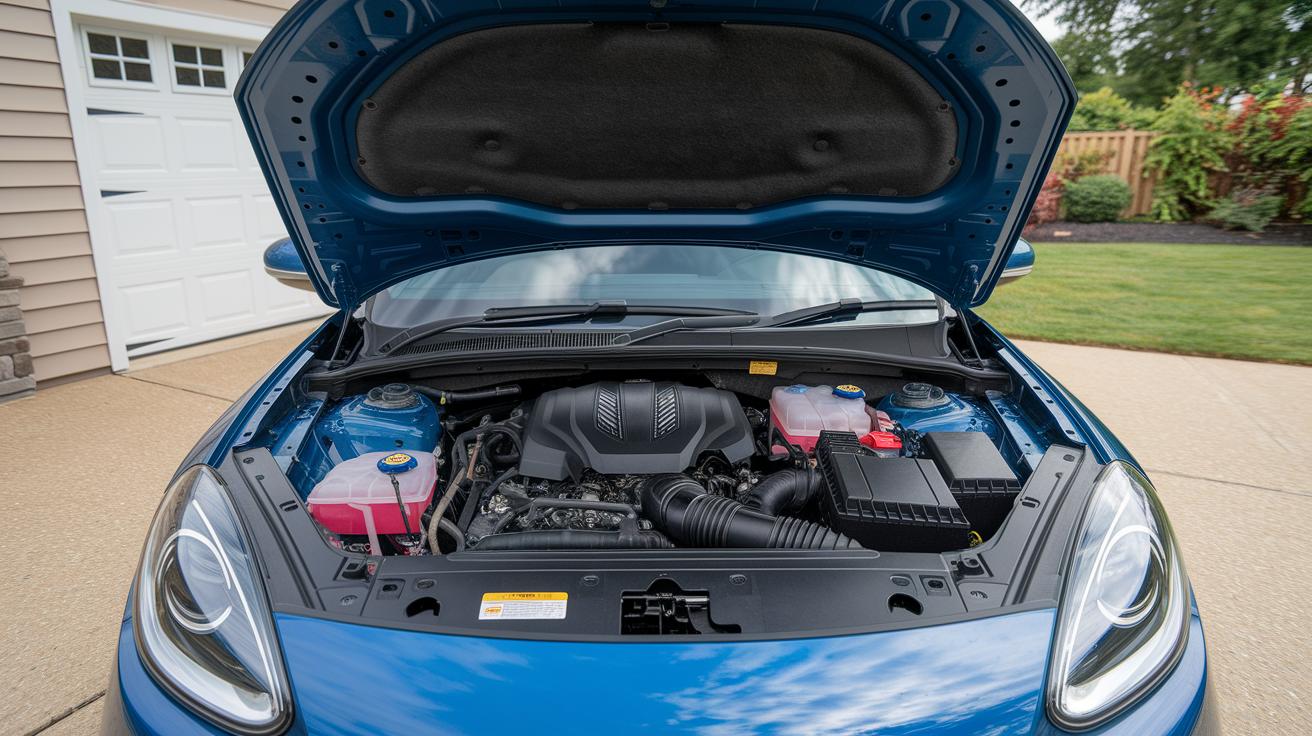
When your engine gets too hot, crank up the cabin heat. This helps pull the heat away, so you avoid splashing cold water on a hot engine which can cause even more damage. Sit tight and let the engine cool off naturally. Keep safety in mind, it’s a stressful situation, but a calm approach goes a long way.
Once things have cooled down, check the coolant reservoir. Fill it up with distilled water or the right mix of coolant (for more details, check out "Changing Coolant in Car"). If you spot a wobbly radiator cap or a small hose leak, it might be time to replace the cap or add a stop-leak product temporarily. This should hold you over until you can get to a repair shop.
When to Seek Professional Overheating Repair Solutions
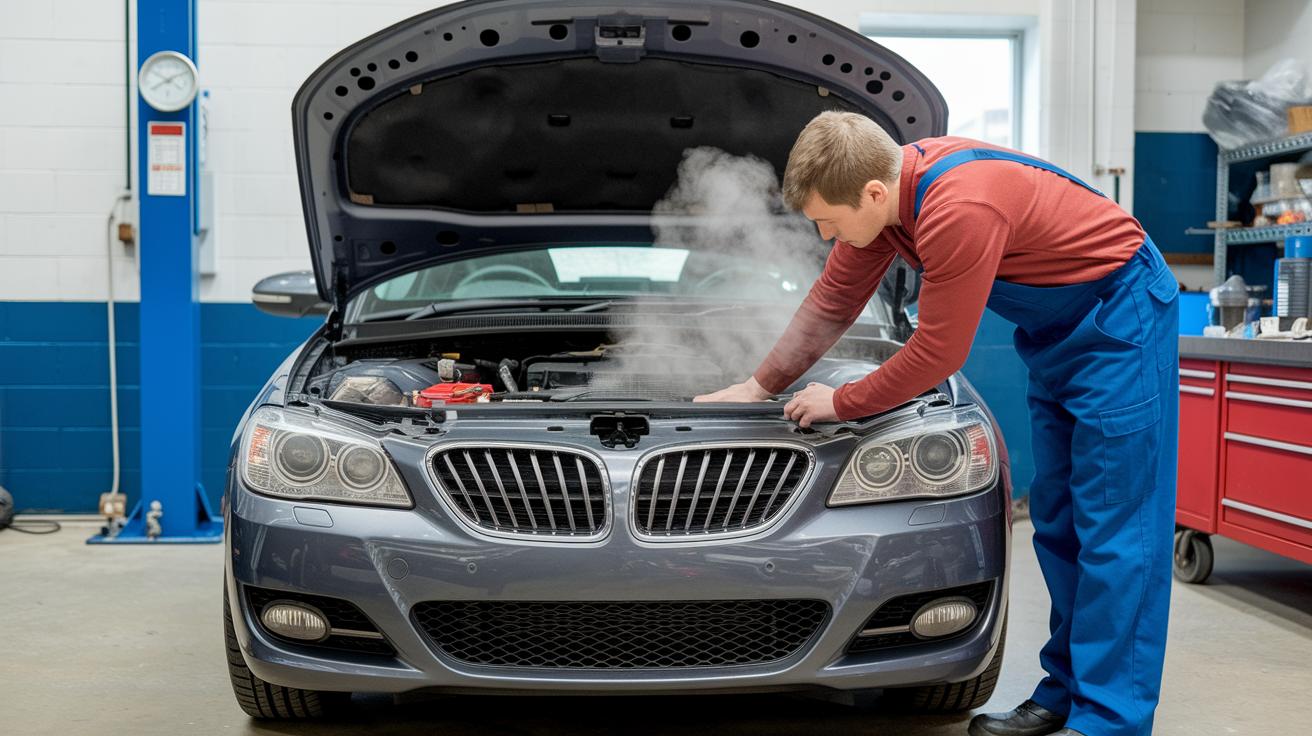
If your car starts to overheat and you see the temperature gauge hitting red or notice steam coming out, it’s a sign to call in a professional. Overheating can lead to serious issues like warped heads, cracked engine blocks, or a blown head gasket. A skilled auto tech will check for sensor glitches or hidden leaks that you might miss with a quick roadside look.
Some fixes might include a full coolant flush, which usually runs between $100 and $150, or repairing or replacing the radiator, costing anywhere from $300 to $1,000. A trusted repair shop will also inspect parts like the water pump and thermostat. For example, water pump repairs typically range from $250 to $500, while thermostat replacements are around $100 to $200. And if your belts or hoses are worn, replacing them may run you between $50 and $200.
Taking care of these repairs is key to preventing recurring overheating and keeping your engine in good shape. Getting expert advice quickly not only safeguards your car’s performance but also helps extend its lifespan.
Preventive Maintenance Strategies to Avoid Car Overheating
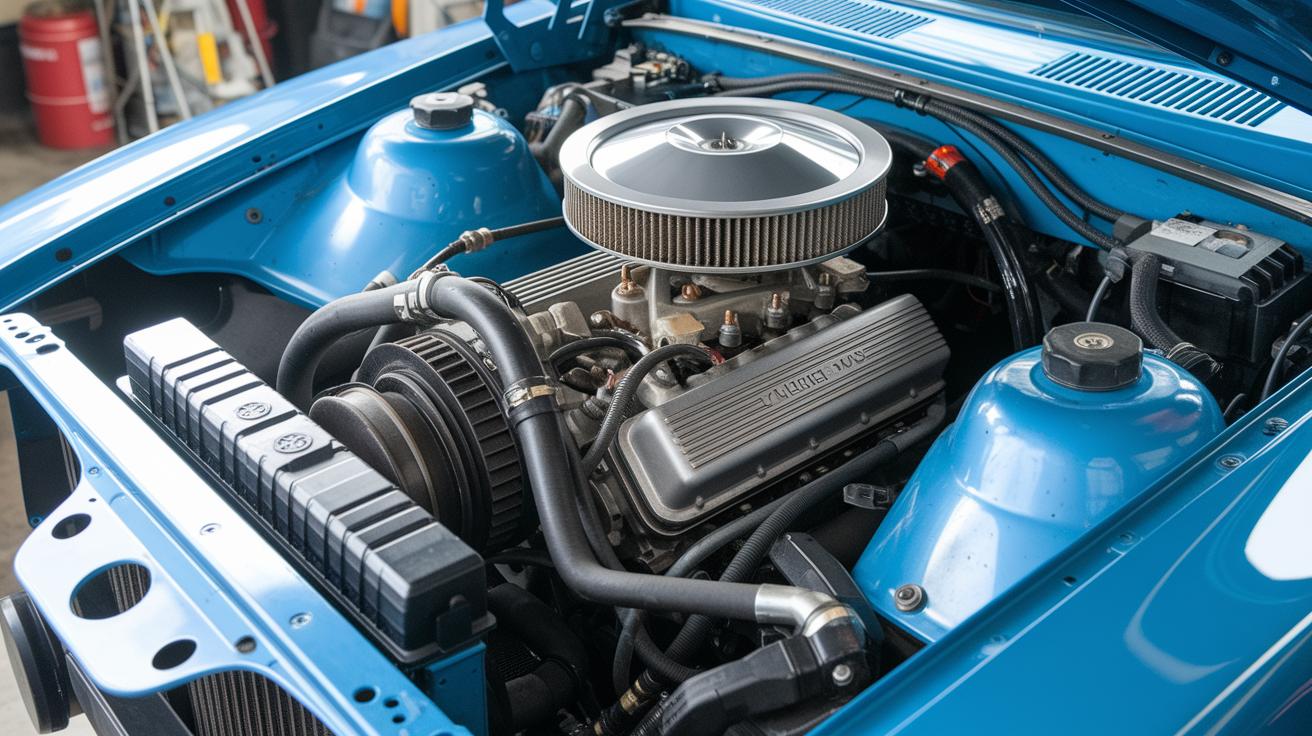
Keeping your engine cool starts with a simple, regular care routine. Try to flush your coolant every 30,000 miles or every two years to keep things running smoothly. It really helps to check your hoses and belts each time you change your oil and clean the radiator fins every year. Also, a monthly look at your coolant level goes a long way in preventing heat buildup. And don’t forget to test your water pump impeller and thermostat every 50,000 to 100,000 miles to catch any hidden problems early.
Before you hit the road on a long summer trip, a tune-up can be a smart move. It’s not just about a coolant flush; it’s about making sure your whole cooling system is in good shape. Taking a little extra time to follow car care tips can catch small issues before they turn into big, expensive repairs. Keeping up with these tasks means your engine stays at a safe temperature even on the hottest days.
| Service Task | Frequency | Typical Cost |
|---|---|---|
| Coolant Flush | Every 30,000 miles or 2 years | $100 – $150 |
| Hoses & Belts Inspection | At every oil change | $20 – $50 |
| Radiator Fins Cleaning | Annually | $30 – $75 |
| Water Pump & Thermostat Test | Every 50,000–100,000 miles | $50 – $150 |
Upgrading and Maintaining Cooling System Components
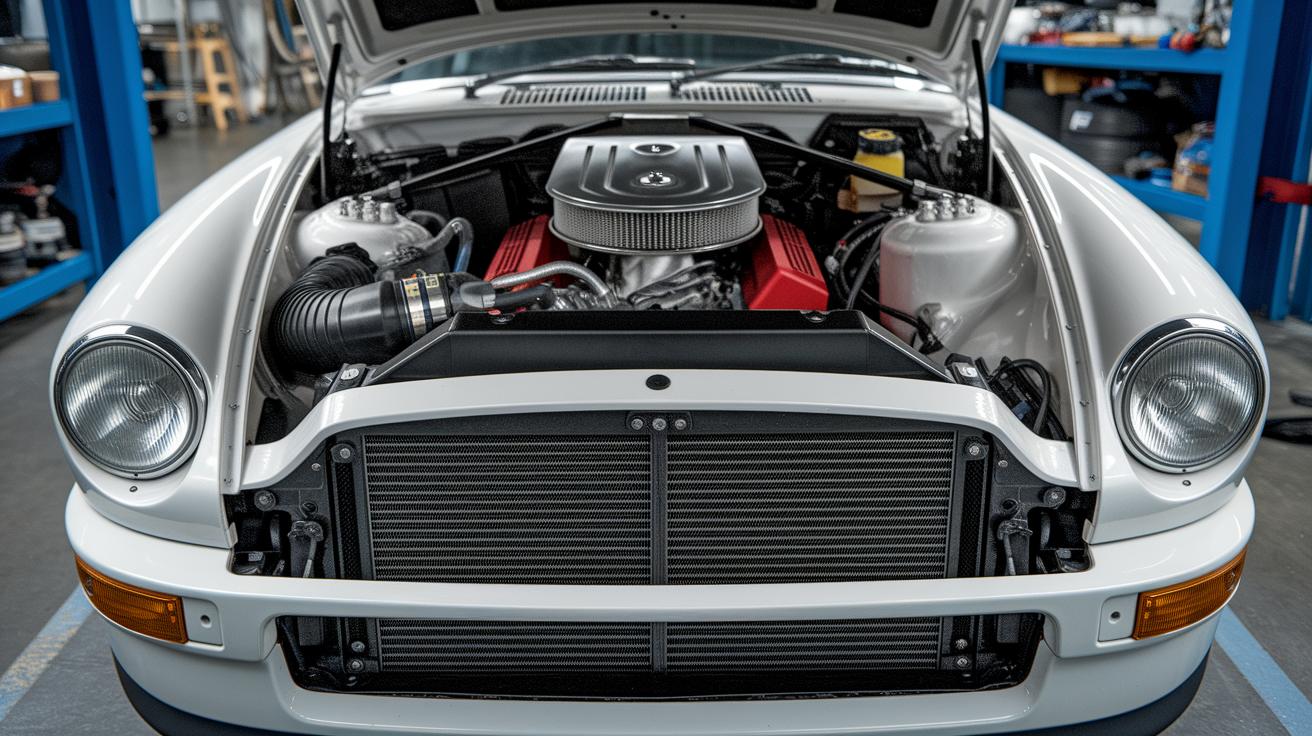
When your car starts to heat up too much, simple fixes might just not cut it. Upgrading your cooling parts helps keep your engine cool and your drives safe. By taking care of things like the coolant mix, the radiator's ability to shed heat, and reliable fan performance, you get better control over your engine's temperature. This kind of upgrade not only extends your engine's life but also boosts its overall performance.
Optimizing Coolant Mixture
Using a balanced 50/50 mix of antifreeze and water keeps your engine from freezing or boiling over. This blend helps regulate temperature while also protecting against rust and corrosion. When your coolant flows smoothly, it safeguards the important parts of your engine. For more tips on getting the mix right, check out car coolant.
Upgrading Radiator Performance
High-flow aluminum radiators work wonders by increasing the surface area available for cooling and improving airflow around the engine. Upgrading to a high-capacity radiator is especially helpful during long drives in hot weather. These radiators are built to handle extreme conditions and clear away stubborn hotspots, which means your engine runs better overall.
Improving Cooling Fan Operations
Switching to an electric fan kit can make a big difference. These fans offer adjustable control that traditional mechanical fans just can’t match. With the right settings, electric fans improve airflow even when the engine is under heavy load. Regular checks on fan motors and resistors help keep everything running smoothly so you can avoid overheating. Upgrading your fan system gives you extra control over engine temperature and adds an extra layer of safety.
Final Words
In the action of tackling a heated engine, we outlined steps to manage car overheating safely. We detailed immediate actions, causes behind engine temperature spikes, home fixes, and when to get professional help.
We also shared maintenance tips and ideas for updating cooling system parts. Each measure helps keep your engine in check and your drive worry free. Keeping your car's cooling system in top shape gives you the confidence to hit the road with ease.
FAQ
Car overheating repair cost
The car overheating repair cost depends on what parts need attention. A coolant flush may run around $100–150, while radiator, water pump, or thermostat repairs can reach up to $1,000.
Car overheating causes
The car overheating causes include low coolant levels, a failed radiator fan, a broken thermostat, clogged passages, worn belts, and leaks that prevent proper heat dissipation.
Temporary fix for overheating car
The temporary fix for an overheating car is to pull over safely, turn off the engine, switch the cabin heat on high, and let the engine cool down before checking the coolant level.
How to fix overheating car
Fixing an overheating car means stopping the drive, letting the engine cool, topping off coolant if needed, and inspecting belts, hoses, and fans. Professional help is best if problems persist.
Car overheating symptoms
The car overheating symptoms show up as a rising temperature gauge, visible steam, or a burning smell. These signs mean the engine is getting too hot and needs immediate attention.
Engine overheating but coolant full
An engine overheating while the coolant is full might signal a blocked coolant flow, a faulty thermostat, or a malfunctioning radiator fan, all of which can stop the engine from cooling properly.
What are 10 common causes of overheating
The 10 common causes of overheating include low coolant levels, coolant leaks, a bad thermostat, malfunctioning fans, clogged radiator passages, broken belts, air pockets in the system, faulty water pumps, sensor issues, and radiator blockages.
Car overheating when idle
Car overheating when idle often points to a non-working cooling fan or blocked airflow, meaning the engine isn’t receiving the necessary cool air while it’s stationary.
How do you fix a car that overheats?
To fix a car that overheats, pull over safely, let the engine cool, check and adjust coolant levels, inspect hoses and belts for damage, and then consult a professional for further diagnostics.
What is the most common cause of car overheating?
The most common cause of car overheating is a low coolant level, which might result from tiny leaks or evaporation, reducing the liquid needed to keep the engine cool.
Is it safe to drive an overheated car?
Driving an overheated car is unsafe because it can cause serious engine damage like warped cylinder heads. The best move is to stop immediately, let the engine cool, and then check for issues.
What is the first thing to check when a car overheats?
The first thing to check when a car overheats is the coolant level. After allowing the engine to cool, inspect the reservoir and radiator, as low coolant can lead to rapid temperature rises.