
Ever wondered if your car insurance could do more for you? Sometimes it feels like you’re stuck in a maze of rules and numbers. With a good guide, you can see how every part of your coverage works together to keep you safe on the road.
Car insurance isn’t just a legal requirement. It’s your plan for dealing with those unexpected bumps along the way. This guide explains everything in simple terms, giving you smart tips to avoid costly surprises while keeping your ride secure.
Car insurance guides: Smart tips for success
Car insurance is like a safety net for your ride. It’s a promise from an insurance company to help cover costs if you get into an accident, face theft, or suffer damage or injuries. In most states, it’s not just a choice, it’s the law. Skipping out on it might even lead to fines, losing your license, or worse.
A full auto policy helps cover different risks for both you and others on the road. It’s smart to know what each part of your policy does so you’re not hit with unexpected bills if something goes wrong. Think of car insurance as your backup plan when life throws you a curveball.
- Liability Insurance: This kicks in if you hurt someone or damage their property. It pays for the costs when you’re at fault.
- Collision Insurance: Whether it’s a fender bender or a big crash, this covers repair or replacement of your car, no matter who’s to blame.
- Comprehensive Insurance: This one’s there for non-collision issues like theft, vandalism, or damage from a storm.
- Personal Injury Protection (PIP): After an accident, PIP helps pay for medical bills for you and anyone riding with you.
- Uninsured/Underinsured Motorist Protection: If the other driver doesn’t have enough coverage, this fills in the gap so you’re not left with the bill.
- Rental Reimbursement: When your car is off the road for repairs, this pays for a temporary ride.
Taking a moment to understand these coverages means you’re setting yourself up for worry-free drives. It’s all about knowing you’re protected, no matter what surprises the road has in store.
Car Insurance Coverage Types Breakdown
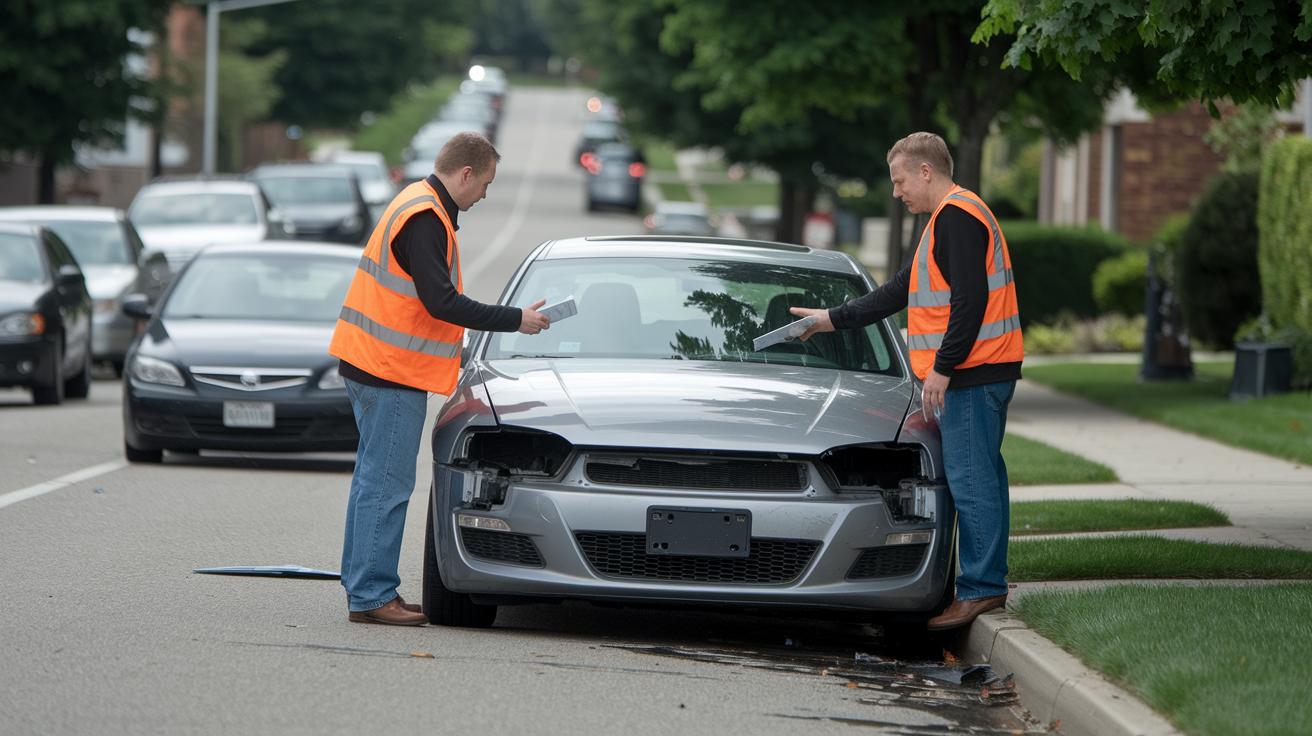
Car insurance is your shield against surprise expenses on the road. It helps cover costs when accidents happen, so you know what you're in for.
Liability Insurance
Liability insurance steps in to pay for damage or injuries you cause if you're at fault. It keeps you from facing a huge bill if you accidentally crash into someone else's car. Think of it like a safety net that catches you when things go wrong.
Collision Insurance
Collision insurance takes care of fixing or replacing your car after an accident, no matter who’s to blame. This is especially handy if you have a newer or pricier car since repairs can cost a lot. Picture it as a backup plan that helps you get back on track when your car takes a hit.
Comprehensive Insurance
Comprehensive insurance covers the unexpected, like theft, vandalism, or weather damage. It offers extra protection against events that aren’t collisions. Imagine it as an umbrella that shields you when life throws a curveball.
Personal Injury Protection
Personal Injury Protection, often called PIP, handles your medical bills along with those of your passengers if an accident happens. It takes the worry out of medical costs and helps you recover without extra stress. It’s like having a caring friend who makes sure everyone gets the help they need.
Uninsured/Underinsured Motorist Protection
This coverage comes into play when the other driver lacks enough insurance to cover the damages. It fills in the gap, so you aren’t left paying large repair or medical bills by yourself. Think of it as a safety net for when the other driver falls short.
Rental Reimbursement
Rental Reimbursement covers the cost of a rental car while yours is being fixed after an accident. It keeps you moving and avoids the hassle of finding alternative transportation. In other words, it’s a small relief that makes a big difference when your car is out of commission.
Coverage Limits and Deductible Considerations in Car Insurance Guides
Many states require you to have a set minimum amount of car insurance. For instance, a 25/50/25 policy means you get $25,000 for bodily injury per person, $50,000 total for an accident, and $25,000 for property damage. Experts say it’s often a good idea to opt for higher limits, like 100/300/100, so you’re better protected if things go south. In simple terms, while the state minimum meets legal requirements, higher limits can help cover extra costs you might face after an accident.
Choosing the right deductible is also key to keeping both your monthly premium and your out-of-pocket expenses in check. If you pick a high deductible, say $1,000, you’ll usually pay less each month. On the flip side, a lower deductible, like $250, means higher monthly payments, but it helps reduce the cash you need right away if you file a claim. It all comes down to finding a balance that works for you. Think about your driving habits, your financial situation, and how much risk you’re comfortable with.
Car Insurance Cost Savings Strategies

Bundling your auto insurance with home or renters coverage can really save you money. Insurers love to reward you with a discount if you combine a few policies, which can drop your premium quite a bit. And if you take a safe-driving or defensive-driving course, your rate might go down at your next renewal. Accident forgiveness programs are pretty handy too, they stop your rate from spiking after your first at-fault crash, giving you a little breathing room.
There are also extra discounts for good students and low-mileage drivers, so your safe driving habits can work in your favor. If you keep a clean record, you'll likely see more savings over time. It never hurts to review your policy often, too. Checking it annually can help you spot any hidden deals and make sure you’re getting the best rate available.
Using Car Insurance Calculator Tools and Rating Insights
Online quote platforms make it super easy to compare policies quickly. They take your car details and driving history to give you custom quotes from different providers. You get to see a range of prices and coverage options all in one place. It’s like browsing a menu of offers without any guesswork. This way, picking car insurance becomes smart and fast.
Rating agencies such as A.M. Best and Demotech add extra clarity. A.M. Best uses grades from A++ to D so you can see which companies are financially stable. Demotech, on the other hand, combines numbers and customer reviews to rate regional carriers. For instance, an A++ rating tells you the provider has strong finances, which can help you feel confident about your coverage.
State-Specific Car Insurance Requirements and Rules

State car insurance rules vary a lot from one place to another. Each region sets its own basic coverages to match local road conditions and driving risks. Keeping up with these rules can help you dodge fines, extra charges, or even a suspended license.
In Florida, drivers need Personal Injury Protection (PIP) to cover their own and their passengers' medical bills. They must also have at least $10,000 in coverage for bodily injury per person. Plus, Florida is rolling out options like usage-based insurance and digital policy management.
In California, the minimum liability plan is set at 15/30/5. That means $15,000 for bodily injury per person, $30,000 per accident, and $5,000 for property damage. The state regularly updates its guidelines to match modern digital trends, focusing on clear coverage terms and speedy claims handling.
In Texas, the required limits are 30/60/25. That breaks down to $30,000 per person for bodily injury, $60,000 per accident, and $25,000 for property damage. New policies include expanded digital management features, and drivers can use Texas insurance calculators to easily estimate what they need.
Claim Filing and Post-Accident Steps in Car Insurance Guides
After a crash, you need to act fast to protect yourself and get things moving again. Quick steps can speed up your claim and might even put you on track for accident forgiveness if you’re enrolled.
First, get a police report to have an official record of what happened. Next, snap clear photos of all the damage on your car from every angle you can. Then, call your insurer right away to start the claim process. Also, make sure you fill out any needed forms correctly so there are no delays. Lastly, have a chat with your adjuster to go over the damage estimates and figure out the next steps.
It’s really important to keep in touch with your insurer. Answer any questions they have, provide extra details when needed, and check in on your claim’s progress so you always feel supported.
Car Insurance Policy Review Checklist and Expert Recommendations

It’s a smart move to check your car insurance policy every year. This little review helps you be sure that your coverage limits, deductibles, and bonus extras still suit your current needs. It also gives you a chance to catch any details that might be outdated or missing. In truth, a regular check like this helps you be prepared in an emergency and might even save you a few bucks by updating your plan.
| Checklist Item | Action |
|---|---|
| Coverage Limits | Make sure your limits fit your current needs and risk situation. |
| Deductible Levels | Look at your deductibles to balance lower monthly costs with what you might pay out-of-pocket. |
| Covered Drivers | Check that everyone who might drive your car is included and eligible. |
| Exclusions | Review what is not covered so you know exactly what to expect in an accident. |
| Policy Updates | Ensure any recent life changes are reflected in your policy. |
| Bonus Extras | See if extras like roadside help or rental reimbursement are in your plan. |
Using neutral review guides can be a really helpful tactic when choosing top providers or deciding to switch plans. By checking out customer service feedback and consumer reviews along with this checklist, you can uncover the best value and enjoy extra benefits. This regular review keeps you away from surprises and makes sure your insurance truly fits your needs, all while keeping your policy management simple and stress-free.
Final Words
In the action, this article broke down everything from a complete car insurance overview to a look at coverage types, limits, deductible choices, cost-saving ideas, digital quote tools, and state-specific rules. It even went over filing claims and reviews to help you get the best value from your policy. By using these car insurance guides, you have a friendly, step-by-step approach to making smart decisions on auto coverage. Enjoy the ride!
FAQ
Q: What are some popular car insurance guides and reviews available online?
A: The inquiry about car insurance guides means you can explore discussions on Reddit, download PDF guides, and read reviews on popular sites like Consumer Reports to get informed advice.
Q: What are the three types of car insurance?
A: The question about three types of car insurance points to liability, collision, and comprehensive coverages that protect against damages to others, your vehicle, and non-collision events such as theft.
Q: What is recommended car insurance coverage?
A: The query regarding recommended car insurance coverage suggests a mix of state-required limits, extra collision and comprehensive protection, and options like personal injury coverage to better safeguard your finances.
Q: How can car insurance quotes help in selecting a policy?
A: The question about car insurance quotes means collecting quotes lets you compare costs and coverage options, helping you pinpoint a policy that fits your budget and needs.
Q: How do you decide what car insurance is right for you?
A: The inquiry on choosing car insurance means reviewing your driving habits, budget, and required coverages, then comparing quotes and policy details to choose the best-fit option.
Q: What is the 80 20 rule for car insurance?
A: The question about the 80 20 rule means that statistically, a small group of drivers (around 20%) often account for about 80% of claims, reminding everyone to practice safe driving.
Q: What is the 50/100/50 rule for liability insurance?
A: The inquiry about the 50/100/50 rule means carrying $50K for property damage, $50K for bodily injury per person, and $100K per accident offers a balanced level of liability protection.
Q: Who is the best company to get car insurance with?
A: The question on the best car insurance company means you should check consumer ratings, policy features, and pricing comparisons using reliable review sources to find a company that meets your personal needs.