
Have you ever thought that skipping your car’s check-up might risk your safety and pinch your wallet later? Your car is like a good friend that needs a little regular care to stay in peak condition. Just take a minute to check your fluid levels, tire pressure, and battery health, little steps that help catch issues before they turn into major repairs.
Think of a car check-up as a health visit for your ride. It keeps everything running smoothly and safely. A quick routine now can make every drive more secure and boost your car’s lifespan.
What a Car Check Up Entails
A car check up is a simple way to keep your ride safe and smooth. It spots little problems before they become big headaches so you can enjoy every drive.
You usually start with a free courtesy check. This quick visit tests your battery and takes a look at tire pressure, tread depth, filter conditions, and fluid levels. It’s like getting a friendly nod that everything’s in order.
Then, you might go for a complete vehicle inspection. This deeper check covers everything from the steering and suspension to brakes, exhaust, the 12-volt battery, ignition wires, belts, hoses, tires, filters, and fluids. For example, scheduling a car oil change or giving your fluids a once-over are smart moves to keep your engine happy.
Here are some key areas that get a look-over:
- Engine performance
- Brake system
- Tire condition
- Battery health
- Fluid levels
- Filters (air and fuel)
- Belts and hoses
Catching issues early goes a long way in preventing expensive repairs. A full annual inspection can reveal tiny faults before they snowball. Staying on top of these check ups not only protects important parts but also makes your car more reliable. In the end, regular care helps your vehicle fight off wear while keeping performance and safety in check, a win for every driver.
Engine Performance Test in a Car Check Up
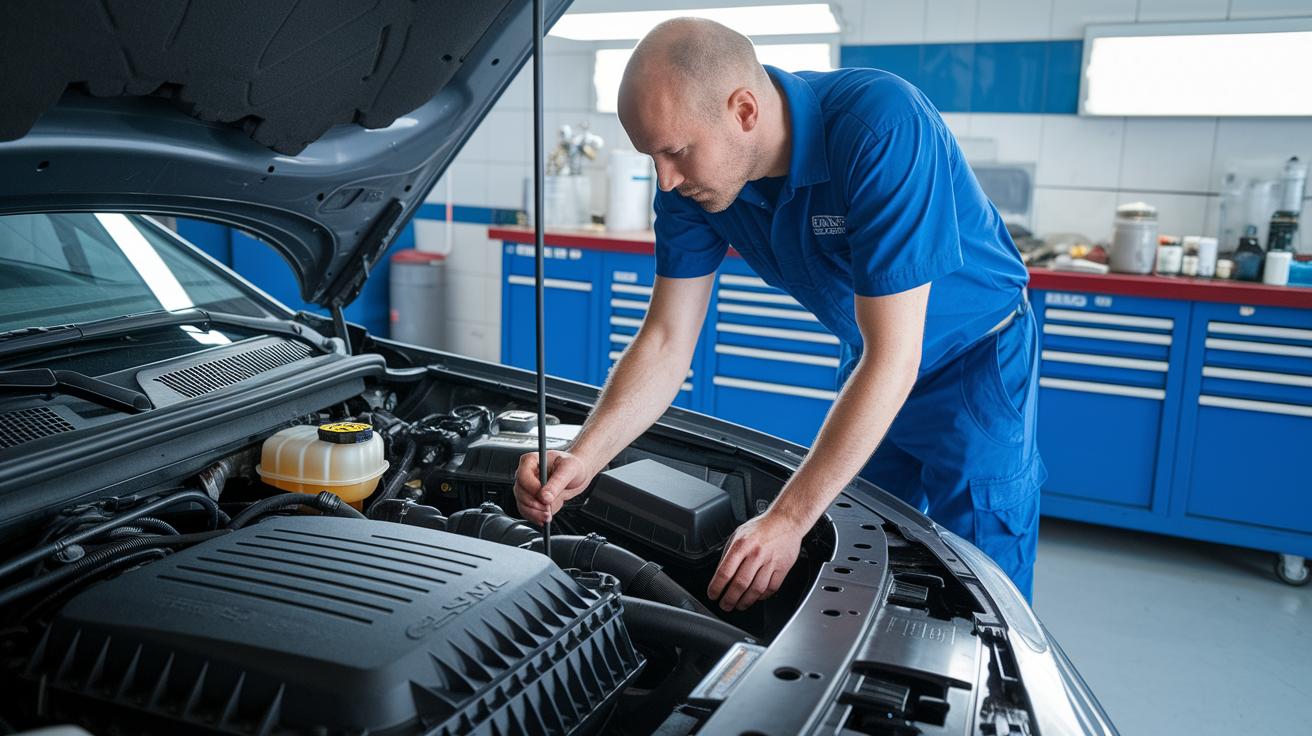
Keeping your car running smoothly starts with a good engine check. Think of it like a health check-up for your ride, you catch little issues before they become big, expensive problems. Regular diagnostics not only save you cash but also help you avoid those unexpected breakdowns.
Engine oil should be checked every 3,000 to 5,000 miles, and changing out the oil filter on time is part of that routine. Your air filter also gets a quick look because it stops dust and dirt that can slow your engine down. Make sure you inspect your spark plugs and replace them as the maker suggests; they keep your car’s power strong. Don’t forget the belts and hoses, which work hard behind the scenes, they need a look for any cracks or wear and tear. Plus, keep an eye on your coolant mixture (a 50/50 mix of antifreeze and water) to protect your engine from getting too hot or freezing. For more on keeping your fluids just right, check out this link: oil level in car.
Ever thought about using an OBD-II scanner? This handy tool digs deeper into your engine’s health, uncovering issues that regular checks might miss. It’s like having a secret insight into your car’s inner workings, letting you fix small problems before they knock performance down, a wise move if you ask me, and many guides, like how to maintain a car, recommend it.
Brake System Analysis in a Car Check Up
Brakes are like your car’s built-in safety net. They help slow you down when you need to stop fast and keep everything under control during sudden changes.
When you get a brake system check, a mechanic looks over the pads, calipers, drums, and rotors for any signs of wear. They also peek at the brake fluid, the liquid that helps turn your pedal pressure into stopping power. This fluid is crucial, and experts say it should be swapped out every 20,000 to 45,000 miles to keep things running smoothly.
Regular brake checks are important. Many technicians suggest a professional review every 10,000 miles or if you start hearing squeaks or feel a softer pedal. Paying attention to these clues helps catch issues early, keeping you safe and avoiding bigger, costlier repairs later on.
Tire Safety Assessment in Your Car Check Up
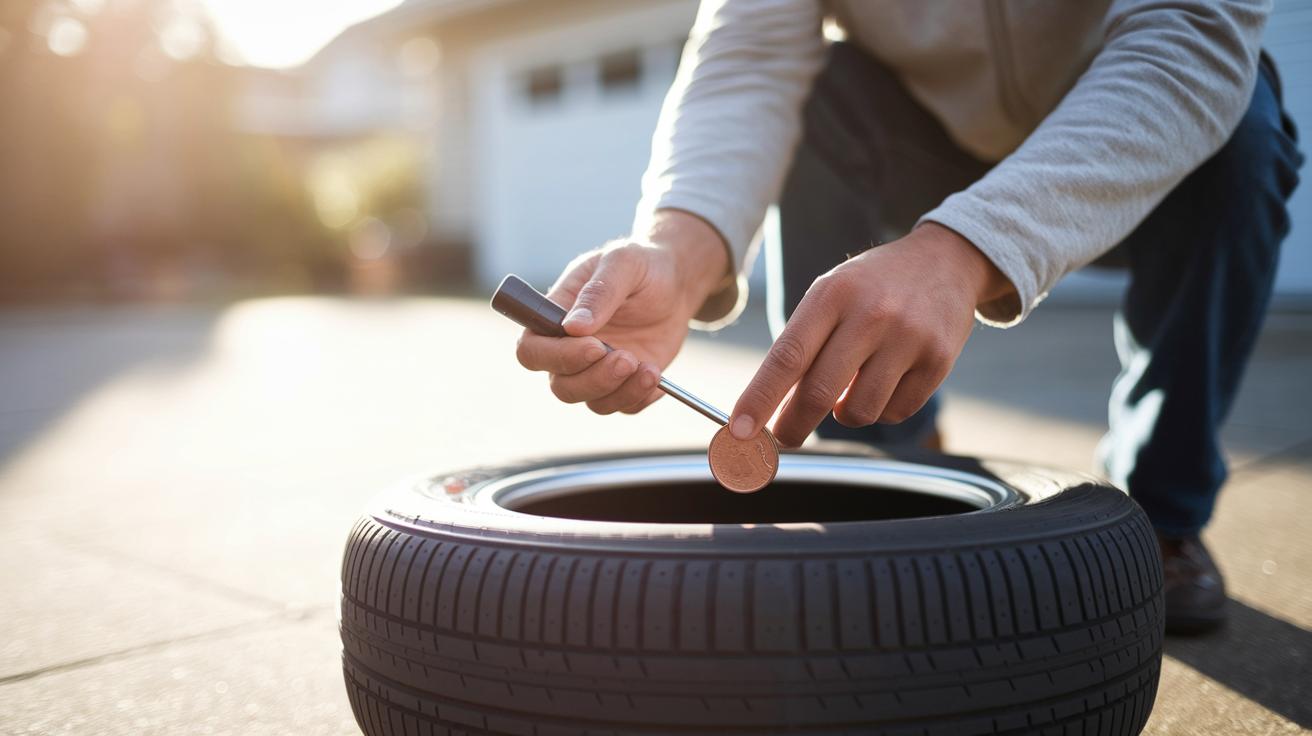
Your tires are the only things touching the road, and they give you the grip, stability, and smooth handling that keep you safe on every drive. It’s worth taking a closer look at them, just like you’d check on a good friend.
I suggest checking your tire pressure about once a month and definitely before a long trip. When temperatures drop, about 10°F lower can mean a 1 psi drop in pressure, a little extra look with a tire pressure gauge goes a long way. Also, try the penny test to check your tread depth, and keep an eye out for cracks or uneven wear. Rotating your tires every 5,000 to 8,000 miles helps them wear evenly, which can extend their life. And if your car starts pulling to one side, it might be time for a professional wheel alignment to keep everything smooth and steady.
Taking care of your tires not only boosts your car’s performance and fuel efficiency but also makes your ride more comfortable and fun. It’s a small task that can make a big difference in your daily drive.
Battery Condition Testing and Fluid Levels Examination
When you check your battery, you can use a voltmeter or a load tester to see how well it holds a charge under pressure. If you find it reading below 12.4 volts during a simple test, think of it like noticing your flashlight starting to flicker, it might be time for a closer look. Extreme weather, like chilly mornings or scorching afternoons, can put extra strain on your battery too.
Make sure to peek at your engine oil, coolant, brake fluid, transmission fluid, and windshield washer fluid every month when the engine is cool. It's smart to swap out the oil and filter every 3,000 to 5,000 miles, and stick to your car's specific schedule for other fluids. If the oil turns dark or the coolant seems off, it’s a clear sign they need replacing to keep your engine happy.
Keeping your battery in good shape and your fluids at proper levels helps your car stay reliable and can save you from costly repairs down the road.
Scheduling and Cost Considerations for a Car Check Up

Booking your car check up online makes things super simple. You can pick a time that fits right into your busy day without any long waits or endless phone calls. Many service centers now show all their open slots online. It’s like checking off a quick task, easy and stress-free.
When it comes to pricing, it’s all about what you need. A basic courtesy check often comes free if you're already there for a service appointment. But if you want a full inspection, expect to pay around $50 to $100. And if you need extra tests or a mobile mechanic, you're looking at about $75 to $150 per hour. Remember, factors like your car’s age and mileage can change what’s right for you.
Worried about repair costs? Many people use a credit card to spread the cost over several months. Plus, keep an eye out for seasonal discounts or manufacturer coupons that can help save money. It pays to research local deals before booking your service. With a bit of planning, you can make sure your routine maintenance stays affordable and even catch small issues before they turn into big problems. Smart choices with financing and budgeting help keep your car safe and reliable.
Final Words
In the action, this article broke down what a car check up entails, from engine performance tests to brake system inspections. We covered vital areas like tire safety, battery condition, and fluid levels, plus gave tips on scheduling and budgeting for service. A thorough check can spot minor issues early, keeping your ride in top shape. Next time you head in for a car check up, remember that proper care leads to smoother, safer drives. Keep the wheels turning and enjoy the ride!
FAQ
Q: How much does a car checkup cost?
A: When asking about car checkup costs, the price varies by service type. Basic courtesy checks may be free while a full inspection often costs between $50–$100 or more with additional tests available.
Q: Where can I find a car checkup near me, including free options?
A: When asking about local car checkups, many service centers and dealerships offer free courtesy checks that include battery tests and tire inspections. A quick online search can help you locate nearby offers.
Q: What is a full car checkup called?
A: When asking what a full car checkup is called, it usually means a complete vehicle inspection. This review goes over the engine, brakes, tires, battery, fluids, filters, and belts to ensure everything is in order.
Q: What routine maintenance checks should I do on my car?
A: When asking about routine maintenance, key checks include the engine performance, brake system, tire pressure, battery health, fluid levels, filters, and belts. These regular inspections help catch issues early.
Q: What should a complete car checkup report include?
A: When asking about a complete car checkup report, it details the condition of major parts such as the engine, brakes, tires, battery, fluid levels, filters, and belts, giving you a clear view of any needed repairs.