
Have you ever thought buying a car felt more like a risky bet than a smart decision? Picture yourself as a detective, gathering clues to uncover that hidden discount or the perfect budget plan.
This guide walks you through every step, from doing your research to catching the right moment for a deal. With easy tips on setting a budget and picking the right financing, you'll be ready to handle the process confidently and end up with a car that feels right for you.
Car Buying Guide: Step-by-Step Purchasing Process
Before visiting any dealership, take some time to research both new and used cars. Compare similar models and check online tools to see current prices. Think of it like solving a mystery: using invoice pricing can uncover hidden discounts.
Next, set a clear budget by adding up your monthly costs like insurance, gas, and maintenance. A simple checklist can keep you on track. It also helps to make a down payment of 10-20% of the car's price. This way, you lower future interest charges and avoid spending too much.
Then, look into your financing options. Compare auto loans and leasing, and use online calculators to estimate your payments. Your credit score plays a big role in the interest rate you get, so keep that in mind. A clear budget and solid financing plan can make the dealership less stressful.
Also, time your purchase wisely. Dealers may offer better deals at the end of the month or when new models come in. If a car is very popular, you might have less wiggle room to bargain, so consider checking out leftover inventory deals.
Before you sign anything, review all legal requirements and paperwork. Check title transfer details, registration fees, and any extra charges. A good checklist makes sure you don’t miss any important steps, so you can finish the process with confidence.
Car Buying Guide: Budget Planning and Financing Options

Buying a car isn’t just about setting a simple budget. You can actually dig deeper into smart financing ideas that save you money over the long haul. Instead of settling for a set spending limit, savvy buyers negotiate loan terms to lower their interest. One buyer even shortened her loan duration, cutting nearly 20% off her total interest – a move that saved her thousands.
It helps to chat with different lenders because you might snag special deals like lower APRs if your car fits certain programs. Comparing options with a loan calculator can show you how changes in your down payment or trade-in value affect your overall cost.
There are also unique finance options worth exploring. For instance, some loans come with a buy-down feature, which temporarily lowers the APR during the first few months. Plus, some flexible plans allow extra payments without any penalties – a handy tool if you want to knock down your debt faster.
| Financing Method | Key Feature |
|---|---|
| Traditional Auto Loan | Fixed APR and term length |
| Short-Term Loan with Buy-Down Option | Lower APR for the initial period |
| Lease with Purchase Option | Flexible end-of-term choices |
- Reassess your financing strategy as market options change
- Compare several lenders to secure the best terms for your loan
- Look at unique financing products that can cut your interest costs
Try these advanced tips to enhance your car buying experience and make your investment work harder for you.
Car Buying Guide: Researching and Shortlisting Vehicles
Looking up different models is not just practical, it can be a fun ride, too. Start by checking out ratings that show how reliable each car is, how safe it feels, and even how much gas it drinks. Experts break down performance details like how quick the car accelerates, how it handles curves, and how comfy it is. Plus, online listings can clue you in on price points and reviews from other buyers.
- Look up trustworthy ratings to see which cars consistently perform well.
- Check safety scores so you know which models stand out in crash tests.
- Compare tips for used cars with the info on new models to cover all bases.
- Review fuel economy numbers to understand everyday savings.
Then add in reviews and opinions from actual customers along with studies on each brand’s reputation. Sources like U.S. News and Consumer Reports pack in lots of helpful data that can make your decision easier. This mix of facts and feedback helps you figure out if a pre-owned ride or a shiny new model meets your needs.
By piecing together details on speed, comfort, and safety, you create a clear shortlist. Every piece of tech info is like a signpost along the road, guiding you to a confident choice knowing that your final list reflects solid, real-world experiences.
Car Buying Guide: Test Drives and Inspection Checklist

When you're out for a test drive, start by paying close attention to the car’s basic movements. Press the pedal and feel how quickly it moves forward. Then, hit the brakes and note if the stopping is smooth and sure. Take a curve and check if the steering feels tight yet responsive. Also, drive over different surfaces like smooth roads, bumpy patches, and gentle hills to really sense the ride quality. These simple checks speak volumes about the car’s overall condition.
Next, run through a clear inspection list. Start in the engine bay by looking for any leaks or spots on the belts and hoses that seem off. Then, get under the car and see if there are signs of rust or damage. Give the tires a close look too; uneven wear can be a warning sign. Also, check all fluid levels to see if regular maintenance has been done.
Don’t skip the vehicle history report. It should show if the car has been in any accidents, if the title is clean, and if the mileage adds up correctly. Make sure the records are clear and that there are no outstanding recalls. For more details on what to check, you can visit the link provided in the guide.
- Test drive and double-check acceleration, braking, and comfort.
- Inspect the engine bay, undercarriage, tires, and fluid levels.
- Review the history report for accidents or title issues.
Using this straightforward approach lets you spot both mechanical and history-related issues before you make your final decision. It builds your confidence and helps you steer toward a smart purchase.
Car Buying Guide: Negotiation Strategies and Price Comparison
Start by gathering your invoice pricing info from your research. Knowing the invoice price helps set a solid baseline so you can compare different bids with confidence. Websites like TrueCar, Edmunds, and CarsDirect offer real-time MSRP data, giving you a clear look at where each offer stands.
When you're ready to negotiate, try starting with an offer that's about 5–10% below the MSRP. This gives you some room to work with while keeping things fair. Dealers may be more flexible if they're pushing to hit monthly sales goals, especially at the end of the month, which could work in your favor.
It also makes sense to look into leftover inventory deals if certain models are just waiting for a buyer. In these cases, you might score better savings by not just haggling on the price but also asking for extra incentives or perks. And don't forget: sometimes, being ready to walk away can be your strongest negotiating tactic.
- Compare invoices and competing bids to know your baseline.
- Start your offer around 5–10% under MSRP.
- Leverage dealer quotas and leftover inventory deals.
- Stay firm and be prepared to walk away if needed (How to negotiate car price).
Car Buying Guide: Finalizing Financing and Paperwork

Before you dive into financing, make sure you have all your important documents ready. Grab your recent pay stubs, a valid driver’s license, proof of your home address, and a copy of your credit history. These papers help lenders size up your credit score and set the right terms for your loan.
Next, take a careful look at how you'll transfer the title. Every state has its own set of forms and fees for changing ownership. Booking a DMV appointment in advance can really help streamline this process. Just remember, each state handles things a little differently, so it’s smart to plan ahead.
Then, get clear on the registration steps. This typically means paying licensing fees and taxes, and it’s up to you to decide whether to let the dealer handle it or do it yourself. Knowing all the fee details can save you from any last-minute surprises.
Here’s a quick checklist:
| Step | Important Details |
|---|---|
| Gather Documents | Proof of income, driver’s license, proof of residence, credit history |
| Title Transfer | State-specific forms, fees, and DMV appointment |
| Registration | Licensing fees, taxes, dealer vs. self-handled options |
| Finance Agreement | Review for any extra charges |
Finally, go through all of your finance and insurance paperwork closely. Check every line and confirm all the payments so you can drive away with confidence, without any surprise expenses down the road.
Car Buying Guide: Insurance, Warranty, and Ownership Essentials
Before you buy a car, know what your state requires by law for insurance. Check the minimum liability limits and even think about gap coverage if you're worried about extra expenses. This way, you stay protected without overspending.
Then, take a good look at extended warranty options. Compare the plans from the car maker with extra coverage from other companies. Sometimes these warranties go beyond what a standard plan covers. Check deductibles, duration, and which repairs are included to find the best fit.
Adding supplemental protection can give you extra peace of mind. It might cover repairs, offer roadside help, or even take care of routine maintenance. I once heard a buyer say that a well-rounded plan saved her both time and money when unexpected repairs came through.
Lastly, don’t forget about post-purchase support. Keep track of all service dates and repairs since this helps maintain your car's resale value and reliability. Regular maintenance, as outlined in your service contract, not only extends your car’s life but also makes sure you enjoy a smooth ownership experience.
Car Buying Guide: Planning for Resale Value and Ownership Costs
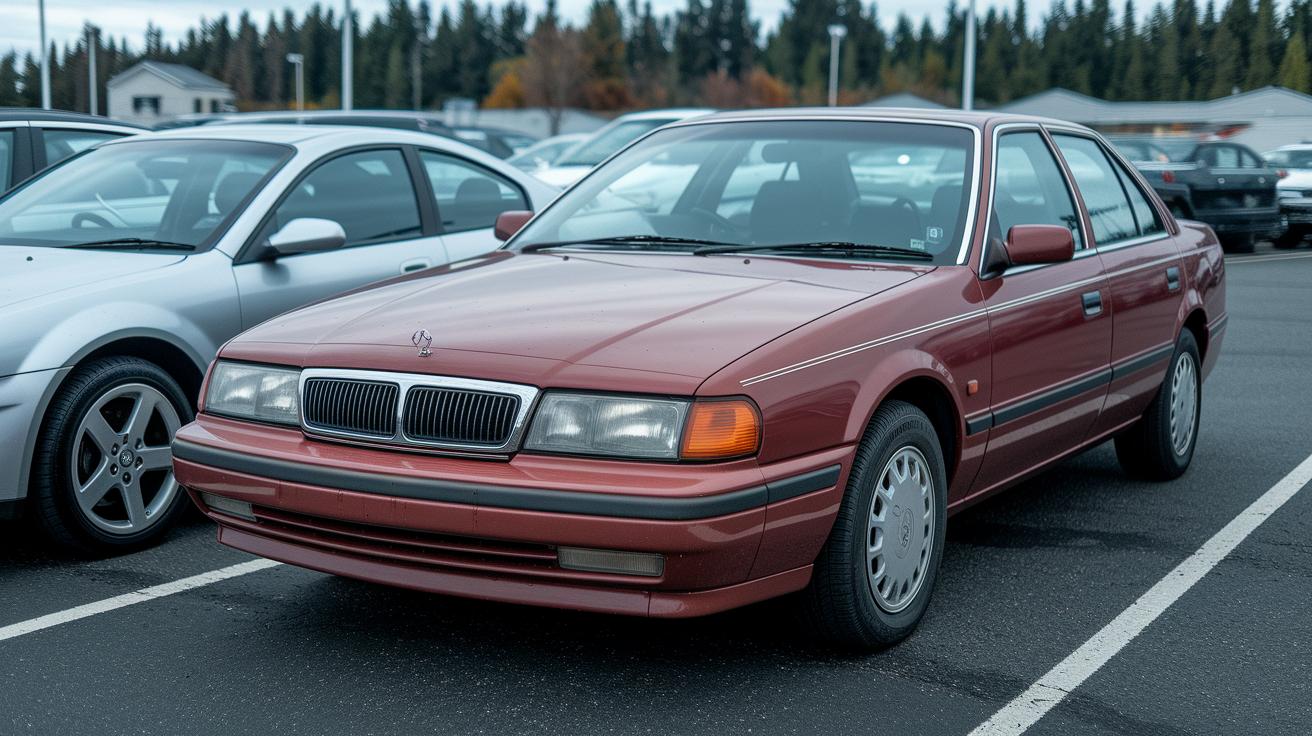
Research shows that many cars can drop in value by 40–50% within the first five years. It’s a bit like watching your ride lose its shine as you drive. Checking how different models depreciate helps you pick one that holds its value better over time.
When you’re planning for resale, consider the brand’s reputation and past performance. A car from a respected maker might bring a higher trade-in price even if it costs a little more at first. And using an online ownership cost calculator gives you a clear picture of long-term expenses like fuel, insurance, maintenance, and financing.
Regular maintenance plays a huge role, too. Keeping up with scheduled check-ups not only makes your car safer but also helps it keep its value. Think about it, one well-serviced car will often sell for more than one with irregular care.
- Use online tools to compare overall ownership costs
- Study depreciation trends to see which cars hold their value
- Keep an eye on maintenance history and plans
Car Buying Guide: Common Pitfalls and Mistakes to Avoid
Buying a car can feel pretty overwhelming, especially when small missteps bite you later. One easy mistake is skipping a full inspection or trusting just a quick test drive. Instead, take a close look at everything, from the engine bay right down to the undercarriage. And don't forget to check the true invoice price. The dealer’s invoice is only a starting point, not the price they actually paid, so you might be leaving money on the table if you ignore it. Also, if you're focused only on low monthly payments, you might end up with hidden long-term costs.
Don’t rush your decision, especially when the car you want is in hot demand. A popular model often means less room to bargain. It’s a smart move to go over every part of the finance and insurance (F&I) paperwork carefully before signing anything. Ask clear questions about how the warranty works, what trade-in value is being offered, and if there are any extra dealer incentives.
| Tip | Action |
|---|---|
| Inspection | Check everything, from the engine to the undercarriage |
| Pricing | Compare the dealer invoice with the offer |
| F&I Documents | Read every word before you sign |
| Questions | Ask about warranties, trade-ins, and any extra fees |
Taking a careful, informed approach will help you steer clear of common pitfalls and make a decision that really works for you.
Final Words
In the action, this car buying guide walks you through budgeting your purchase, researching models, and planning test drives to nail down your vehicle choice. We covered everything from financing options and inspection checklists to smart negotiation techniques and handling paperwork. Every tip and step aims to help you steer clear of common pitfalls while keeping costs in check. Enjoy the ride and feel confident every time you hit the road.
FAQ
What do Reddit car buying guides offer?
Reddit car buying guides offer real-life tips and checklists for researching, financing, and negotiating your purchase. They break down steps into simple terms and share personal experiences to help you make an informed decision.
What does a used car buying guide include?
A used car buying guide explains how to inspect a vehicle, check its history, and negotiate a fair price. It also covers budgeting and cautionary tips to avoid common pitfalls when buying a pre-owned car.
What can I expect from a free or PDF car buying guide?
A free or PDF car buying guide provides a step-by-step checklist covering research, budgeting, test drives, and paperwork. It’s designed to simplify the process and help you stay organized throughout your purchase.
What does the Consumer Reports new car buying guide 2025 provide?
The Consumer Reports new car buying guide 2025 gives updated expert ratings, pricing trends, and performance analysis. It helps you compare models and make an educated choice for the latest vehicles.
What is a car buying guide for beginners?
A car buying guide for beginners outlines basic steps from research to final paperwork. It explains budgeting, financing options, and negotiation tactics in clear, accessible language for first-time buyers.
What is the 20% rule when buying a car?
The 20% rule when buying a car means you shouldn’t spend more than 20% of your annual income on the purchase, helping keep your vehicle expenses manageable alongside other costs.
What is the 30-60-90 rule for cars?
The 30-60-90 rule for cars suggests checking your vehicle at three stages: within 30 days, 60 days, and 90 days after purchase. This practice helps catch any emerging issues early on.
What counts as a red flag at a dealership?
A red flag at a dealership can be any sign of rushed paperwork, vague pricing details, or aggressive sales tactics. These issues may indicate hidden fees or problems with the vehicle’s history.
What does the 20-3-8 rule for buying a car mean?
The 20-3-8 rule advises making a 20% down payment, keeping monthly payments at no more than 3% of your income, and ensuring the total cost of the car is within 8 times your annual salary.