
Ever had your car suddenly stop working and leave you stranded on the road? It’s a jolt that can catch you off guard and make you feel a bit lost.
At that moment, turning on your hazard lights can be a lifesaver. It tells other drivers you need space while you sort things out.
In this post, we'll share a few simple, reliable fixes for when your car breaks down. We cover everything from calling roadside help to using everyday items as safety signals. With these tips, you can handle a breakdown with ease and confidence.
Emergency Response When Your Car Breaks Down
If your car suddenly stops working, the very first thing to do is switch on your hazard lights. Those flashing lights warn other drivers and help create a safe buffer around your vehicle. Especially on heavy roads or highways, staying inside your car can protect you from passing traffic.
If you find yourself stranded, grab your smartphone or look for the tow contact details kept in your glove box. You can call AAA at 800-AAA-HELP for quick roadside assistance. Having these numbers handy makes a stressful situation much easier to handle.
Sometimes, an electrical glitch might cause your hazard lights to fail. In that case, try attaching a bright flag or even a piece of paper to your window. This simple signal can still alert other drivers and boost your car’s visibility so you stay safe.
It might also be a good idea to call a mobile mechanic. They can come to you and possibly fix the issue right there on the spot. Taking quick action like this helps keep you, your passengers, and everyone else on the road safe until professional help arrives.
Diagnosing Common Causes of a Car Breaking Down
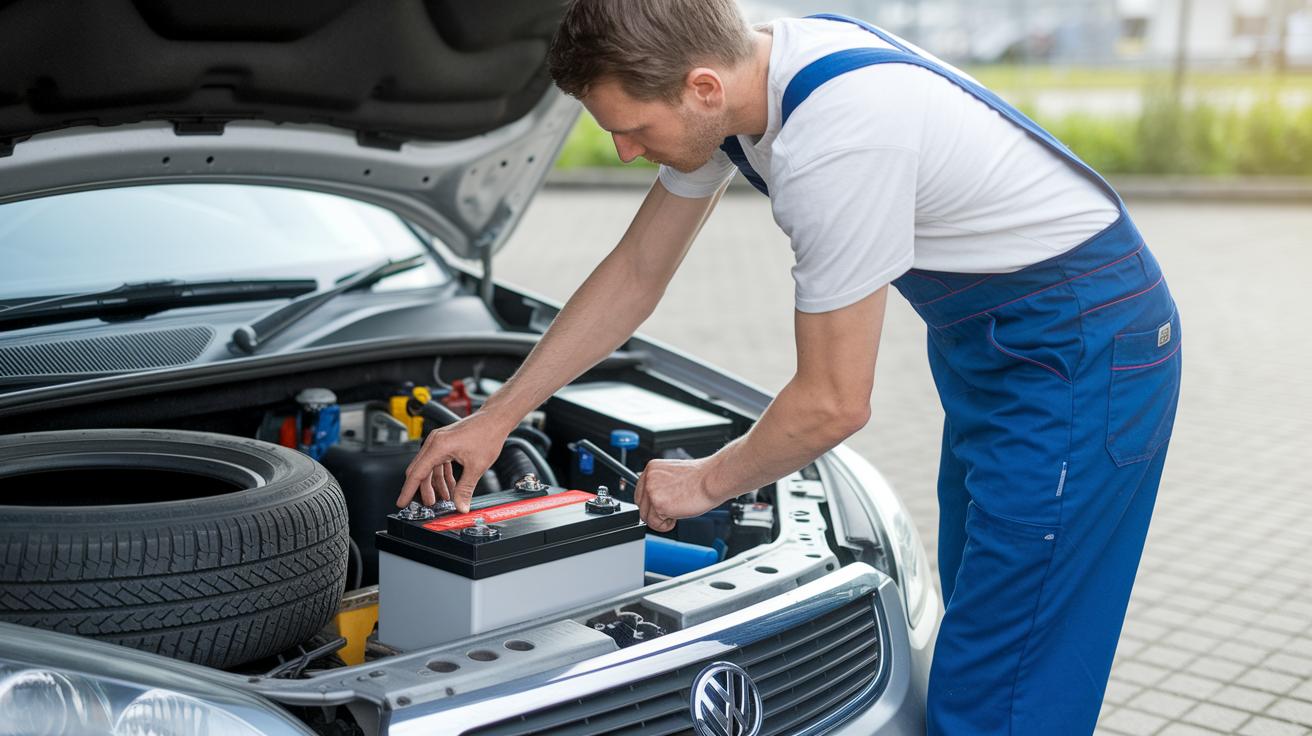
When your car suddenly dies, it can be pretty unsettling. It’s like the car’s whispering, "Something’s not right." Start by checking the most common issues, this simple list can help you figure out your next move.
- A dead or weak battery is a frequent problem, especially on cold mornings or if your car sits for long periods.
- Damaged tires or wheels, maybe from hitting a pothole or debris, or even from low tire pressure, can make your ride bumpy and less safe.
- Faulty spark plugs can cause the engine to misfire or struggle when you try to start. This usually feels like a slow, hesitant start.
- Worn out high-tension leads may not give enough voltage to the spark plugs, leading to a choppy engine performance.
- A failing alternator might not charge the battery fully. Without it, you could soon find yourself stuck without enough power to start the engine.
- Burnt-out clutch cables, often from too much use in heavy traffic, can make shifting gears tough.
- Using the wrong fuel type can stop the engine in its tracks and even hurt your fuel system.
- Running out of oil is a big no-no. Oil keeps everything running smoothly, and without it, friction can cause serious engine damage.
- Overheating, often due to a coolant leak, a bad thermostat, or cracked hoses, means your engine’s cooling system isn’t doing its job properly.
Keep an eye out for warning signs, strange noises, unusual smells, or dashboard alerts like the engine light. Spotting these early can help you or your mechanic fix the issue before it turns into something more serious.
Troubleshooting Vehicle Failures on the Road
When your car acts up on the road, it can be really frustrating. Here’s a simple, step-by-step guide to help you figure out what might be going wrong. First, take a quick look at your dashboard. If any warning lights pop up, like Check Engine, Battery, Oil Pressure, or Temperature, this is your car's way of sending a distress signal. For instance, if you see the battery light flash, it might be a sign to check the battery terminals.
Next, listen carefully. A knocking or grinding noise could be a clue that something isn’t working right. Then, examine the battery terminals for any signs of corrosion. A little build-up here might mean your battery isn’t giving off enough power, which can cause unexpected stops.
Also, check your tires. Give them a squeeze or take a quick look to see if they seem soft or are visibly deflated. Low tire pressure can sometimes mean there’s a small puncture or another issue with the tires. And don’t skip the fuel gauge, if you’re close to empty or on reserve, adding fuel might be the quickest fix.
Now, let’s break down some common culprits behind these issues. A dead battery might need a jump start or a full replacement, especially if it’s running low on voltage. Worn spark plugs can cause your engine to perform poorly since they play a key role in igniting the fuel and air mixture. Similarly, a faulty alternator may struggle to charge the battery properly, which could lead to repeated failures. And if your engine is overheating, low coolant levels might be to blame, causing the car to break down until it cools off.
By following these steps, you can quickly pinpoint the most likely cause of the problem and decide on the best course of action. Have you ever noticed your car giving off strange sounds or warning signals? Next time it happens, use this checklist to guide you back to a smooth ride.
When and How to Call for Roadside Assistance During a Breakdown

When your ride suddenly gives out, don’t wait around, reach out for help right away. Grab your phone or use your car’s built-in app to search for a tow service nearby. Whether you're calling AAA or another trusted provider, acting fast is key. If your insurance covers roadside help, use their hotline too. You might even text a buddy saying, "My car’s stranded near mile marker 45 at Riverside Exit, need help!"
When you phone AAA at 800-AAA-HELP, be sure to share your exact location. Give them clear details like the nearest landmark, GPS coordinates if you have them, or even the highway mile marker. This way, the tow service can find you quickly and get you back on track.
Also, be ready with a good description of your car. Mention the make, model, and color, and point out any odd signs like a sudden loss of power or strange noises. For example, you could say, "It's a red 2018 sedan stalling on the freeway." Clear, simple details save time and help bring you the right assistance.
Preventative Maintenance to Avoid Your Car Breaking Down
Taking care of your car isn’t just about looks; it really keeps things running smoothly. Start with the basics, check your engine oil, coolant, and tire pressure. A clean oil change can make your engine purr like a well-fed kitten, much like keeping a bike chain nicely oiled. Watch your fluids and tires closely to avoid common issues with your ride.
It helps to stick to a regular maintenance routine. Check your fluids, take a moment to inspect your tires, and listen for any odd engine sounds or unexpected smells, which might mean there’s a leak or something burning. A small problem caught early can stop a big headache later. For example, testing your battery every six months can warn you before it dies on you. And don’t forget to keep an eye on your brakes and belts, they’re key for keeping your car safe and reliable.
| Maintenance Item | Recommended Interval |
|---|---|
| Engine oil & filter change | Every 5,000–7,500 miles |
| Coolant level & condition | Every 12 months or 30,000 miles |
| Tire pressure & rotation | Rotate every 5,000–8,000 miles |
| Battery test | Semi-annually |
| Drive belt & timing belt inspection | Every 60,000–100,000 miles |
Follow your manufacturer’s guide for replacing brake fluid and transmission fluid. If you catch any weird noises, leaks, or burning smells early, you save yourself from bigger repairs later on. Keep up with these simple tips, and your car will stay in tip-top shape and ready whenever you need it.
Understanding Repair Costs and Post-Breakdown Process for a Car Breaking Down

When your car suddenly stops working, it can feel really overwhelming. One smart tip is to use the 50% rule. This means if the repair costs come close to half the car’s value, it might be a sign to think about a replacement instead. Imagine needing a $4,000 fix on a car valued at $6,000, that’s a big chunk of money that could be better spent on a new ride.
Once you’ve had your car towed to a repair shop, start by getting written estimates from at least two different places. Asking for these detailed breakdowns helps you steer clear of overcharging and gives you a clear idea of what the repairs involve. Be sure to explain your car’s problems in detail when you talk to any local repair shop, it really helps to keep things transparent and fair.
Also, don’t forget about the extra costs. There’s towing, diagnostic fees (usually between $80 and $120), and parts that might have a price hike of about 20% to 40%. These hidden costs add to the overall expense, so it pays to be careful with your calculations.
It’s a good idea to hang on to all your repair records and receipts. These papers can be lifesavers if you ever need to make a warranty claim or deal with lemon-law issues. Keeping your paperwork organized not only clarifies the expenses but also makes sure you’re ready if any questions about the costs come up later.
Final Words
In the action, the post walks you through immediate safety steps when your car breaking down. It explains how to diagnose common causes and try quick fixes on the road.
Next, you learn when to get professional roadside assistance and discover preventative care tips to avoid future issues. The guide even covers how repair costs work after a failure. Stay confident and proactive, and enjoy the ride ahead.
FAQ
What does it mean when a car breaks down while driving?
A car breaking down means your vehicle has lost power or experienced a failure. It signals that something isn’t right, so turn on hazard lights and seek help through a trusted roadside assistance service.
Who should you call when your car breaks down on the highway?
When your car stops on the highway, call a roadside assistance service like AAA at 800-AAA-HELP or your auto insurer’s hotline. Give your exact location and vehicle details for prompt help.
What should you do if your car breaks down, especially at night?
If your car stops at night, immediately turn on hazard lights and remain safely inside the vehicle. Then, call a roadside assistance service and clearly provide your location and situation.
What is the most common reason a car breaks down?
The most common issue is a faulty battery or alternator. Other frequent causes include bad spark plugs or tire issues. Regular checks and maintenance help prevent these problems.
What is the spiritual meaning of a car breaking down?
Some see a car breaking down as a prompt to slow down and reflect on life. It can be interpreted as a sign to take a pause and reconsider your path and decisions.
What does a car breaking down GIF depict?
A car breaking down GIF typically shows a car in a failing state, often used online to humorously or dramatically illustrate a sudden and unexpected vehicle failure.
Should I call my insurance if my car breaks down?
If your insurance covers roadside assistance, calling them can be beneficial. They may guide you on approved services and help with costs related to towing or emergency repairs.