
Ever been startled by a sudden loud pop from your car? It’s probably a backfire caused by misfires or timing issues under the hood.
In this chat, we'll break down what happens when fuel and spark don’t quite match up. I’ll point out the warning signs and share some smart fixes to help keep your ride safe.
Stick with me for clear, practical tips that make your drive smoother and worry-free.
Understanding Car Backfire: Definition, Symptoms, and Risks
Car backfire is that loud pop you might hear when unburned fuel catches fire outside the engine’s cylinders. This happens when the fuel and air don’t mix or burn properly, often because the spark comes too late, the fuel-to-air mix isn’t right, or the spark timing is off. It can be startling, but your car usually keeps running.
When backfire occurs, you'll notice hints that something under the hood isn’t quite right. You might even see sparks or flames coming out of the tailpipe, feel the engine sputter, or experience a quick drop in power. These signs mean the engine’s burn process is off, and it’s a good idea to get a trusted mechanic to check things out.
- A sharp pop or bang
- Sparks or flames at the tailpipe
- Engine sputtering
- A brief loss of power
- Unusual engine sounds
If these backfires keep happening, they can hurt your engine’s health. They might damage parts like the exhaust valves or catalytic converter and lower your fuel efficiency over time. Ignoring these signs can let bigger problems grow and make your drive less safe. Taking care of backfire issues promptly helps keep your engine in top shape and your rides safe.
Common Causes of Car Backfire
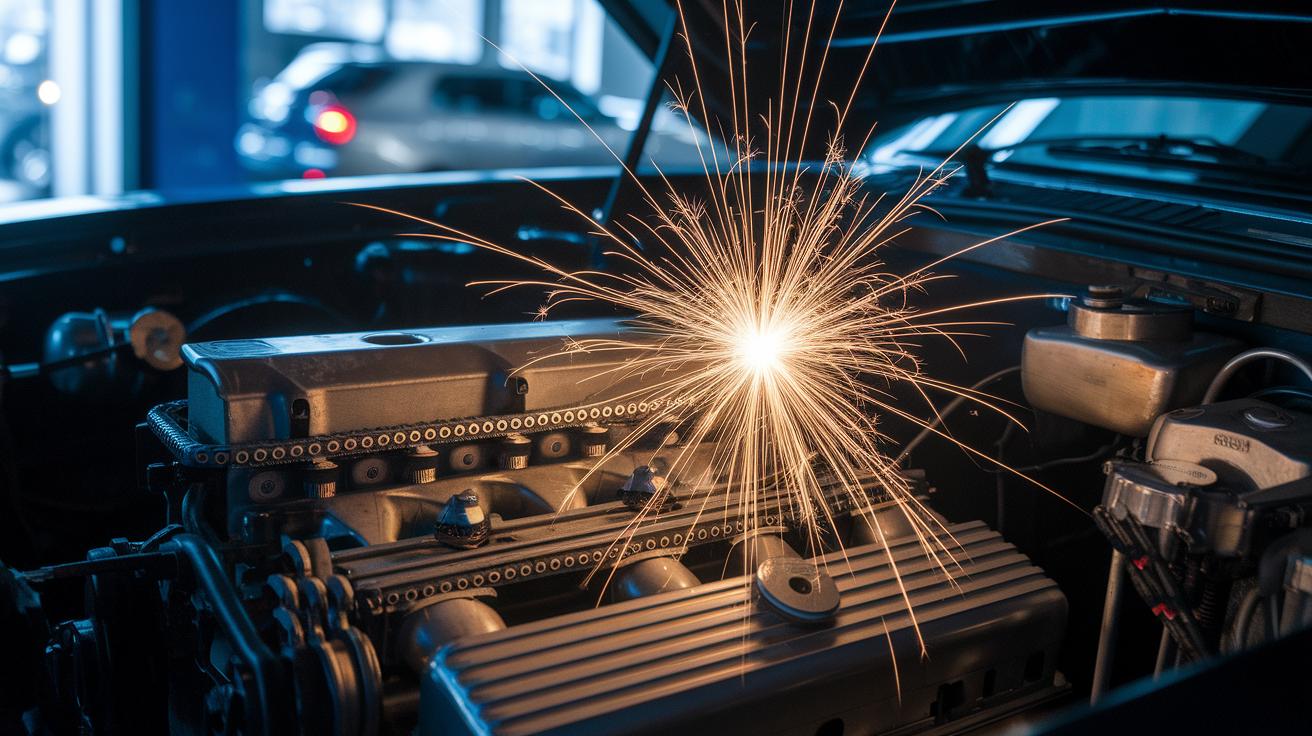
Figuring out why your car backfires is important because each issue changes how your engine runs. When fuel that isn’t burned properly suddenly ignites outside the cylinders, it creates a popping sound and can affect your ride. This usually means something’s off with either the engine mechanics or the fuel system.
Ignition Timing Misalignment
Sometimes, your engine’s timing is off because parts like the camshaft or the ECU (the engine’s control computer) aren’t working in sync. Worn timing chains or distributor problems can cause sparks when the valves are open, leading to misfires and backfires.
Rich and Lean Air-Fuel Mixtures
Your engine needs the right balance of air and fuel to work well. If the mix is too rich, there’s extra fuel left unburned. If it’s too lean, there isn’t enough fuel. Either way, the incomplete burn can trigger gasoline pops.
Faulty Ignition Components
Old spark plugs, damaged wires, or a failing distributor cap might give off weak or unpredictable sparks. This can leave the engine burning fuel unevenly, which often results in that familiar backfire noise.
Exhaust Valve Damage and Leaks
When exhaust valves are bent, burnt, or leaking, they can let fuel ignite inside the exhaust system. These unexpected pops might be a sign that your engine needs a closer look.
| Cause | Mechanism | Common Indicators |
|---|---|---|
| Ignition Timing Misalignment | Engine parts like the camshaft or ECU are out of sync, sparking at the wrong time | Irregular engine timing and sporadic backfires |
| Rich and Lean Air-Fuel Mixtures | Too much or too little fuel causes an incomplete burn | Black smoke and engine sputtering |
| Faulty Ignition Components | Weak or inconsistent sparks from worn-out parts | Misfiring and rough idling |
| Exhaust Valve Damage and Leaks | Fuel igniting in the exhaust due to leaks or damage | Loud pops and flame bursts at the tailpipe |
Diagnosing Car Backfire Issues
Start by grabbing an OBD-II scanner to check your car's diagnostic codes. Codes like P0300 through P0304 can pinpoint misfires that might be causing backfires. This quick step tells you if your engine’s timing is off or if there’s a deeper fuel issue at play. Sometimes you'll see that misfires come from the spark timing being off. It’s a handy first move to avoid bigger problems later.
Next, take a closer look at your ignition and fuel system parts. Check your spark plugs for any signs of carbon buildup or worn electrodes. Make sure the gap is set right so the spark can ignite the fuel and air mix properly. Also, inspect the fuel injectors and distributor cap. If you see any discoloration or wear, it might be a sign that something needs attention. Testing the oxygen sensors with a multimeter can also help confirm that your fuel mixture is balanced just right.
Finally, run some specialized tests to uncover hidden leaks and pressure issues. Do smoke tests on your vacuum hoses and inspect the exhaust manifolds to find any leaks disrupting the combustion process. Pressure tests can reveal weak spots that might be letting extra air or fuel in. For more detailed troubleshooting tips, check out the car repair guides at https://thecivics.com?p=345. Enjoy a smoother, safer ride!
Car backfire: Smart fixes for a safe ride

Start by adjusting your ignition timing. This simple tweak can fix backfire issues right at the root. When you calibrate parts like the distributor (a device that sends sparks to the right spark plug) or the ECU (the engine's computer), it makes sure sparks fire at the perfect moment. Also, clean or replace worn spark plugs, dirty air filters, and malfunctioning oxygen sensors (which check if the fuel and air are mixed correctly). For example, check your spark plug gap, because even a small gap can cause misfires, kind of like a soft drumbeat in a loud rock band. These easy fixes can cut down on unexpected pops or engine sputtering.
Next, pay attention to your fuel system. Fine-tuning it is just as important. Make sure you service your fuel injectors often (they spray fuel into the engine) so they don’t drip and always give an even spray. Adjusting the ECU can help balance the fuel mixture, whether your engine is running too rich or too lean. This careful tuning stops extra fuel from lighting up outside the combustion chamber. Take gradual steps and see how your engine handles each change; every spark and drop of fuel counts when building your ride’s power.
Finally, regular maintenance is a must for a smooth and safe drive. Stick to a schedule, like swapping out spark plugs every 30,000 miles, to keep backfire from making a comeback. Routine checks on the ignition system and fuel parts can catch little issues before they grow into big problems. With steady upkeep, your engine runs better and your drive feels safer and smoother.
When to Seek Professional Help and Safety Considerations for Car Backfire
If you start hearing loud pops or see small flames near the exhaust, it might mean your engine has a bigger issue than a simple fix. These repeated backfires could point to problems with parts like the catalytic converter or exhaust valves. Trouble codes like P0300 usually mean there are misfires that need a professional’s look. Ignoring these signs can hurt your engine even more, so when backfires become common, it’s best to get a qualified mechanic to check it out.
Working with an engine that backfires calls for extra care. Hot exhaust parts and stray fuel can create a real fire risk. Sometimes, if ignition is delayed, a sudden burst of flame might happen. This makes repairs dangerous if you don’t follow proper safety steps. So, keep a safe distance from a running engine and let it cool down before you inspect it. For more tips on when to book a professional, check out how to maintain a car.
Impact of Aftermarket Exhaust Modifications on Car Backfire

Aftermarket exhaust mods, like custom mufflers, straight pipes, or aggressive remaps, do more than just give your engine a louder roar. They can actually delay ignition on purpose, which makes the sound more aggressive. A lot of car fans dig this unique vibe, but these tweaks also mess up the normal way your engine burns fuel, leading to more backfire events.
Free-flow exhaust systems often produce controlled deceleration pops and bursts of flame. It's a bit like a mini fireworks show, where unburned fuel ignites for dramatic effect. Sure, that extra flair adds performance pizzazz, but it also means extra flame and noise hitting your car's parts, which can cause wear over time.
Plus, many areas have strict rules about noise and flame emissions. Too much flame might damage your car’s body or, in the worst-case scenario, even start a fire. So when you're fine-tuning your exhaust, it's smart to keep safety and legal concerns in mind. With careful tuning and smart fixes, you can get that cool sound while keeping your ride safe and sound.
Final Words
In the action, this article showed what a car backfire is, underscoring common signs like a sharp pop, visible flames, engine sputtering, power loss, and flashing exhaust. It broke down the causes from timing misalignment to fuel mixture issues and detailed steps to diagnose and fix the mishaps.
We also covered repair tactics and when it’s best to seek help to keep your engine running smooth. Keeping up with these insights helps you make smart choices and drive with confidence.
FAQ
Q: What does a car backfire sound like?
A: The car backfire sound is a loud pop or bang, typically caused by unburned fuel igniting outside the engine. It creates an abrupt, explosive noise that can surprise drivers.
Q: Is a car backfire similar to a gunshot?
A: The car backfire can resemble a gunshot due to its sharp, explosive noise. However, it’s usually linked to combustion issues rather than any firearm-like discharge.
Q: Can a car backfire on purpose?
A: Some vehicles are tuned to create a deliberate backfire sound through modified exhaust systems for performance flair. Yet, most backfires are unintentional, indicating potential tuning or mechanical issues.
Q: What causes a car to backfire on acceleration?
A: The car backfire during acceleration often stems from timing errors or an improper fuel-air mix. These issues cause unburned fuel to ignite in the exhaust, producing a noticeable pop.
Q: What are common car backfire symptoms?
A: Car backfire symptoms include a sudden pop sound, visible sparks at the tailpipe, engine sputtering, and brief power loss, all of which signal underlying combustion irregularities.
Q: Is it bad when a car backfires?
A: The car backfire is concerning, especially when it happens consistently, since it may gradually damage engine parts like exhaust valves and catalytic converters, affecting overall performance.
Q: What does it mean when a car backfires?
A: When a car backfires, it means there’s an issue with the combustion process, such as delayed ignition or a skewed fuel-air blend, often pointing to mechanical or tuning problems.
Q: How do you fix a backfiring car?
A: To fix a backfiring car, a mechanic typically checks the ignition timing, fuel mixture, and worn parts. Replacing spark plugs and adjusting timing are common solutions to resolve the issue.
Q: Does backfiring damage an engine?
A: Backfiring can harm an engine over time. Repeated explosions may damage critical components like exhaust valves and catalytic converters, leading to decreased efficiency and potential engine failure.