
Ever thought about whether your car's price tells you the whole story? Book value is like a clear window into its past, using simple facts like its age, miles driven, and how well it’s been cared for. Picture a car with a smooth engine purr and a spotless service history; its book value reflects all that effort. In this article, we explain how every little detail comes together to set your car's worth today. We also show how keeping up with the basics can give you the real numbers you need when buying, selling, or trading your ride.
Defining the Book Value of a Car

Book value is basically an estimate of how much your car is worth if you sold it today. It comes from professional guides or online tools that look at a car’s age, mileage, overall condition, depreciation, and extra features. For example, a car with a solid service record and low miles will usually be more valuable than a car that’s been neglected.
When figuring out the price, experts check for signs of wear and tear and review the car’s service history closely. Picture a car with a smooth, purring engine and a perfect service log, its well-kept record shows in its book value. All these details combine to give a clear snapshot of the car’s current market worth.
This book value helps buyers, sellers, and traders understand what a car is truly worth after factoring in age and wear. It’s especially handy when comparing offers or thinking about a trade-in. The method focuses on solid details like age and condition while also recognizing extras that make each car unique.
Key Factors Influencing a Car’s Book Value

When you look at a car’s book value, several ingredients mix together to set its price. Age and mileage are big players. As a car gets older or racks up more miles, its worth drops because of everyday wear and tear. It’s a bit like your favorite bike; it still works well, but its value slowly fades as time goes on.
The car’s condition and its maintenance history matter a lot too. If a car has a clean service record, like regular oil changes and tire rotations, it usually scores higher on pricing charts. Picture a car with a tidy interior, no dents, and a log of all its tune-ups. That kind of care gives buyers more confidence.
Market demand, local trends, and even regional tastes can change a car’s estimated value. Changes like new emission standards or shifts in what buyers fancy can bump the price up or down. For example, in a place where the latest tech is a big hit, a car with modern features can really stand out.
Extra features such as a sunroof or tech packages can also boost the value, making the car more attractive compared to standard models.
| Influential Factor | Description |
|---|---|
| Vehicle Age | Older cars tend to be worth less due to wear and tear. |
| Mileage Accumulation | More miles mean more usage, which lowers value. |
| Overall Condition & Service History | Well-maintained cars with detailed records fetch higher prices. |
| Market Demand & Regional Influences | Local trends and buyer preferences impact pricing. |
| Optional Features & Tech Upgrades | Extras can add value above the standard model. |
Each of these factors works together to create a clear picture of a car’s book value. This mix of details serves as a handy guide for both buyers and sellers in setting fair prices.
Calculating Your Car’s Book Value

Figuring out your car’s book value is like making a snapshot of its current condition. It pulls together info from pricing guides, depreciation tables that show how a car loses its value, and free online calculators that use a simple formula to factor in wear and tear. Think of it as taking your car’s story, its year, make, model, miles, condition, and service history, and turning it into a number that tells you what you might get if you sold it today.
Most online tools use a formula similar to how auto depreciation is estimated. They look at everyday wear and tear and visible signs of aging to quickly suggest a selling price. You can double-check these numbers by using an online evaluation tool and comparing it with well-known depreciation charts.
To nail down a solid estimate, try these steps:
- Gather important details like your car’s year, make, model, mileage, overall condition, and maintenance records.
- Check a trusted pricing guide that shows how values drop with age and market trends.
- Use a free online calculator that applies a proven method to work out a precise value.
- Compare results from different tools to get a clear range for your car’s worth.
This process lets you see how choices over time, like a quick fix or regular tune-ups, can change your car’s value.
Car Book Value vs Market Value Comparison

Book value is basically a number we calculate from a car’s age, mileage, and overall condition. It takes into account the vehicle’s history and how much value it loses over time. Meanwhile, market value shows what buyers are paying right now. So, while book value stays pretty steady, market value can jump around with changes in supply, demand, and local economic factors.
When you lay the two side-by-side, you might spot differences that hint at overpricing or extra room to negotiate. If a car's book value comes out higher than its market value, it might be overestimated. On the flip side, if market value is higher, that could mean there's a real buzz for that model. Either way, these figures give you a handy snapshot when you're checking resale values or setting a fair price.
| Attribute | Book Value | Market Value |
|---|---|---|
| Definition | Calculated using the car’s history and depreciation | Current price driven by sales trends |
| Basis | Fixed details like age and mileage | Supply, demand, and economic conditions |
| Stability | Generally stable over time | Can change quickly |
| Update Frequency | Recalculated periodically | Updated continuously |
| Typical Use | Assessing a car’s resale value | Setting sales and trade-in prices |
This side-by-side look reminds us that even though these numbers can seem similar, local trends and market vibes can really tip the scales one way or the other.
Using Book Value of Car for Trade-In and Sales
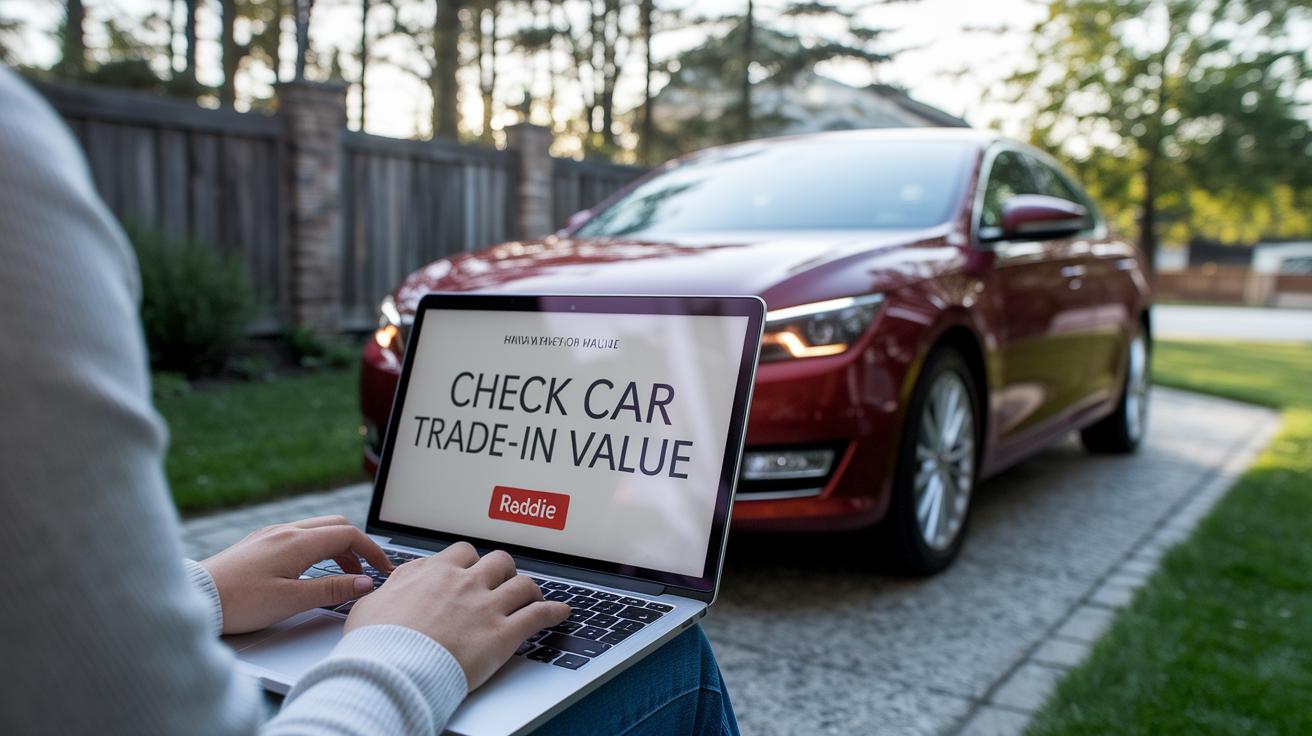
Knowing your car's book value is a great way to set a fair price when you want to sell or trade it. It helps you come up with a realistic asking price and can give you extra confidence when talking with dealers or private buyers. Think of it as your trusty guide that shows the current market value of your ride.
Online Trade-In Calculators
There are plenty of free tools online that can help you figure out your car's book value for a trade-in or private sale. Pick one that explains clearly how it calculates the value using details like your car's age, mileage, and maintenance history.
Here’s a simple plan to get started:
- Gather all the key details about your car, such as the year, make, model, mileage, and condition.
- Choose a well-known online calculator that breaks down how it gets its number.
- Check a few different calculators to see a range of values.
- Use these numbers as a starting point when you begin negotiations.
Negotiating with Book Value Data
When it's time to talk deals, bring up your book value as proof of your car's worth. Show dealers or private buyers the number you calculated to back up your asking price. Mention any perks your car has, like a full service history or very low wear, to help justify a higher value. And if a dealer offers you less than the book value, ask them to explain why, maybe they’re worried about small repairs or cosmetic issues. This way, you keep the conversation clear and honest, which can help you get the best deal possible.
Reassessing Car Book Value: Addressing Discrepancies

Ever noticed when a car's book value seems way higher than what buyers are actually offering? That could be a sign something’s off. Checking its crash history can reveal accidents that might have hurt its worth, and looking over service records often tells the whole story too. These detailed logs might back up that high value or show you need to adjust it. A complete history review might also uncover any damage or repairs that weren’t counted at first.
It also helps to do a quick error check by comparing the book value with similar cars on the lot. This side-by-side look can explain if slight mistakes in depreciation or missed records are throwing things off. And if you find differences, it’s time to see if repairs, modifications, or unusual wear played a role in that original number. Using these down-to-earth tips can help you catch any errors, so you feel more confident when it comes time to close the deal.
Final Words
In the action, this article explored the book value of a car, breaking down its definition and how factors like depreciation, mileage, condition, market trends, and extra features play a role. We walked through simple steps to calculate value using guides and online tools and compared it to market value. Each section offered solid tips for leveraging your car's worth during trade-ins or sales. Enjoy using these insights to make smarter decisions about your vehicle!
FAQ
How can I find the book value of my car?
The book value of your car explains its estimated selling price using factors such as age, mileage, and condition. You can use sites like NADA or Kelley Blue Book to check the value online.
What does the book value of a car mean?
The book value of a car means its estimated worth if sold today. This value is calculated using factors like depreciation, mileage, and overall condition to help evaluate preowned cars.
Can you negotiate car prices using book value?
The book value helps you negotiate car prices by providing a fair baseline for your car’s worth. Dealers and private buyers often use this figure during price discussions to support their offers.
What are some trusted online tools for a car value estimator?
Trusted online tools like NADA and Kelley Blue Book give you free estimates for your car’s value. They use detailed data, including age and condition, to calculate a realistic price.
How do used car values compare to the book value?
Used car values based on market demand can vary, but the book value offers a systematic estimate from standard guides. Both measures help sellers and buyers set realistic expectations during negotiations.