
Ever wondered if an old car can be a smart choice? Old "beater" cars might not have all the fancy gadgets, but they get you around town without costing a fortune.
They may be aged, yet many keep running smoothly for years. That shows they can be both affordable and reliable.
In this write-up, we dive into how these rides work and talk about their benefits. We also point out a few quirky traits that you might notice while driving one.
It might just surprise you how a well-taken-care-of beater can be the perfect ride for your everyday trips.
Beater Car: Affordable, Reliable Ride
A beater car is what some folks call a clunker or shift box. It’s an older vehicle, often with high mileage, that still gets you around town without too much fuss. These rides are built to be both affordable and dependable, typically costing between $2,000 and $8,000. You can find beater cars in many forms, regular cars, trucks, minivans, or SUVs.
Sure, they might have racked up more miles than a new car, but that doesn’t mean they can't keep going. Imagine a 1992 model that has cruised past 300,000 miles without any major issues. Some of these older cars work flawlessly well beyond 200,000 miles, showing that age isn’t always a drawback.
The real charm of a beater car is its simple job: getting you from point A to point B without all the flashy extras. They might not have the latest tech or gadgets, but they make up for it with reliability and a low price tag. And because they’re so affordable, you don’t have to stress about every little ding or extra mile, making them an ideal choice for anyone seeking a straightforward, cost-effective ride.
Beater Car Benefits and Drawbacks: Pros and Cons of Budget Wheels

A beater car is a smart pick if you're not too fussed about depreciation. Even with a few scratches here and there, its value barely drops. Imagine spotting a little scratch and thinking, "That mark? It hardly makes a dent in my wallet!" It’s perfect if all you need is a simple ride from point A to point B.
Another win is the cost savings. Insurance, registration fees, and taxes are lighter compared with those on new models. You won't get blindsided by a surprise bill when you renew your policy. Plus, with a lower price tag, you’re buying a car that just works without the fuss of fancy extras.
On the flip side, there are some downsides. These cars often show their age with things like a busted radio, seatbelts that don't work, or even a missing A/C when it's blazing outside. Those little quirks can be a hassle if you’re chasing modern comforts.
Then there’s the risk of bigger problems later on. A beater might eventually face engine or drivetrain issues that can cost a lot to fix. So, while initial savings are sweet, unexpected repair costs might pop up down the road.
Before you decide, take a good, hard look at the car. Think about what compromises you’re willing to make for a low-cost, reliable ride.
Buying Your Beater Car: Inspection Checklist and Purchase Strategies
When you're on the hunt for a beater car, try to stick with ones that have fewer than 200,000 miles. Fewer miles usually mean fewer problems and less chance you’ll face expensive surprises later on.
Start by checking the basics. Make sure the brakes, tires, suspension, headlamps, and all the fluid levels are working well. For example, press the brake pedal, it should feel firm, not mushy. And don’t forget to take a good look at the tires; they should have even wear and plenty of tread. Hit a small bump to test the suspension and see if it absorbs the impact smoothly. When you check the headlamps, they need to be bright and focused, especially for night drives. Also, pop the hood and check fluids like the oil, coolant, brake, and transmission fluids. These small steps can help you avoid major issues later.
It’s a good idea to schedule a pre-purchase inspection with a trusted mechanic. They can catch hidden problems that you might miss on a quick look-over. I remember one Civic that looked great until the mechanic found a worn timing belt. Little details like that can save you headaches and extra cash down the line.
If you’re looking at specific models, don’t overlook older Civics, Accords, or Corollas from the early ’90s to the mid-2000s. These models are often available for under $2,500, even if they have higher miles. They offer solid performance without breaking the bank.
For a more detailed guide, check out the Car Inspection Checklist for Buyers for a step-by-step breakdown of what to look for. And if you need tips on getting a great deal, the Car Buying Guide has some solid advice on negotiating price and extras.
Remember, the key to a smart beater car purchase is a careful inspection and informed negotiation.
Maintaining a Beater Car: Essential Budget Maintenance Advice
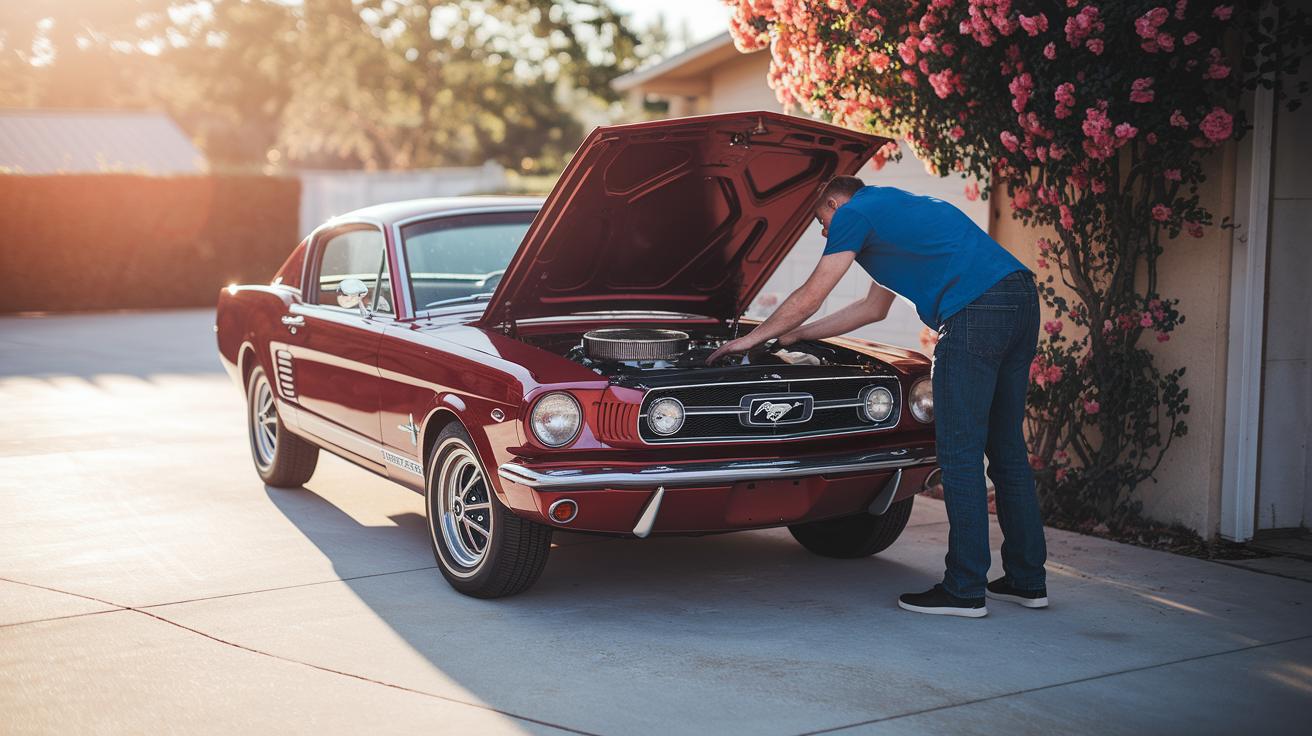
Keeping an older ride safe and running doesn’t have to burn a hole in your wallet. Regular checkups, like oil changes, topping off fluids, and inspecting your brakes, can catch problems before they become expensive surprises. When you stick to your oil change schedule, your engine feels smoother, which helps ward off costly repairs.
It’s smart to check your brakes and tires pretty often. Press the brake pedal until it firms up, and if it feels soft, that could mean something isn’t right. Many little repairs are simple enough to tackle yourself, like swapping out a burnt-out bulb. Doing these fixes on your own saves on both labor and money.
Another budget-friendly tip? Invest in a quality car cover. A cover protects your car’s paint and body from the weather and everyday wear, keeping your ride looking better for longer. Think of it as a simple shield against life’s little bumps.
Even though maintenance costs for older cars are usually lower than for new models, it’s a good idea to set aside some cash for unexpected major repairs. Waiting too long on a problem can make it more expensive later. Try putting a little money aside each month in case something unexpected comes up.
For more easy maintenance tips, check out the Car Maintenance Tips page, and if you’re looking for a deeper dive, visit the How to Maintain a Car section. Keeping your beater in top shape is all about steady care and a few smart, do-it-yourself moves.
Top Beater Car Models: Reliable Cheap Vehicles List
If you’re on a budget but still need a ride that won’t quit, check out early models like the Honda Civic, Accord, and Toyota Corolla from the early ’90s to mid-’00s. They usually run for under $2,500 and have about 200,000 miles on them. I even heard a buddy mention his ’90s Corolla kept on purring along well past its prime, proving that with the right care, these cars really do go the distance.
If you’re a fan of a spirited drive without spending a fortune, the Kia Rio, Nissan Sentra, and Ford Focus might just be your match. They offer a fun driving experience that lets you enjoy the road without emptying your wallet.
Now, if you like rolling up your sleeves for a bit of DIY fixing, the mid-’90s to early-’00s Chevrolet Cavalier is worth a look. With prices around $1,000 or less, its affordable parts make repairs a breeze. It’s the perfect choice for those who are hands-on and love working under the hood.
For anyone needing a little extra space, older models like the Ford F-150, Chevy Silverado, and Chevy Suburban are available for under $5,000. Even some Toyota options like the Pickup, Tundra, and 4Runner might sport higher mileage but still come with a friendly price tag.
Next time you’re shopping for a reliable, pocket-friendly car, give these models a serious thought. They’re proven workhorses that often surprise with their longevity and low-cost maintenance, ideal for anyone who loves a good fix-up project.
Beater Car Use Cases: Who Should Choose a Beater Car?
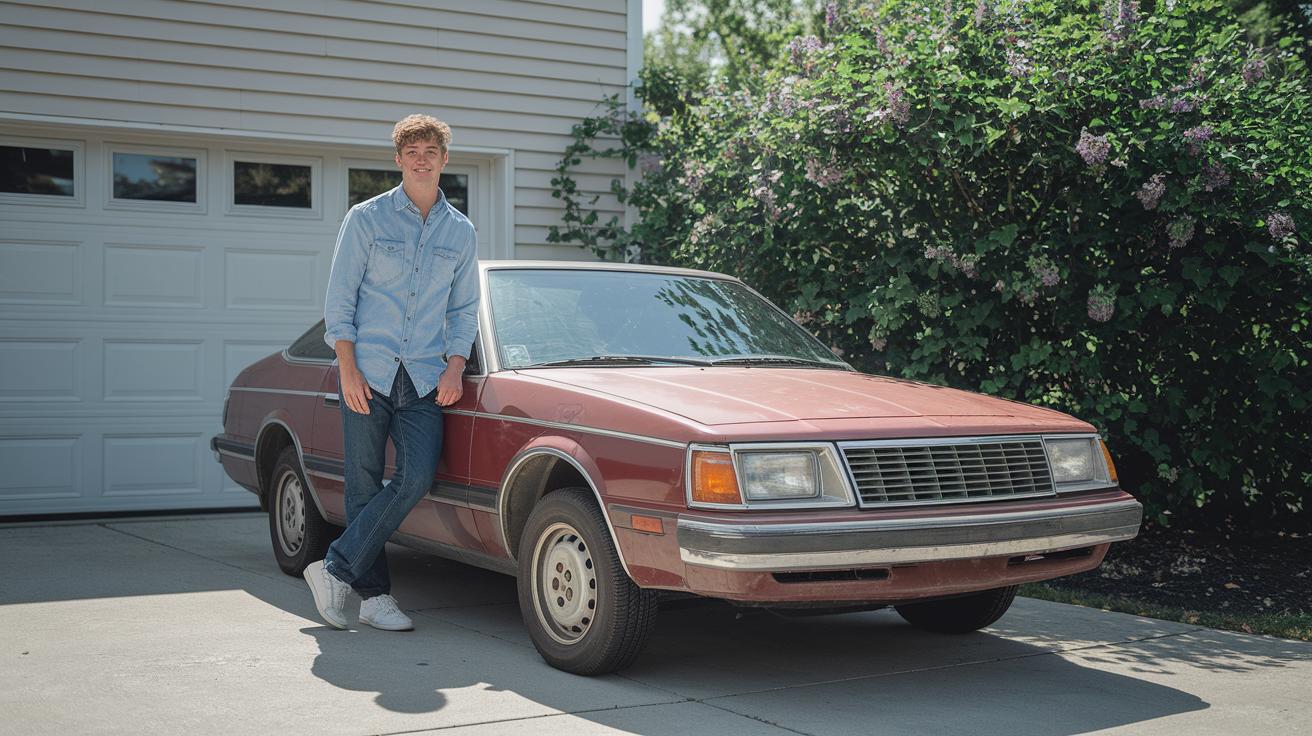
If you're new to driving, a college student, or someone with low credit who’d rather pay cash, a beater car might be just what you need. It’s a smart ride that skips monthly car payments and helps keep your budget in check. For anyone starting out or looking to save money, a beater car is practical and won’t lose its value too quickly.
They also work great as a second car. Imagine commuting short distances in the city or needing a reliable ride to get to a worksite, these cars can take a few dents and dings without much fuss. They simply move you from point A to point B without all the pricey extras.
For DIY lovers, beater cars offer a cool mix of affordability and room to improve over time. They give you a solid base to tinker with and upgrade step by step. Whether it’s your first ride or a backup, check out the profile on First Time Car Buyer for more friendly advice on making a smart, economical choice.
Final Words
In the action, we explored what a beater car really means, breaking down its definition, pros, and cons. We looked at smart buying tips and easy maintenance advice to keep these affordable rides running safely. We even highlighted top models known for their reliability and low price tag. Every step helps you feel more confident about choosing a beater car that fits your needs. Embrace the charm of a beater car and enjoy the freedom it offers for budget-friendly driving.
FAQ
What does beater car mean, why is it called a beater car, and what is beater car slang?
The term “beater car” means an old, worn-down vehicle that’s still reliable for basic driving. It’s called that due to its visible wear and is slang for a humble, affordable ride.
What is a beater car sale?
A beater car sale is an event or online listing where older, budget-friendly cars are sold. These sales focus on affordability and practicality rather than pristine condition.
What is the typical beater car price?
Beater car prices usually range from $2,000 to $8,000 based on age, mileage, and condition. This range gives budget buyers a chance at inexpensive, functional vehicles.
What are the best beater cars under $1,000?
Best beater cars under $1,000 are rare finds. They are often older models needing some repair work and are typically found on various used car marketplaces.
What are the best beater cars under $5,000?
Under $5,000, you often find reliable older models like early ’90s to mid-2000s Honda Civics, Toyota Corollas, and some pickups that offer basic reliability at a low cost.
Why are older Honda models popular as beaters?
Older Honda models, such as the Civic, are popular because they offer proven reliability, fuel efficiency, and modest maintenance costs, making them ideal choices for budget-conscious drivers.
What discussions about beater cars happen on Reddit?
On Reddit, car enthusiasts share buying tips, repair advice, and personal experiences about beater cars. The forums offer a friendly space to learn practical insights and trade repair ideas.
How can I find a beater car near me?
Searching for a “beater car near me” means checking local listings on sites like Craigslist, Autotrader, CarMax, CarGurus, eBay, and Facebook to find affordable, older vehicles close to home.