
Ever checked your odometer and wondered if you're behind or ahead of the average? Most cars travel about 12,000 miles a year. That number may seem simple, but every mile tells a story about your car's health. In this post, I'll break down what those numbers really mean and when you might need to adjust your driving habits. Stick with me and let's see if your ride is keeping up with what most drivers experience.
Average Mileage for a Car: National Benchmark
Most cars in the US usually clock around 12,000 miles each year. This number is a handy benchmark that shows what many drivers typically experience. So, when you glance at your odometer, if your car's annual mileage is close to this figure, you’re riding in sync with most drivers.
Imagine a five-year-old car showing about 60,000 miles, that’s right on target for normal use. Now, picture a ten-year-old car with roughly 70,000 miles; that’s considered low mileage, meaning it hasn’t been driven as much as usual. These guidelines help you figure out if you might be overusing your vehicle or if it’s been taken easy on the roads.
Of course, everyone’s driving habits are a bit different. If you notice that your mileage is much higher or lower than 12,000 miles a year, it might be a good moment to think about your driving routine or when it might be time for a check-up. Your mileage can tell a story about your lifestyle, whether you're on a heavy daily commute or just taking occasional trips.
Factors Influencing Average Mileage for a Car
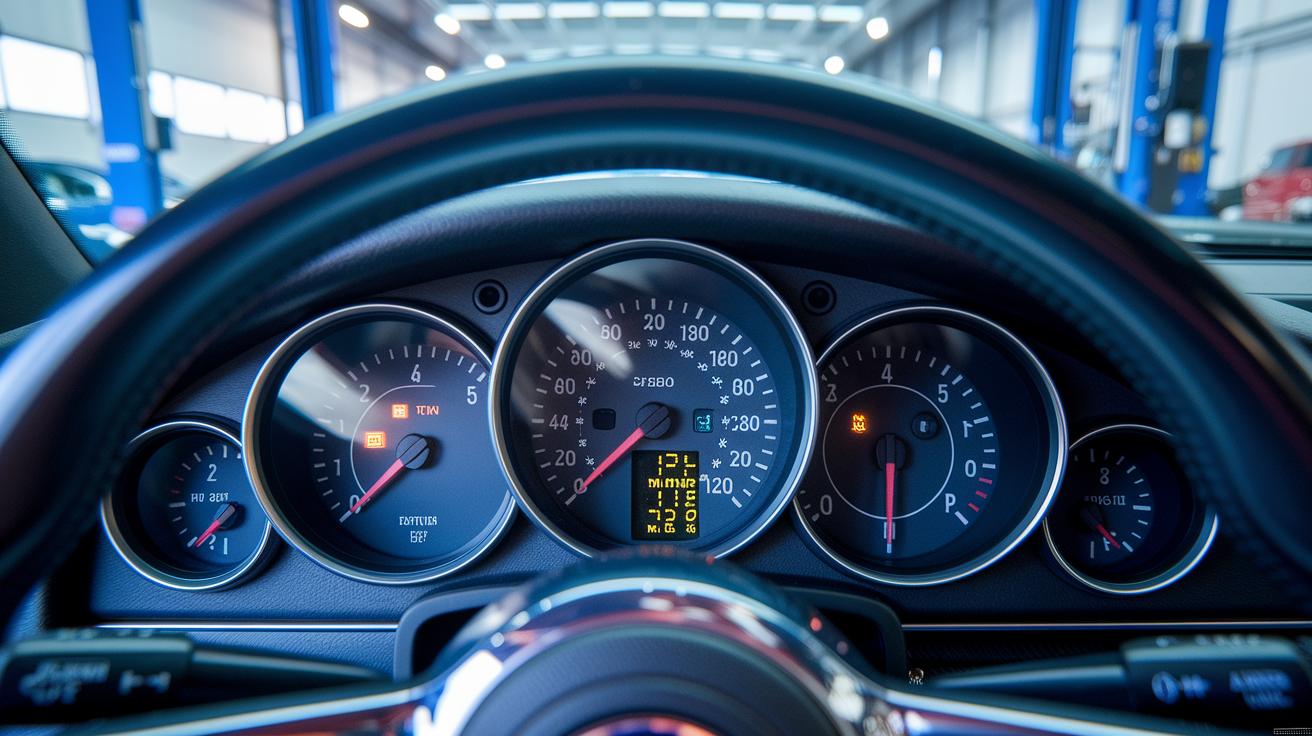
Every driver knows that yearly mileage can vary a lot. Many things play a role in how far your car goes. Keeping up with regular maintenance not only keeps your engine running smoothly but also makes your drives more enjoyable. Sticking to your car care schedule really makes a difference in keeping consistent mileage.
Here are a few key factors that affect how many miles your car travels each year:
- Regular oil changes and routine upkeep
- Whether you’re stuck in city stop-and-go traffic or cruising on the highway
- Your car's age, model, and build quality
- The type of fuel you use and how efficient your engine is
- Your driving habits, like speeding, idling, or aggressive acceleration
- Local weather and road conditions
Think about your own driving. For example, a car getting regular oil changes and mainly used on highways will likely run more efficiently than one suffering through heavy city traffic and missed maintenance. And if your vehicle is older or often driven in rough conditions, it might perform differently than a newer model built with better fuel efficiency.
So, take a moment to reflect on how you drive. Are you pushing your engine too hard with rapid accelerations? Is your maintenance schedule on track? Answering these questions can help you see if your car's mileage is in line with what many drivers experience and guide you in making any needed adjustments.
Classifying Average Mileage for a Car: Low, Typical, and High
When you check your odometer, it reveals a lot about how much the car has been used. Cars with under 50,000 miles are seen as low mileage. This usually means the car hasn't been driven too much. For example, if you spot a four-year-old car with just 45,000 miles, it suggests it spent most of its time parked.
A five-year-old car with about 60,000 miles fits what most people expect. That’s the typical number you might see if you add up a year’s worth of regular driving. It’s like the car’s story of steady, everyday use.
Now, if a car shows over 100,000 miles, it moves into the high-mileage group. And if you see a number above 150,000 miles, that’s even more striking. Many well-maintained models can easily exceed 200,000 miles these days.
Looking at these mileage ranges can help you figure out if a car is likely to run smoothly or if you might want a closer look before buying.
Average Mileage for a Car Across Fuel Types

Gasoline vehicles dominate our roads and usually deliver around a 20 to 30 mpg range. That means every gallon of fuel sends you about 20 to 30 miles down the road. It’s like having a smooth daily drive that keeps pace with your routine. If your car averages about 25 mpg, you’re right in the middle where it should be.
Diesel engines, on the other hand, often offer about 20% better highway performance than gasoline ones. So when a gasoline car hits roughly 25 mpg, a diesel might push to 30 mpg or more during long highway journeys. Plus, diesel engines tend to provide a smoother, more relaxed cruising feel on those extended trips.
Hybrids take a modern twist by combining a gasoline engine with an electric motor. These cars often deliver 35 to 50 mpg, especially in stop-and-go city traffic. Just imagine weaving through city streets; your hybrid is smart enough to save fuel during idling, giving you that extra push right when you need it.
Electric vehicles skip the mpg rating entirely. Instead, they typically travel between 200 and 250 miles on a full charge. In everyday U.S. driving, that translates to about 12,000 miles a year. Choosing an electric car means you can enjoy solid performance without the hassle of frequent fuel stops.
Trends and Benchmarks in Average Mileage for a Car Over Time
US drivers usually cover about 12,000 miles a year. When tough economic times hit, this number can dip a bit. Rural drivers, who often take longer trips, typically rack up more miles, while urban drivers tend to drive less due to frequent stops and short trips.
A ten-year-old car usually shows around 120,000 miles from everyday use. If you find one with under 70,000 miles, it likely means it hasn’t been pushed hard. This idea helps you figure out if a car’s mileage is what you’d expect or if something unusual might be going on.
Picture this: a ten-year-old sedan with roughly 120,000 miles is right in line with national trends. But if a similar car has only 65,000 miles, it’s a sign that it’s been driven less often.
Final Words
In the action of exploring national benchmarks, we broke down how maintenance, driving habits, and fuel types shape our car’s mileage. Each section helped pinpoint where your car stands on the odometer.
We also looked at classifying mileage into low, typical, and high uses with concrete benchmarks. Keep an eye on your vehicle’s reading against the average mileage for a car to stay confident on the road. Enjoy the ride!
FAQ
What is the average mileage for a car calculator?
An average mileage calculator estimates that most cars accumulate about 12,000 miles in a year based on national usage trends.
What is the average mileage for a car by year?
A car’s mileage by year typically shows a five-year-old vehicle with around 60,000 miles, aligning with national averages.
What is the average mileage of a car per litre?
The average mileage per litre for gasoline cars is roughly 8.5 to 12.8 miles when converting from the common 20–30 miles per gallon.
What is the average mileage for a car per month?
If a car is driven about 12,000 miles a year, then it averages roughly 1,000 miles per month under typical usage.
How much mileage is too much on a used car?
Cars with more than 100,000 miles are often considered high mileage, suggesting they might need extra maintenance checks and care.
What is the average mileage for a car in 2022?
In 2022, cars generally followed national trends, accumulating around 12,000 miles per year, which reflects typical usage patterns.
How many miles will the average car last?
Many vehicles will easily hit 200,000 miles or more when properly maintained, showing that a high-mileage car can still perform well.
Is 200,000 miles on a car bad?
A car with 200,000 miles isn’t necessarily bad if it has been well cared for, though higher mileage does increase the chance of more repairs.
Is driving 20,000 miles a year a lot?
Driving 20,000 miles a year is almost double the national average, putting extra stress on a vehicle compared to typical driving habits.