
Ever wonder if your car packs enough punch to excite you? Today's cars usually have about 250 horsepower, which really sets them apart from older models. Think of your car like a beating heart that fuels energy; whether it's your everyday sedan or a sleek electric ride, each engine has its own story to tell. Every number reflects a change in design and a nod to our growing love for performance. So, are you ready to see how your car's rhythm matches up against others on the road? Hang on as we explore the true force behind those stats.
Average horsepower of a car today: core statistics
Modern cars are steadily ramping up in power. Recent EPA data shows that by 2022, most cars average around 250 HP. This trend covers a wide range of vehicles, from everyday mid-size sedans to punchy sports cars and eco-friendly electric rides. It's interesting to see how performance separates simple economy models from high-octane hypercars.
Take the Honda Accord from the 2010s, for example, it generally delivered between 192 and 252 HP. Meanwhile, hypercars from the 2000s, like the Koenigsegg CCX-R, easily pushed beyond 700 HP, with one model hitting an impressive 1,018 HP. Modern electric cars are also making waves by offering over 300 HP, all while running clean with zero tailpipe emissions.
| Vehicle Segment | Average Horsepower (HP) | Example Model (Year) |
|---|---|---|
| Sedan | 220 | Honda Accord (2019) |
| SUV | 250 | Ford Explorer (2021) |
| Truck | 300 | Ford F-150 (2022) |
| Sports Car | 450 | Chevrolet Corvette (2020) |
| Electric | 350 | Tesla Model 3 (2020) |
Historical average horsepower of a car over decades
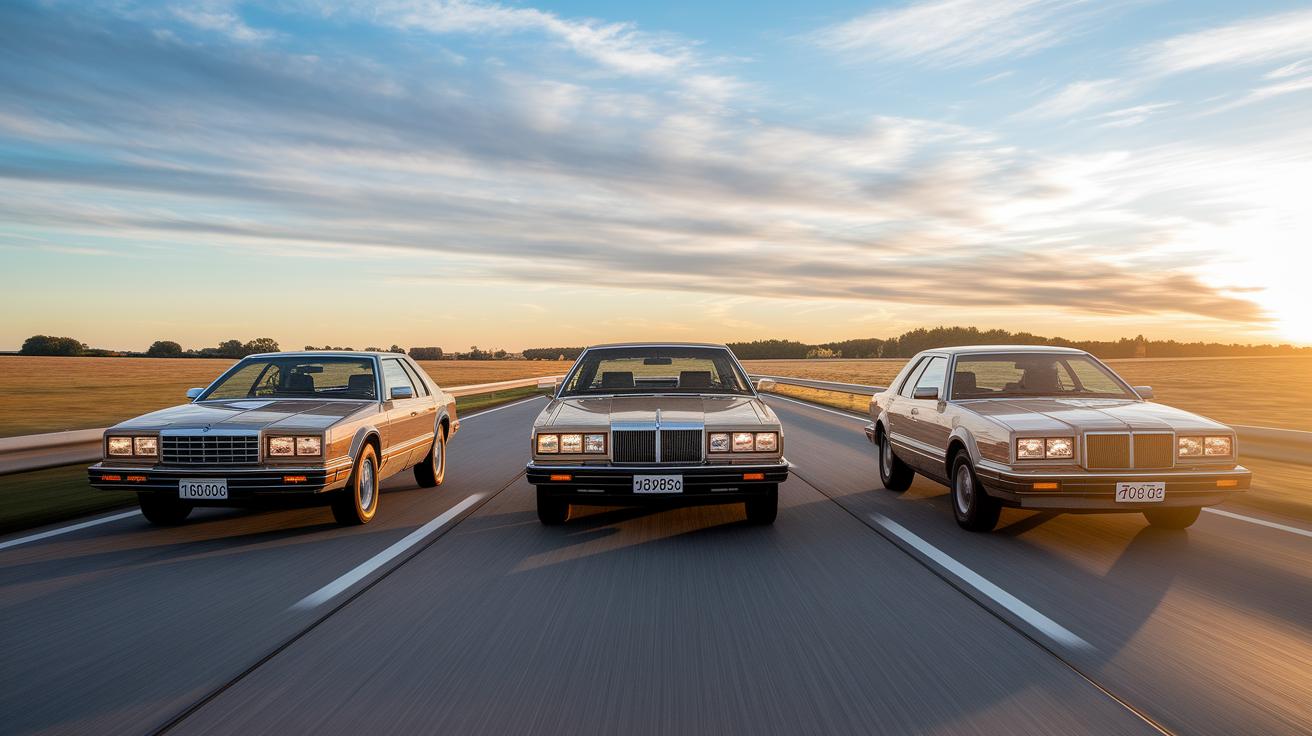
Back in the 1950s, car makers were all about power. They pushed engine ratings above 300 HP to capture the excitement of muscle and speed. Engines were built to wow, giving drivers a taste of freedom on the open road.
Then came the 1970s, when new emissions rules and a shift from gross to net horsepower ratings changed the game. Cars started showing lower numbers in the low 100s as tighter controls and an oil crisis made manufacturers rethink engine designs, putting more emphasis on saving fuel.
By the 1980s, science played a bigger role in tuning engines. Models like the Chevy Cavalier and Mustang SVO proved that clever adjustments could keep performance up even with strict emissions limits. Car makers found a balance by moving toward more efficient designs, with some Mustang 5.0 models eventually breaking above 220 HP.
In the 1990s, favorites like the Honda Accord and Toyota Camry helped bring horsepower back to a healthy range of 130 to 170 HP. This era mixed improved efficiency with a real love for reliable performance.
The 2000s saw a steady push upward. Everyday cars started offering between 200 and 300 HP, while hypercars exploded past the 1,000 HP mark, showing off a renewed passion for performance innovation.
By the 2010s, mid-size sedans settled comfortably in the 192–252 HP range. This period blended smart engineering with balanced emissions standards, proving you can have modern performance without giving up everyday usability.
Key factors affecting a car’s average horsepower
Engine size and the number of cylinders are the basics of a car's power. A bigger engine with more cylinders lets in extra air and fuel, making the burn stronger. Simply put, a larger engine usually means more horsepower.
Turbochargers and superchargers can give your engine a boost of about 15–30%. They work by pushing more air into the cylinders so the fuel burns harder. Think of it as a quick power boost that improves performance without a major redesign.
Direct fuel injection, paired with variable valve timing, makes burning fuel more efficient. Direct injection sprays fuel straight into the combustion chamber, while adjusting the valves helps the engine get just the right amount of air. This combo makes sure the engine runs smoother and delivers steady horsepower.
Hybrid drivetrains mix electric motors with regular engines to create a cool, combined effect. The electric motor helps out during acceleration by adding extra torque and power, which can really make a difference, especially in stop-and-go traffic.
Emissions controls, like catalytic converters and EGR systems, might take a tiny bit off the top horsepower. They work to keep the air cleaner by managing waste gases, and often, the cleaner air is well worth the small drop in power.
Average horsepower of a car across vehicle segments
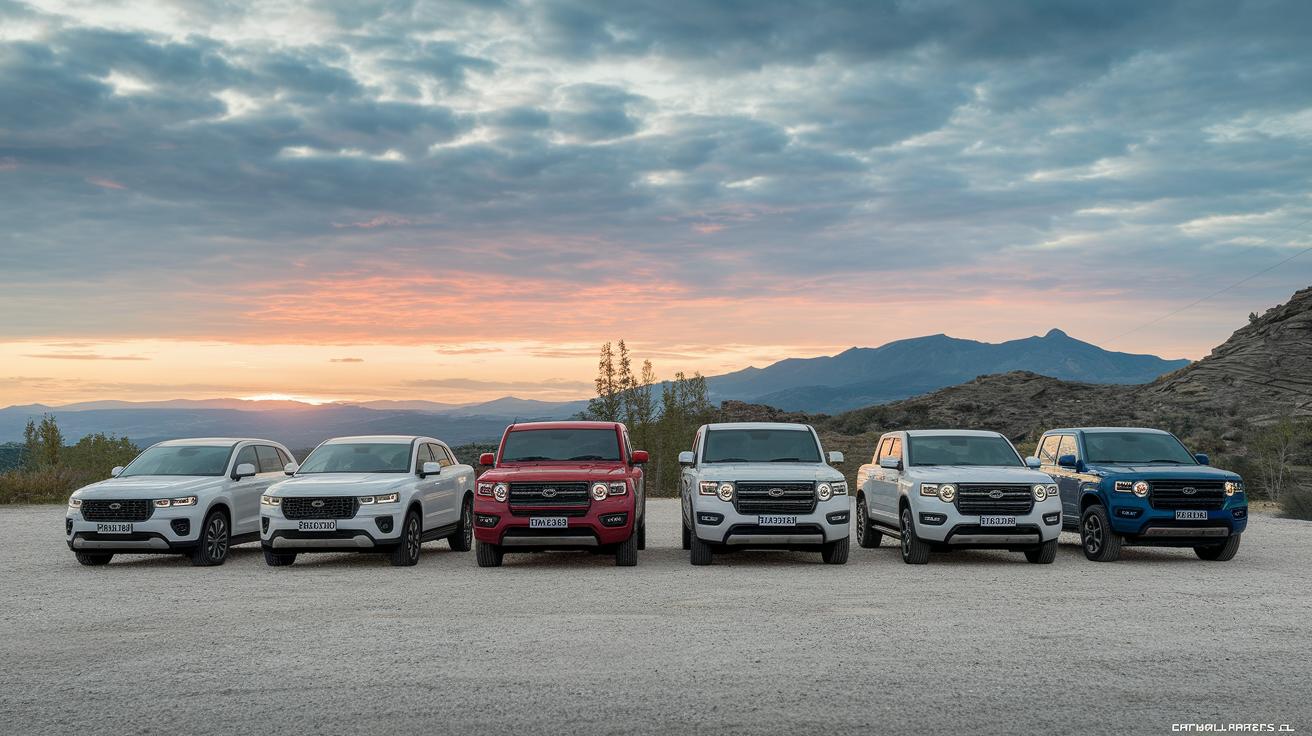
Mid-size sedans have come a long way. Older models used to offer less power, but today you can expect about 180 to 260 horsepower. That extra push when shifting gears makes a noticeable difference. Back in the 1980s, sedans had under 150 horsepower, which shows just how far performance has come.
Compact SUVs now mix strength with everyday ease. They usually pack between 220 and 280 horsepower, and full-size SUVs often top 300 horsepower. Manufacturers have fine-tuned their engines so you get quick city handling without hurting fuel economy.
Trucks have seen a major boost too. Light-duty trucks now deliver around 250 to 350 horsepower, making them great for both work and play. Heavy-duty pickups push beyond 400 horsepower. These improvements mean better towing, quicker acceleration, and a smoother ride on the road.
Performance sports cars still lead the pack when it comes to power. They average between 350 and 500 horsepower, while supercars start above 500 horsepower. Even electric crossovers, often with dual motors, offer about 250 to 350 horsepower. This shows that modern technology is setting new power standards in every segment.
Future average horsepower trends in modern cars
Modern cars are getting a real boost from lightweight alloys and smart turbocharging. Car makers are ditching old designs in favor of new materials and clever engineering. Next-gen hybrids are gearing up to hit 350 to 500 HP in everyday models, promising drivers quicker, more responsive rides. And electric cars? They’re making waves too, with many models pushing past 400 HP and some top versions even exceeding 1,000 HP. This means everyday driving becomes a lot more exciting while still keeping an eye on cleaner emissions.
Efficiency and tighter emissions rules are the big drivers behind these changes. Automakers are working hard to balance more power with environmental goals by fine-tuning engine designs and using the latest battery technology. As these trends take hold, we might soon see a whole new way of thinking about horsepower in our daily rides. Curious about what’s next? Check out car market news for the latest updates on these rapid advancements.
Final Words
In the action, we explored today’s average horsepower of a car, pinpointed around 250 HP. We tracked how different eras, segments, and tech tweaks shape performance, from modest sedans to powerful electric models. We even shared insights into what future trends might bring, using engine tweaks and lighter materials to boost power.
Every figure tells a story, offering a clear view into how cars evolve. Enjoy these insights as you make smart, exciting decisions about your next ride.
FAQ
Q: What is the highest horsepower car?
A: The highest horsepower car typically refers to hypercars that push beyond 1,000 HP. These models showcase extreme engineering and performance meant for those seeking top-tier power.
Q: What is the average horsepower of a car?
A: The average horsepower of a modern car is around 250 HP by 2022 standards. This average reflects improvements in engine design and overall vehicle efficiency across various models.
Q: What is the average horsepower of a sports car?
A: The average horsepower of a sports car usually lands between 350 and 500 HP. This range provides a balance of extreme performance and the spirited driving feel sports enthusiasts love.
Q: What is the average horsepower of a motorcycle?
A: The average horsepower of a motorcycle is roughly 100 HP. While this varies by model and style, many sport bikes offer similar levels for quick acceleration and nimble performance.
Q: What is a good horsepower level for an SUV?
A: A good horsepower level for an SUV generally exceeds 250 HP, with many modern SUVs offering around 300+ HP. This power helps them combine respectable fuel efficiency with confident on-road performance.
Q: Is 250 hp good?
A: A 250 hp rating is considered balanced, offering enough power for smooth acceleration and everyday driving while sustaining efficiency and ease of handling for regular commutes.
Q: Is 300 hp a lot for a car?
A: A 300 hp car provides a strong performance boost, delivering lively acceleration that many drivers appreciate. It gives a noticeable edge in power without compromising day-to-day driving comfort.
Q: Is 400 horsepower a lot?
A: A car with 400 horsepower is classified as high performance, offering impressive acceleration and a spirited driving experience that appeals to enthusiasts looking for extra power and excitement.