
Ever wondered if that classic car is really priceless or just getting all the hype? Antique car price guides lay out the real numbers behind these vintage rides. They combine old auction records with today’s market trends to show you what a car is truly worth. These handy tools help you spot surprising price differences so you can make a smart call when investing in a timeless ride. Stick with us as we share some trusted valuation tips every collector and car lover should know.
Antique Car Price Guides Explained: Methods and Sources
Antique car price guides are handy tools that pull together a lot of info, sale prices, wholesale deals, auction results, and current listings. They mix old auction data with the latest market numbers so you can get a clear picture of a car's true value. Ever been surprised to find out that a vintage Ford once sold for more at an auction than a modern car? That’s how these numbers can tell a story.
NADA Guide, for instance, offers both wholesale and sale prices for classics, exotics, RVs, and more. It comes out quarterly in print and online. Then there’s CPI (Cars of Particular Interest), which focuses on collector cars made from 1946 onward. Their detailed figures are trusted by many lenders and businesses. If you’re looking for free and easy-to-use pricing info, Classic.com relies on five years of auction data, starting in 2019. Meanwhile, Hemmings Price Guide hones in on three-year trends straight from its own listings. And let’s not forget Kelley Blue Book, it’s a go-to for fair market and trade-in values, especially for vehicles that are 21 years or older.
Choosing the right guide really depends on what you’re after. If you need the most recent auction snapshots, Classic.com or Hemmings Price Guide might be the best fit. But if you want a wider look that includes wholesale figures and trade-in values, NADA Guide, CPI, or Kelley Blue Book are solid choices.
Top Antique Car Price Guide Resources
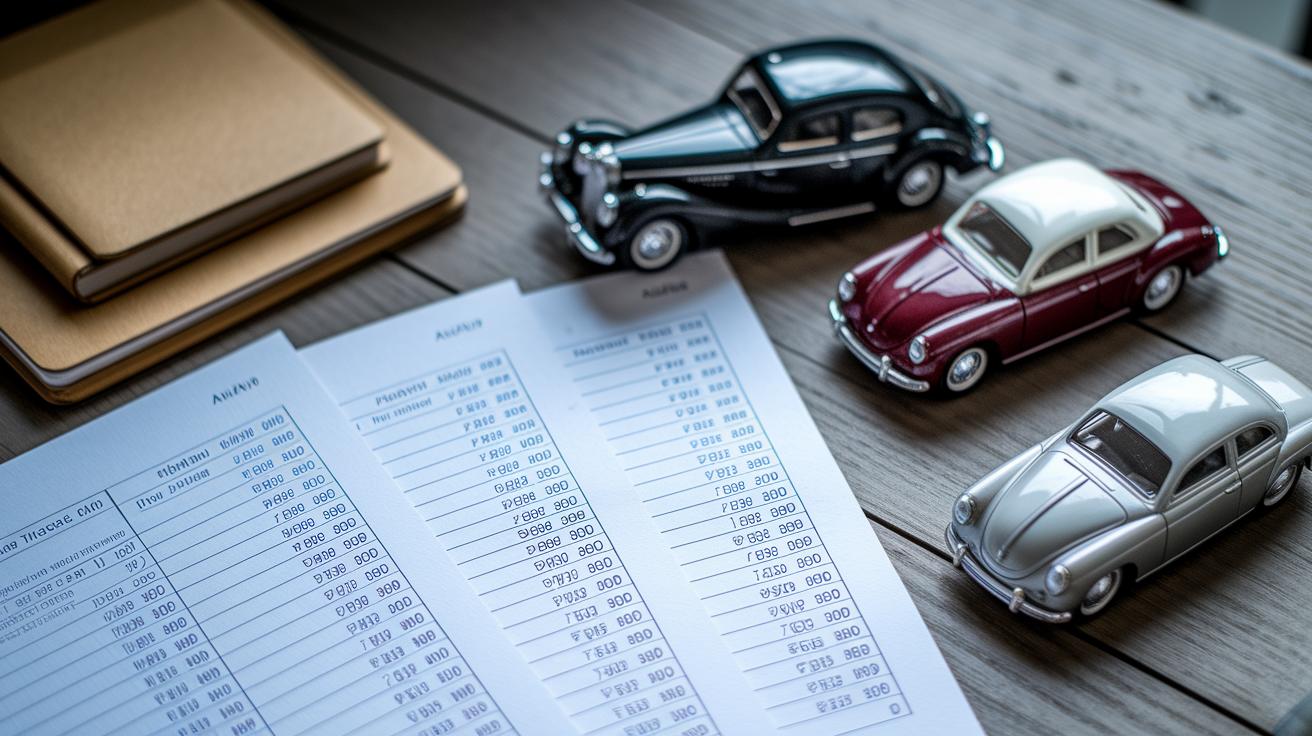
Collectors have many ways to check antique car values today. They use different guides that evolve over time, each giving its own look into classic car prices.
NADA Guide
The NADA Guide has grown a lot over the years. What started as a tool for basic wholesale prices now also shows trends to help collectors notice market changes. Experts agree that its balanced look at both past and current values makes it a smart choice for understanding antique prices. It’s kind of like getting both the historical story and the current vibe of each car.
CPI (Cars of Particular Interest)
CPI digs deep into data since 1946, offering clear and business-ready information. Recent studies show that their precise numbers help banks and appraisers make solid decisions. It’s a trusted resource if you need to understand detailed price shifts over time.
Classic.com
Classic.com isn’t just about auction numbers anymore. It now uses five years of auction comparisons to reveal long-term trends. This approach gives a fresh look at how past auctions influence today’s market, making it easier to see where prices are headed.
Hemmings Price Guide
Hemmings Price Guide focuses on the here and now with three years of current listings data. Car lovers value its real-time snapshot of asking prices and market trends. If you want to know what prices look like today, Hemmings is a handy tool.
Kelley Blue Book
Kelley Blue Book now checks both fair market values and trade-in prices for vehicles over 21 years old. Experts like its method, which mixes user feedback with traditional measures to give a clear picture of a car’s worth. It’s become a go-to for anyone looking for reliable valuation estimates.
| Resource | Coverage Years | Data Provided | Access Format |
|---|---|---|---|
| NADA Guide | Quarterly Updates | Wholesale & Sale Prices | Print & Online |
| CPI | 1946 to Present | Detailed Appraisal Data | Digital |
| Classic.com | 5 Years | Auction Data Analysis | Online |
| Hemmings Price Guide | 3 Years | Real-Time Listings | Online |
| Kelley Blue Book | 21+ Years | Fair Market & Trade-In Values | Website |
Antique Car Price Guides: Reliable Valuation Tips
Antique car value is more than just the price tag you see online. Many different things help decide what a car is really worth. Experts look at current sales along with trends from the past to get a full picture. They check a car's condition, how rare it is, and sometimes even test how loan rates might affect the price. Even with those factors, the real value comes from the car’s special features.
Here are some key points that shape a car’s value:
- Model year and how many were made
- Rarity and special editions
- Overall condition and originality
- Its history and any records that show where it’s been
- How much it has been restored or changed
- Demand from current auctions and listings
Different guides weigh these factors in their own way. Some put more focus on the latest auction results while others look closely at long-term market trends for both wholesale and retail. It really depends on the guide’s style and data. That’s why collectors often check more than one guide to get a clear idea of an antique car’s true worth.
Historical Trends in Antique Car Price Guides
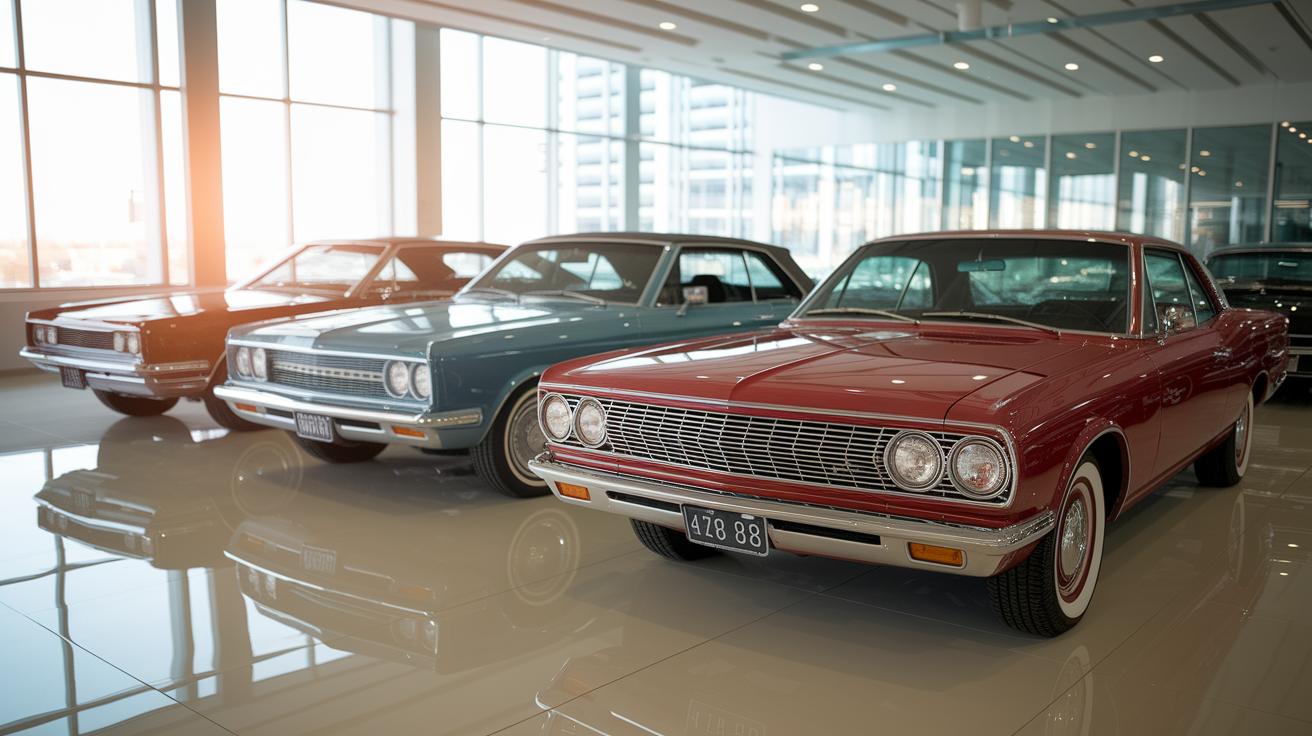
Over the last few decades, antique car values have been on a steady rise, showing us just how much collector interest has grown. Back in the 1950s, muscle cars stole the spotlight. Prices for these rugged rides jumped by about 35% between 2000 and 2020, as enthusiasts chased that raw American power. In the 1960s, European cars got their moment too, values soared nearly 30% as buyers fell for their sleek style and smooth performance. And then there are the pre-war gems, with some models climbing close to 40%, as collectors hungrily reached back into early 1900s history. Every era seems to have its own magic, from the brawn of a muscle car to the elegance of a classic European.
More recent data over the past five years paints an interesting picture of how the antique car market is shifting. Auction records show muscle cars and pre-war models hitting record price tags, even if the final sale prices usually come in a bit lower than the asking numbers. Many collectors say that sellers start with high hopes, but the actual deals reveal a gap influenced by buyer caution and market ups and downs. NADA’s quarterly updates capture these changes beautifully, giving us a timely snapshot of the market's heartbeat. Meanwhile, Hemmings data, based on three-year listings, points out short-term twists, and Classic.com’s five-year sale-price comparisons remind us that the upward trend in antique car valuations is here to stay.
Using Vintage Car Value Calculators in Price Guides
Vintage car value calculators are a neat way to quickly figure out what your classic ride might be worth. These online tools mix numbers from wholesale, retail, and auctions to give you a money range instantly. It’s like getting a fast check-up on your car’s health without waiting for a pro to come by.
Here’s how you can get your quick estimate:
- First, type in your car’s model year and VIN (that’s your car’s special number). For instance, put in "1967" followed by something like "ABC1234XYZ."
- Next, choose the condition grade that fits your car best, whether it’s in mint condition or a bit worn out.
- Then, add in your car’s mileage and any extras it might have. It’s a little like filling out a survey, each detail can tweak the final number.
- Finally, review the value range the calculator gives you.
Many collectors love these tools. Classic.com's free auction calculator and CPI’s lender tool are a couple of favorite picks among enthusiasts. Their easy VIN- or model-year methods make it as simple as entering a few key details to get your car’s estimated worth.
Expert Appraisals vs. Online Antique Car Price Guides
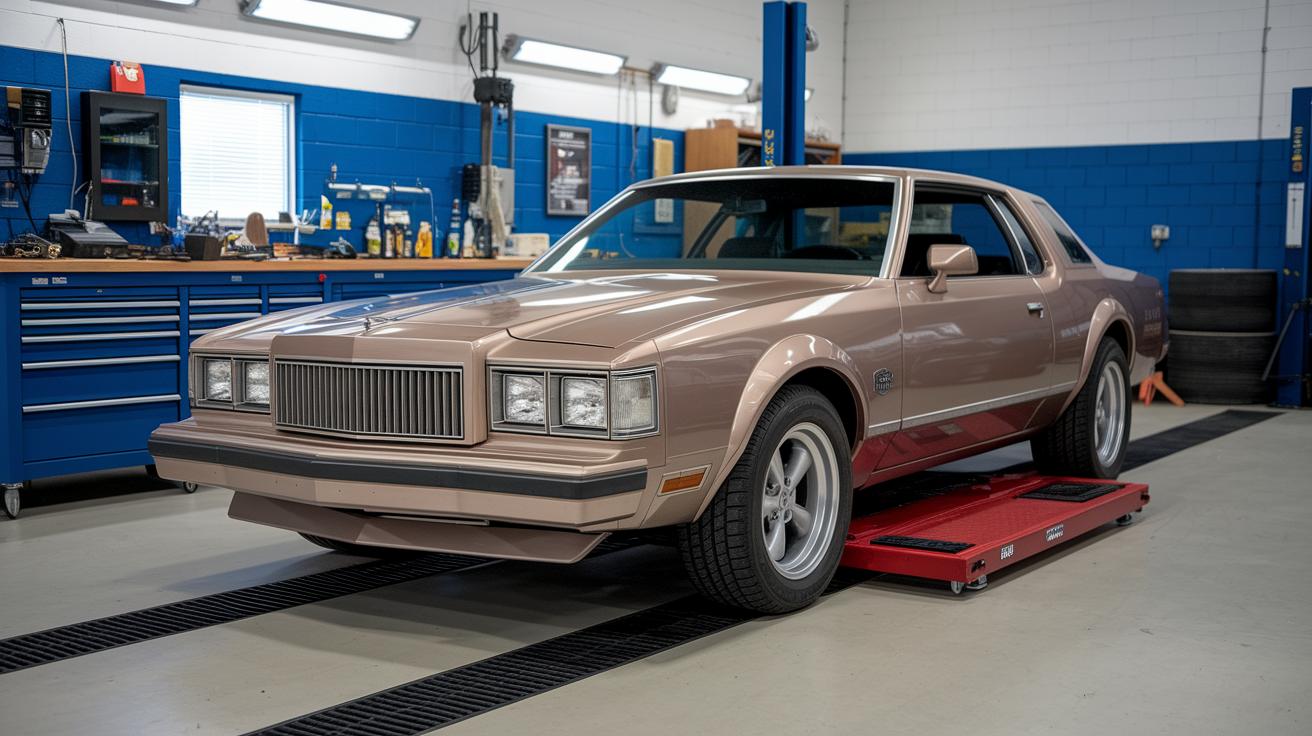
Online tools can quickly give you a ballpark figure by blending recent sale numbers, auction stats, and wholesale values. They’re great if you just need a fast look at what your antique might be worth. But sometimes, these calculators miss out on rare restorations or unique backstories that don’t fit into a standard formula. For example, an online guide might offer an average value without noticing a one-off restoration that makes your car extra special.
If your car sports remarkable modifications, has a detailed history, or specific needs for insurance or loans, hiring a certified appraiser is your best bet. These experts mix various data with a hands-on inspection to catch details like wear, special editions, or unique upgrades that digital tools simply can’t see. They know how to adjust for any quirks or enhancements, giving you a more accurate valuation that lenders and collectors trust for big decisions.
Both online guides and professional appraisals have their place. It can be smart to start with a quick estimate online and then get an expert’s detailed opinion to build a complete picture of your antique car’s value. This approach lets you enjoy the speed of online tools while getting the precision needed for those rare models.
Best Practices for Maximizing Reliability of Antique Car Price Guides
If you're into collecting or selling antiques, having the right data is key. Compare a few different guides to catch any odd estimates that don't match up with today's market. It really helps to check and refresh your data, since fresh auction and listing numbers show you what trends are happening right now.
Don't stick to just one guide. Guides gather info in various ways, so looking at several can give you a better picture of your car's value. Also, keep in mind that local market differences can change a price. Prices in one area might differ from another because of regional demand or trends.
It also helps to keep a detailed record of all the maintenance and ownership details of your vehicle. Having these records on hand means that when you talk to specialists, you can back up your numbers with real history. These experts often add extra insights to the numbers you see in the guides. If you're planning to use this data during negotiations, reviewing some tips on how to negotiate car price might boost your confidence.
Lastly, think about setting up digital alerts or subscribing to services that update on a quarterly or annual basis. These tools provide real-time insights so you can keep up with market shifts. This way, the valuation of your antique car stays accurate and always in tune with the latest trends.
Final Words
In the action, we broke down antique car price guides, explaining how they gather sale, auction, and listing data. The post covered key resources like NADA Guide, CPI, Classic.com, Hemmings Price Guide, and Kelley Blue Book. We also chatted about factors that influence evaluations, historical trends, value calculators, and the balance of online and expert appraisals.
Each segment aims to help make smart decisions. Armed with antique car price guides, you can feel more confident navigating the classic car market. Enjoy the ride!