
Ever feel like transferring car ownership is more puzzling than it should be? Many drivers think it always turns into a messy ordeal, but it doesn’t have to be that way. With a few clear steps, the whole process becomes easy to follow.
First, gather your important paperwork. Then, make sure your forms get accepted at the DMV. Whether you’re selling your car or buying a new one, this simple roadmap helps you dodge common mistakes and keeps everything running smoothly. Ready to make your car sale a breeze?
How to Transfer Ownership of a Car: Step-by-Step Walkthrough

-
First, gather all your important paperwork. Grab the signed vehicle title, a bill of sale with all details (for instance, "Seller: Tim, Buyer: Alex, Price: $5,000, Date: 08/15/2023"), the odometer disclosure statement to record the miles, a government-issued ID, and proof of insurance. This makes sure you’re all set from the start.
-
Next, both you and the buyer need to sign the title in the right spots. Take a moment to confirm that every detail is spot on, like the car’s VIN (vehicle identification number) and the sale date. Accurate info is key.
-
Then, fill out the bill of sale completely. Write down the names and details of both parties, the exact sale price, and the date of the transaction. This document is your proof that the ownership is changing hands.
-
Now, complete the odometer disclosure by jotting down the current mileage. This simple step helps avoid any confusion about the car’s usage later on.
-
If your state requires it, have your paperwork notarized. Simply visit a local notary, and they’ll stamp your documents to confirm the signatures are genuine.
-
After that, submit everything to the DMV. Whether you go in person or use an online service, make sure to bring or upload all the correct forms along with any scheduled appointments to keep the process smooth.
-
Don’t forget about the fees. Title transfer fees usually run between $15 and $100, a registration update fee might cost between $20 and $75, and there’s also sales tax, often about 4–8% of the sale price.
-
Finally, keep your receipt safe and check on your paperwork’s progress. If you’re using paper forms, expect a turnaround of about 1–2 weeks; online submissions usually take 3–5 business days.
Required Documents and Fees for Car Ownership Transfer

Before you head to the DMV, make sure you have everything ready. You’ll need a signed title (get it notarized if needed), a bill of sale showing details from both the buyer and the seller, an odometer disclosure to show the real mileage, a valid government-issued ID, and proof of insurance. If you're transferring a car as a gift or through inheritance, swap the bill of sale for extra paperwork like a notarized gift affidavit or a death certificate.
The fees can vary. You might pay anywhere from $15 to $100 for the title transfer, about $20 to $75 for updating your registration, plus sales tax of roughly 4 to 8 percent of the sale price. This list helps you plan ahead without any extra fuss.
Filing the Title Reassignment for Car Transfer at the DMV

Booking your DMV appointment ahead of time really helps. Most offices let you reserve your spot online. Print out that confirmation and try to arrive about ten minutes early. I once did just that, and it made my wait much shorter.
Requirements can change from one state to another. Sometimes you may need an extra inspection or a few extra documents that aren’t mentioned in the basic steps. So, always check your state’s DMV website to be sure you have everything in order.
When you can, use the digital portal that many DMVs offer. It speeds things up, with title updates coming in 3 to 5 business days instead of waiting 1 or 2 weeks for paper filing. And don’t forget, you get a receipt after processing – hold on to it for your records.
| Tip | Description |
|---|---|
| Book Online | Save time by reserving your appointment in advance. |
| Check State Rules | Some states might need extra inspections or extra documents. |
| Use Digital Portal | Get your title updated faster with online processing in 3-5 days. |
Updating Car Registration after Ownership Transfer

Once you've finished transferring the title, it's time to update your car registration. This means filling out a form either at your local DMV office or online if your state offers that option. Sometimes, you might be able to keep your old license plates, but other times you'll need to turn them in for new ones.
If you're updating online, be sure to scan your new title and have your payment method ready. Paying by card keeps the process quick and simple, and you'll typically get a confirmation within 3 to 5 business days. Picture this: you scan your title, pay by card, and receive a fast confirmation, it's smooth and hassle-free.
Annual registration fees usually range from $20 to $75, depending on your state's rules and your vehicle type. Taking care of your registration update on time helps you avoid extra fees or complications later on.
So, gather all your paperwork and check your DMV's online portal for any updates. Staying organized makes the entire process smooth and stress-free.
Car Ownership Transfer Rules by State
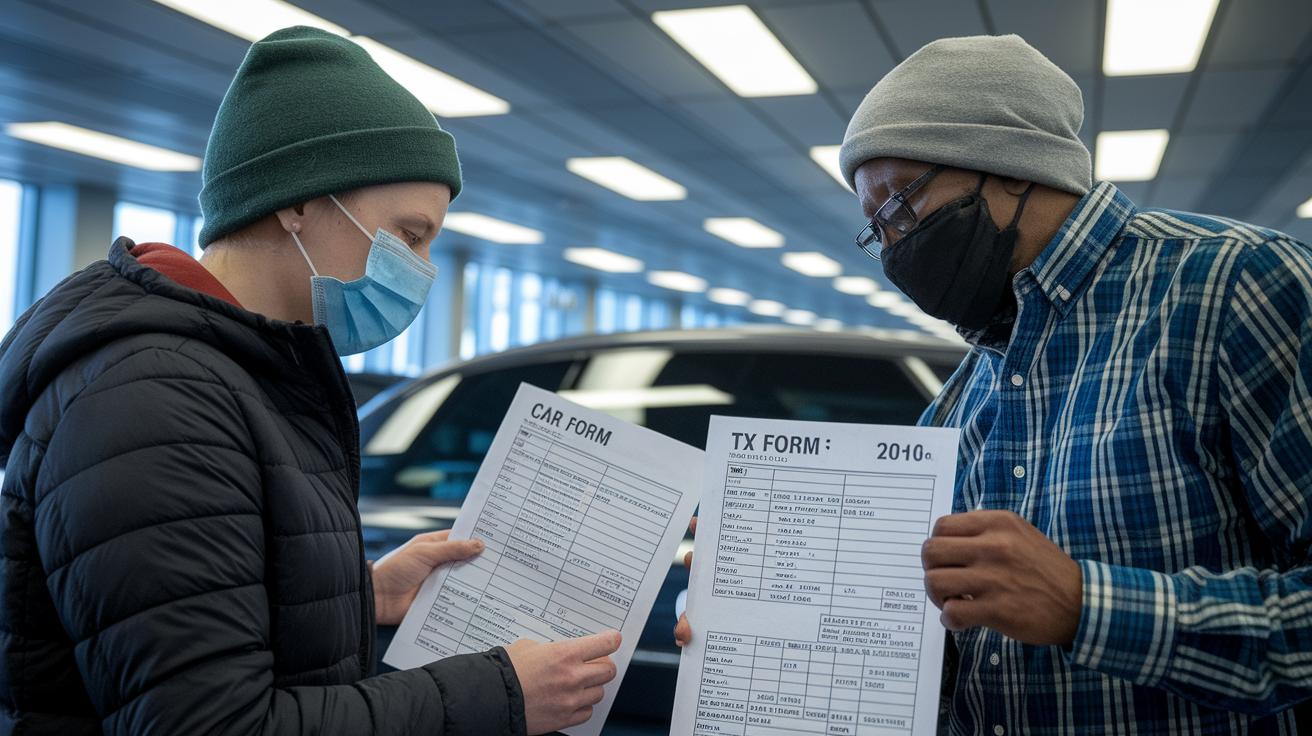
Transferring a car’s title can feel a bit different depending on your state. In California, for instance, you need to pass a smog check to ensure your car’s emissions meet standards before you fill out DMV Form REG 262. That simple inspection helps the process go smoothly.
Over in Texas, you must send in Form 130-U within 30 days of the sale. And if you're handing the car over to a family member, you might even benefit from a tax break. It’s a handy tip that makes transferring ownership a lot easier.
New York has a similar step-by-step system. You need to complete DOT-802, attach a bill of sale, and bring proof that sales tax has been paid. This extra paperwork helps prevent mix-ups later on.
In Wisconsin, the process calls for sending in Form MV1 and the signed title within 30 days. Some counties might even ask for the form to be notarized, which adds a bit more formality.
Knowing these details can really save you time and hassle. Imagine the relief of knowing exactly which form to submit and what extra steps you might need to take. A neighbor in Texas once mentioned how being aware of that 30-day window and the family tax exemption made his process super smooth.
| State | Required Forms | Additional Requirements |
|---|---|---|
| California | REG 262 | Smog inspection |
| Texas | Form 130-U | 30-day window, tax exemption for family |
| New York | DOT-802 | Proof of sales tax paid |
| Wisconsin | Form MV1 | Title within 30 days, notarization |
Liability and Tax Considerations in Car Ownership Transfer

When you sell your car, it’s key to safeguard yourself from any surprises later. File a Release of Liability form within 5 to 10 days after the sale. This simple step cuts your responsibility for tickets or accidents that might happen after the new owner takes over.
Sales tax is another important point. Usually, you’ll pay around 4% to 8% of the sale price. If the car is a gift, an inheritance, or transferred to an immediate family member, you might skip the tax. Always check your state’s rules to see if you qualify for an exemption so you’re not paying more than you need.
Missing deadlines or simple slips can lead to fines, often between $25 and $100 depending on your area. I once heard about a seller who took just a few extra minutes to review all their paperwork, and it saved them from an unexpected penalty later on.
Following these steps makes your car transfer process smooth and worry-free. Stay on top of it and enjoy the ride!
Troubleshooting Common Pitfalls in Car Ownership Transfer

Transferring your car ownership can hit a few bumps along the way. Common mix-ups like missing signatures, wrong VIN numbers, incorrect odometer readings, or names that don’t match can hold things up. Always take a minute to check each detail on your form. For example, while you fill it out, pause and confirm that every piece of information, like the mileage and VIN, matches your car’s records.
Sometimes, unpaid liens show up unexpectedly. If you spot a lien on your title, get the lien release to clear things up. And if you notice any mistakes on your documents, opt for a corrected title or even a notarized affidavit to make sure everything’s right.
Here are a few quick tips:
Taking the time to review your paperwork carefully now will help prevent delays later. It’s like giving your car a quick tune-up, sometimes a little extra attention goes a long way.
Online and Digital Options for Car Ownership Transfer

State DMV websites let you quickly and safely transfer your car's title and update its registration. First, upload a clear scan of your title to get started. Then, sign the forms electronically, just scan, click, and you're on your way.
Your info is kept secure using strong safety measures like SSL encryption and extra identity checks. You’ll also get a confirmation email with a reference number so you can easily track your update.
Paying fees is simple and secure online, and most users see their updates done in just 3 to 5 business days. This smooth process shows how digital services make car transfers hassle-free, saving you time and effort.
Final Words
In the action, we broke down each step to transfer ownership of car. We covered everything from gathering paperwork to handling fees and the correct DMV process.
We explained how to manage online submissions and even spot common mistakes along the way. Each tip aims to help you complete your title transfer quickly and smoothly.
Stay positive and keep your documents in order, the process becomes much simpler when each step is clear. Enjoy the ride!
FAQ
How to transfer a car title to a family member?
Transferring a car title to a family member involves signing the title, completing a bill of sale, and submitting the documents with required fees at your local DMV. Follow your state’s specific instructions.
How to transfer a car title online?
Transferring a car title online usually means uploading a scanned title, e-signing forms, paying fees, and receiving a new title within a few business days.
How to transfer a car title to a family member in New York?
In New York, transferring a car title to a family member requires filing a DOT-802 form, a bill of sale with proof of tax payment, and following precise DMV instructions for submission.
How to transfer a car title to a family member in New Jersey?
In New Jersey, you must sign the title, complete a bill of sale, and submit these documents to your local MVC office along with the applicable fees to complete the transfer.
How to transfer a car title to a family member in California?
In California, transferring a car title to a family member involves completing DMV Form REG 262, having a smog inspection if needed, and filing the paperwork with the appropriate fees.
How to transfer a car title to a family member in Virginia?
In Virginia, the process involves signing the title, providing a bill of sale, and registering the vehicle with the DMV after paying all required fees.
How to transfer a car title to a family member in Georgia?
In Georgia, transferring a car title to a family member means signing the title, submitting a bill of sale, and completing the process at your local DMV with the relevant fees.
What is needed to transfer a car title in Arkansas?
Transferring a car title in Arkansas requires a signed title, a bill of sale, an odometer disclosure, proof of insurance, and proper fee payment at the DMV.
How to transfer ownership of a car in Maryland?
In Maryland, transferring car ownership involves signing the title, completing a bill of sale, and submitting all required paperwork and fees to your local DMV office.
Do both parties need to be present for a title transfer in North Carolina?
In North Carolina, both buyer and seller generally must be present to sign the title and verify identities when submitting the transfer documents at the DMV.