
Ever thought about getting a second car? Many people find that having a backup ride really makes life easier. When your main car is in the shop or your day is filled with school runs, work trips, and family outings, a spare car keeps you rolling. Imagine starting up that smooth engine and not having to wait around or cancel plans because one car is busy. In short, it’s an easy way to add a bit more freedom to your everyday routine.
Second Car: Smart Choice for Extra Freedom
Having a second car today gives you a whole new level of freedom. It means you can handle the daily errands and any surprise plans without getting tangled up in your schedule. An extra car makes family trips smoother and opens up more ways to juggle work and fun. Quite a few folks say it helps dodge those planning headaches, making everyday life a bit more relaxed.
Owning another ride can also add a spark to your lifestyle. It might serve as a backup when your main car needs a quick fix, or be the special car you save for big occasions. Plus, it lets you indulge in spontaneous weekend trips or lend a hand when friends or family need a lift. In a bustling household, that extra option is a true game-changer.
- Weekend adventures: Enjoy fun drives and quick escapes.
- School runs: Make morning drop-offs and after-school pickups a breeze.
- Ride-share backup: Keep your day running smoothly if your main car is in the shop.
- Hobby hauler: Easily transport sports gear, musical instruments, or outdoor equipment.
- Carpool convenience: Share driving duties and set up carpools without hassle.
Before you dive into picking a model, it helps to do a bit of homework. Use tools like a Car Payment Calculator, Affordability Calculator, and Car Lease Calculator to compare monthly costs and set a realistic budget. Check listings for new, used, or private seller cars to see what fits both your needs and your wallet. For example, the Subaru Forester comes with standard all-wheel drive and even holds its value well. And if you want more tips, a good car buying guide can walk you through all the essential steps for a smart purchase.
Budget Planning for Your Second Car

When you're gearing up to buy another car, it's smart to plan your budget carefully. Start by looking at the main expenses: the purchase payment, insurance, fuel, and maintenance. A good trick is to use an affordability calculator. It breaks down your monthly payments, including interest, insurance, and service fees. This helps give you a clear picture of what you'll spend over the year on your second ride.
| Expense Category | Estimated Annual Cost |
|---|---|
| Purchase Payment | Varies |
| Insurance | Depends on your driving record |
| Fuel | $1,200 |
| Maintenance | $500–$800 |
It's a good idea to reserve an extra 10–15% of your budget for surprises. This backup fund helps cover unexpected repairs or any spikes in insurance costs. That little cushion gives you peace of mind and keeps your budget on track, even when surprises pop up.
New vs Used: Choosing the Right Supplemental Vehicle
When you're shopping for a car, the difference between new and used is huge, especially when you think about how fast a new car loses its value. New rides can drop about 20% in value the first year, which might sting your wallet if you're planning to keep the car for a long time. On the flip side, picking up a lightly used car – say, a 2-year-old model with low mileage – might save you around 15–25% compared to buying new. Your choice really depends on how long you want to ride your vehicle and how comfortable you are with the idea of potential repairs.
New cars usually come with full warranties, which means you're covered if something goes wrong in those early years. They often have enticing financing deals too, like lower interest rates or special promotions that make the purchase a bit sweeter. Used cars, meanwhile, generally cost less upfront, and they don't drop in value as sharply after that first heavy depreciation period. Plus, insurance on older models can come out cheaper, easing the monthly costs.
There's also the option of certified preowned programs. These cars go through tough, multi-point inspections and come with warranty coverage, offering a nice middle ground between new and used. They give you an extra sense of security, much like a brand-new car might.
When you're on the hunt, it's smart to focus on cars with low mileage by checking service records and confirming the mileage details. Take your time to compare different options so you find a car that fits your budget but still meets your needs for quality and reliability.
Financing Strategies and Insurance for a Second Car

When thinking about financing versus leasing, many car buyers pick a new auto loan or add the vehicle to an existing loan. New auto loans usually come with interest rates around 4–6% over 60 months. That means your monthly payments stay steady. Leasing might lower your payments, but you have to watch out for mileage limits and lower long-term value.
Try these tips:
- Get pre-approved for a loan to lock in lower rates.
- Work on your credit score for even better offers.
- Compare terms from different lenders.
- Bundle your auto insurance with other policies to save about 10–15%.
- Check your policy limits closely so you don’t miss any coverage.
Adding a second car can bump up your insurance premiums by about 20–30%. That’s why shopping around really pays off. Using a car loan approval guide can also help you find competitive deals and make the process less confusing.
If you plan to use the car for work trips, there are extra tax benefits to explore. Business use of a vehicle might mean you qualify for Section 179 deductions. This lets business owners write off the purchase price in the first year, lightening the financial load. In short, smart financing and careful insurance planning can make owning a second car both affordable and a little more fun.
Selecting the Ideal Model for Your Second Car
Picking your extra ride means looking for a car that gives you plenty of room, proven dependability, and good fuel economy. Think of it as a car that comfortably handles family trips and daily chores while keeping you stress-free in the long run. Compact SUVs are a solid choice in this area. They pack in strong safety features, decent gas mileage, and a reputation for sticking by you mile after mile.
| Model | Reliability Score | Fuel Efficiency (mpg) | Safety Rating |
|---|---|---|---|
| Subaru Forester | 85/100+ | 28 | Top IIHS |
| Honda CR-V | 84/100 | 29 | High |
| Toyota RAV4 | 83/100 | 27 | High |
When thinking about what matters most for your day-to-day life and wallet, consider a car with extra backseat legroom or more cargo space. This extra comfort can make your daily runs or weekend trips a lot more enjoyable. Sure, it might cost a bit more at first or use a little extra gas, but the added space and solid build can be well worth it. In truth, it all comes down to matching the car's features with what you need, whether that means room for the family or fuel efficiency for long drives. Your choice should blend your budget with the vehicle features that best fit your lifestyle.
Shopping Checklist and Negotiation Tips for a Second Auto
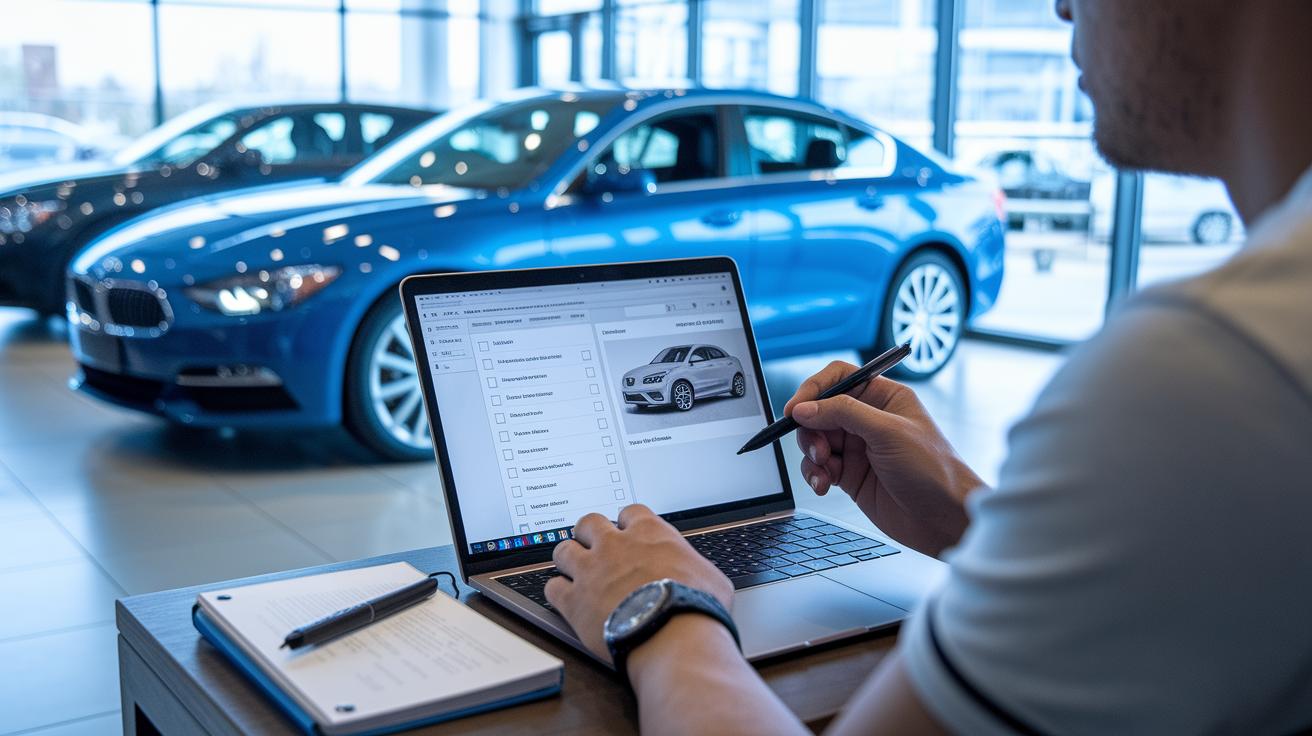
When you’re on the hunt for an extra ride, having a clear checklist can really save the day. It makes sure you don’t miss any important steps whether you’re checking out dealer lots or browsing private listings. Taking your time with a step-by-step plan helps you snag a fair deal and dodge any unexpected issues.
First up, do your homework. Look at different listings, compare prices, and check the car’s history using reliable reports. This early detective work can reveal any trouble spots.
Next, get your financing pre-approved. Knowing your spending limit before you start talking numbers strengthens your bargaining position.
Then, go for a test drive. Aim to spend about 15 minutes on both city streets and highways. This balanced drive helps you really feel how the car performs and keeps you safe.
After that, give the car a thorough once-over. Inspect its condition, review service records, and look out for hidden flaws. This is your chance to catch any issues before they become a problem.
When it’s time to negotiate, lean on your research. Being informed lets you drive the conversation, especially with private sellers, and secure a price that works for you.
Finally, lock everything in. Confirm every term and get ready for the deal.
Before you wrap up, don’t forget the paperwork. Make sure you have the title, registration, and a bill of sale. These documents are key to sealing a smooth, hassle-free purchase.
Ownership Costs and Maintenance of a Second Car
Keeping an extra car running well means sticking to a regular maintenance schedule. Most experts say you should change the oil every 5,000 miles to keep the engine running smoothly. Popular cars like the Honda Civic and Toyota Corolla have parts that show up fast, often within two business days from your local dealership. Regular check-ups not only help your car last longer but also dodge surprise repair bills.
| Service Item | Frequency | Estimated Cost |
|---|---|---|
| Oil Change | Every 5,000 miles | $30–$50 |
| Tire Rotation | Every 5,000–7,500 miles | $20–$40 |
| Brake Inspection | Every 10,000 miles | $50–$100 |
- Weigh up doing the work yourself versus letting a pro handle it when things get tricky.
- Look for OEM parts so you always get quality and a perfect fit.
- Keep a detailed record of your car’s service, it helps with future checks and can boost your car’s resale value.
Maximizing Benefits and Long-Term Value of a Second Car
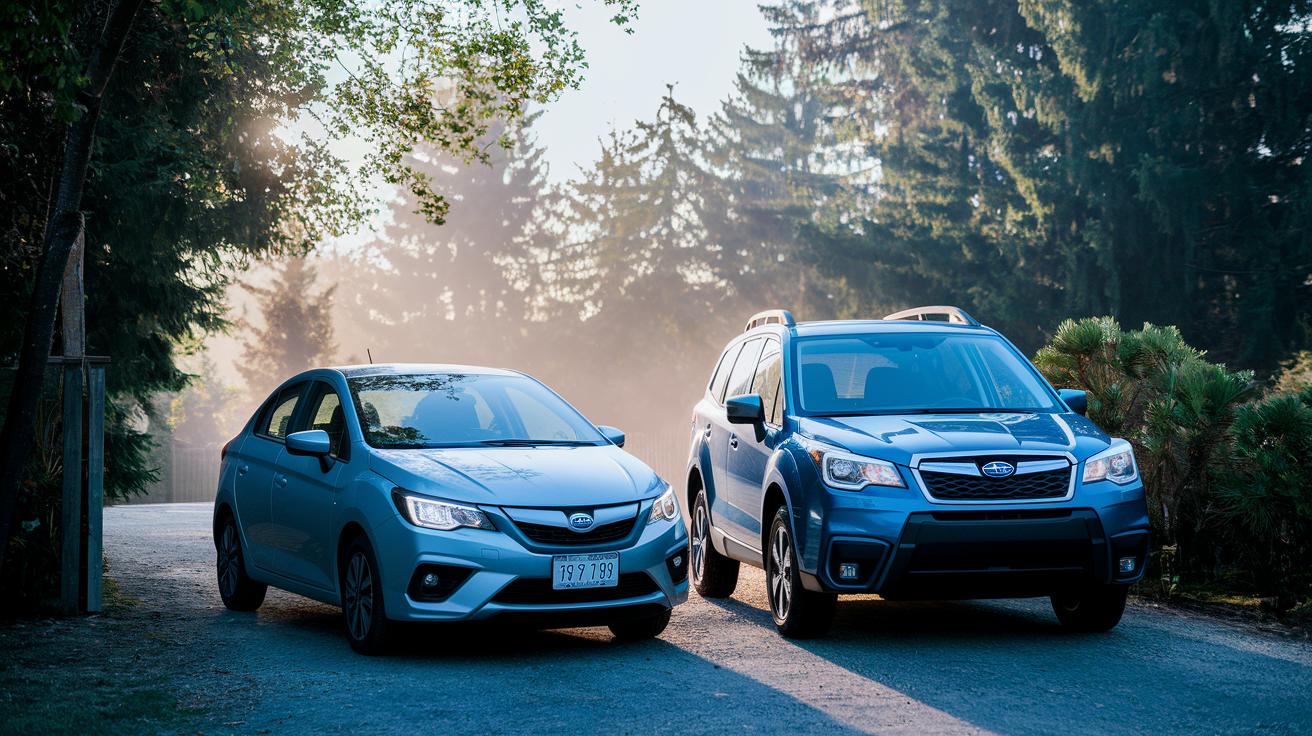
Getting a second car can really change up your routine. Imagine shaving off 30 minutes of traffic during rush hour with a small car built for city driving. It’s not just about convenience, this extra ride also adds a backup option for school runs, quick errands, or those spontaneous weekend trips. It’s a real comfort knowing there’s another car ready when your main one is in the shop. Lots of drivers love how it saves them time without throwing their whole schedule off track.
Over time, keeping a second car isn’t just practical, it can also be a smart money move. A car like the Subaru Forester often keeps over 60% of its value after five years. Depreciation slows down after the third year, especially if you limit your miles to under 12,000 a year and stick to regular service. This steady value means that a little extra care today can lead to a better resale price later.
| Limit mileage to reduce wear and tear. |
| Maintain detailed service records. |
| Invest in regular cosmetic upkeep. |
| Time the sale by monitoring seasonal trends. |
| Research market trends to spot the best opportunities. |
Final Words
In the action, this blog post covered why a second car makes sense today, from the perks of extra flexibility to clear cost breakdowns and smart financing. We explored what to look for when choosing a new or used ride and shared handy checklists and tips on maintenance. With tools like affordability calculators and comparisons in mind, you can plan wisely and enjoy stress-free driving. Remember, every step brings you closer to enjoying your ideal second car and experiencing all the extra freedom it brings.
FAQ
- Q: What types of second cars can be found under $10,000?
- A: Cars under $10,000 offer a budget-friendly way to add a reliable ride. They can cover your daily commutes or weekend trips without breaking the bank, making them a smart second-car choice.
<dt>Q: Where can I find second cars for sale in the USA?</dt>
<dd>A: Second cars for sale show up on popular automotive sites that list both dealer and private seller vehicles. These sites provide easy search tools and comparison features to streamline your buying process.</dd>

<dt>Q: What are the best websites for finding used cars in the USA?</dt>
<dd>A: The best used car websites group listings into used, new, or private seller options. They offer tools like payment calculators and filtering options to help you quickly find a vehicle within your budget.</dd>

<dt>Q: How do I locate cheap used cars in the USA, including options under $5,000?</dt>
<dd>A: Finding cheap used cars, including those under $5,000, involves using refined search filters on trusted car sales platforms. These tools let you narrow your search to vehicles that meet your financial and lifestyle needs.</dd>