
Ever notice your car drifting to one side after a small bump? It might be because that little hit twisted your car’s frame, kind of like a bent straw changes how you sip your drink. You might not spot obvious damage at first, but crooked doors or uneven tire wear can be warning signs.
Today, I’ll show you how to catch early frame damage. Fixing it soon can keep your ride safe and smooth. Ever felt your car pull unexpectedly? A quick look now can help you avoid bigger problems later.
Frame Damage Car: Road to Resilience
Car accidents, even small bumps, can mess up your vehicle’s frame. Look closely for crooked doors, uneven gaps in the body, or your steering pulling to one side. Even uneven tire wear might hint that something isn’t right under the hood.
Sometimes, even a minor impact can twist or bend the frame just a little, kind of like a straw with a barely noticeable bend. In some cases, you might spot a kink in the frame rails that calls for a closer look, and in worse situations, the rails might even be broken or crushed. These issues don't just change the look of your car; they can really affect how it drives and how safe it is.
Catching frame damage early can save you from bigger headaches later on. It’s a good idea to give your car a check-up after any accident, no matter how small, since minor issues can grow if left untreated. Keep an eye on the door alignment and tire wear during your regular drives. And if your steering feels off, that’s your cue to get a professional opinion to make sure everything is safe.
Diagnosing the problem quickly means you can choose the right repair and keep your car performing as it should while protecting its value.
Causes and Types of Frame Damage in Cars
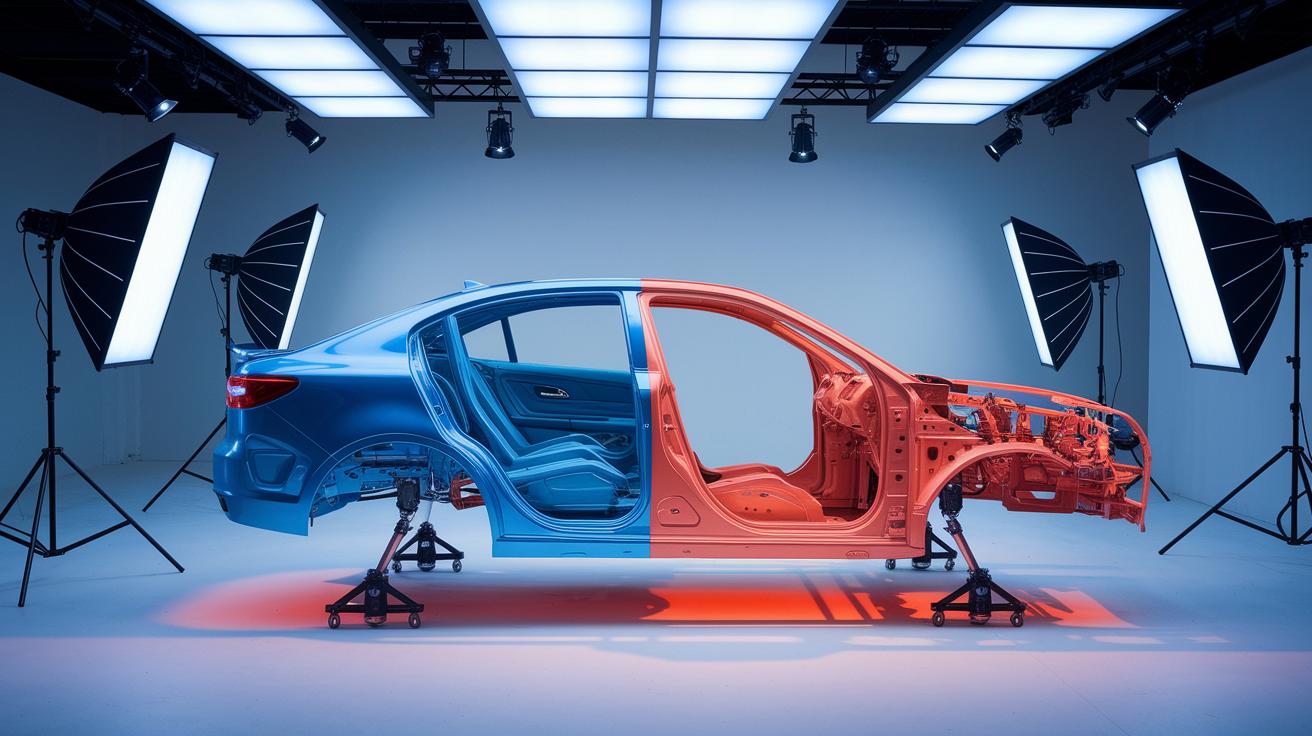
Modern cars usually come in two main types when it comes to their frame design. With unibody construction, the car’s body and frame are one solid piece giving a smooth, strong look. But even a small collision can sometimes lead to hidden damage inside that tough structure, which might mean the repairs need heavy-duty equipment. On the other hand, ladder frame designs use separate rails and crossmembers. This setup often makes the damage easier to spot after an accident, and fixing it can be more straightforward.
Crash tests show that different accidents create different kinds of frame damage. For instance, a head-on crash can push the front end together, bending and twisting the frame rails. A side-impact hit might crush the door sills, messing up the car's alignment and safety. Rear-end collisions often warp the frame noticeably, and rollovers can bend the roof rails, which can seriously weaken the car. Even a small bend or a big break tells a story about how tough the repair job might be. Knowing these signs is key because it helps you figure out the best way to fix your car and keep it safe on the road.
Frame Damage Car Repair Methods and Costs
Hydraulic straightening is a popular way to fix a car's frame after a collision. In this process, technicians use a frame rack with adjustable clamps and hydraulic pullers (tools that help pull the metal back into place) to straighten out twisted rails. Imagine a door that leans slightly after a fender-bender – hydraulic straightening gently brings it back to proper alignment. This method typically costs about $75 to $120 per hour in labor, so overall, you might spend between $500 and $1,500.
When the damage is more severe, rail replacement becomes the go-to solution. This method is like replacing a broken beam in a house. Technicians carefully cut out the damaged section and weld in new, factory-spec steel to restore the frame’s original strength. Rail replacement is more intensive and usually runs between $2,000 and $5,000, including parts and paint.
For minor bends, cold straightening offers a gentle fix. Here, technicians use manual hammers and dollies (small tools that help shape metal) to tap the metal back into its proper form. If the distortion is small, cold straightening can be a cost-efficient option, with labor costing around $300 to $800.
For more details on these repair methods, check out the guide at the car repair page (https://thecivics.com?p=345). It explains step-by-step how experts bring a damaged frame back to life.
| Repair Method | Cost Range | Description |
|---|---|---|
| Hydraulic Straightening | $500 – $1,500 | Realigns twisted rails using clamps and hydraulic pullers. |
| Rail Replacement | $2,000 – $5,000 | Removes damaged sections and welds new factory-spec steel in place. |
| Cold Straightening | $300 – $800 | Uses hammers and dollies to gently tap minor bends back into shape. |
Estimating Frame Damage Car Repair Cost and Insurance Coverage

When a crash leaves your car with frame damage, repair bills can really vary. Labor usually costs about $75 to $120 an hour. For a simple fix like cold straightening, you might pay around $600, while replacing parts like rails can drive costs above $5,000. Plus, you’ve got to cover parts, towing, and diagnostic fees to spot any hidden problems. Sometimes, even tiny extras add up fast.
Insurance typically steps in for collision repairs and subtracts your deductible from the total cost. They might even call your vehicle a total loss if repairs go over 60% of its pre-accident value. That’s when having frame damage insurance becomes extra important, though every policy has its own limits. Knowing what your insurance covers can really help you prepare for any out-of-pocket costs.
It’s a smart move to ask your repair shop for a detailed breakdown of costs. This way, you know exactly where every dollar is spent. Keep these factors in mind:
- How badly the frame is bent
- The type of chassis (like unibody versus ladder)
- Local labor rates
- Parts availability and whether they’re OEM or aftermarket
- Needed paint and refinishing work
Getting clear on these details helps you talk confidently with your repair shop and insurance company, so you can figure out the best way to get your ride strong and safe again.
Preventing Frame Damage Car: Maintenance and Best Practices
Keeping your car frame in top shape doesn’t have to be a big deal. One smart move is to leave plenty of space between you and the car ahead so you can slow down safely if something pops up. When you spot potholes or bumpy roads, ease off a bit, think of it like going slowly over a speed bump. That gentle approach helps protect your car’s frame from unnecessary jolts.
Around 50,000 miles, getting rust-proofing on the underbody is like giving your car a shield against corrosion. And if you ever get into even a small collision, it pays to have a pro check your frame. They can catch little issues before they become big problems. Also, having a wheel alignment check every 12,000 miles can spot early shifts in your frame, keeping your steering steady and your tires even.
Taking these simple steps not only saves you from expensive repairs later, but it also makes your drive safer and more enjoyable. So, a little regular care goes a long way in keeping your ride feeling smooth and secure. For more easy maintenance tips, check out how to maintain a car.
Final Words
In the action, we broke down how to spot obvious signs like misaligned doors and uneven tire wear that hint at a frame damage car. We looked at common damage scenarios, repair methods, and what repair bills might mean for your budget. Small tips on preventing future damage also came up so you can keep your ride safe and sound.
Together, these insights give you a clear guide for spotting, fixing, and avoiding car frame damage. Enjoy the drive and stay safe!
FAQ
How can I spot frame damage on my car?
The signs of frame damage include misaligned doors, uneven panel gaps, a steering pull to one side, and uneven tire wear. Early spotting helps avoid hidden structural risks.
What are common causes of frame damage in cars?
The causes include collisions like head-on impacts, side impacts, rear-end crashes, and rollovers. These incidents can lead to deformed door sills or bent frame rails.
What are the typical repair methods and costs for frame damage?
The repair methods involve hydraulic straightening ($500–$1,500), rail replacement ($2,000–$5,000), and cold straightening ($300–$800). Each option addresses different levels of damage severity.
How do insurance companies handle frame damage repairs?
The insurance process covers collision repairs after subtracting your deductible. They may declare a total loss if repair estimates exceed about 60% of your car’s pre-accident value.
How can I prevent frame damage in my car?
The maintenance steps include keeping a safe following distance, reducing speed over rough terrain, applying underbody rust-proofing, and scheduling regular inspections and wheel alignment checks.
What factors affect frame repair cost estimates?
The cost factors include the severity of frame distortion, type of chassis, regional labor rates, parts availability (OEM or aftermarket), and paint or refinishing requirements.