
Ever think your car might be hiding a problem? That 17-character VIN, a mix of letters and numbers, actually tells you a lot about your car's safety record. More than 85 million vehicles have been recalled since 2010, so checking it is a smart move. In this post, we'll show you an easy way to see your car's repair history using your VIN. It's a simple step that can help keep you safe on the road and give you extra peace of mind.
How to Check Recalls on My Car by VIN
Checking for recalls is a quick and smart way to keep your car safe. Over 85 million vehicles have faced recalls since 2010, so it really pays to stay updated with a simple online VIN lookup. Your car’s VIN is a unique 17-character code that you can usually find on the driver’s door jamb or on the dashboard near the windshield.
First, locate your VIN. Often, you'll spot it on the door frame or dash. Picture opening your car door and seeing that little metal plate that holds the key to your car’s history.
Next, visit the NHTSA recall lookup page. This free tool has been around since 2000 and lets you check both current recalls and older ones that may have affected your vehicle.
Then, type your VIN into the search box and hit submit. It’s like entering a secret code that reveals all the important details about your car’s past issues.
After that, take a moment to review the list of recalls. You’ll find dates, affected parts, and repair instructions going back to 1966. Think of it as reading through your car’s safety diary, it helps you see what might need attention.
Finally, bookmark or print your results. Keeping a record means you can easily refer back whenever you need to verify your car’s recall history.
Staying on top of recalls lets you take action right away, giving you peace of mind and confidence every time you hit the road.
recalls on my car: Stay Safe Today

Ever looked at your car as if it were a trusty buddy? A safety recall happens when a flaw in your vehicle might lead to a crash or even a fire. When NHTSA spots a risk, they step in and require repairs to keep you safe, kind of like checking that your favorite snack hasn’t gone bad. It’s all about protecting you on the road.
Then there are Technical Service Bulletins, or TSBs, which work a little differently. They aren’t recalls but friendly notes from your car’s manufacturer about issues they’ve spotted. Think of it as your mechanic giving you a quick heads-up to help keep your ride smooth and secure, even if it isn’t as urgent as a safety recall.
Recalls come in different flavors. An "emergency safety defect" signals a high-risk problem, while a "voluntary recall" is more like a courtesy check from the automaker. The official reports back these steps up by showing how the defect fails to meet federal safety standards. With clear public safety alerts and detailed defect reports, these measures are all about keeping drivers safe every day.
Tracking Past and Active Recalls on My Car
Need to check up on recalls for your ride? The NHTSA recall database is your go-to spot. It’s been logging details since 1966 and is free to use. You’ll find recall numbers in a “XXV-YYYY” style, along with info on which part of your car is affected, a short risk summary, and guidance on the fix. It’s pretty much like flipping through a clear, detailed diary of your car’s repair history.
Car makers like Honda, BMW, and Nissan also offer owner portals. These websites keep bulletins on recalls and even some Technical Service Bulletins. You can download PDF notices by recall number, so you always know when a recall campaign started and wrapped up. It’s like having your car’s repair log right at your fingertips, straight from the manufacturers.
The records even list key dates, when the campaign opened, when it closed, and all the owner notifications in between. It’s a step-by-step map of how a potential issue was handled. Think of it as tracking your car’s progress through its safety checks.
And if your car does need a recall repair, the next step is simple: schedule an appointment with an authorized dealer. Need more help booking that repair? Check out our "car repair guides" at https://thecivics.com?p=345. This simple process of tracking both active and past recalls helps you keep a smart, up-to-date record of your car’s service history, ensuring you stay on top of its safety and reliability.
Next Steps After Discovering Recalls on My Car
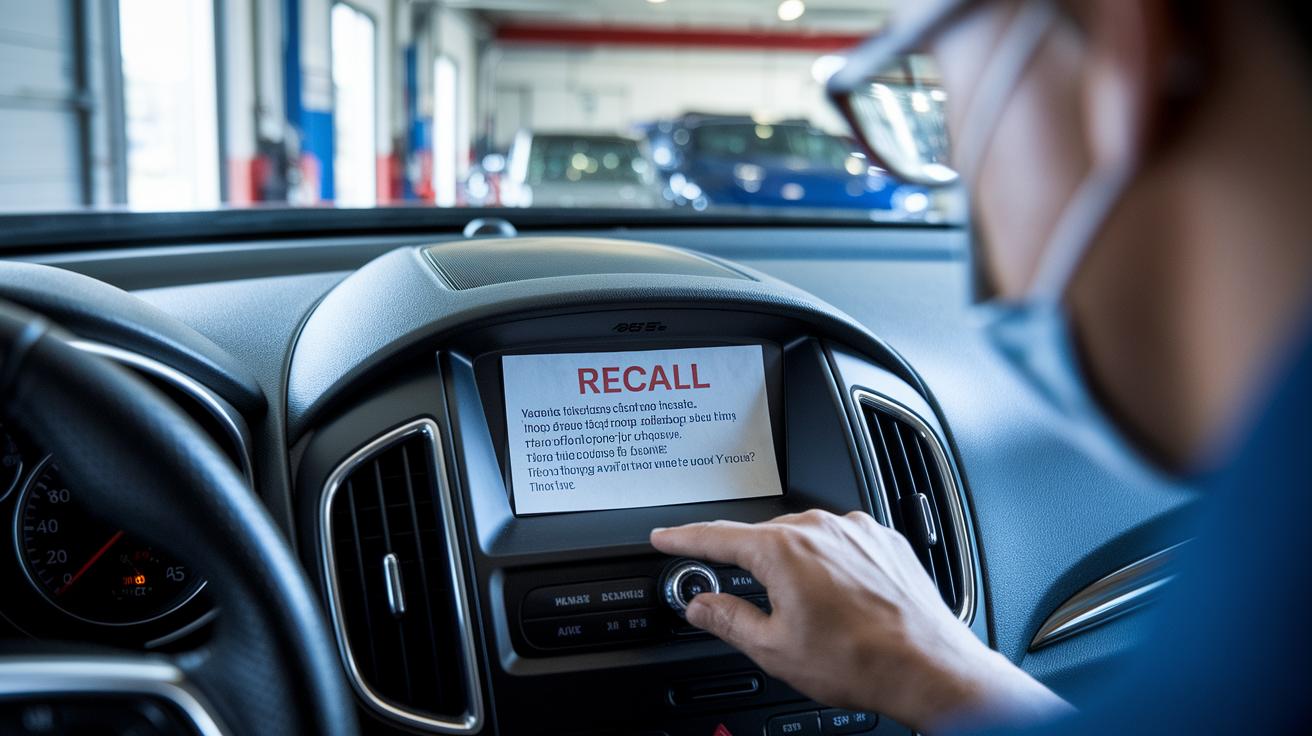
Noticed a recall notice? The first step is to check if your VIN is on the recall list. This way, you’re getting the story straight from official records. It’s smart to double-check your vehicle identification number since the repair work only happens if there’s an exact match. Doing this now can save you from surprises later.
Once you're sure your VIN is part of the campaign, reach out to an authorized dealer and mention the recall number. A quick call or a visit usually gets you set up for a repair, and it often only takes one to two hours. Under current safety laws, these fixes are free. If you ended up paying for the repair, you might be able to get reimbursed by submitting the right claim.
Next, book your repair at a certified center. Dealers are well-prepared to handle recall repairs and follow the manufacturer’s guidelines. Sticking with this process keeps you eligible for the free repairs, and helps ensure your car is safe on the road. If any doubts or questions pop up along the way, your dealer is the best person to ask. Taking these steps quickly helps keep you secure every time you drive.
How to Receive Notifications for New Recalls on My Car
Staying on top of recall alerts is a simple way to keep your ride safe. Sign up for email alerts from NHTSA at nhtsa.gov/alerts, and you'll get quick updates on any new safety campaigns. These messages break down recall schedules and potential issues in clear, easy-to-understand terms, so you never miss out on important info.
OEM portals like MyToyota or MyBMW also send VIN-specific emails that keep you in the loop about manufacturer alerts. And if you use apps like MyCARFAX or AutoCare, you'll get push notifications right on your phone, letting you know about recalls as soon as they drop. It’s like having a friendly nudge reminding you to check your car’s safety.
With the digital tools available today, keeping your recall info current is a breeze. Bookmark your VIN lookup pages and switch on browser notifications to get instant updates. This streamlined system makes sure you know as soon as new recall campaigns are released, no matter where you are. Plus, using both email alerts and push notifications means you're always connected to important manufacturer updates.
Final Words
In the action, we walked through checking your car’s recalls with a VIN lookup, deciphering official terms, and tracing past and active recalls using trusted online tools. Each step helps ensure your car remains safe and serviceable.
By following these methods, you can easily handle recalls on my car. Staying informed makes maintenance smoother. Keep checking with reliable sources to feel confident and secure in your automotive decisions.
FAQ
How do I look up a recall on my car?
The lookup process works by locating your VIN from the driver’s door or dashboard and entering it into the NHTSA or manufacturer website to see active or past recalls with component details and remedy instructions.
What cars are currently being recalled?
The current recall information is available on the NHTSA database and manufacturer sites, where you can view all active recalls affecting various models, complete with dates, defect summaries, and repair plans.
How can I check if my vehicle has had a recall using its VIN?
The VIN inquiry system lets you enter your car’s unique 17-character code on free online lookup tools, revealing the vehicle’s recall history, including past and ongoing campaigns from safety agencies.
What about recall details for manufacturers like Toyota, Chevy, and Ford?
The recall details from these manufacturers appear on both NHTSA and their own websites, where you can find specific information on defect notices, remedy instructions, and recall history for each brand.
How do I perform a free recall check by VIN?
The free recall check by VIN is done online by inputting your car’s VIN into trusted lookup tools like the one from NHTSA, which provides complete recall records at no cost.