
Ever felt lost when picking out a used car? You’re not the only one. Many people get tangled up in details like working out a budget, checking off lists, and digging into a car's past records.
This guide lays out clear, easy steps so you can pick a ride that truly fits your needs. It walks you through planning your spend, finding out a car's history, and taking it for a spin. Soon, you’ll be making smart choices and driving off in a car that feels just right for your life.
Essential Steps in Used Car Buying Guides
Buying a used car can feel a bit overwhelming at first, but with a clear plan, you'll get through it without a hitch. Start by mapping out everything you'll need, from your budget to the final paperwork, and take it step by step.
-
First, figure out how much you can comfortably spend. Decide if you're paying with cash or using a loan, and remember to set aside extra funds for things like registration, insurance, and any repairs that might pop up.
-
Next, make a checklist of the must-have features in your new ride. Think about what fits your lifestyle best. If you need some inspiration, check out our guide on what to look for when buying a used car.
-
Then, hop onto specialized car-buying apps and websites. These tools help you find cars that match your list of requirements quickly and easily.
-
Do a little homework by checking the fair market value of the car. Use trusted sites like Kelley Blue Book, Edmunds, and NADA. They help you understand how factors like age, mileage, and extra options affect the price.
-
Be sure to get a history report based on the VIN. This report will show any past accidents, flood damage, or multiple owners, plus it can highlight if regular maintenance was done.
-
Always take the car for a test drive. It's your chance to get a feel for its performance and check for any obvious issues through a quick visual look.
-
Consider having a mechanic inspect the car. This extra check might cost between $100 and $300, but if the seller hesitates about it, that could be a red flag.
-
When you're ready, start negotiating. Use the market value research you’ve gathered to keep your target price private until you’re set to make an offer.
-
Finally, seal the deal by updating your auto insurance, paying with cash or a cashier’s check, and doing the title transfer as required by your state.
With each of these steps, you're not just buying a car, you're making a smart, confident choice. Enjoy the ride and trust that being methodical now will save you headache later!
Budgeting Tips in Used Car Buying Guides
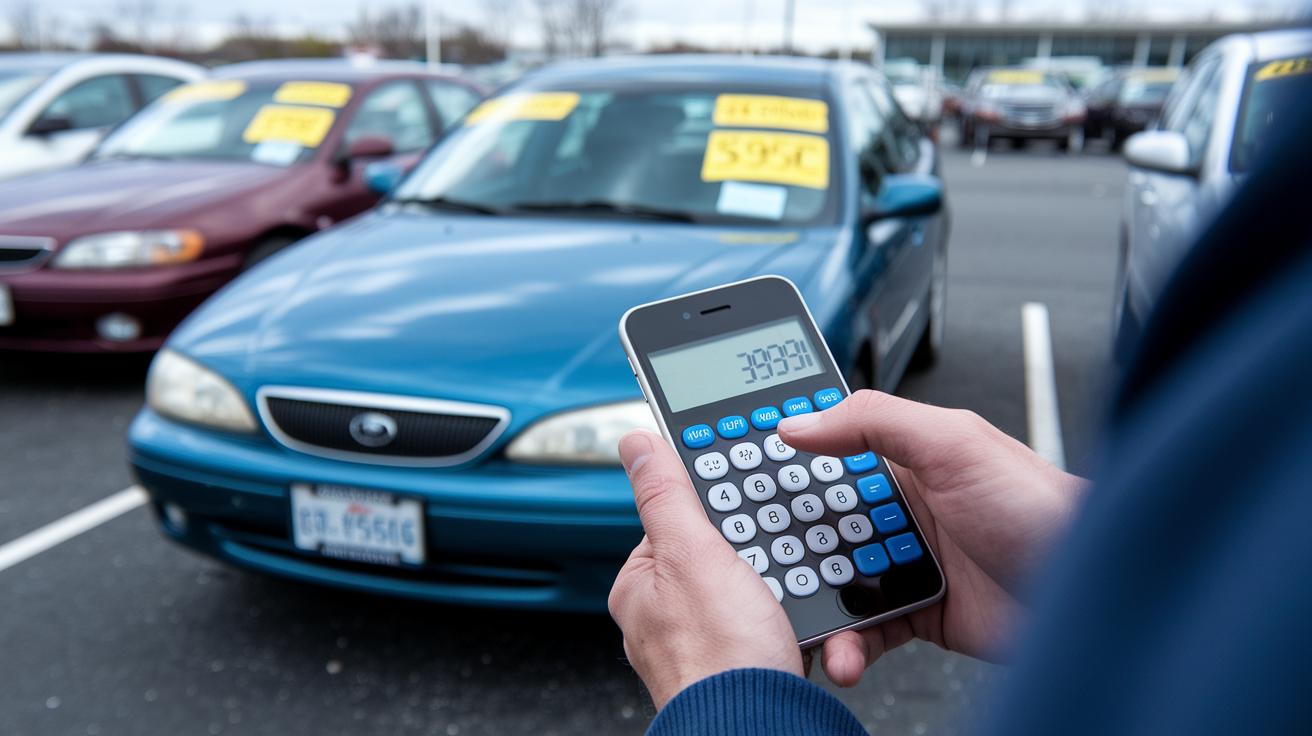
When you set a budget for a used car, don't just focus on the sticker price. Instead, think about all the costs together. Start with the car's price, then add fees for registration, insurance, and maintenance. Also, remember state-specific extra charges like tax, title, and license fees. This way, you catch hidden expenses such as replacing brake pads or worn-out tires. I always leave a little extra in my budget for surprise repairs.
If you're not paying with cash, financing is a common route. It spreads out the cost over time, but interest will bump up the final bill. If your credit isn't perfect, try strategies like asking someone to co-sign, putting down a larger payment, or checking out loans from credit unions. Comparing offers and a few credit adjustments can make a big difference. These careful steps help you make a smart and affordable choice.
Researching and Evaluating Used Cars in Buying Guides
Start by homing in on the little details that really matter. Check out a vehicle’s history using reports from Carfax or AutoCheck to confirm the title status, see if it’s been in any accidents, and track its service records. Then, head over to dealer websites and use filters, say, keep your mileage under 50,000, narrow it down to specific years, or stick to your budget. This extra filtering is a great addition to our Essential Steps guide, helping you find cars that genuinely fit your needs.
Next, mix in some expert insights instead of simply repeating old advice. Browse through model reviews and consumer reports that talk about how the car performs and what it costs to maintain. For example, check out a few short review snippets and note if many people mention the engine’s smooth power or common issues. Adding those observations to your checklist gives you a clearer overall picture while enhancing the step-by-step process in our Essential Steps guide.
used car buying guides: Celebrate Smart Choices

When you're hunting for a used car, the first step is a good look-over. A careful inspection can help you sidestep hidden problems. I like to use a simple checklist that covers all the basics for a safe ride. For extra details, feel free to check out our car inspection checklist for buyers. This way, you can spot issues before they turn into a headache and drive away with peace of mind.
| Checklist Item | Inspection Focus | Potential Concerns |
|---|---|---|
| Body Panels | Rust, dents, misaligned seams | Signs of repair or damage |
| Tires | Even wear, tread depth, sidewall cracks | Uneven tread or aging rubber |
| Brakes/Steering | Brake response, play in linkage | Worn parts or loose connections |
| Engine Bay | Fluid levels, leaks, belt condition | Low fluids or cracked belts |
| Electronics | Lights, windows, wipers, AC | Non-responsive or outdated systems |
| Undercarriage | Corrosion, physical damage | Hidden rust or structural issues |
| Interior | Seat belts, upholstery, dashboard alerts | Excessive wear or malfunctioning indicators |
| Test Start | Smoke, idle quality, unusual noises | Engine misfires or mechanical problems |
Following this checklist lets you catch little issues early so your car-buying journey stays smooth and stress-free.
Negotiation Strategies in Used Car Buying Guides
Before you sit down to bargain, take a moment to check fair market prices using guides like KBB or NADA. These trusted tools give you a clear idea of what the car is really worth, far beyond just the sticker price. It’s like having a secret weapon when you set your budget-driven offer.
When you inspect the car, keep your eyes peeled for issues like worn brakes or signs of neglect. If you spot anything amiss, mention it. A written note about those issues can really boost your case to knock the price down.
And when it comes to sitting across the table for a chat, be firm about your target price and know your walk-away point. Whether you’re haggling with a dealer or a private seller, stay calm and let your prep do the talking. After all, a well-researched offer always makes for a smarter, smoother negotiation.
Financing Options in Used Car Buying Guides

When you're set to finance your used car, gather the papers that prove your income and show your credit history. Grab your latest pay stubs, a current credit report, and a valid ID. With these in hand, explore loan choices from banks, credit unions, online lenders, or even the dealer. Each option comes with its own interest rates and repayment plans, so it pays to line them up and compare. Our car buying guide offers a simple step-by-step walkthrough to show you the way. Keep in mind that the length of your loan term affects both your monthly bills and the total interest you pay.
Not a fan of traditional banks? Then consider private party loan platforms or peer-to-peer lending. These can sometimes be more flexible, especially if your credit isn't perfect. For these options, check if you meet requirements like a minimum credit score or a good debt-to-income ratio. Weigh the initial costs against long-term payments to pick the best fit for your wallet. Comparing different sources helps you see which route keeps your monthly payments low with reasonable interest rates, making your car-buying journey smoother and more affordable.
Completing Paperwork in Used Car Buying Guides
When you're finalizing a used car purchase, don't overlook the paperwork. You'll need a few key documents to keep everything legal: a signed title, a bill of sale that spells out the details, an odometer disclosure to confirm how many miles are on the car, and an emissions certificate if your state demands one. These papers protect your rights and show that the deal is genuine. Remember, title transfer deadlines vary by state, usually between 10 and 30 days. So, it pays to check your local DMV fee schedules to know what to expect.
State and federal rules also have a big say in the paperwork process. The FTC pushes for full transparency, which means sellers must reveal if a car has a salvage or branded title. Missing this info could cost you your consumer rights. Laws like the Magnuson-Moss Warranty Act and various state lemon laws add even more protection. Keeping your documents accurate and timely not only makes your buying journey smoother but also keeps you in line with state and federal rules.
Post-Purchase Maintenance in Used Car Buying Guides
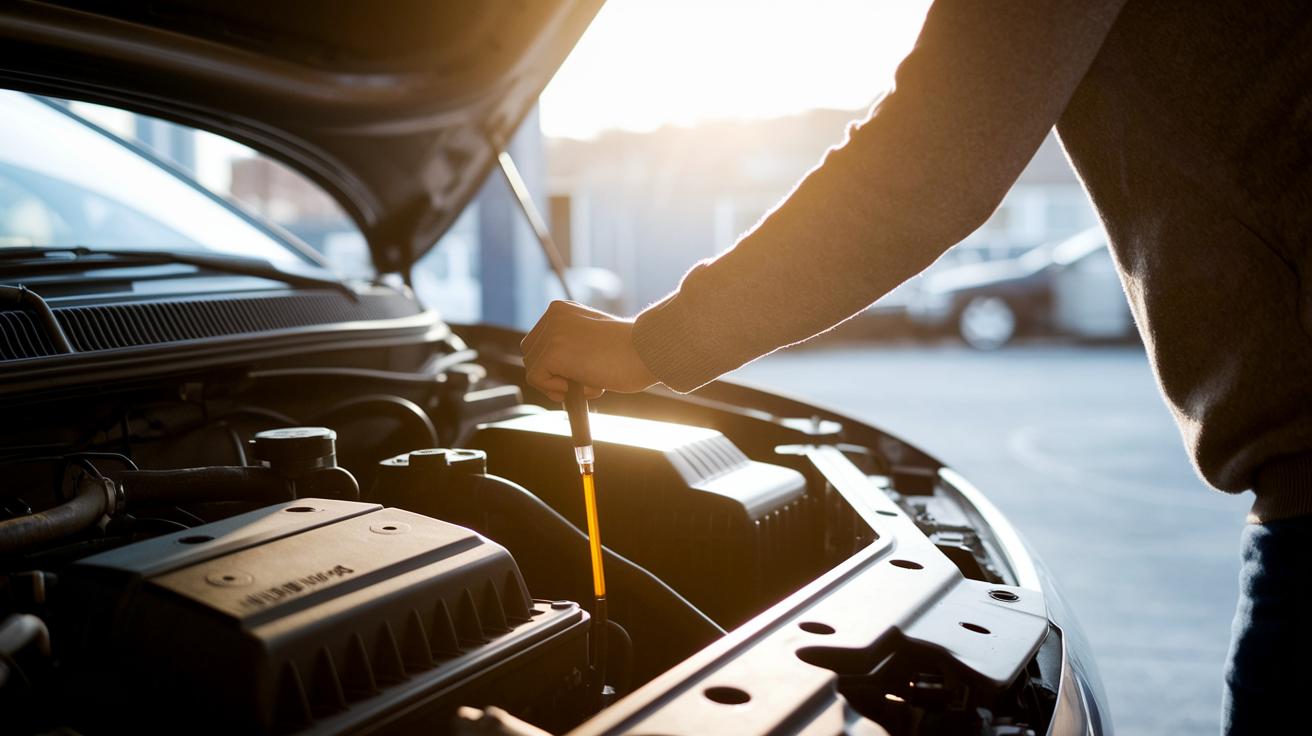
After you’ve driven your used car for about 1,000 miles, or followed the manufacturer’s advice, it’s smart to get that first oil change. Think of it as a quick check-up that helps spot any issues before they get worse. Next, make sure you check your fluids and rotate your tires every 5,000 to 7,500 miles; it’s like giving your car a little tune-up ritual. Don’t forget to plan for wear items like brake pads, batteries, and belts since these parts are key to keeping your car safe and running smoothly. It’s also a good idea to book regular professional inspections for things like hoses and filters, which can easily be missed otherwise. By keeping up with these simple steps, you help your car last longer and avoid unexpected repairs down the road.
Final Words
In the action, this article walked through every step, from setting a budget and judging vehicle condition to verifying history reports and nailing down inspection details. We even covered how to negotiate smartly, secure financing that fits your profile, and wrap up the paperwork. Lastly, we talked about keeping your vehicle in top shape with routine maintenance. All these tips combine to form reliable used car buying guides that help you make wise decisions while enjoying a smooth, stress-free buying experience. Enjoy the ride ahead!
FAQ
Q: What information do used car buying guides on Reddit offer?
A: The used car buying guides on Reddit offer real-life insights, peer advice, and practical tips from fellow buyers. They help you feel more confident and prepared for a smooth purchase.
Q: Where can I access free used car buying guide PDFs?
A: The free used car buying guide PDFs provide step-by-step checklists and expert advice. These guides are available through online searches, automotive blogs, and trusted consumer sites.
Q: What does the Consumer Reports Used Car Buying Guide 2025 include?
A: The Consumer Reports Used Car Buying Guide 2025 includes detailed reviews, pricing information, and reliability ratings. It offers a snapshot of vehicles to help you compare options and negotiate confidently.
Q: What details does the used car buyers guide window sticker PDF show?
A: The used car buyers guide window sticker PDF shows key details like pricing, features, and mileage. This clear display helps verify vehicle condition and supports transparent decision-making.
Q: What are the steps to buying a used car from a dealership?
A: The process to buy a used car from a dealership starts with setting your budget, checking the vehicle history and test driving, and ending with negotiating a fair price based on proven market values.