
Ever wonder why some cars run smoothly while others just keep disappointing you? The secret is taking care of your ride. A few simple checks, like watching your oil levels and keeping your tires in shape, can make all the difference. With regular upkeep, your car can feel as dependable as the first day you drove it. Small actions add up, and soon you’re enjoying a drive that’s smooth every time.
Core Car Maintenance Routine for Reliable Performance
Keeping up with regular car maintenance is key to making sure your ride stays in great shape and helps you dodge unexpected breakdowns. Think of this guide as your go-to roadmap with ten simple tasks to follow. Each point shows you when and what to check, making it easier than ever to keep your car happy. Your owner's manual is a handy tool for finding parts and service schedules, so keep it close.
- Keep your owner's manual safe nearby. It has details about car parts and tells you when to service them.
- Peek at your engine oil every month using the dipstick, and plan an oil change every 5,000 to 7,500 miles. Use the oil type mentioned in your manual, like 10W-30, to help your engine run smoothly.
- Give your tires a quick check once a month. Use a gauge to make sure they’re inflated to the right PSI (the figure on your driver’s door sticker) and look over the tread for wear.
- Test your battery's strength yearly. If your engine starts slowly or the headlights dim, it might be a sign to check your battery – most last around 3 to 5 years.
- Listen for any squeaks or feel vibrations when you stop, because your brakes are trying to tell you something. Brake pads usually need replacing every 30,000 to 100,000 miles depending on how you drive.
- Have a look at your belts and hoses regularly. If you see any cracks, fraying, or brittleness, it might be time for a change.
- Check your car’s fluids (brake, transmission, coolant, power-steering, and washer fluid) and top them off if needed.
- Scan all your exterior lights every month and swap your windshield wipers yearly or if they’re not working as they should.
- Wash and wax the outside of your car at least once a year, and give the interior a vacuum too. This not only keeps your car looking sharp but helps ward off rust.
- Write down each maintenance step you take or set calendar reminders to keep your routine on track.
Happy driving and happy maintaining!
Engine Health: Oil, Filter, and Fluid Maintenance for Car Longevity
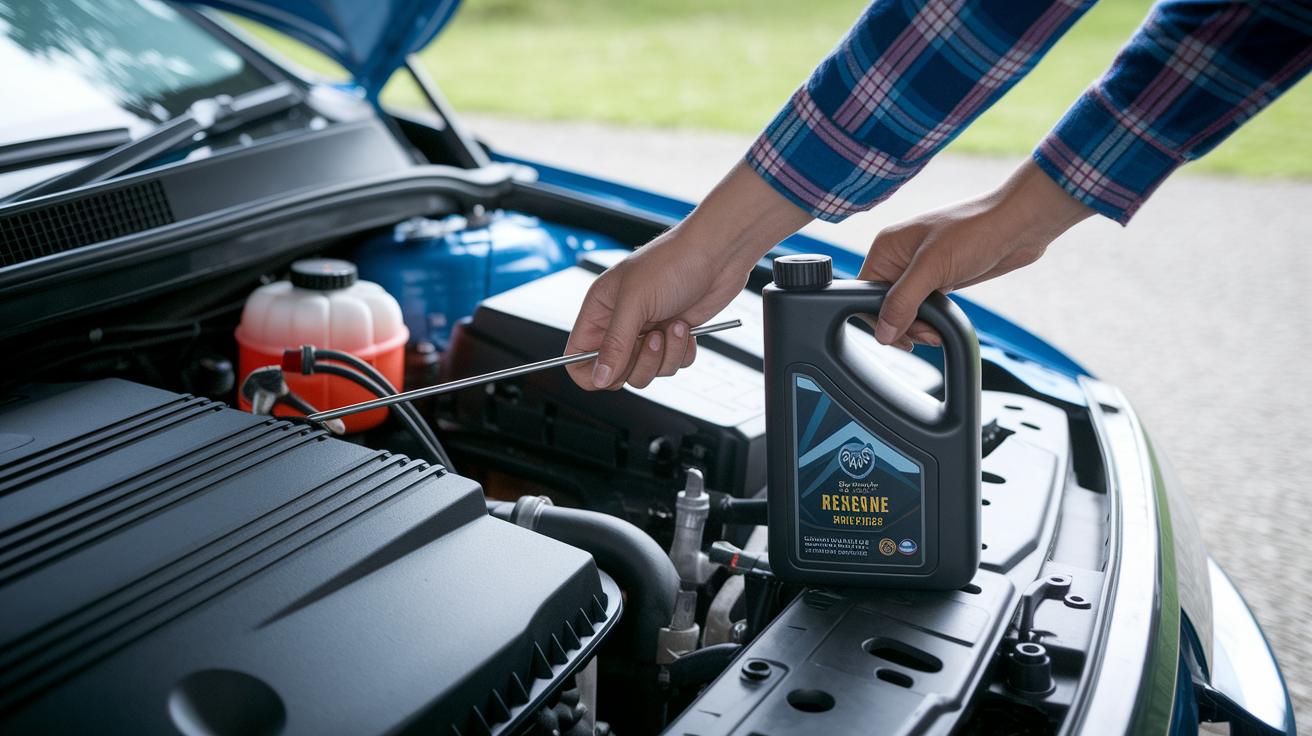
Keeping your engine in top shape is simple when you stick to a regular maintenance schedule. Change your oil every 5,000 to 7,500 miles, as your owner’s manual suggests. Check your oil every month with a dipstick to catch leaks early. Fresh oil means smoother movement inside your engine and can even help your gas mileage. Think of it like giving your engine a good massage, it runs cooler and stays happier.
Don’t overlook your filters and fluids either. If your engine air filter starts looking gray or clogged, it's time to replace it. This little change can boost performance and fuel efficiency. Also, the cabin air filter is important for keeping your ride clean. Regular coolant checks using the right antifreeze mix can stop your engine from overheating. And while you're at it, check brake fluid, transmission fluid, and power-steering fluid. Keeping them clean and at the right level protects your car from costly repairs later.
| Component | Recommended Interval | Check Method | Replacement/Cleaning Tips |
|---|---|---|---|
| Engine Oil | 5,000–7,500 miles | Dipstick check monthly | Use spec grade (like 10W-30) |
| Engine Air Filter | 12,000–15,000 miles | Visual inspection | Replace when gray or clogged |
| Cabin Air Filter | 12,000–15,000 miles | Check per service manual | Replace to keep air fresh |
| Coolant | Every 2 years or 30,000 miles | Reservoir level | Use the proper antifreeze mix |
Tire Care and Alignment Procedures for Safe Car Maintenance
Keeping your tires pumped up right and checking the tread is key for safe driving. Every month, grab a gauge and make sure your tires match the PSI printed on your driver’s door sticker. This simple check not only smooths out your ride but also helps save on gas. Plus, measure the tread depth regularly. If it’s worn down to 2/32 inch, it’s time for new ones. Think of it this way: keeping your tire pressure and tread in shape gives you that extra grip when roads get wet or icy. And if you’re into modern tech, tire pressure monitors can alert you digitally.
Rotating your tires is also important. Your owner’s manual usually suggests a rotation every 10,000 miles or about once a year. Rotating shifts the load between tires, which helps them wear evenly. This simple swap can extend tire life to 3 or 6 years, or even up to 80,000 miles total. A little routine like this can really save you time and money in the long run.
Finally, proper alignment and balance work together for a smoother drive. If your car starts to drift or you notice uneven tire wear, it might be time for a wheel alignment check. Getting aligned not only sharpens your steering but also stretches the life of your tires. Regular balance checks keep unwanted vibrations at bay, ensuring every ride feels consistent and safe.
Brake System Review and Battery Performance Testing in Car Maintenance
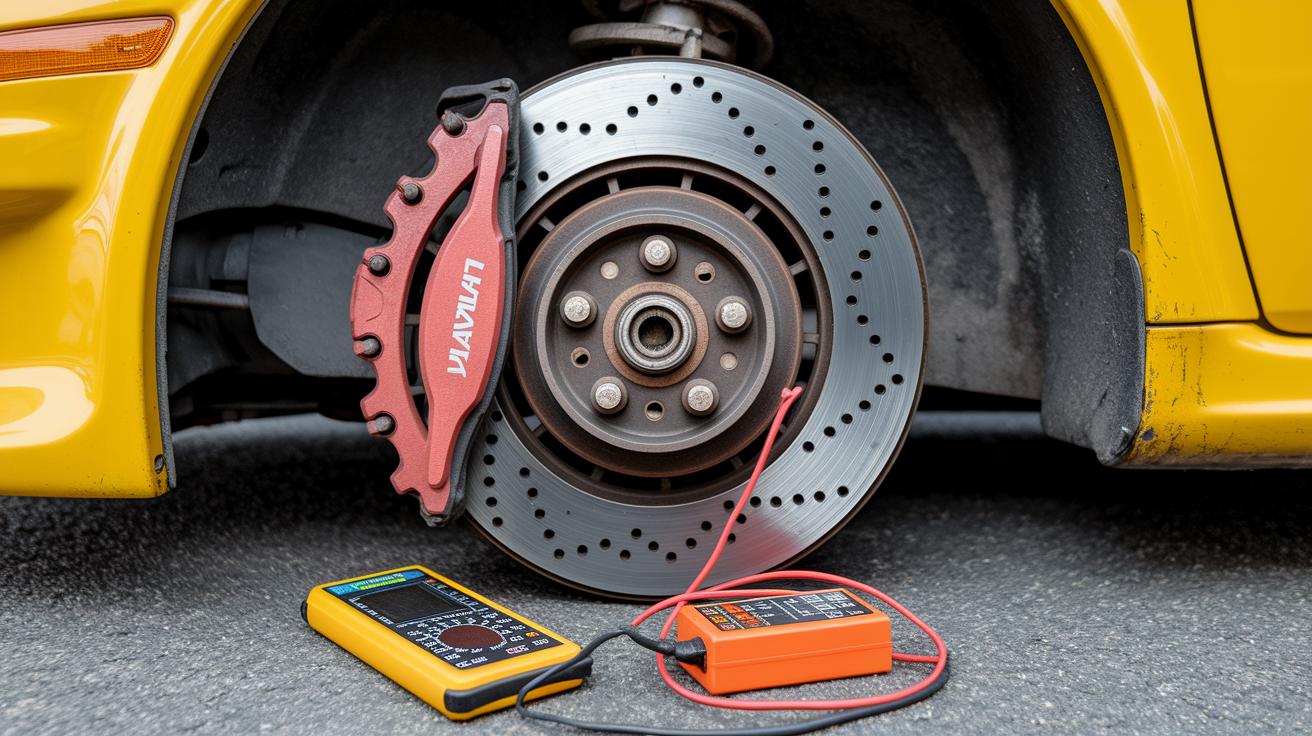
When checking your brake pads, make sure there's at least 1/4 inch of material left. If you hear squealing, grinding, or feel a pulsing when you press the brakes, it could mean they're wearing out. Depending on how you drive and what type of pad you use, you might need to replace them anywhere from 30,000 to 100,000 miles.
For your battery, a simple yearly test with a multimeter goes a long way. A healthy battery should show above 12.4 volts. If it drops to around 12.2 volts, you might notice slow starts or dim headlights. In most cases, you'll find your battery needs replacing every 3 to 5 years, with prices typically ranging between $100 and $500.
Regular checks like these can help you catch issues early, keeping your car safe and sound.
Seasonal Protection and Interior/Exterior Preservation Strategies
Give your car a fresh start with a good wash and wax at least once a year. A proper wax job makes the paint sparkle and protects it from harsh weather and grime. It’s like wrapping your ride in a shield that keeps it looking sharp and valuable.
The inside matters too. Regularly vacuuming the carpets and seats helps clear away debris and allergens, making the cabin feel cozy and inviting. It’s like letting your car take a deep breath every time you clean. A tidy interior not only boosts comfort but also extends the life of your fabrics and seats.
When the seasons change, take a moment to check on safety details. If you’re in a hot area, swap out your windshield wipers yearly or whenever you notice streaks during rain. Give your headlights a quick polish now and then to cut through any fogginess at night. And if your car has leather seats, a protective treatment will keep them soft and fend off cracking or fading from the sun.
Scheduling, Record-Keeping, and Professional Services for Efficient Car Maintenance
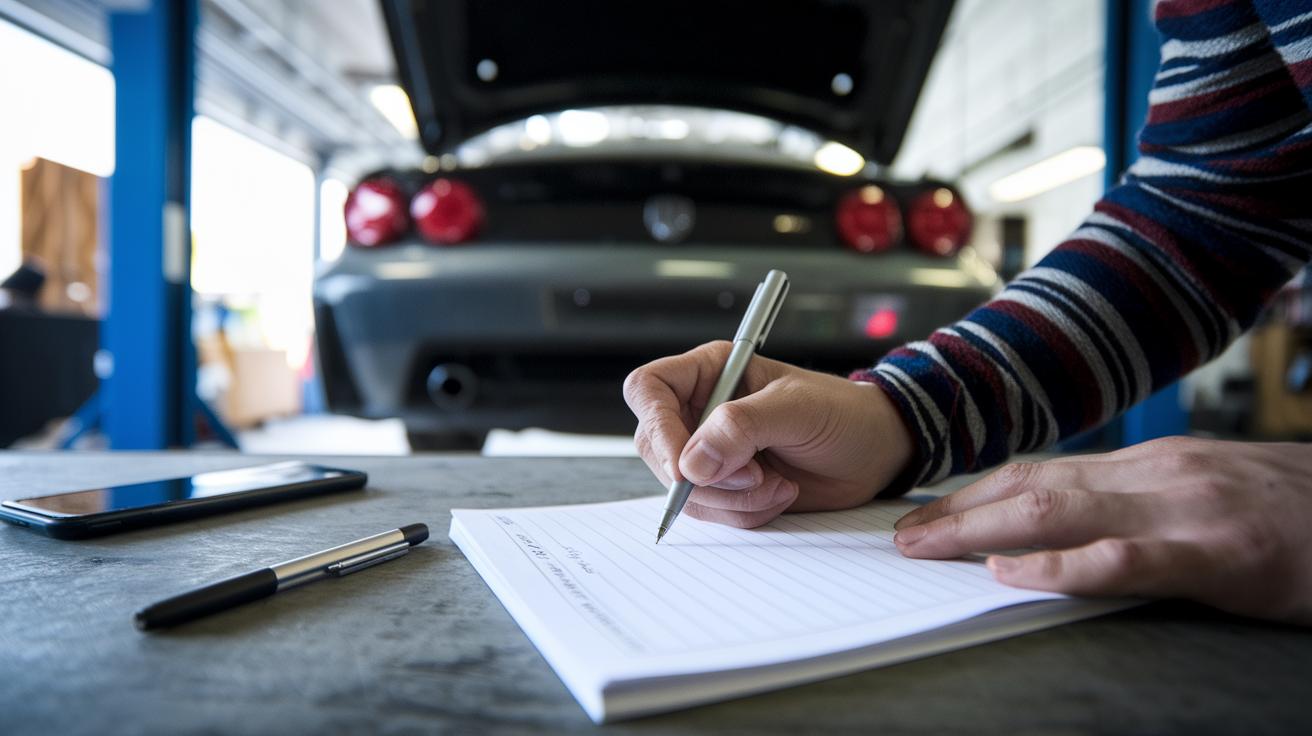
Keeping a log of your car’s maintenance is a smart move. It helps you see what’s been done and what comes next. Write down each service date, mileage, and task in a printed planner or digital file. And don’t forget, your owner’s manual often has handy mileage alerts and service tips.
Digital scheduling tools can make life even easier. Set reminders on your calendar or phone for oil changes, fluid checks, and tire inspections. Some handy mobile apps let you see your entire service history in one spot and ping you when it’s time for a check-up. This way, you’re less likely to miss an important maintenance task, keeping your car in tip-top shape.
It also pays to plan your car’s upkeep spending. Compare repair costs against your yearly budget and choose a trusted mechanic known for certified technicians and great reviews. A solid record-keeping system teamed up with smart scheduling and budgeting makes managing your car’s service needs a breeze.
Final Words
In the action, we outlined simple steps to keep your car running at its best. We covered everything from tracking oil changes, tire care, and brake checks to preserving both the interior and exterior. We also emphasized keeping a record and using reminders for scheduled services. With clear steps in place, you'll know exactly how to maintain a car. Stick with these routine tasks and enjoy the drive every time you hit the road.
FAQ
What does a car maintenance checklist include?
A car maintenance checklist covers regular tasks like checking engine oil, tire pressure, brakes, battery, fluid levels, and filters. It also recommends cleaning both the interior and exterior while recording service dates.
How does maintaining a car on Reddit work?
Discussions on Reddit about car maintenance focus on routine checks such as oil changes, tire care, brake inspections, battery tests, and exterior cleaning. Users emphasize following the owner’s manual and staying on schedule.
How does one care for a car’s exterior?
Caring for a car’s exterior involves washing, waxing, and checking the condition of lights and wipers. Regular cleaning helps prevent rust and keeps your car’s finish vibrant and protected.
What is a car maintenance checklist PDF?
A car maintenance checklist PDF is a document that lists essential service tasks like oil changes, tire rotations, and fluid checks. It offers a clear, printable guide to maintain your car.
How does a car maintenance schedule work?
A car maintenance schedule sets reminders for tasks such as oil changes, tire inspections, battery tests, and fluid checks. This planned upkeep helps prevent issues and costly repairs.
What should a car maintenance checklist template include?
A checklist template typically includes spaces to record dates and mileage for oil changes, tire rotations, brake checks, and battery tests. It simplifies tracking tasks and keeps your service history organized.
What is in a vehicle maintenance PDF?
A vehicle maintenance PDF provides a visual guide that details tasks, recommended intervals, and tips for oil, filter, brake, and tire care. It’s a handy tool to keep your vehicle running smoothly.
How is a car maintenance checklist by mileage arranged?
A mileage-based checklist outlines maintenance tasks like oil changes, tire rotations, and brake inspections at specific mileage intervals. It ensures you perform necessary service tasks precisely when they’re due.
How do you usually maintain your car?
I maintain my car by keeping track of oil and fluid levels, checking tire pressure and brakes, testing the battery, and cleaning regularly, all in line with the owner’s manual to ensure reliable performance.
What is the 30-60-90 rule for cars?
The 30-60-90 rule means performing scheduled checks at 30, 60, and 90 days to monitor fluids, tire pressure, and overall component performance, keeping your car in good working order.
How should a beginner approach car maintenance?
Beginners can start by following the owner’s manual for simple tasks like checking oil, tire pressure, and battery health. Setting up reminders for routine cleaning and inspections builds a healthy maintenance routine.
What does the 20/4-10 rule for buying a car mean?
The 20/4-10 rule suggests putting at least 20% down, financing the car for no more than four years, and keeping monthly payments under 10% of your gross income, guiding smart and affordable purchases.