
Ever thought finding the right car could be easier than you imagine? Picture a ride that breezes through busy streets and stays comfy on long drives. This guide breaks everything down into simple tips that fit your everyday lifestyle and budget. We'll help you figure out which features matter so you can pick a car that suits your life and keeps running costs low. Ready to make a smart choice when shopping for your next ride? Let's dive in and find a car that feels just right.
Key Steps to Choose a Car That Fits Your Needs
Start by figuring out how you'll use your car. Will it help you zip through busy city streets or is it more for long highway trips? Your daily driving habits can guide which features matter most. For example, if you often drive in tight city traffic, a small car that handles well might be the best pick.
Budget planning isn’t just about the sticker price. You also need to think about ongoing costs like routine service, insurance, and fuel. Writing these down can help you set a monthly budget that works for you. A checklist that includes maintenance fees and license renewals can keep any surprises at bay.
Next, follow a simple process. Start by listing your top priorities such as good fuel economy, important safety features (like systems that help avoid crashes), and overall comfort. Then, research different models by looking at trusted reviews and sources. I recommend taking a couple of cars out for a test drive so you can feel exactly what you’re getting.
After a test drive, take a moment to relax and think things through. Rushing into a decision can lead to surprises later on. Compare the features and total costs before you decide. For a detailed look at these steps, check out this helpful car buying guide: https://thecivics.com?p=.
Stick with a step-by-step plan, from considering your lifestyle and budget to comparing different cars thoughtfully. This method helps you find the car that truly fits your needs.
Assessing Personal Needs and Budget for Your Car Choice
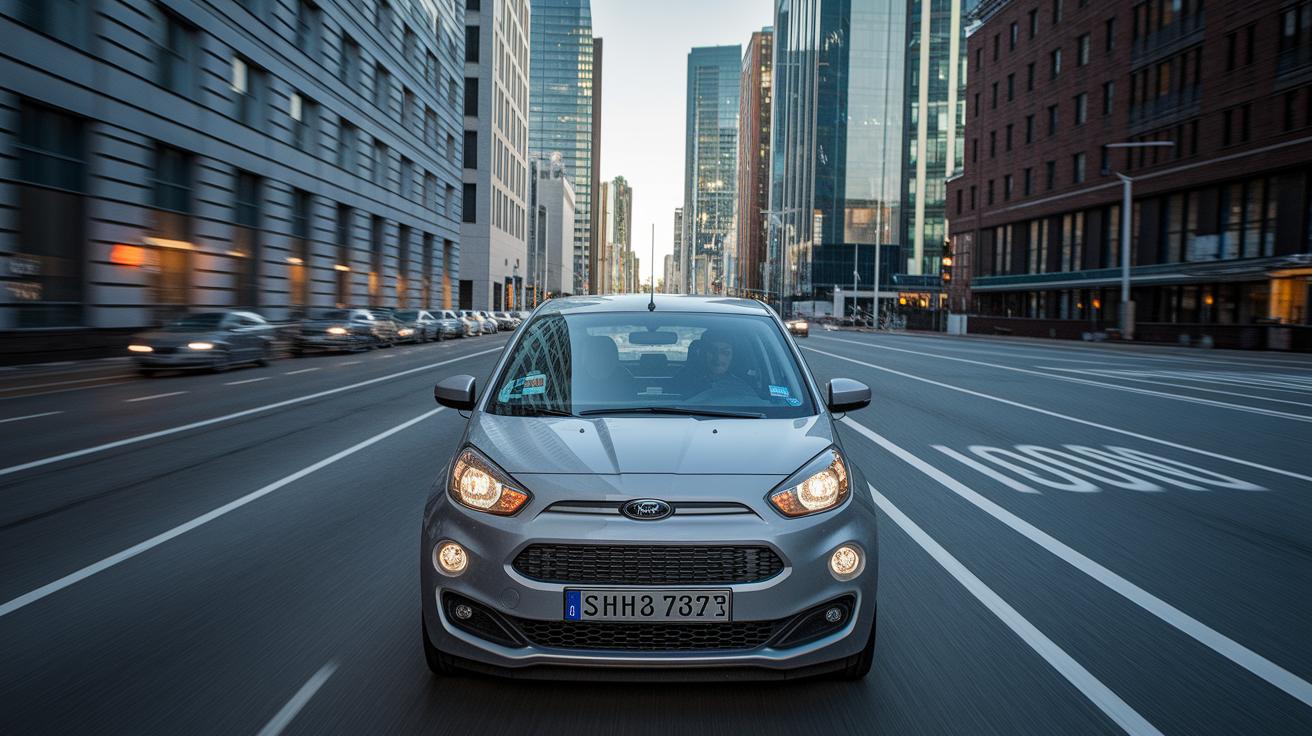
Think about how you'll use your car. Do you need a fuel-friendly compact to zip through busy city streets, or is a bigger ride better for family road trips? Picture a car that easily navigates tight urban roads yet has plenty of room for weekend adventures.
Then, look at your budget over the next five years. It’s not just about the purchase price. Remember to include license fees, routine service, insurance, and fuel. Jot down your expenses so you know your monthly or lease payment limits. A simple checklist might include:
- Your daily commute or those special family trips
- A five-year plan for maintenance, insurance, and fuel costs
- Clear targets for what you can pay each month
Assess each cost carefully to guide your choice. Start by sorting out the details, then narrow down your car options until you find one that fits your practical needs and keeps your wallet happy.
Researching and Comparing Car Models and Features
When you’re on the hunt for the perfect ride, start with the facts. Dig into clear, unbiased info by reading independent reviews, like those on Car and Driver. These reviews break down everyday driving, fuel economy, and safety to give you a real feel for each model. It’s a bit like checking out a car’s report card.
Next, take a close look at real-world fuel economy numbers. When gas prices are high, even a small boost in mileage can save you a bundle over time. Stick with trusted names like Toyota, Volkswagen, Nissan, and Honda. Their efficiency can make a big difference to your daily budget.
Safety matters too. Modern cars come equipped with smart features such as automatic emergency braking, lane-keep assist, and blind-spot detection. These add-ons boost your safety and feel-good factor when you’re behind the wheel. A quick checklist can help you confirm if the car has what you need because even tiny details can shape your long-term satisfaction.
It might help to jot down your findings in a simple table or list. Seeing fuel efficiency, safety scores, and performance reviews side by side can make your decision a lot clearer. For instance, consider tracking details like this:
| Feature | Description |
|---|---|
| Fuel Efficiency | Miles per gallon in the city and on the highway |
| Safety Features | Systems like automatic emergency braking and blind-spot detection |
| Performance | How well the car handles daily traffic and long drives |
And here’s a fun fact to consider: before airbags became a thing, drivers had to rely solely on seat belts for safety. Now, you can enjoy a whole suite of innovations designed to keep you and your passengers safe.
Weighing New Versus Used Options Before You Buy

When you're shopping for your next car, it helps to look at every option. New vehicles and leasing deals offer lower monthly payments, so you get to enjoy a car with the latest features without a long-term commitment. It’s like having an extended test drive with regular upgrades. On the other hand, buying a car lets you build value over time.
Certified pre-owned cars are a smart middle ground. They come with extra benefits like extended warranties and have passed several checks to ensure they’re in good shape. This extra inspection is kind of like getting a used car with the bonus of manufacturer-backed support.
Before you finalize your choice, pull a vehicle history report. Getting the lowdown on past owners, any accidents, or repairs can save you from hidden issues. And don’t skip a thorough pre-purchase inspection. I always say, “Better safe than sorry!”
| Option | Benefits |
|---|---|
| New or Leased | Latest features, lower monthly payments, periodic upgrades |
| Certified Pre-Owned | Extended warranty, multi-point inspections |
| Used | Potential long-term equity, lower upfront cost |
Taking these simple steps can help you pick the option that fits your budget and lifestyle just right.
Conducting an Effective Car Test Drive
Set up your test drive for the exact trim and option package you’re thinking about buying. This isn’t just a casual cruise; you want to really see what the car can do. Take it on a mix of roads, try a highway stretch so you can feel how the car behaves at higher speeds, and then find a rough road to sense how the suspension handles bumps.
While you’re behind the wheel, pay close attention to how the car responds. Is the steering tight and quick, or does it feel a bit slack? Try braking in a controlled manner to feel how the car stops. Test it out in a tight parking spot to see if it meets your needs. For example, when you press the brakes suddenly, the car should react fast, much like a dance partner keeping up with every move you make.
Before, during, or after your drive, take a good look at both the outside and inside. Check for scratches, rust, or any parts that seem off, as these might be signs of past damage. Make sure the infotainment system works well, test the Bluetooth pairing, and ensure any driver-assist features are doing what they’re supposed to.
And don’t forget to bring along photocopies of your driver’s license. This extra step helps protect your identity when you’re at the dealership. These careful checks give you peace of mind and help you avoid any nasty surprises after you make your purchase.
Handling Financing, Leasing, and Price Negotiations
When you’re picking out a car, knowing your money options really counts. Start by checking out both loan rates and lease deals. Look at the total cost over time, think about things like leftover value and limits on how many miles you can drive. For example, a lease might give you lower monthly payments, but ask yourself if it fits with the miles you normally drive.
Make a simple list with key points like interest rates, down payments, and how the payment plan works overall. Ask yourself, "Will this save me money in the long run?" Using online trade-in tools and doing a bit of market research before you talk numbers can give you a solid idea of what’s fair.
Don’t rush into a decision right after a test drive. That new-car smell might make you excited, but it’s best to take a step back and review all the details first. It’s a bit like checking all the features on a list before giving your final nod.
For more tips on haggling over the price, take a look at this guide at how to negotiate car price.
Take your time with each step, and trust the numbers to help guide you to a smart choice.
Using Checklists and Calculators to Finalize Your Car Selection
A checklist is a great way to line up all the car features so you can compare them easily. Write down key details like fuel efficiency, safety ratings, performance, and tech options. For example, jot down if a car has automatic emergency braking or if it scores well on fuel mileage. This simple step helps you see which models tick your boxes without getting bogged down in too much info.
Next, check out online car finder platforms. These tools let you browse listings with filters for things like price, body type, and mileage. Filtering your search makes it simple to find options that match your lifestyle – it’s like having a smart helper that hones in on the best choices for your everyday driving.
Also, consider using a total cost-of-ownership calculator. Run your numbers to estimate expenses over the next five years, including maintenance, insurance, and fuel. This approach can help you set a realistic budget while finding a car that meets your long-term needs. It takes a potentially stressful decision and turns it into a clear, organized process that keeps your priorities in check.
Final Words
In the action, this article broke down each step to help you find the right ride. It started by defining your driving needs and budget. Next, it showed you how to compare models, test drive thoroughly, and tackle financing and price talks. Simple tools like checklists and calculators kept the process clear and manageable. Remember these tips next time you're working on how to choose a car. Enjoy the ride ahead and make smart, confident choices.
FAQ
How to choose a car quiz
The car quiz helps you narrow down your choices by asking about your driving habits, budget, and preferred features. It quickly matches your lifestyle with cars that meet your needs.
How to choose a car on Reddit or what car should I buy quiz Reddit
The car quizzes on Reddit let you tap into community advice. They collect details about your driving habits and budget to offer real-world recommendations from fellow enthusiasts.
How to choose a car make and model
Choosing a make and model means matching your budget and driving needs with trusted brands. Look at fuel economy, safety, and design to create a shortlist that fits your lifestyle.
What is a car finder tool or car finder by features
A car finder tool allows you to filter models by price, fuel efficiency, and body style. It streamlines your search by highlighting vehicles that meet your specific requirements.
How to choose a car battery
Choosing a car battery means checking the right size, power rating, and durability for your vehicle. Compare warranties and cold-cranking amps to ensure you pick one that lasts.
What does “pick a car for me” mean
‘Pick a car for me’ tools use your details like driving habits, budget, and style to offer tailored car suggestions. They simplify the search by matching options with your individual needs.
What is the 20% rule when buying a car
The 20% rule suggests keeping your car purchase or monthly payment at no more than 20% of your available funds. This helps prevent overspending and keeps your budget in check.
How do you know which car is best for you
Knowing which car is best starts with evaluating your daily drive, lifestyle, and budget. Compare test drives and features to decide on a vehicle that truly fits your everyday needs.
What is the 30-60-90 rule for cars
The 30-60-90 rule guides you to reassess your car choices at different stages after exposure. This step-by-step evaluation helps ensure you make a confident and well-timed car purchase.
What is the 20 8 3 rule for buying a car
The 20 8 3 rule generally advises a 20% down payment, keeping loan terms to around 8 years, and choosing a car that costs no more than 3 times your annual income to maintain affordability.