
Ever thought that getting a new title for your car might be a hassle? It doesn’t have to be. This guide walks you through every step in simple language.
First, we'll show you the forms you need and explain what each one is for. Next, you'll learn how to handle the fees, with tips to keep it all clear and easy to follow. Finally, we break down each step so you can file your paperwork without any stress.
Whether you're replacing old documents or getting your first title, our guide turns a tricky task into something quick and manageable. Enjoy the ride as you get your title sorted out in no time!
Step-by-Step Process to Obtain a New Title for a Car
When you buy a car or finish some repairs, getting a title is really important. It shows you truly own the vehicle. Whether this is your first ride or you need to replace old title papers, this guide makes the paperwork easy to handle. And hey, if you’re just starting out, check out our car buying guide for extra help.
First, fill out your title application. In California, you might use form MV-196, and in New York, try form DTF-802. Then, make sure any needed lien releases are sorted out, especially if your car was financed. After that, gather your important papers like a government-issued ID, current registration, and proof of ownership such as a signed title or bill of sale. These steps set you up for a smooth process.
Next, pick how you want to pay the title fees, which usually run from $15 to $100. You can pay by check, credit card, or even cash. Once your forms and fees are ready, submit them in the way that works best for you, in person, by mail, or online. This works whether you’re getting a new title or replacing old documents, as long as you follow your local DMV rules.
Finally, keep track of your title application. DMV processing might take anywhere from 2 to 8 weeks based on your state. Hang on to your receipts and reference numbers so you can easily check your status. With a little patience and attention, you’ll soon have your certified title in hand, solid proof that the car is all yours.
Documents Needed to Replace or Get a New Car Title

Sorting out your car title paperwork can be easier when you have everything organized. Whether you lost your title or need a new one, gathering the right documents is a big help. It cuts down on delays and keeps extra trips to the DMV at bay.
Here’s what you’ll need:
- A state-approved title application (for example, TX uses form RL-7). This form is key if you’re applying for a new title or replacing a lost one.
- Proof of identity, like a driver’s license or passport, to show who you are.
- A VIN verification form (such as INS-10 in FL) to confirm your car’s unique number.
- A lien release letter if your car was financed. This shows that any outstanding loan has been paid off.
- A notarized power of attorney if someone else is handling the paperwork for you.
Before you submit your forms, it’s a good idea to double-check each document. Missing or incorrect paperwork can lead to extra delays. Taking that little extra moment now can save you from unexpected issues later on.
Car Title Transfer Fees and DMV Processing Times
Here's a simple look at the title fees in different states along with how long you can expect the DMV to process your title transfer. This info holds whether you're transferring a new title or replacing a lost one.
| State | Standard Fee | Expedited Fee | Processing Time |
|---|---|---|---|
| California | $23 | $20 | 4–6 weeks (standard), 2–3 weeks (expedited) |
| Texas | $33 | $25 | 3–5 weeks |
| Florida | $75 | $30 | 4–8 weeks |
| New York | $50 | $20 | 6–8 weeks |
Keep in mind that some extra taxes might push up the fees if you need special plates or if your title comes from another state. So, if you’re in a rush, check if expedited options can save you some time, even though they might cost a bit more. Compare your choices carefully to keep the title transfer process as smooth and affordable as possible.
How to Correct Errors on a Car Title Application

Before you submit your car title application, take a minute to check everything. Look over the owner's name for spelling, double-check the VIN numbers, and make sure the odometer reading is right. Missing even one detail can slow down your DMV title transfer or mess up a lost title replacement.
If you spot a mistake, fill out a Title Correction Request form. For example, if you live in Arizona you might use form 217, or if you're in New Jersey, try form TLE-001. Gather all the documents you need to show exactly what went wrong and how you want it fixed. Following the instructions on the form makes correcting these issues a breeze.
Expect to pay a small fee, usually between $5 and $25. Once you've turned in your correction, you should see your revised title in about 1 to 3 weeks. Spending a little extra time now to fix these details saves you from bigger hassles later on.
Special Cases: Titles for Inherited, Gifted, or Dealer-Transferred Cars
Inherited cars need extra paperwork to prove you own them because they once belonged to a family member. You’ll need a few documents like a death certificate, letters testamentary, an heir affidavit, and a state title transfer form made for inherited vehicles.
For these cars, fees and taxes are often lower than for regular transfers. Some states even drop processing fees when a family car is passed on. This helps make the paperwork process a little easier on your wallet.
Gifted cars have their own set of title rules too. When you get a car as a gift, you need to show it wasn’t sold. The list usually includes a Gift Affidavit (like IRS Form 709), a letter from the giver saying it wasn’t a sale, your government-issued ID, and proof that sales tax is waived or not needed.
Many states offer sales-tax exemptions on gifted vehicles. This helps cut down on the overall cost of the DMV title transfer, making things simpler for both the giver and receiver.
When you buy a car from a dealer, there’s different paperwork to sort out the sale and prove who owned it before. You’ll need the Manufacturer’s Statement of Origin (MSO), dealer application forms, proof of purchase or an invoice, plus a title transfer form filled by the dealer.
Dealer transfers might have different fee rules compared to private sales. Dealers often have special setups that can reduce the sales tax burden, depending on the car’s history and the state’s rules.
Out-of-State Title Transfers: Converting a Foreign Title
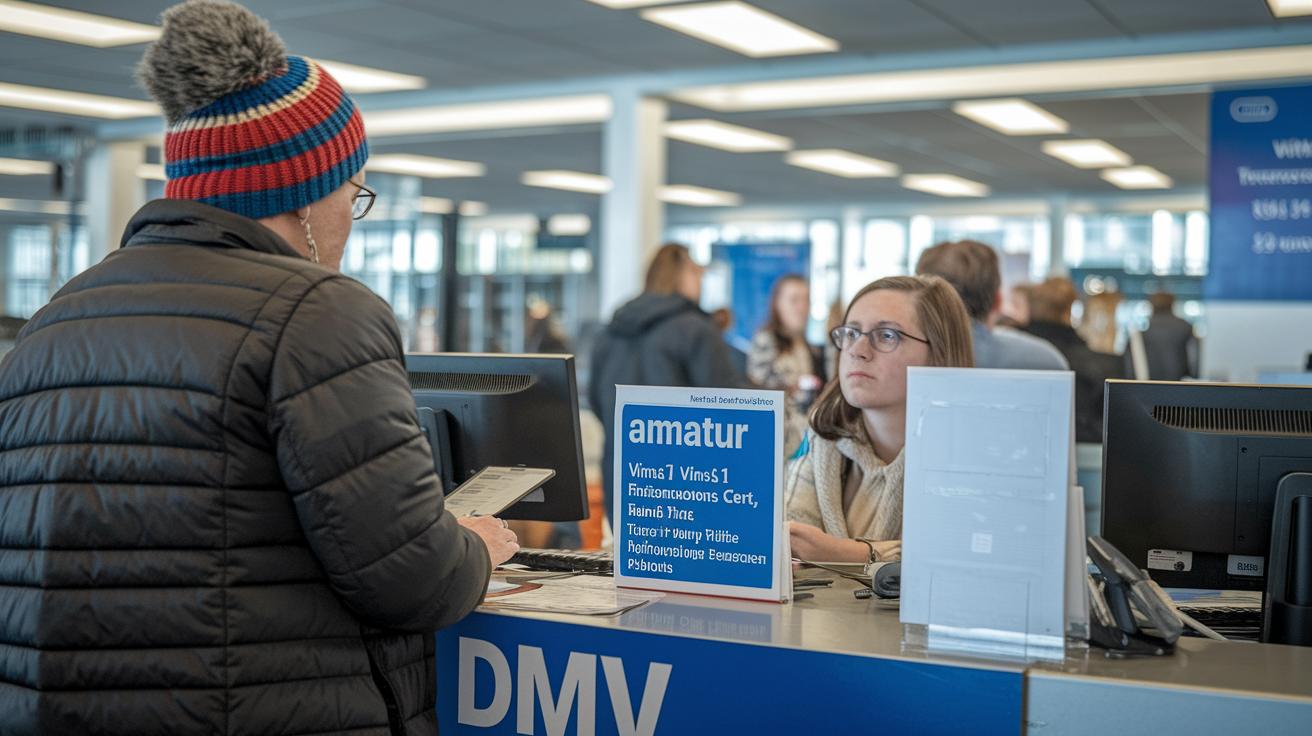
If you're looking to transfer an out-of-state title, here are four simple steps to help you get it right. First, find your original out-of-state title. This is important because it shows who owned the vehicle before. Next, have your VIN (that’s your vehicle's unique ID) and odometer checked using form MV-Ins1 in Illinois. This step makes sure your car's details are exactly as they should be.
After that, you’ll need an emissions or safety inspection certificate. Some places even skip this step if your car passed the test in the past 30 days, which is pretty handy. Finally, pay any extra title tax. This covers the extra costs that might come with processing your new car title.
It’s good to stay on top of every detail. Sometimes expired inspection certificates, missing paperwork, or even a small tax mistake can slow everything down. So, double-check all your documents and make sure everything is up-to-date. That way, your title transfer happens smoothly and on time.
Tips to Avoid Delays When Getting a New Car Title
Keep your paperwork neat and sorted. It helps to fill forms online and set up an appointment so you skip extra trips. And don’t forget to call the DMV ahead of time to double-check what you need.
- Make sure every detail on your forms is correct before you hand them in.
- Use online prefill or book an appointment when you can.
- Always get the lien release in writing.
- Pack extra copies of each document.
- Give the DMV a quick call to confirm the current requirements.
Final Words
In the action, we explored getting a new title for a car step by step. We covered gathering paperwork, checking fees and wait times, correcting errors, and managing special title scenarios.
You now have a clear guide to steer your way through each phase, from basic submissions to sorting out special cases and overcoming delays. Keep this advice in mind, and enjoy the smooth ride ahead through your title transfer process.
FAQ
Frequently Asked Questions
How do I start the process to obtain a new car title?
The new car title process starts by gathering all necessary documents including a completed title application, your government-issued ID, and proof of ownership. You’ll then verify any lien release and prepare to pay the title fee.
What documents are required for getting or replacing a car title?
The car title requirements include a state-approved title application, proof of identity, VIN verification, lien release if needed, and sometimes a notarized power of attorney. These documents help prevent delays in processing.
How long does title processing take and what fees should I expect?
The DMV title process usually takes 2–8 weeks, depending on your state. Title fees typically range from $15 to $100, with additional charges for expedited processing, specialty plates, or other surcharges.
How can errors on a car title application be corrected?
Correct title errors such as misspelled names or incorrect VIN digits by submitting a Title Correction Request form along with a fee of $5–$25. This correction process normally takes 1–3 weeks to complete.
What special documents are needed for inherited, gifted, or dealer-transferred cars?
Special title situations require additional paperwork. For inherited vehicles, you’ll need a death certificate and heir affidavit; for gifted cars, a Gift Affidavit; for dealer transfers, the Manufacturer’s Statement of Origin and dealer forms, with each case having varying fee structures.
What steps are needed for out-of-state title transfers?
Converting an out-of-state title includes submitting the original title, a VIN and odometer inspection form, an emissions or safety inspection certificate, and paying any differences in title tax, all of which must be completed to avoid delays.
How can I avoid delays when getting a new car title?
To avoid delays, double-check all form entries, use available online tools for prefill or scheduling, confirm lienholder release in writing, bring extra copies of documents, and call the DMV ahead to verify current requirements.