
Ever wonder why some car seats feel so comfortable? Alcantara catches your eye with its soft, lasting texture and neat matte look.
It’s made from a mix of polyester and polyurethane, so it feels like suede without using animal skins. This fabric gives you a firmer grip and cuts down on glare when the sun is out.
In short, Alcantara adds both style and smart performance to your car, proving custom interiors can be both useful and cool.
alcantara for car Shines in Custom Interiors
Alcantara is a fabric that feels like suede. Made from 68% polyester and 32% polyurethane, it’s both light and tough. It’s crafted to offer the soft feel of natural suede without using animal skins. In short, it’s a man-made material that brings style and practicality to your car, much like a custom seat cover that fits just right.
Making Alcantara is almost like creating a piece of art. They use methods like extraction, dyeing, needle-punching, and buffing. Picture it as building a fine sculpture where every step adds texture and color. The process gives the fabric a unique matte finish and a nap that feels soft yet firm.
Alcantara also comes with some pretty cool benefits for car interiors. Its matte finish cuts down dashboard glare by up to 30% compared to leather, which means better visibility on sunny days. Plus, it grips well and resists moisture, so water stains are less of a problem. All of this makes Alcantara a sharp choice for high-performance vehicles and custom interiors alike.
Key Advantages of Alcantara in Car Upgrades
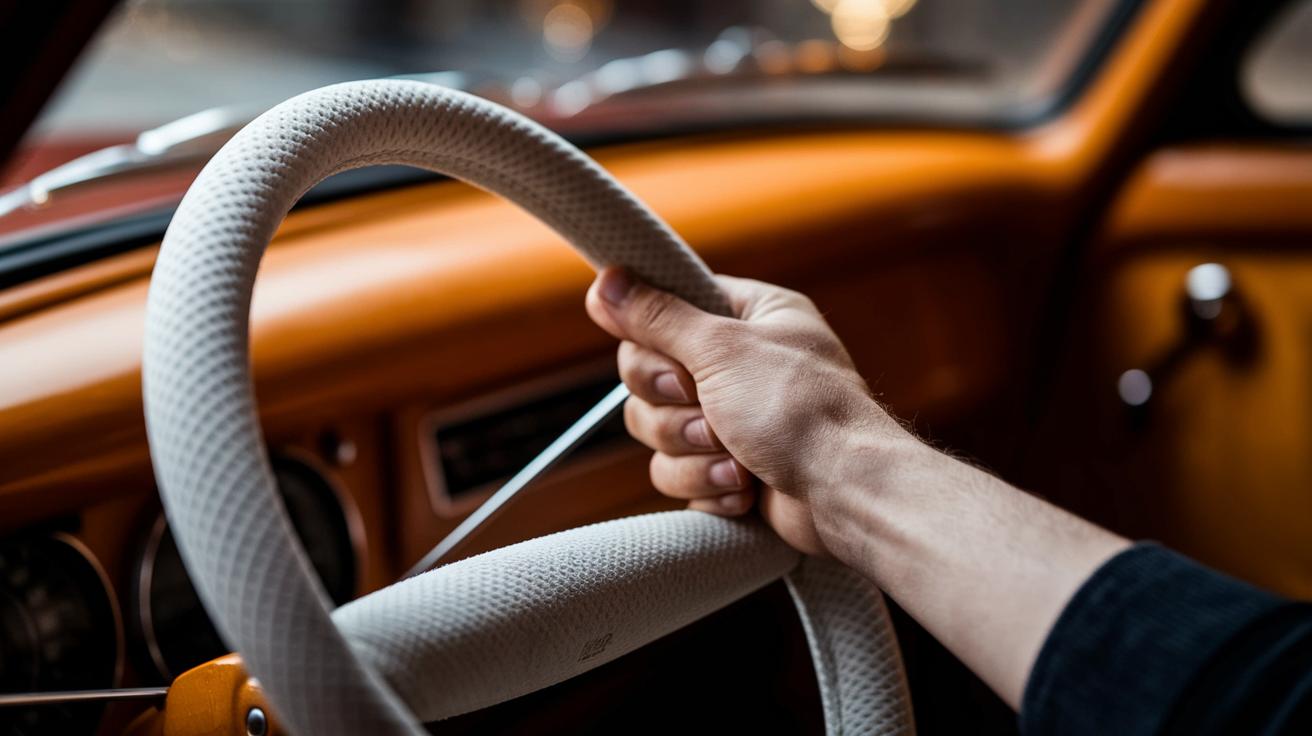
Alcantara gives you about 25% more grip than smooth leather, which means you get a firmer hold on the wheel. It feels like the difference between a tire and an ice rink – you know exactly when your car is ready to respond, even during quick maneuvers.
This material is tough. It stands up to wear much better than traditional suede, so your car’s interior keeps looking sharp even after countless drives. And thanks to its moisture resistance, it maintains its texture and soft feel, ride after ride.
The price works out pretty similar to mid-range leather, usually around £1,200–£1,800. That blend of performance and style makes it a smart choice if you want to upgrade without breaking the bank. Fancy a ride that looks and feels a cut above the rest? Alcantara might just be the answer for you.
Common Alcantara Applications in Vehicle Interiors
Alcantara is loved by many car fans for its soft touch and strong grip. Car makers like Maserati, Rimac, and McLaren, along with rare models like the Toyota Plasma Orange 100 Edition Supra, use it to add both style and a better driving feel. It reacts quickly when you touch it, making it perfect for racing cars where every detail matters. It works great on big surfaces like full upholstery as well as on smaller areas that need extra grip.
- Seat bolsters and full upholstery
- Steering wheels and gearshift levers
- Dash covers and instrument surrounds
- Door cards and armrests
- Headliners and sun visors
- Center consoles and transmission tunnels
- Custom trim accents
Designers often choose Alcantara to give cars a sleek look while also boosting control where you really need it. Covering both large panels and focused areas like steering wheels, this material offers a great feel and reduces glare in bright sunlight. Its ability to improve tactile feedback makes it a hit with car lovers who want that extra bit of control on the road. Whether for full reupholstery or special trim accents, Alcantara stays a favorite for interiors that blend function with style.
Comparative Review: Alcantara vs Leather and Suede

Alcantara falls in the same price range as mid-tier leather, usually costing between £1,000 and £3,000 per vehicle. Some fancy leathers can cost way more because they’re rare. Essentially, you’re paying for a premium feel without that steep price tag, making it a smart choice for those after style without splurging.
When it comes to durability, Alcantara wins over suede. It handles moisture better and keeps its texture intact even after 40% more wear and tear. Leather is easier to clean up quickly when spills happen, but it doesn’t always match the grip and tough feel of Alcantara. Think of it like comparing a rugged, well-trodden track with a shiny, fresh new surface, Alcantara stands tough through time.
Maintaining leather is pretty simple, a quick wipe works for minor messes. Alcantara requires a bit more love though. You’ll need to vacuum it weekly to keep oils and dirt at bay. A soft microfiber cloth with a little water works wonders for regular cleaning. Just steer clear of harsh chemicals so you don’t harm the fabric. This extra care helps Alcantara keep its smooth, luxurious look over time.
Step-by-Step Guide to DIY Alcantara Installation
Step 1: Surface Preparation
First, give your panels a good clean. Wipe them down with isopropyl alcohol to clear away any grease or dust that might stop the glue from sticking. Next, gently roughen the surface with 320-grit sandpaper to add a bit of texture. This little trick makes the spray adhesive hold better. Imagine tuning up your favorite car part, getting it clean and smooth for that perfect finish.
Step 2: Fabric Measurement and Cutting
Now, measure the area where you'll be installing the fabric. Most DIY kits include about 1.5m² of Alcantara, which is plenty for many interior panels. When you mark out your cutting lines, leave an extra 5mm all around. That extra space gives you some stretch to work with later, so there are no tension problems. It’s just like cutting fabric for a custom seat cover that fits every curve nicely.
Step 3: Adhesive Application
Next, coat your panels with the adhesive evenly. Most kits come with around 300ml of spray adhesive that covers about 0.5m² per pass. Spray a thin, even layer to avoid drips and clumps. Think of it as lightly painting a canvas, making sure the new Alcantara will settle perfectly.
Step 4: Positioning and Tensioning
Then, gently lay the fabric over your prepared surface. When you do this, pull it so that you get around a 10% stretch in curved areas. This helps the fabric follow your car’s contours and stops wrinkles from forming. Smooth out any bubbles or folds so the finish looks clean and fitting every curve.
Step 5: Trimming and Cure Time
Finally, trim off any excess fabric with a rotary cutter for a neat edge. Let the installation sit for 24 hours so the adhesive bonds completely. After that, your new Alcantara is set and ready for the next ride!
Maintenance and Care Tips for Alcantara Car Surfaces
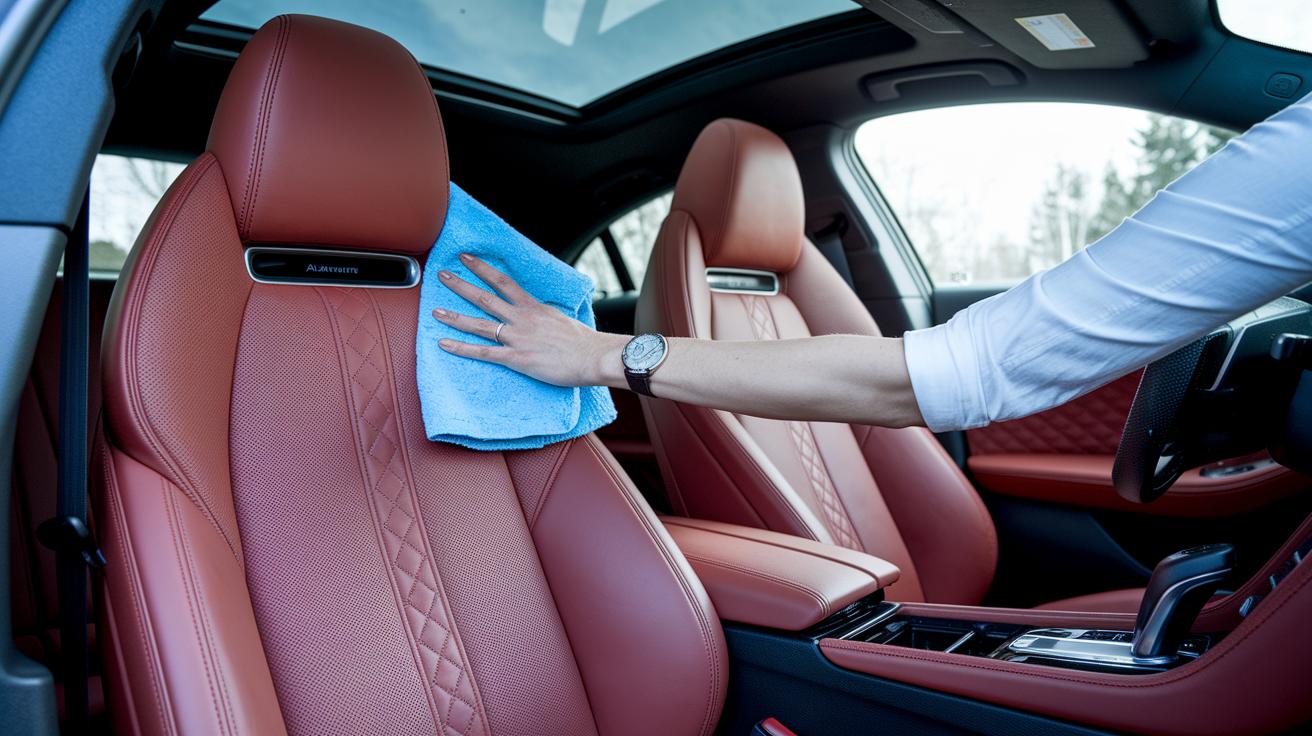
Daily care really goes a long way. Start by gently brushing or vacuuming your Alcantara surfaces to keep dirt from settling deep into the fabric. Then, every week, grab a damp cotton cloth and wipe away any oils that build up. It’s a bit like giving your car a quick refresh, keeping that soft, suede-like feel just right.
For a deeper clean, remove any panels you can and toss them into a machine wash at 30°C once a year. Think of it as a yearly tune-up for your car’s interior that tackles stubborn marks without harming the fabric. When it comes to cleaning off stubborn spots, use a pH-neutral upholstery cleaner since it’s gentle on the material. Avoid bleach, ammonia, or stiff brushes because they can cause real damage. Stick with these tips and your Alcantara surfaces will stay pristine and luxurious.
Cost Considerations and Value Analysis for Alcantara Car Trim
When you're upgrading your car with Alcantara, every dollar counts. A full Alcantara makeover for your car usually runs between £1,000 and £3,000. That fee covers not only the fabric, priced around £40–£60 per linear yard, but also the careful work needed to install each piece. With labor costs between £200 and £500 per part, you'll get a luxe feel that can boost your car’s resale value by 3–5% on high-end models.
Breaking the costs down helps you plan your upgrade smartly. Each component, from the steering wheel to the headliner, needs a different amount of work. For instance, reupholstering the steering wheel might take medium effort, while fixing up the seats needs top-notch precision. The dashboard usually costs less to renew compared to other areas like the headliner, which, although a bit more complex to install, really makes a difference inside your car. Knowing these little details helps you budget wisely while still getting a premium look.
| Component | Estimated Cost | Installation Complexity | Value Impact |
|---|---|---|---|
| Steering Wheel | £300–£500 | Medium | +2% |
| Seats (per seat) | £200–£400 | High | +3% |
| Dashboard | £150–£250 | Low | +1.5% |
| Headliner | £200–£300 | Medium | +1% |
This guide gives you a clear picture of the investment needed to create a custom look in your car that combines style with lasting value.
Trends and Future Innovations in Alcantara Auto Design

Cars from 2020 to 2024 are starting to use Alcantara in their mid-trim models. This shift shows that makers are pushing boundaries with Alcantara suede. They’re using this luxurious material to give car interiors a rich feel while keeping things green. Plus, new recyclable polyester blends help achieve eco goals for 2030 without losing that premium look.
And then, new nano-coatings are in the spotlight. These coatings let stains vanish 20% faster and boost UV protection. It's a cool innovation that's drawing interest from both fans and experts. This technology fits right in with the stylish Alcantara interiors we see in today’s cars and is paving the way for big trends ahead.
Finally, fresh methods for applying Alcantara are evolving. Car makers are perfecting how they install it to make sure it stays tough and retains its unique feel. These improvements, combined with eco-friendly processes, are setting the stage for a new generation of car interiors that celebrate both style and sustainability.
Final Words
In the action, we explored the composition, production, and standout benefits of Alcantara. We touched on its enhanced grip, superior durability against wear and moisture, and real-world applications across luxury interiors. We also weighed it against leather and suede, broke down installation tips, upkeep routines, and even cost considerations. From practical DIY advice to emerging trends, the article provided a well-rounded look at alcantara for car upgrades. Keep these insights in mind as you make your next decision, your car deserves the best.
FAQ
What is Alcantara in a car?
Alcantara in a car means a synthetic, suede-like material made of polyester and polyurethane that is used on interiors to boost grip, lessen glare, and resist moisture.
What are the downsides of Alcantara?
Downsides of Alcantara involve its need for frequent cleaning to avoid oil buildup, careful maintenance to prevent minor fading, and a slightly more demanding upkeep than materials like leather.
Is Alcantara better than leather?
Alcantara is better in providing enhanced grip and moisture resistance, while leather allows for quicker spot cleaning; the best choice depends on whether performance or ease of care matters more.
Does Alcantara fade or wear easily?
Alcantara resists wear effectively and holds its surface texture well over time, though regular cleaning is important to keep it looking fresh and free from premature fading.
Where can I buy Alcantara for a car and what is the typical price?
Alcantara is available at specialized auto suppliers and luxury dealerships, with vehicle packages usually priced around £1,200–£1,800, comparable to mid-tier leather options.
What is Alcantara fabric, roll, and car interior wrap?
Alcantara fabric is a durable, suede-like material offered in rolls for custom installations; when used as an interior wrap, it upgrades car surfaces with improved texture, grip, and attractive finishes.
What makes the best Alcantara for a car?
The best Alcantara comes with a finely textured finish that enhances driver control with better grip, maintains a low-glare look, and stands up well to daily use with proper care.