
Ever wonder which car is right for you? Each ride can match a different vibe, just like your mood. You might gravitate toward a cozy sedan that makes everyday drives a breeze, or maybe an SUV that gives you plenty of space and feels safe on the road.
Imagine a ride that fits your style perfectly, whether you need something practical or you're in the mood for a little fun. This guide breaks down each car type in simple words so you can pick one that suits your lifestyle. Stick with us and see how each option can make your drive feel just right.
Car Categories: Smart Selections for Every Taste
Car categories help you pick a car that suits your life and style. In this guide, we break down the main types in simple, everyday language. Think of each type as a toolbox loaded with features made for different drivers.
Sedans are the everyday ride most people choose. They have four doors, a comfy ride, and extra room in the back. SUVs step things up by offering more space and a higher ride, great for families or anyone who wants a feeling of extra safety on the road.
Hatchbacks are all about practicality. With a rear door that swings up for quick loading and a small size that’s perfect for city streets, they pack a punch in a compact design.
Coupes give off a sporty vibe with their two-door setup, while convertibles let you enjoy the open air, perfect for sunny drives on the weekend. Crossovers mix the best of both worlds: the ease of a smaller car with the versatility of an SUV.
Minivans are built for families, offering plenty of seating and cargo space. Trucks, on the other hand, are tough and made to haul loads while still being comfortable. Electric cars run purely on electricity, giving you a nearly silent ride with great efficiency, and hybrids combine a gas engine with an electric motor for a balance of performance and fuel economy.
Each of these categories has its own perks and trade-offs. So whether you’re drawn to the sleek look of a coupe or the smart efficiency of a hybrid, knowing these basics makes it easier to find your perfect ride. For more tips on what features matter most, check out our guide on how to choose a car – https://thecivics.com?p=169
Car Categories by Body Style: Sedans, SUVs, Hatchbacks, and More
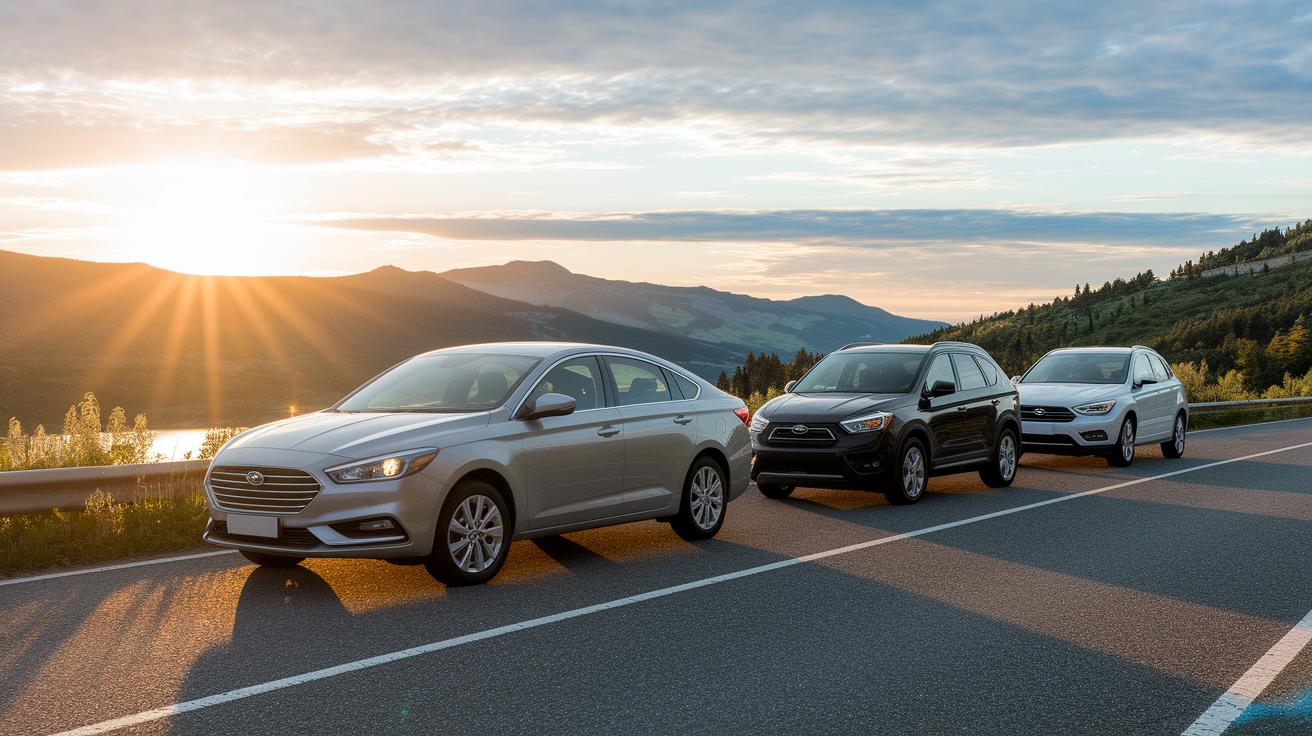
Sedans have come a long way from being basic commuter cars. They now offer better fuel economy and a smoother ride. Recent tests even show up to a 15% jump in mileage over older versions. One driver mentioned that his sedan handles heavy traffic with a newfound smoothness.
SUVs have stepped up their game with smart safety features and a sturdy off-road grip. They’re designed with precise steering and fresh tech that many drivers appreciate. One owner said the elevated seat and responsive controls make twisty roads feel extra secure.
Hatchbacks have also gotten a makeover. Their interiors are redesigned to maximize space without losing that compact, nimble feel. The new layout means you can pack in more gear and comfortably fit extra passengers. A shopper commented that loading groceries has become a breeze.
Coupes blend sporty visuals with real performance upgrades. They accelerate faster and boast sharper handling. One enthusiast shared that the engine’s punch and the car’s nimble feel truly transform the driving experience.
Convertibles now sport clever roof systems that boost safety without taking away that fun, open-air drive. Testers love how the secure roof mechanism lets you enjoy the thrill of open skies while feeling safe.
Crossovers mix modern tech with the comfort of a regular sedan. With enhanced storage options and dependable safety features, they deliver a versatile ride. One tech fan even said it feels like the car adjusts itself to what he needs on every journey.
Minivans aren’t just about practicality anymore. They come packed with upgraded infotainment systems and better family safety tech. Many parents appreciate how the new cabin layout keeps the kids entertained during long trips.
Trucks have seen improvements in suspension tuning and fuel efficiency. Today’s trucks boast quicker acceleration and higher towing capacity without sacrificing agility. One owner noted his truck can haul heavy loads yet still feels nimble on the road.
| Category | Highlights |
|---|---|
| Sedans | Better fuel economy, smoother ride |
| SUVs | Smart safety features, improved off-road grip |
| Hatchbacks | Redesigned interiors with extra space |
| Coupes | Sporty look, faster acceleration, sharper handling |
| Convertibles | Innovative roof systems for safety and open-air fun |
| Crossovers | Modern tech with versatile storage and comfort |
| Minivans | Enhanced infotainment and family-friendly safety |
| Trucks | Improved suspension, fuel efficiency, and towing capacity |
Segmenting Car Categories by Size: Economy to Full-Size Vehicles
Economy cars are made for buyers watching their budgets. They come in smaller sizes, cost less, and give you great fuel mileage. Picture a small ride that zips through busy city streets without emptying your wallet, it’s a smart choice for urban driving.
Compact cars step up just a bit. They offer extra room inside yet still handle easily. Think of a compact sedan that slips into tight parking spaces and still provides comfort for a short road trip.
Mid-size cars hit the perfect middle ground. With added legroom and extra storage, they mix fuel efficiency with everyday comfort. These vehicles are favorites for small families and those who drive often.
Full-size vehicles bring plenty of space and a boost in power. They’re built for long trips and tough drives, making them a top pick for anyone who values comfort on the road.
Premium cars shine with luxurious finishes and the latest tech. They’re designed for buyers willing to spend a bit more for advanced safety features and standout performance.
- Economy: Budget-friendly with great mileage
- Compact: Perfect for city driving with enough space
- Mid-size: A balanced ride ideal for families and frequent travelers
- Full-size: Spacious and powerful for long journeys
- Premium: Loaded with luxury and cutting-edge technology
Imagine a mid-size car turning your everyday drive into a smooth, enjoyable escape.
Powertrain-Based Car Categories: Electric, Hybrid, and More
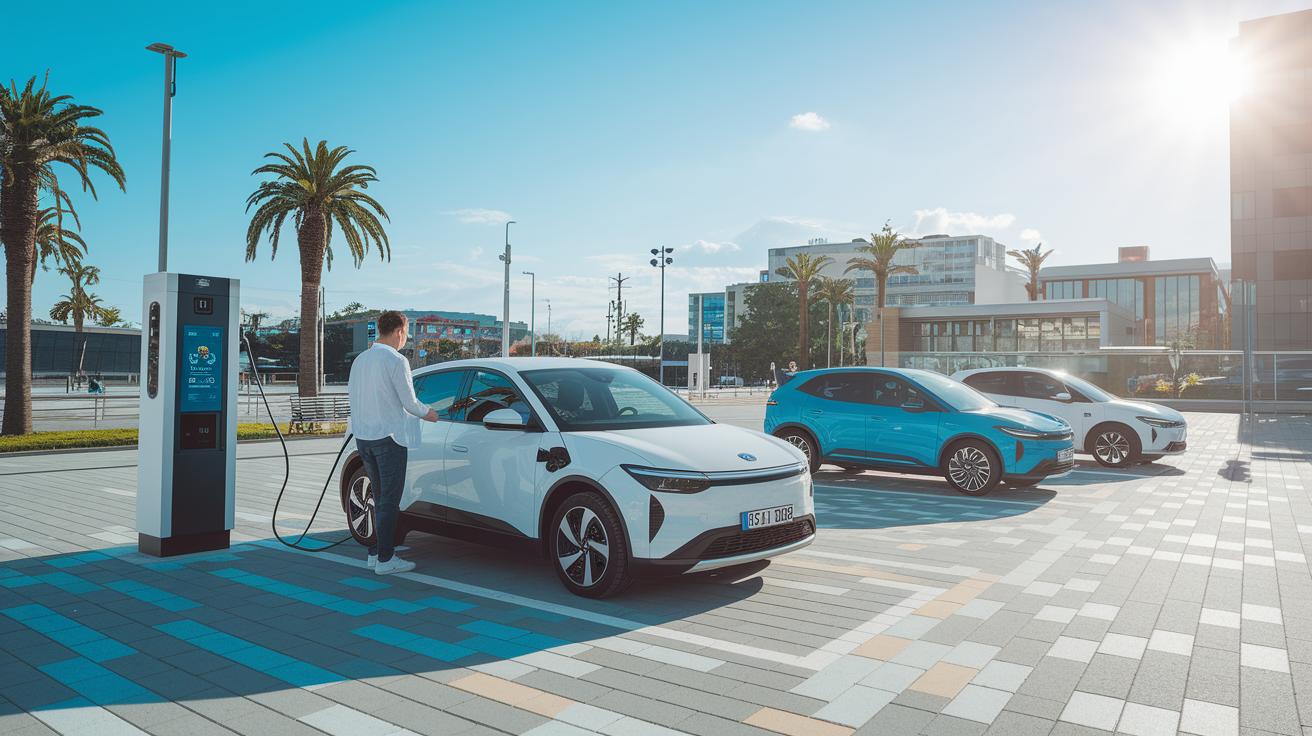
Battery electric vehicles, or BEVs, run solely on electricity and produce no exhaust. They’re catching on fast, and sales are steadily rising around the globe. Many of these cars can travel long distances on a single charge and sport sleek, modern looks. One popular model even shows off impressive mileage, proving that you can enjoy both efficiency and style.
Hybrids (also called HEVs) mix a gas engine with an electric motor to help save on fuel while still performing reliably. This combo lets you enjoy better gas mileage without the worry of running out of juice. Then, there are plug-in hybrids (PHEVs) which add extra electric range for shorter trips and switch to gas for longer drives. This means you can handle city commutes on electric power and still take longer journeys with ease.
Fuel cell vehicles (FCEVs) use hydrogen to power up and emit only water. They refill quickly and run very smoothly, and many drivers are excited to see these on the road more often soon.
For more details on market figures and trends, check out electric vehicle innovation – https://unionno.com?p=1744
Car Categories by Usage and Market Segment: Family, Luxury, and Performance
Family cars are built for everyday adventures. They usually have plenty of space, focus on safety, and help you save fuel along the way. Think of them as a cozy home on wheels, great for school runs or weekend getaways. Many drivers appreciate features like driver-assist tech, simple entertainment options, and loads of cargo room. I even heard one story about a family car that turned a long road trip into a smooth, comfortable journey.
Luxury cars, on the other hand, are for those who want a bit of extra flair and cutting-edge technology. They often feature fancy materials, sleek designs, and innovative touches that make every ride feel like a mini retreat. The drive is quiet and smooth, really letting you relax. But keep in mind, these cars usually come with higher maintenance costs and a premium price tag. If you’re thinking about splurging on a luxury ride, our car buying guide might help you make a smart choice – https://thecivics.com?p=145.
Sports or performance cars are made for drivers who crave speed and nimble handling. They pack impressive acceleration and a design that grabs attention on the road. Perfect for quick, spirited drives, these cars may not offer much in the way of storage or fuel economy. One car enthusiast described the thrill of pushing a sports car to the limit, all while soaking in the roar of its finely tuned engine.
Commercial vehicles like minivans and light trucks strike a balance between utility and comfort. Minivans offer extra seating and clever storage solutions, making them ideal for large families or group outings. Light trucks emphasize durability with strong towing power and plenty of storage options. They work well for both personal trips and business needs while still providing a comfortable ride.
- Family: Roomy, safe, and budget-friendly.
- Luxury: Fancy materials, modern tech, and a higher price tag.
- Performance: Sporty design and quick speed, though not always practical.
- Commercial: Tough, versatile, and built for hard work.
Emerging Car Categories and Future Trends in Automotive Segments
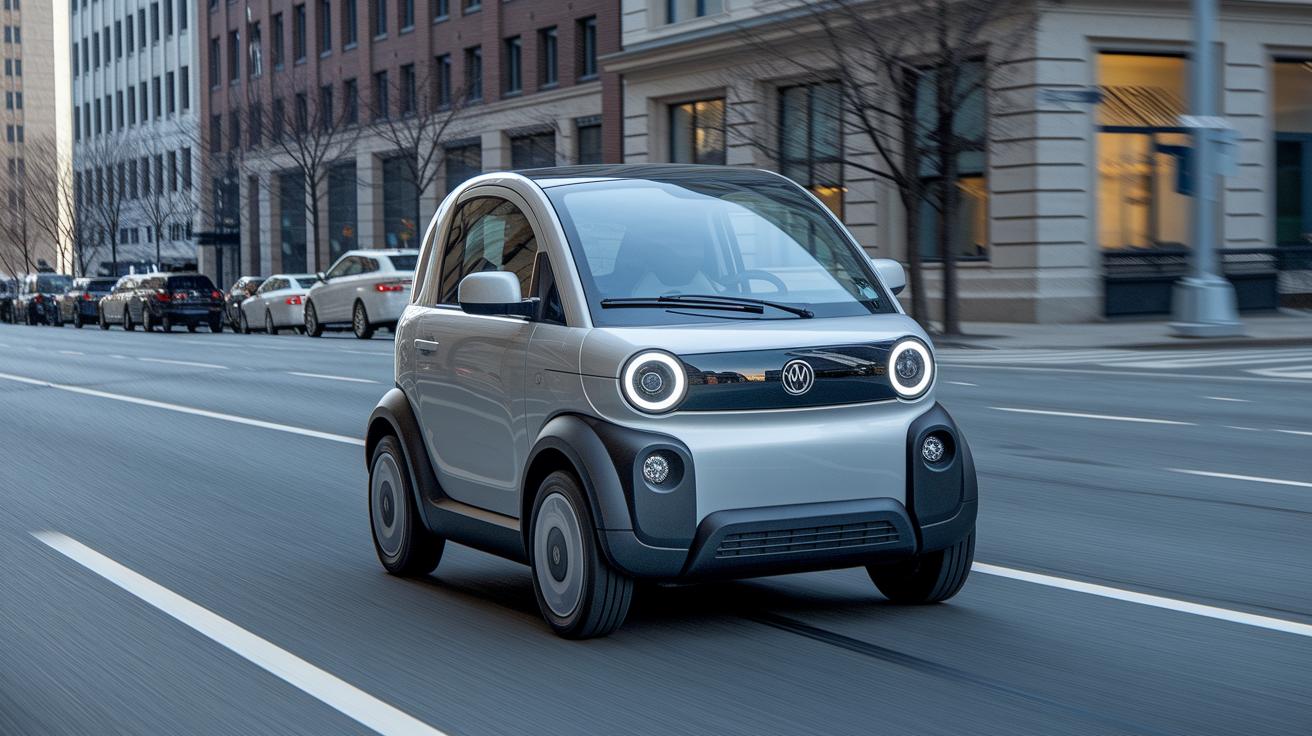
Cars are changing fast. Thanks to smart tech and new tastes, fresh ideas are popping up everywhere. Take microcars, for example. These tiny rides are perfect for busy city streets, keeping emissions low while easily dodging traffic jams. Imagine a little car that slips through congestion like it's playing a fun game, pretty cool, right?
Next up are self-driving cars that help make driving less stressful. They use sensors and cameras (basically, gadgets that let them "see" the road) to handle many tasks on their own. One driver even joked it feels like having a co-pilot who never gets tired. And there's more, connected cars can talk to your phone and even to other vehicles, giving you real-time updates on traffic, weather, and more.
Automakers are tuning in to the needs of tech-loving city folks and eco-friendly drivers. People want cars that are both efficient and loaded with the latest digital features. So, car makers are working hard to mix sleek style with smart technology like never before.
For more on how these trends are shaping the future, check out automotive innovation trends – https://unionno.com?p=1656
Insurance Write-Off Car Categories: A, B, S, and N Explained
When a car takes a serious hit, insurance companies put it into one of four groups. If a car is labeled Cat A, it means the damage is so bad that it’s beyond repair and is simply scrapped.
Cat B is for vehicles that have been crushed to the point where only the good, undamaged parts can be saved. It’s like when you have a big accident, and the car is too far gone to fix completely, but some pieces are still usable.
With Cat S, the car has structural damage, yet it can be fixed properly. Imagine a car that’s taken a rough fender-bender but can still be restored with the right repairs.
Lastly, Cat N covers cars with non-structural damage. This means the problems affect parts like brakes or steering, issues that are often easier to mend.
Before October 2017, cars with similar issues were marked as Cat C or Cat D, making things a bit confusing. Knowing these categories helps you understand what repairs might cost and what the car’s long-term value could be.
| Category | Description |
|---|---|
| Cat A | Scrap, non-repairable |
| Cat B | Severely damaged, salvageable parts only |
| Cat S | Structural damage, repairable |
| Cat N | Non-structural damage, repairable |
Final Words
In the action, we explored various car categories, from detailed overviews of body styles, size segments, and powertrain options to market-specific and insurance write-off classifications. Each section painted a clear picture of diverse vehicle types and what they offer. It felt like a friendly ride through the vast world of automobiles, focusing on the primary keyword car categories. Enjoy the process of matching your needs with the right car type. For more guidance, check out how to choose a car – https://thecivics.com?p=169
FAQ
What are the main car categories?
The main car categories include sedans, SUVs, hatchbacks, coupes, convertibles, crossovers, minivans, trucks, electric, and hybrids. Each type offers unique features and design suited to different driving needs.
What are some popular car brands and types?
Popular car brands span a range of types like compact, luxury, sports, and family vehicles. This diversity means each brand offers models that fit different lifestyles and performance expectations.
What are car categories by size and how do they differ?
Car categories by size range from economy and compact models to mid-size, full-size, and premium vehicles. Each group varies in dimensions, fuel efficiency, and overall performance to match buyers’ needs.
What are the 6 types of cars?
The six basic car types are sedans, SUVs, hatchbacks, coupes, convertibles, and trucks. Each type provides a different blend of style, space, and capability to suit various driving preferences.
What do insurance categories like Cat C, Cat D, Cat N, and Cat S mean?
Car insurance write-off terms indicate damage levels. Pre-2017, Cat C signified severe damage while Cat D was less severe. Newer terms use Cat S for structural and Cat N for non-structural damage.
What are the different levels of cars?
Different car levels include body style, size, powertrain, and market segments, ranging from economy and compact models to luxury and performance vehicles, each designed to meet varying buyer requirements.
For more guidance on selecting the right vehicle for your needs, check out our article on how to choose a car.