
Ever had that moment when your headlight flickers or your car unexpectedly stalls? It might feel odd, but these little hints can often signal bigger electrical glitches under the hood.
In this guide, you'll pick up some quick fixes that help keep your ride smooth and your drive stress free. We look at common warning signs, explain why they pop up, and share simple tests you can try out on your own.
Stick around, and you'll learn how to catch these troubles early so you can enjoy more worry-free miles on the road.
Overview of Common Car Electrical Issues: Symptoms, Causes, and Diagnosis
Your car’s electrical system is a key part of every drive. It makes sure the engine runs, safety features work, and all your gadgets light up. When everything is in tip-top shape, you get that smooth start-up and familiar hum. But if something goes wrong, you might notice a dim headlight or even an unexpected shutoff.
Ever noticed a headlight that flickers right before a road trip? That little signal might be hinting at a bigger issue hidden under the hood. Keeping an eye on these early clues not only saves you from costly fixes later but also keeps your ride safe and reliable.
Here are some common signs to watch for:
- Dim or flickering headlights can mean an aging battery or a worn-out alternator.
- Power windows and locks that don’t respond often point to loose or old wiring.
- When your car has a hard time starting, it might be a sign of battery or starter troubles.
- A burning smell is a warning of potential shorts or overheated parts.
- Blown fuses could be a sign that the wiring’s not grounding properly.
Taking care of these issues early keeps your car happy and running smoothly. So, if you spot any of these signs, it’s a good idea to get them checked out soon.
Inspecting and Testing Your Car’s Battery and Charging System
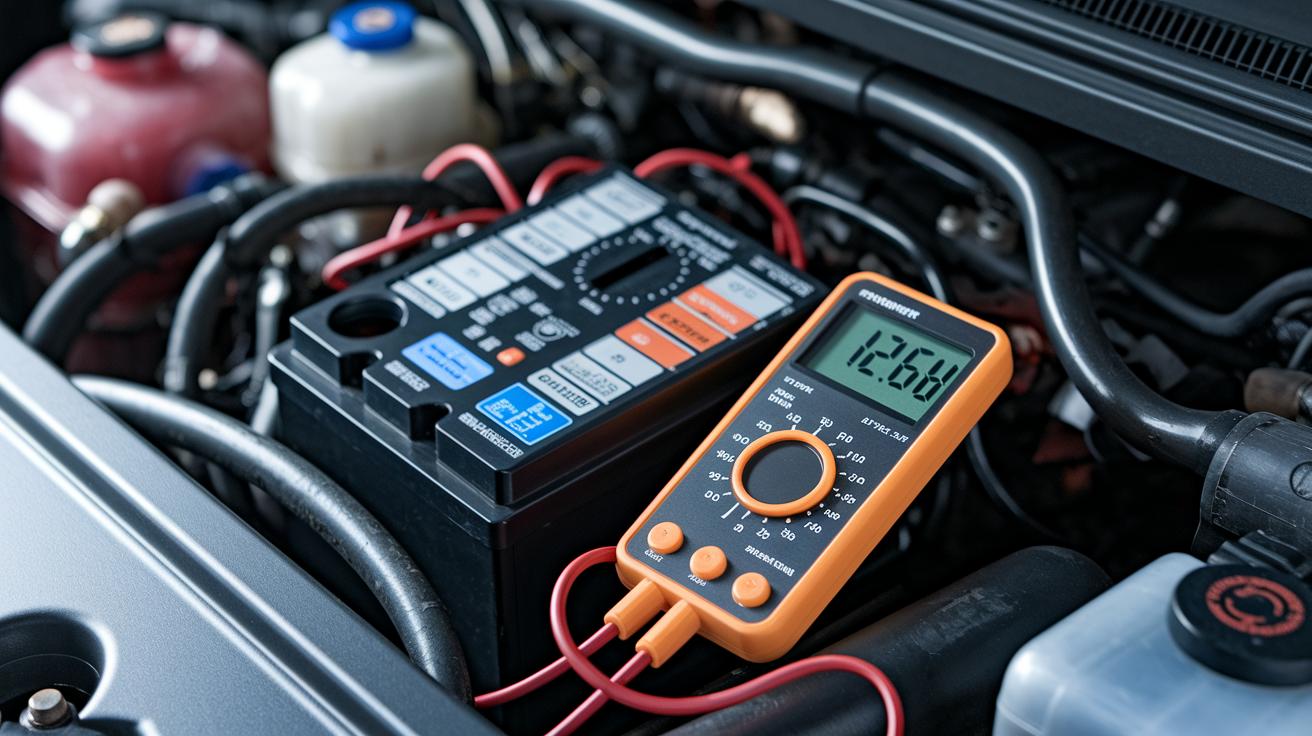
Start by taking your digital multimeter and setting it to DC voltage mode. This little tool lets you check if your battery has its usual 12.6 volts when the car is off. Think of it like a quick health check-up for your ride. You can easily spot any quirks right away.
| Component | Normal Voltage Range | Fault Reading |
|---|---|---|
| Battery | 12.4–12.7 V | <12.2 V |
| Alternator | 13.8–14.4 V | <13.0 V or >15.0 V |
Next, take a close look at your readings. A battery showing a low voltage or an alternator giving off too high or too low values might indicate trouble, like a hidden energy drain that can make your car struggle to start. Compare these numbers with the standard ones to decide if you need a replacement. You can check out auto battery ratings at auto battery ratings for more guidance.
Remember, a failing battery or alternator doesn’t just leave you stranded, it can lead to repeated dead-starts. Replacing a battery typically costs around $342–$352, and an alternator repair might set you back $608–$790. So, testing your car’s charging system on a regular basis is a smart, cost-saving habit.
Troubleshooting Auto Wiring and Fuse Box Faults in Cars
Before you jump in, disconnect the battery for safety. It might seem simple, but it helps you avoid shocks or short circuits when you’re checking your car’s wiring.
Here’s a friendly guide to inspect your system:
- Open the fuse panel carefully.
- Give the fuses and wiring a good once-over for any visible damage.
- Use a multimeter on continuity mode to check if things are working like they should.
- Inspect the ground straps and points.
- Locate any shorts in the wiring and fix them.
- Replace fuses or repair wiring as needed.
Sometimes you might see melted fuses or find that fuses are blowing all the time. That’s a clue something’s off with your wiring. If you catch a burning smell, it could be from worn-out wiring with brittle insulation or exposed conductors. And if your multimeter shows a drop in continuity, that’s a red flag pointing to a potential issue behind the fuse box.
Keeping up with regular visual checks and timely repairs is key. A little maintenance now can prevent big, expensive problems later. For example, fixing wiring shorts early might cost around $88–$111 for a diagnosis and $1,300–$2,000 for repairs, so it's better to nip it in the bud and keep your ride running smoothly.
Diagnosing Dashboard and Instrument Panel Electrical Anomalies

Those little dash lights are your car's way of waving a flag when something might be wrong. They pop up to signal issues like a blown fuse, a loose ground, or wiring that isn’t working right.
When one of these warning lights comes on, grab an OBD-II scanner and plug it into the port under the dash. This handy tool reads the light's signal and gives you a code that points to the problem, maybe a failing sensor or a hiccup with the engine control module, which could run you between $960 and $1,035. Tools like auto repair software can help you read and clear those codes. Sometimes a reset clears a small glitch, but if the codes keep coming back, it means a deeper repair is needed to stop bigger issues later on.
Effective Tools and Techniques for Car Electrical Troubleshooting
Using the right tools can really speed up your repair work. In this section, we give you a quick look at must-have diagnostic gear and point you to more detailed guides on using digital multimeters and OBD-II scanners.
A digital multimeter is a go-to tool for checking voltage, continuity (that means testing if a circuit is complete), and resistance in wires and connectors. It helps you spot issues quickly. Plus, a simple test light can show if power is reaching a circuit, just shine it on a fuse slot and see if it glows like it should.
For checking real-time performance, an OBD-II scanner is key. It reads live sensor data and error codes, so you know exactly what's happening. We go over the setup steps in the dashboard diagnostics part if you need more details. And don’t forget to jot down your readings, voltage numbers, error codes, and test light results, so you have a clear record to work from.
Follow these tips and let your practical know-how guide your troubleshooting, while you check out the in-depth sections elsewhere for more details.
DIY Maintenance Tips for Preventing and Fixing Car Electrical Problems

Keep your car's power system in great shape by scheduling regular electrical checkups. A quick inspection every few months helps spot tiny issues before they become expensive problems. It’s a simple habit that keeps your ride smooth and saves you from unexpected hiccups.
Begin with battery terminals and grounding connections. Mix some baking soda with water to make a paste and scrub the battery posts. This removes any buildup that could mess with the electrical flow. After cleaning, tighten any loose ground straps so all circuits function right. Also, cutting back on extra electrical draws from aftermarket accessories reduces the load on your battery, which can help avoid problems later.
Then, move on to fuse replacement and checking the wiring harness insulation. Take a look at your fuse box every once in a while and swap out any burnt-out fuses following the proper steps. Always use a test light to double-check that the power is off before you touch any wires. Look for signs of fraying or worn-out insulation on the wiring harness because these could eventually cause shorts. It might sound like a lot, but trimming extra wiring and not piling up adapters keeps your electrical system neat and reliable. Sometimes, pairing these checks with an infrared thermal scan can catch hot spots early on, making all the difference.
And remember, safety comes first. Wear protective gloves and glasses, and always make sure the power is completely disconnected before you start any repairs.
When to Seek Professional Help and Understanding Repair Costs for Car Electrical Issues
Sometimes your car gives you hints that it's more than just a small glitch. If you're seeing warning lights that won't go away, dealing with a battery that dies all too often, finding that your lights are uneven, or even catching a whiff of something burning, it's a clear sign to call a trusted mechanic. These signals mean there could be problems with your car’s wiring, control modules, or other tricky parts that could become unsafe if you ignore them.
To give you an idea of what you might pay, here’s a quick look at the common repair costs:
| Component | Repair Cost Range |
|---|---|
| Batteries | $342–$352 |
| Alternators | $608–$790 |
| Starter Motors | $428–$581 |
| Fuse Box Fixes | $125 |
| Spark Plugs | $207–$264 each |
| Ignition Coils | $214–$290 each |
| Wiring Repairs | $1,300–$2,000 |
| Engine Control Module | $960–$1,035 |
Always make sure to work with a certified technician who knows car electrical systems well. Check if your repairs might be covered by a warranty, and see if there are any financing plans to help with the cost. Taking care of these issues early can save you a lot of trouble, and keep your ride running smooth.
Final Words
In the action, we covered common symptoms like dim headlights and unresponsive systems, and discussed diagnosing issues, from battery checks to wiring and fuse box inspections. We explored tools that help pinpoint problems and shared DIY tips to keep your engine’s power system in top shape. We also touched on when it's best to bring in a pro and what to expect in repair costs. Keep this guide handy to tackle electrical issues with car basics confidently and enjoy the road ahead!
FAQ
What is the most common cause of electrical problems in cars?
The most common electrical problems in cars often stem from a failing battery or loose, damaged wiring. These issues lead to symptoms like dim lights, difficulty starting, and erratic accessory performance.
What is the cost to fix the electrical system in a car?
The cost to fix car electrical issues varies widely. For instance, a battery might cost around $350, while more complex wiring repairs or alternator issues can reach up to $2,000.
How do I know if my car has electrical issues, including AC problems?
The signs of electrical issues include flickering headlights, unresponsive windows or locks, difficulty starting, burning smells, and even AC performance problems. These symptoms indicate a need for a closer check.
How do I diagnose and fix electrical issues in my car?
Diagnosing car electrical issues starts with checking fuses, testing voltage using a digital multimeter, and running an OBD-II scan. These tests help pinpoint faulty components that may sometimes require professional repair.
Where can I find advice on car electrical issues from communities and local experts?
Advice on car electrical issues can be found on online platforms like Reddit and through local repair shops in the USA. These sources share practical experiences and cost estimates for repairs.