
Have you ever felt like your current car might be holding you back from that perfect ride? Imagine cruising to work, heading out with your family, or even just running errands in a car that truly fits your life.
In this guide, we share easy-to-follow tips and real stories to help you pick a car that suits your needs without emptying your wallet. We chat about daily driving, budget-friendly picks, and even the benefits of choosing an electric model.
Whether you need a small car for tight city streets, a sturdy truck for your weekend adventures, or an electric ride to save on fuel, we break it down in simple terms. By exploring your options, you can find the ride that feels just right for your busy days.
Quick Steps to Decide What Car to Buy
Start by thinking about what you really need. Consider your everyday drive, family outings, or maybe the need to haul stuff around. For instance, if you usually lug heavy loads for work, then a truck or an SUV might be the way to go. But if you mostly zip around town, a compact car could work perfectly. This guide is full of neat tips to help you find a car that fits your life.
Next, figure out a budget that feels comfortable. Decide on the price range that you can manage, whether you're looking at new or used cars. Some dealerships even open early and offer useful tools like a car loan calculator and pre-approval options. That way, you’ll know upfront what you can really afford before getting into any deals.
Then, choose an energy source. Do you prefer gasoline for its power and easy upkeep, or does the idea of a hybrid or electric ride get you excited because of better fuel efficiency? Think about how you drive and whether there are plenty of charging spots nearby if you opt for an electric car. Each choice comes with its own everyday benefits.
Spend some time checking out financing and pre-approval tools online. Seeing your financing options clearly can help you understand your rates and even get tips on trade-in values. Getting pre-approved might even make the whole negotiation process a lot simpler.
Finally, take full advantage of the dealership’s online search and comparison tools. Their special sections show off electric cars, commercial vehicles, and even protection plans, all designed to help you find that perfect match. With extra advice on how to read a CARFAX report or set the right price when selling, you’ll be well-prepared to make a smart choice.
What Car to Buy: Weighing New vs Used Options
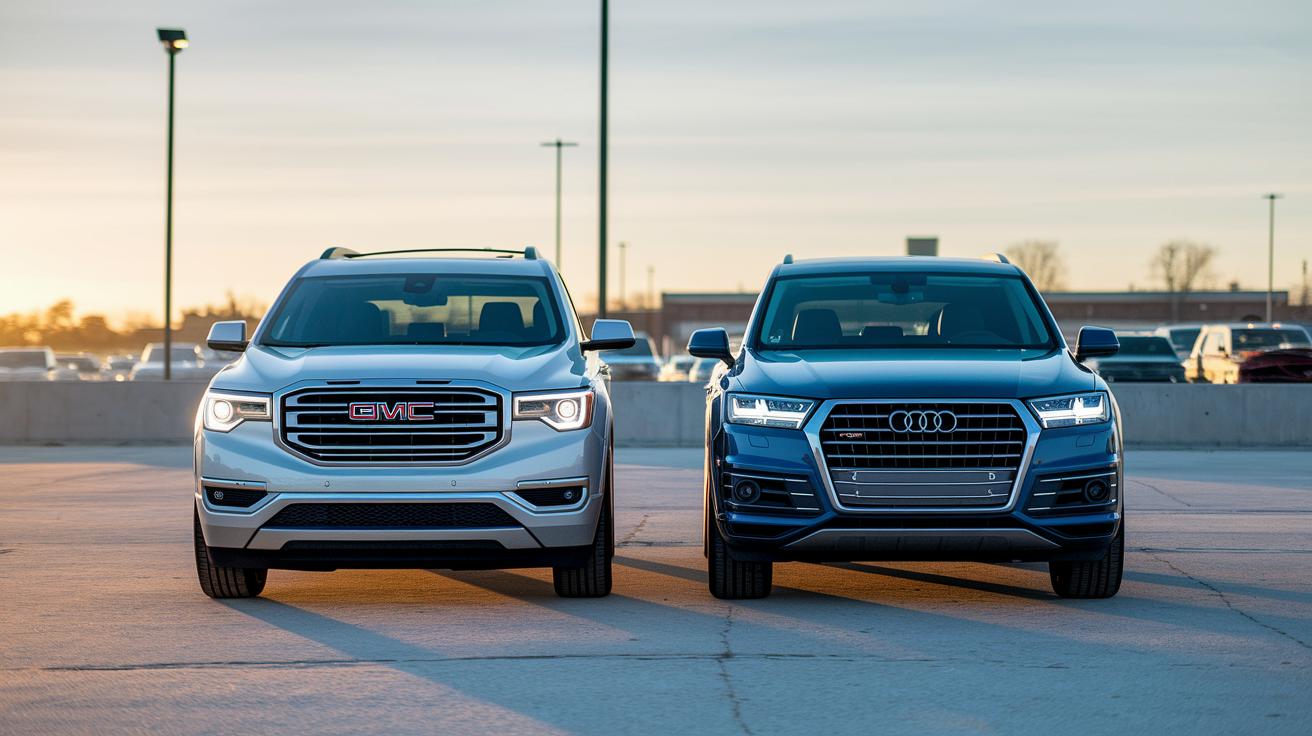
Deciding between a new and a used car can feel a bit like choosing your favorite tune at a local auto meet-up. You’re weighing the shiny, fresh-off-the-lot ride with cool tech and long warranties against a used car that might offer amazing value if you know what to check for. Think about examples like the 2017 GMC Acadia SLT-2 with about 98,800 miles or the 2018 Audi Q7 3.0T clocking roughly 89,700 miles. These cars prove that quality exists in the used market and can be a smart choice for roughly seven years of ownership.
Plus, if variety is your vibe, you’re in luck. With over 400 new vehicles available, you can choose a sedan, SUV, truck, or minivan that perfectly suits your lifestyle. Need a few more pointers? Check out how to choose a car to get more insight on balancing new and used options.
Here are some trade-offs to keep in mind:
| Factor | New vs. Used |
|---|---|
| Depreciation | New cars drop in value quickly in the first few years, while used cars have already taken that hit. |
| Warranty | New vehicles usually come with strong warranties; certified preowned models may offer extended coverage after thorough inspections. |
| Maintenance Costs | Used cars might cost a little more in upkeep, but their lower price can make up for it. |
| Financing Rates | New models often have attractive financing deals that you might not get with used ones. |
| Model Availability | New inventories deliver the latest features and a wider selection, unlike the limited options in the used market. |
Certified preowned vehicles can really give you the best of both worlds. They come with careful checks and extra warranty coverage – a real bonus if you want a ride that lasts. And don’t forget about mileage; lower miles usually mean less wear and tear, which is a big deal if you’re planning on long-term ownership.
What Car to Buy: Key Features to Evaluate
- Engine Type: Decide if you want a gasoline, hybrid, or electric engine. Gasoline engines are known for their steady power and easy maintenance.
- Drivetrain: A front-wheel drive can make your car easier to handle, especially when roads get wet or icy.
- Transmission: Manual transmissions can help you save on fuel and lower maintenance costs over time.
- Horsepower: Check out the horsepower to see if the car delivers the speed and performance you need.
- Fuel Efficiency: A car that's good on gas means fewer stops at the pump and extra savings every month.
- Safety Ratings: High safety ratings ensure you feel secure on every trip.
Every detail plays a part in your daily drive. For example, the engine type can change how powerful your car feels and how much upkeep it needs. And the drivetrain really matters when roads turn slick, giving you a better grip overall. If you lean toward a manual gearbox, you might see savings in fuel and maintenance costs as time goes on. Then there's horsepower, that number tells you whether the car is ready for a sporty drive or just a smooth commute. Plus, good fuel efficiency can save you money month after month. And, of course, safety ratings are there to help keep you and your loved ones protected.
Before making your final decision, consider getting a pre-purchase auto inspection. It’s a smart move to see how all these features come together for a drive that’s both fun and practical.
What Car to Buy: Financing Tips for Your Purchase

Start by locking in your loan early. Use online tools like a car loan calculator and try out pre-approval apps on auto purchase sites (check out https://unionno.com?p=1637). It’s an easy way to spot your budget and see what interest rates might be available without redoing steps you've seen before.
Take a moment to check your credit score so you can catch any issues before they slow you down. Getting pre-approved not only tells you your borrowing limits but also gives you extra confidence when you negotiate. And if you're planning to trade in your current ride, it might just lower your loan amount and help keep costs in check.
Then, look around for dealer incentives that might cut your expenses even more. Think of it as a quick tune-up for your financing strategy, simple, smart, and geared up for the road.
What Car to Buy: Selecting a Brand from Top Manufacturers
Reputation really matters when you're choosing a car brand. People look for reliability, good resale value, and a comfortable ride. When a brand sticks to these promises, you can count on a smooth drive every day.
- Chevrolet Trax: This model offers plenty of room and smart tech features that make everyday driving a breeze.
- Mazda CX-30: You’ll enjoy its confident handling and a classy cabin that puts comfort first.
- Honda Civic: Known for being affordable and reliable, it's a favorite for long-term drivers.
- Hyundai Sonata: Beloved for its smooth ride and modern technology, it's a solid choice for both families and commuters.
- Toyota Camry: Renowned for its robust build and dependable performance that lasts.
When you match a brand's strengths with your own needs, it's a lot like picking the right tool for the job. Do you need tech-savvy features, extra seating for loved ones, or a car that requires less fuss? For example, if you love a tech-forward ride with ample space, a brand like Chevrolet might be your best bet. But if a smooth ride and high comfort are more your style, Hyundai or Toyota could be the perfect match. In the end, it's all about aligning your driving habits with what each brand stands for, so you can hit the road with real confidence.
What Car to Buy: Using Online Tools for Decision Support

Finding your next car is easier than ever, thanks to digital tools that work like a friendly guide. A quick search lets you see available used cars in Indianapolis right now, while online tools open up a world of over 400 new models to explore. Imagine comparing prices and features like browsing through a car catalog laid out just for you.
Here are some handy tools you might try:
- Inventory search: Spot available used cars fast.
- CARFAX reader: Check out a reliable history report.
- Price calculator: Get a clear idea of what you might pay.
- Comparison charts: See side-by-side details of your options.
- Quiz-based selectors: Answer a few questions to narrow your choices.
- Shipping quotes: Find out how much it’ll cost to transport your car.
Mixing these digital helpers into your car hunt is a breeze. Start by taking a look at an inventory search or an online used car selector to see what’s out there. Then, check the CARFAX data to learn a bit about each car’s past. Next, compare models side by side using comparison charts and dial in your budget with the price calculator. These tools keep the process simple and fun, letting you pick the perfect car without feeling overwhelmed.
Final Words
In the action, we covered the main steps to guide your auto buy. We started with setting a budget, then compared new versus used options and worked through the must-have features. We also touched on financing tips, brand comparisons, and using online tools to simplify the decision. Each section was designed to help you make choices that match your ride needs. Keep these tips close in mind as you decide what car to buy and move forward with confidence.
FAQ
What car to buy in USA?
Choosing a car in the USA means weighing your daily commute, budget, and style. Reviews and online guides help compare new and used models to find a vehicle that fits your lifestyle.
How do I decide which car is best for me?
Deciding which car is best for you involves assessing your driving needs and comfort preferences. Use online finders to compare features, prices, and ratings so you make an informed choice.
Which car offers the best value for money?
A car offering the best value balances affordability, reliability, and low maintenance costs with strong safety features. Price comparisons and expert reviews can steer you to a model that meets your budget.
What is the most reliable car to buy?
The most reliable car shows consistent performance and positive reviews. Look for models with proven durability and solid safety ratings to get a dependable vehicle that stands the test of time.
What is the 30-60-90 rule for cars?
The 30-60-90 rule for cars outlines key checkup periods to gauge depreciation, maintenance needs, and overall condition. This rule helps buyers avoid overpaying and catch issues early.
How can I purchase a car online?
Purchasing a car online means using digital platforms with search tools, calculators, and comparison charts. These resources simplify your search, letting you filter models and financing options easily.
What features should I evaluate when buying a car?
When buying a car, evaluate engine type, drivetrain, transmission, horsepower, fuel efficiency, and safety ratings. Each factor impacts performance and helps match the car to your everyday driving needs.
How do I finance my car purchase?
Financing a car involves using loan calculators, pre-approval tools, and trade-in appraisals. Compare interest rates and incentives to secure a deal that fits your budget and saves you money over time.
How do I choose a car brand that fits my needs?
Choosing a car brand involves researching reputation, reliability, and comfort. Leading brands often offer strong resale value and positive consumer reviews, ensuring you get a car that matches your lifestyle.
What makes a perfect car finder tool?
A perfect car finder tool lets you filter options by features like safety, engine type, and price. It simplifies your research process by providing side-by-side comparisons and user-friendly search functions.