
Ever notice how your car sometimes misbehaves even when it looks like it’s running fine? Even a tiny glitch can leave you stranded if you ignore it for too long. In this guide, we’ll walk you through some simple steps to check your car with basic tools and an OBD-II scanner (a device that reads your car’s computer for problems).
By following these steps, you can catch issues early and avoid expensive repairs later. So, grab your gloves and safety glasses, and let’s take a look under the hood to see what’s really going on.
Fast-Track Diagnose My Car: Essential Steps and Tools
Start by gathering your safety gear like gloves, safety glasses, and some basic tools such as a flashlight and a tire gauge. Having these ready lets you check for issues quickly. This mix of a do-it-yourself auto check and free diagnostic tests that most cars offer can keep you ahead of trouble.
- Look at your dashboard for warning lights like Check Engine, oil pressure, tire pressure, or engine temperature. If the Check Engine light is on, it might help you catch a bigger problem before it worsens.
- Check your tires closely. If the tread is less than 2/32”, it means it’s time to replace them.
- Peek under your car for any fluid leaks. Pools of liquid can be a sign that brake fluid, coolant, or oil is leaking.
- Inspect both the car’s exterior and the engine bay for any loose parts, especially near the engine and exhaust areas.
- Plug in an OBD2 scanner into your car’s OBD-II port, usually found under the dash on cars made after 1996, to run a complete diagnostic test and pick up any stored fault codes.
- Listen for unusual sounds. Clunking or creaking may point to worn suspension parts, while engine backfires might hint at a dirty air filter or bad spark plugs.
- Press the brake pedal. If it feels spongy, that could be a sign of hydraulic issues.
Decide which fixes matter most by tackling safety concerns first, then handling minor ones later.
Diagnose My Car with OBD-II Scanners: Top Picks and Features

If you're keen on checking your car's health, an OBD-II scanner is a handy gadget to have. It plugs into a special port under the dash that gives you a peek into what’s happening with your ride. Basic scanners simply show you general error codes, while some models connect to your phone via Bluetooth to stream live data like engine speed, coolant temperature, and oxygen sensor readings. And then there are the pro models that not only show freeze-frame data but also give you extra insights like ABS and airbag codes. Imagine having a tool that tells you what’s wrong in real time before a small glitch turns into a big, expensive problem!
Before you buy one, make sure the scanner works with your car’s make and model. It’s also a good idea to keep its firmware or mobile app updated so you can take advantage of the latest improvements. Trying out different scanners might help you find the perfect one for simple DIY fixes and keeping your car running smoothly.
| Model | Price Range | Key Features | User Level |
|---|---|---|---|
| Basic Code Reader | $20–$30 | Shows generic codes | Beginner |
| Bluetooth Adapter | $30–$70 | Streams live data to your phone | DIY Enthusiast |
| Mid-Range Scanner | $70–$100 | Real-time sensor data and freeze-frame info | Intermediate |
| Pro Model | $100–$200 | Reads ABS, airbag codes, and advanced diagnostics | Advanced |
| All-in-One Scanner | $150–$200 | Offers comprehensive data and customization | Professional |
Don't forget to double-check that the scanner you choose matches your car’s requirements. Keeping your scanner updated ensures you get the best results from the latest auto repair diagnosis tech. Have fun exploring and finding the scanner that fits your needs perfectly!
Diagnose My Car’s Engine Faults: Symptoms and Code Analysis
Plug your scanner into your car’s OBD-II port, and you'll see codes that hint at what might be off. Some of these codes are pretty universal, while others are specific to your car. When you know what they mean, you can figure out if a quick fix is in the cards or if you need a mechanic’s help.
Codes come in different ranges. For instance, manufacturer-specific codes can offer detailed clues, while generic ones cover common issues. Jot down numbers like P0128 or P0300, and they can help you decide what to check first before diving into more complex repairs.
Car Won’t Start
Ever face a car that just won’t start? Fault codes in this case might point to a dead battery or a starter that isn’t engaging. It’s always a good idea to check if your battery terminals are clean and if the starter is working properly. A code in the P0700 range might indicate problems with the starter.
Engine Overheating
When your engine starts to overheat, watch out for codes like P0128. These codes can mean there’s low coolant or a thermostat that’s stuck. Quickly check your coolant level and inspect your radiator for any leaks.
Brakes Squeaking or Grinding
If you hear your brakes squeaking or grinding, it might be a sign of worn pads or rotors. Codes related to the hydraulic system often show up here. A brief check of your brake pad thickness will usually point you in the right direction.
Poor Fuel Economy
Noticing that you’re getting fewer miles per gallon than usual? Air/fuel ratio codes might pop up, hinting at a clogged air filter or even low tire pressure. Inspecting these areas can often lead to a quick solution.
Check Engine Light On
The Check Engine light can signal a range of issues, often related to problems like a bad oxygen sensor or ignition misfires, indicated by codes such as P0300 through P0312. If you find a tough code that you can’t pin down, it might be time to get a professional scan. A qualified mechanic can run a more detailed test and help clear up those stubborn errors.
Diagnose My Car Through Sensory Diagnostics: Visual, Auditory, Olfactory & Tactile Inspections

Before you dive in, make sure you’re geared up with gloves, safety glasses, and closed-toe shoes. It’s all about staying safe while you check out your ride. Keep a flashlight and a tire gauge nearby, they really help make the process smoother and safer.
Visual Inspections: Steps to check lights, tires, and fluid leaks
Start by taking a good look at your dashboard. Notice any warning signals like the Check Engine or oil pressure light? Then, check your tires. They should hold around 30–35 psi, and the tread depth needs to be above the minimum mark. After that, take a peek under your vehicle. Look out for any puddles or spots, brown stains might be oil, green could be coolant, and clear droplets may come from the windshield system. A neat trick is to use an inspection camera or borescope to see those tight corners better.
Auditory Inspections: Listen for suspension creaks, engine backfires, misfires, and exhaust noise
Now, get close and really listen as you start the engine and let it idle. Do you hear any unusual creaks or clunks from the suspension? These sounds could hint at worn struts or loose bushings. Listen for odd backfire or misfire noises from the engine, which might mean a dirty air filter or spark plug issues. And don’t forget the exhaust, if it sounds louder or different than usual, that could signal a problem with your engine’s performance.
Olfactory Inspections: Identify unusual odors and their likely causes
Keep your nose open as you work around your car. If you notice a fishy smell, it might mean there’s mold or decaying matter nearby. A strong gas smell could point to a loose cap or a leaking injector. Should you catch a burning rubber scent, it could be due to an overheating clutch. And if your nose picks up a rotten egg odor, that’s often a sign of a faulty catalytic converter. These smells act like little clues, helping you figure out what might be wrong.
Tactile Inspections: Assess vibrations, pedal feel, and physical sensations
Finally, pay attention to how your car feels. While driving, if your steering wheel vibrates, it could be a sign of unbalanced wheels or loose lug nuts. Press on the brake pedal, if it feels spongy, there might be a fluid leak or air trapped in the brake lines. Run your hand over the engine and its mounts. Feeling any unusual looseness or vibrations could mean that an engine or transmission mount is worn out.
As you move through your checks, jot down what you find and rank the issues by urgency. Tackle the most pressing safety problems first, then plan out your repairs or schedule more detailed diagnostics.
Diagnose My Car Remotely and Professionally: Expert Services
DIY scans are cool for spotting obvious problems, but they aren’t foolproof. Sometimes your car gives off subtle hints or the error codes vanish only to pop up again. That’s when it pays to get a pro involved. Certified shops use high-precision scanners that dive deeper into your car's system. Plus, expert services come with neat perks like free shuttle drops and a solid 3-year/36,000-mile warranty. Some vans even roll up to your door to handle full OBD-II, ABS, and ECU checks on the spot.
Here’s when to think professional:
- Those stubborn error codes that stick around even after a reset.
- Complex electrical or electronic issues where basic tools just don’t cut it.
- Safety warnings that mess with your braking, steering, or engine performance.
- Diagnoses that need professional nods because they’re part of your warranty.
So, if you notice any of these signs, it’s smart to reach out to a certified local auto diagnostic service or set up an online consultation with a mechanic. Doing so not only helps avoid surprises on the road but also gives you the added comfort of expert care and warranty protection.
Diagnose My Car: Post-Check Maintenance and Scheduling
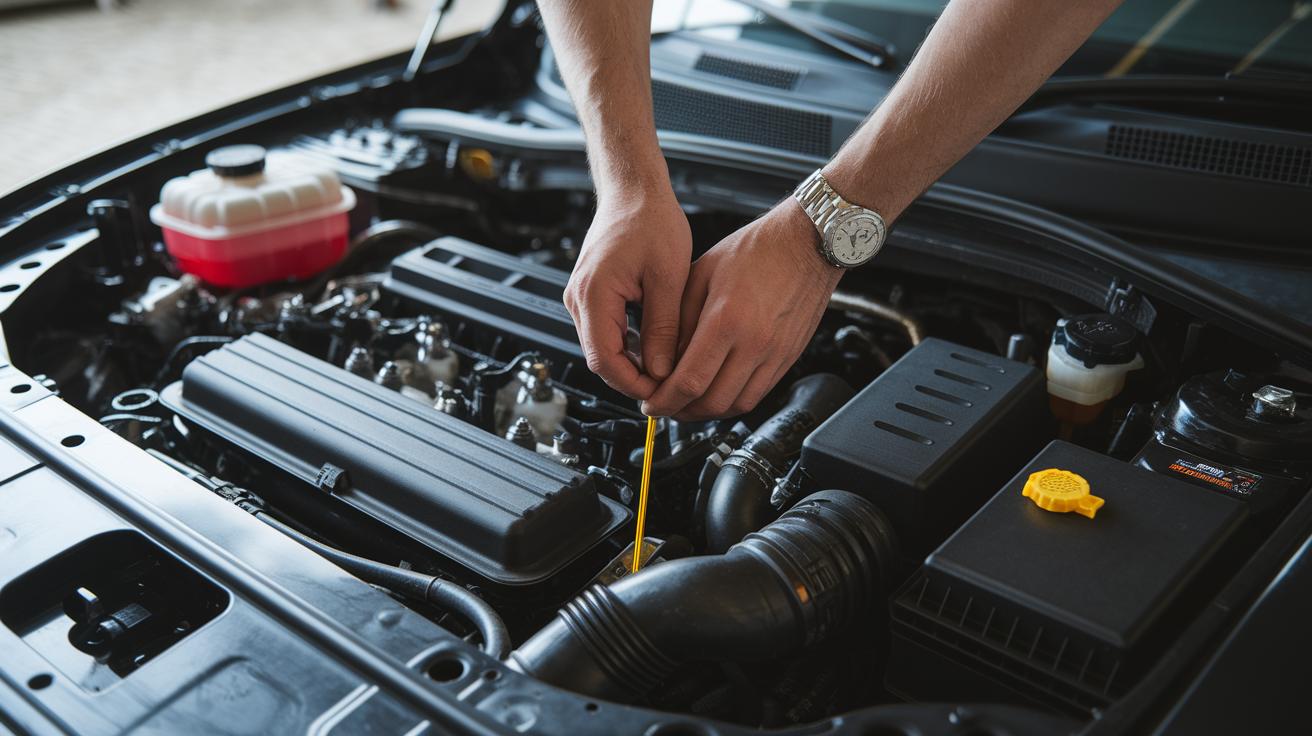
Taking care of your car is as important as figuring out what might be wrong with it. Regular check-ups help your ride run smoothly and catch little problems before they grow. For example, an oil and filter change every 5,000 miles, an A/C service every year, and a full tune-up every 30,000 miles keep your car in great shape. And with multipoint inspections at every oil change, you can check brakes, belts, hoses, and fluid levels. This routine is a hands-on way to learn how to maintain a car, just like the guides over at this link how to maintain a car.
- Check all your fluids, including engine oil, coolant, and brake fluid.
- Look over the brake system to be sure it works right.
- Inspect belts and hoses for any cracks or signs they've aged.
- Replace filters such as the oil filter and air filter on schedule.
Writing down your service dates and any observations makes it easier to plan upcoming maintenance and catch if an issue keeps coming back. Setting reminders on your calendar for oil changes, inspections, and other services can really help. Whether you jot things down on paper or use an app, keeping a log gives you peace of mind and helps fix small issues before they turn into bigger problems.
Final Words
In the action of gathering basic tools and safety gear, this article guided you through quick checks, from inspecting lights and tire tread to listening for suspicious engine sounds. Each section offered step-by-step insights, whether you used an OBD-II scanner or performed sensory tests. You now have a solid roadmap to diagnose my car and decide if DIY fixes work or if it's time for expert help.
Keep your checklist handy, follow through on each step, and enjoy smoother rides ahead.
FAQ
Diagnose my car near me
Asking “diagnose my car near me” means checking with local repair shops or service centers that use trusted tools like OBD-II scanners to pinpoint your vehicle’s issues onsite.
Diagnose my car online free, diagnose my car for free, and can I get a free diagnostic for my car?
Inquiring about free car diagnostics online refers to using digital tools and apps that connect with your vehicle via Bluetooth OBD-II adapters to display basic engine codes without any charge.
Car problem diagnosis app and car diagnosis tool
Mentioning a car problem diagnosis app or tool means using a mobile application or handheld device that reads and translates diagnostic codes, helping you quickly identify issues shown on your dashboard.
What’s wrong with my car meme
Asking “what’s wrong with my car meme” reflects a humorous take on common car issues, often shared online to poke fun at the usual problems drivers face during everyday rides.
Will AutoZone diagnose my car for free?
Asking if AutoZone diagnoses your car for free means checking if they offer complimentary code reading services; they usually do, though any further repairs will incur additional costs.
How much does a full diagnostic cost on a car and how much does a car diagnostic normally cost?
Asking about diagnostic costs means understanding that a full diagnostic typically costs between $80 and $150, depending on your vehicle’s condition and the service provider, while some basic scans may be free.