
Ever felt puzzled by car care? Many folks think that expensive gadgets beat basic upkeep. But knowing how your car works can really help keep it running well.
Think of your engine like a four-step dance. From the engine's cycle to systems like brakes and gearboxes, understanding these parts helps you save time and money. We share simple tips to make maintenance less daunting.
With just a bit of know-how, you can keep your ride safe and reliable.
Understanding Car Basics: Key Components and Operation
When you start your car, a neat process kicks in that keeps everything running smoothly. The ignition fires up what’s called a four-stroke cycle. First, the engine gulps in air mixed with fuel, then it compresses that mixture. Next, it sparks a mini explosion that pushes the car forward. Finally, the engine lets the burned gases out. This cycle happens over and over to keep you moving.
Today’s cars are more like little computers on wheels. Most have over 30 microprocessors and more than 100 sensors. These parts work together to handle tasks like timing the engine, injecting fuel just right, and keeping safety systems in check. They make sure every bit of your car, from starting the engine to stopping safely, does its job well.
A car is made up of several key systems. You’ve got your engine, transmission, electrical system, brakes, steering, suspension, exhaust, and cooling systems. Take the transmission, for instance. Whether you’re shifting gears manually or cruising in an automatic, it passes the engine’s power to the wheels. This helps adjust the torque (the force that gives your car its push) for everything from quick starts to steep climbs.
Electric vehicles mix things up with a fresh approach. They rely on a battery pack, an electric motor, an inverter, and an onboard charger working together for a smooth and efficient ride.
Understanding these parts gives you a clearer picture of how your car operates. Here’s an interesting tidbit: before modern cars embraced digital technology, nearly all vehicles depended solely on mechanical systems. Nowadays, smart tech makes rides not only smoother but also safer.
Car Engine Basics and Transmission Fundamentals
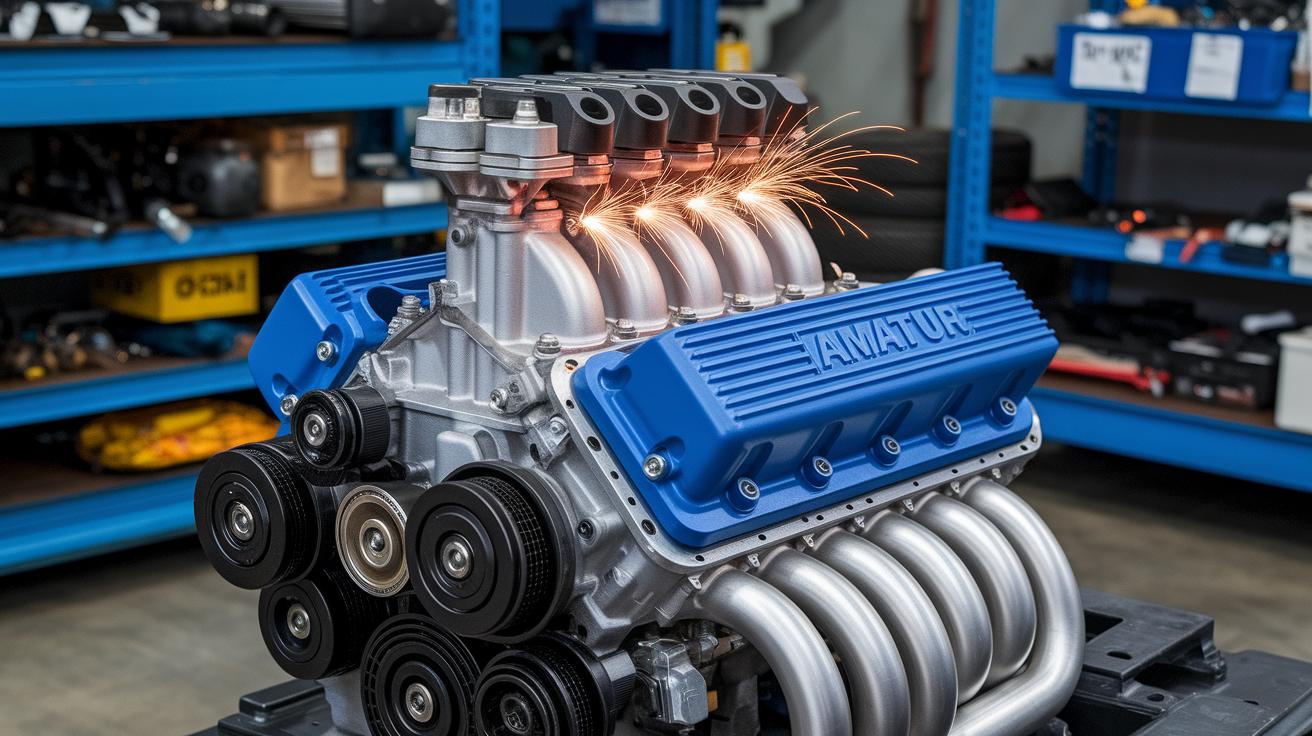
Think of your car engine as a tiny power plant that turns fuel into movement. Inside, a simple dance of air and fuel happens in four basic steps: first, it takes in air (like filling a balloon), then squeezes the mix tight, sparks a burst of energy, and finally lets the spent air leave. It's kind of like a heartbeat, steady and vital to keeping your ride alive.
Automatic transmissions work like a smooth, well-rehearsed routine. They use clever gear sets and torque converters (devices that help adjust the engine's force) to match your engine’s power with your wheels' speed. This means you get just the right push for quick starts or gentle climbs. Picture it like a choreographed dance where every gear change happens just in time.
Manual transmissions put you in the driver’s seat. With a clutch and shifter, you get to choose when to change gears, much like picking the right gear on a bicycle for different hills. Every switch adjusts the engine’s output for the best performance. It gives you that hands-on feel, connecting you directly with the road.
Both systems aim to use the engine's power efficiently, whether you're accelerating fast, climbing a hill, or trying to save fuel. Automatics handle the shifts for you, keeping everything running smooth, while manuals let you take an active role in tuning your ride's rhythm.
Understanding how your engine and transmission work gives you a peek under the hood at the art and science behind your car. Next time you hit the road, remember there’s a lot of careful engineering making your journey possible.
Electrical System Basics and Battery Maintenance Essentials
Your car's battery is like its beating heart. When the engine is off, the battery powers the starter and all the electronics, keeping everything ready even before the engine roars to life.
Once the engine is running, the alternator takes over. It converts the car's mechanical energy into electricity to recharge the battery and run essentials like your headlights and radio. Think of the alternator as a mini generator working non-stop while your engine hums along.
The wiring harness is another vital part of your car. It connects over 100 sensors and control modules that keep things like engine timing and the infotainment system on track. If any part of this network has a loose connection, you might notice a drop in performance.
For regular upkeep, take a quick look at the battery terminals to check for corrosion, and make sure the alternator belt is in good shape. Having trouble starting your car or noticing dim lights? It might be time to inspect both the battery and alternator. For more detailed tips, visit how to maintain a car.
Brake, Steering and Suspension Fundamentals in Car Basics
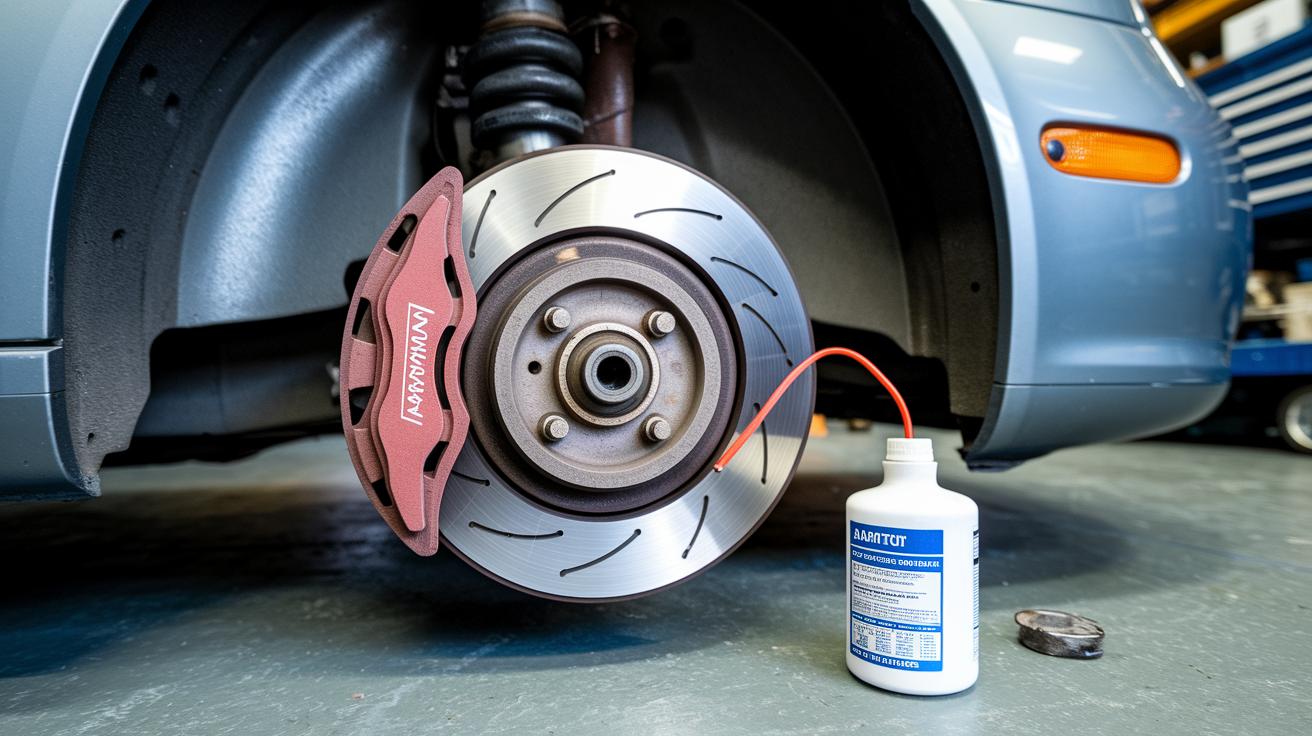
Brakes, steering, and suspension are like the three musketeers of keeping your car safe and in control. Disc brakes work with pads and rotors while drum brakes use shoes and drums. Brake fluid, which runs through hydraulic lines, helps boost the pressure you put on the pedal. It’s a bit like listening for your car’s heartbeat. If you notice a squeak or that your brakes feel weak, it might be time to check if your pads are getting too thin or if your fluid levels are low. If your brake pads seem worn out, replacing them soon is a smart move.
Steering helps guide your car, using designs like rack-and-pinion or recirculating ball. Both types usually have power assist, either hydraulic or electric, to make turning easier. Think of steering as a friendly handshake between you and the road. Smooth handling keeps you connected with the pavement, making every drive safer.
The suspension system is made up of parts like springs, shock absorbers, struts, control arms, and sway bars. These parts work together to smooth out bumps and keep your ride comfortable. They absorb road vibrations and help your tires stick to the road, which is important for both braking and steering. It’s a good idea to regularly check your suspension mounts for any wear or rust. If you feel an odd jolt on a bump or your ride seems a bit off, getting your suspension checked by a professional can save you trouble later.
Regular checks on brakes, steering, and suspension can catch small issues before they become big problems, helping you enjoy a safe and dependable drive.
Routine Maintenance Principles and Fluid Change Procedures
Regular care is the key to keeping your car running smoothly. Start by making a checklist for fluid changes and inspections. For example, check your engine oil every few thousand miles, usually somewhere between 3,000 and 7,500 miles, because fresh oil helps your engine run smoothly and minimizes wear. And don’t forget to swap out the oil filter when you change the oil. It gives your car a fresh start every time.
Next, consider coolant flushes. They’re recommended every 30,000 to 50,000 miles to avoid engine overheating and to stop corrosion. A clean cooling system helps your engine maintain the perfect temperature under the hood.
Brake fluid is another essential part. Replace it every 2 years to ensure the hydraulic system stays responsive. Also, check your transmission fluid, which usually needs a tune-up between 30,000 and 60,000 miles. A little routine care now can help you avoid expensive repairs later.
Keep an eye on other parts like air filters, spark plugs, and drive belts at every service visit. These small details make sure every part of your engine fires up correctly, much like a well-oiled machine.
| Fluid Type | Recommended Change Interval |
|---|---|
| Engine Oil | 3,000–7,500 miles |
| Coolant | 30,000–50,000 miles |
| Brake Fluid | Every 2 years |
| Transmission Fluid | 30,000–60,000 miles |
| Power Steering Fluid | 30,000 miles |
Exterior and Interior Car Basics: Cleaning and Detailing Tips

Keeping your car clean isn’t just about looking good, it also helps protect your car over time. When you wash your ride, grab a pH-balanced car shampoo and a microfiber wash mitt to avoid scratching the paint. After you rinse, a coat of wax goes a long way in shielding the paint from harsh UV rays and everyday grime. And don’t forget the wheels! Use a dedicated wheel cleaner with a soft brush to lift off stubborn brake dust. These simple steps really help your car stand up against the elements.
Inside your car, a neat interior makes every drive more enjoyable and can even extend the life of your seats and surfaces. Begin by vacuuming the seats and mats to sweep away dirt and debris. Next, wipe down the dashboard and other surfaces with a gentle interior surface protectant. I like to think of it as giving your car a little spa treatment. Oh, and make sure to change your cabin air filter regularly to keep the air fresh. Routine detailing like this not only makes your car look sharp but also improves your overall driving experience.
| Essential Cleaning Supplies |
|---|
| pH-balanced car shampoo |
| Microfiber wash mitts and towels |
| Wheel cleaner and soft-bristle brush |
| Interior surface protectant |
| Vacuum with attachments |
Final Words
In the action, we covered car basics by breaking down key systems, from the ignition cycle and engine operations to the finer points of electrical checks and brake handling. We even talked routine maintenance and offered handy tips for keeping your ride clean inside and out. Each section builds your confidence, so you better understand vehicle mechanics. Keep exploring these aspects, and you'll feel ready to take on real-world driving challenges with optimism. Here’s to enjoying every mile and learning more about the thrill of car basics!
FAQ
What are car basics for beginners?
Car basics for beginners include a simple overview of how key parts—like the engine, brakes, and transmission—work together. This foundation builds confidence in handling everyday vehicle care and minor maintenance.
What is a car basics PDF?
A car basics PDF offers a clear, downloadable guide covering essential automotive functions and maintenance tips. It’s a handy reference that lays out key concepts for new drivers in an easy-to-read format.
What do car basics Reddit communities offer?
Car basics on Reddit give new enthusiasts access to real-life advice and step-by-step tips. Community members share their experiences and answer questions about vehicle upkeep and repair in a friendly way.
How can a girl learn about cars?
Learning about cars as a girl is all about exploring beginner-friendly resources and supportive communities. Many online platforms provide relatable guides and forums where anyone can build their auto know-how confidently.
What does a Car Basics book cover?
A Car Basics book explains important auto systems and maintenance practices in simple language. It uses clear illustrations and easy steps to help beginners understand how various car components work.
What basic knowledge about car parts is essential?
Basic knowledge about car parts means recognizing key components like the engine, brakes, suspension, and battery. This insight makes routine checks and troubleshooting much easier for new car owners.
How does a basic car knowledge quiz work?
A basic car knowledge quiz tests what you’ve learned about essential auto systems, safety tips, and maintenance hacks. It’s a fun, interactive way to boost your understanding of how vehicles function.
What is a basic car model?
A basic car model refers to a simplified version of a vehicle that highlights its main features, such as body style, engine type, and transmission. It helps beginners understand the structure and key aspects of a car.
How do beginners learn cars?
Beginners learn cars by combining hands-on practice with easy guides and community tips. Reading simple manuals, watching tutorials, and engaging in local meet-ups all contribute to a growing auto-savvy mindset.
What is the 20 8 3 rule for buying a car?
The 20 8 3 rule for buying a car suggests putting at least 20% down, limiting your financing to a maximum of 8 years, and ensuring the total cost fits within 3 times your annual income for balanced affordability.
What are the 4 C’s of mechanics?
The 4 C’s of mechanics cover condition, capacity, cleanliness, and calibration. These points focus on keeping each part of your car in top shape, ensuring smooth performance and ease of maintenance.
What does the 30-60-90 rule for cars mean?
The 30-60-90 rule for cars sets common intervals for maintenance tasks. It outlines when to check fluids, inspect brakes, and perform engine service, keeping your vehicle running optimally over time.