
Ever wondered how new high-tech tools can shake up a repair shop? Imagine your local garage turning into a quick, efficient repair center. With these smart auto tools, mechanics can find problems 40% faster and cut breakdowns by about 25%. It's like when a chef swaps out an old stove for a sleek, modern one that just works better. These modern upgrades not only save time and money, they are completely changing how repairs are done. This article shows you how advanced tech is making repairs faster and easier today.
Operational Impact of Auto Tech on Repair Shops
Modern diagnostic tools now hook straight into your car’s computer, pulling up error codes and live data about the engine, emissions, and fluid levels. This cool tech can cut diagnosis time by nearly 40%. Imagine a technician spotting a bad sensor instantly instead of sifting through thick manuals, it's like knowing right away you need new spark plugs when the readout is spot on.
Predictive maintenance systems go one step further by checking sensor signals to guess when parts might fail. They can cut unplanned breakdowns by about 25%. It’s like swapping out an old brake pad before it lets you down, keeping you out of a roadside fix.
Electric and hybrid rides are pushing shops to pick up new skills. To work safely on these cars, garages are investing in special high-voltage gear and battery tools. Technicians are getting extra training because dealing with advanced electrical systems is a whole new challenge. Think of it like a chef upgrading to a state-of-the-art stove, everything just runs smoother.
Remote diagnostics via IoT adds even more power to the shop’s workflow by sending health reports from your car before you even arrive. This real-time update helps improve scheduling and boosts overall efficiency, paving the way for a new, tech-savvy era in auto repair.
Diagnostic Innovations Driving Shop Efficiency
AI-Powered Fault Detection
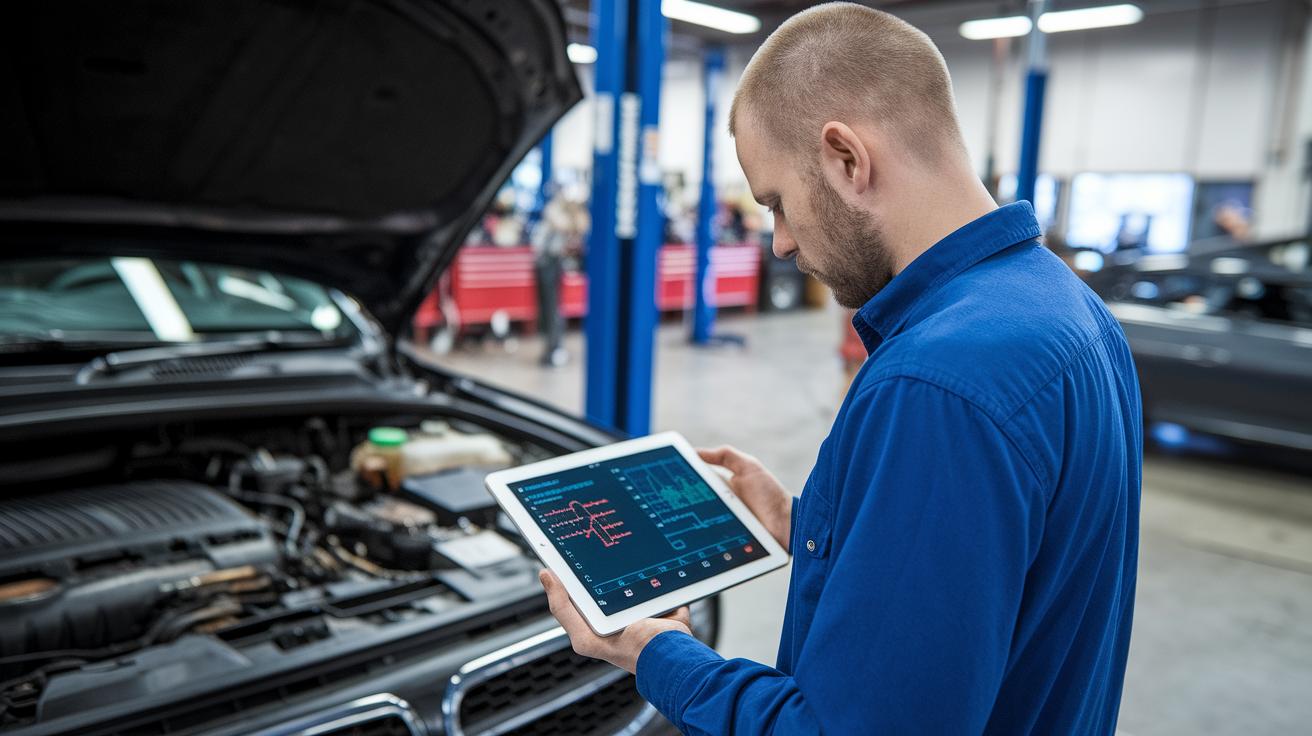
Imagine a smart helper that reads thousands of little data points in a blink. Machine learning now makes this possible, finding fault codes with about 95% accuracy. It checks engine, transmission, and electrical systems by reading sensor signals. Think of it like hearing a tiny whisper in a noisy room. This clever method speeds up checks and helps avoid mistakes, so techs can quickly figure out what needs fixing.
Cloud-Based Diagnostic Platforms
These cloud systems are a game changer for repairs. With just a tap, mechanics can upload live scan data and get instant access to repair guides straight from the manufacturer. It’s like having a digital toolbox that updates itself, covering everything from software upgrades to parts lookups. Picture a mechanic who gets a clear digital alert about a calibration issue, then quickly hones in on the fix. This tech cuts equipment costs and removes much of the guesswork, making even tricky repairs a lot easier.
IoT and Remote Vehicle Scans
Today’s cars can send real-time data directly to a repair shop. This live feed helps techs set up timely repairs with accurate alerts. Imagine your car sending a health report before you even step inside the shop, it’s like having a little mechanic onboard. There are even mobile vans equipped with AI that come right to your doorstep. This on-site service means shorter waits, faster fixes, and happier customers overall.
Automation and Process Digitization in Auto Repair
Online scheduling and mobile apps have changed the way customers reach repair shops. Now you can book your appointments, get updates on arrival times, and even approve cost estimates all from your phone. This smart scheduling cuts down on admin work by almost 30%. It’s like giving a quick digital handshake.
Digital repair logs now keep track of parts, labor, and warranty details in real time. Gone are the days of filling out paper forms and misplacing work orders. Every repair detail is stored electronically, so technicians can easily check records and pull up electronic maintenance manuals during a job. Plus, digital troubleshooting tools now guide mechanics step-by-step through diagnostic tasks, ensuring nothing is missed.
Automated invoicing and payment systems work smoothly with management software. This combo turns billing cycles from days into just a few hours and lets the shop focus on fixing cars instead of endless paperwork. In short, digitizing service workflows makes everything faster and cuts overhead costs.
- Online scheduling and mobile apps make customer interactions smoother.
- Digital repair logs provide live, accurate documentation.
- Automated billing speeds up the payment process.
3D Printing and Equipment Upgrades Transforming Parts Replacement
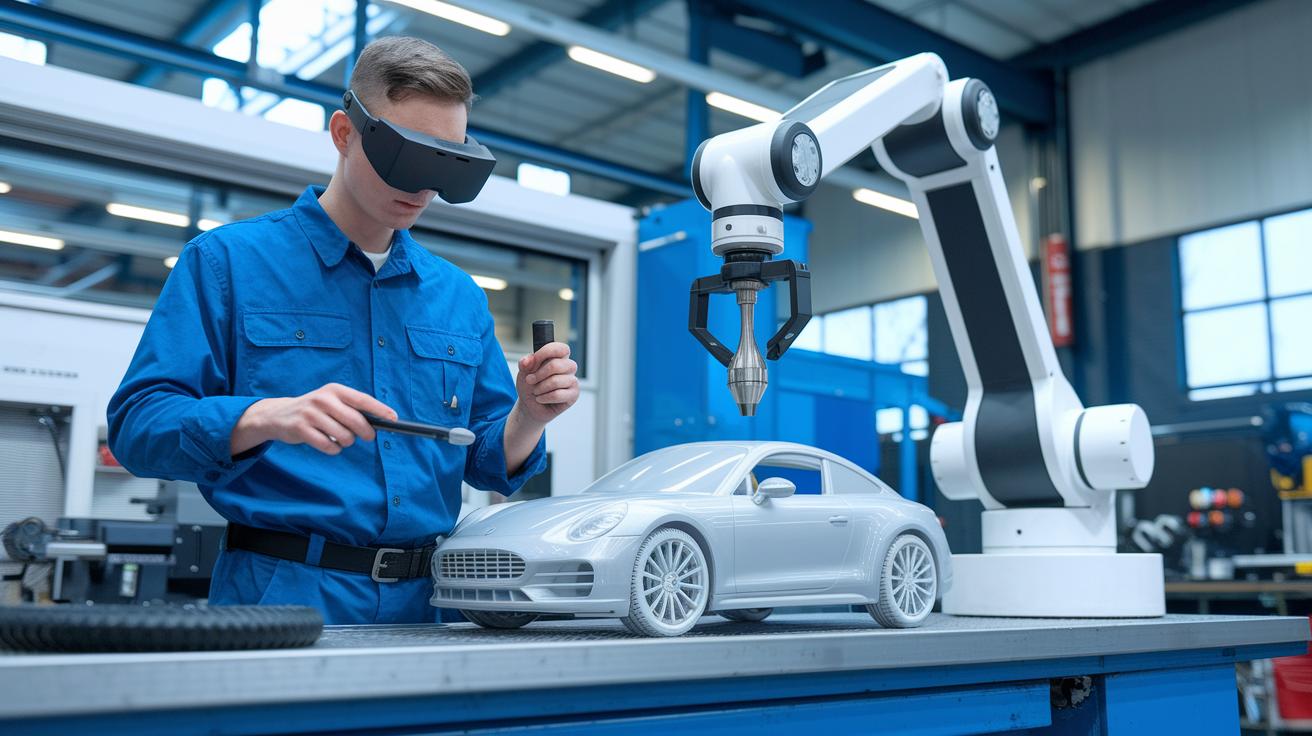
Repair shops are changing the game with fresh technology. Today, 3D printing lets garages make custom parts on demand. This means they can fix or replace rare parts in just a few hours instead of waiting weeks. It also helps lower storage costs so shops can focus on top-quality service.
Robotic arms are stepping in for everyday jobs like changing tires, swapping brake pads, and topping off fluids. Their steady, precise movements cut down on mistakes and make sure routine work is done the same way every time.
Augmented reality glasses give techs a helpful boost by showing step-by-step repair guides and exploded views of car parts. This digital helper can make tough repairs about 20% faster, and it builds confidence when dealing with complex tasks.
Overall, these new tools speed up repairs and help shops run smoother. Managers see better training, fewer errors, and quicker turnaround times. It’s a mix of smart equipment and next-generation diagnostics that keeps everything on track.
| Technology | Repair Impact |
|---|---|
| 3D Printing | Faster part availability, lower inventory |
| Robotic Assistants | Consistent routine maintenance, reduced errors |
| AR Guidance | Accelerated training, fewer missteps |
Electric and Hybrid Vehicle Service Challenges in Repair Shops
Repair shops today are facing a whole new set of challenges with electric and hybrid cars. These vehicles need special tools and extra training so that work can be done safely and correctly. For example, when it comes to electric cars, the battery system is the main focus. Technicians use diagnostic software to check the battery’s state-of-charge, look for any voltage imbalances, and run thermal management tests to make sure everything stays cool. They even test batteries to confirm they’re running at safe temperatures and keeping a steady voltage. And let’s be honest, the equipment isn’t cheap. A high-voltage charger with all its safety gear can cost between $10,000 and $20,000 per service bay. All these detailed checks and tools, like those mentioned in the EV battery innovation guide, are really shaking up the repair game.
EV Battery Diagnostics
Mechanics are now using modern digital gadgets to test EV batteries. They check the state-of-charge, spot voltage imbalances, and run thermal management tests on these high-voltage setups. This careful work makes sure the battery cells stay healthy and can warn them about future problems before they become big issues. By using data from built-in vehicle health sensors, they can catch problems early and even predict potential hiccups down the road.
Hybrid Powertrain Maintenance
Hybrid cars mix a regular engine with a battery system, and that adds a bit more complexity. Technicians end up doing about 30% more diagnostic steps compared to regular cars. They take a close look at features like the regenerative braking system, inspect inverter electronics to manage power conversion, and check coolant circuits that keep things running smoothly. Manufacturers also supply electronic service manuals and battery health data through special portals, which sometimes require a subscription or special license from the OEM. This smart mix of advanced digital checks and hands-on work keeps today’s service centers on their toes as they adjust their methods for better efficiency.
Data Analytics and Predictive Maintenance Strategies
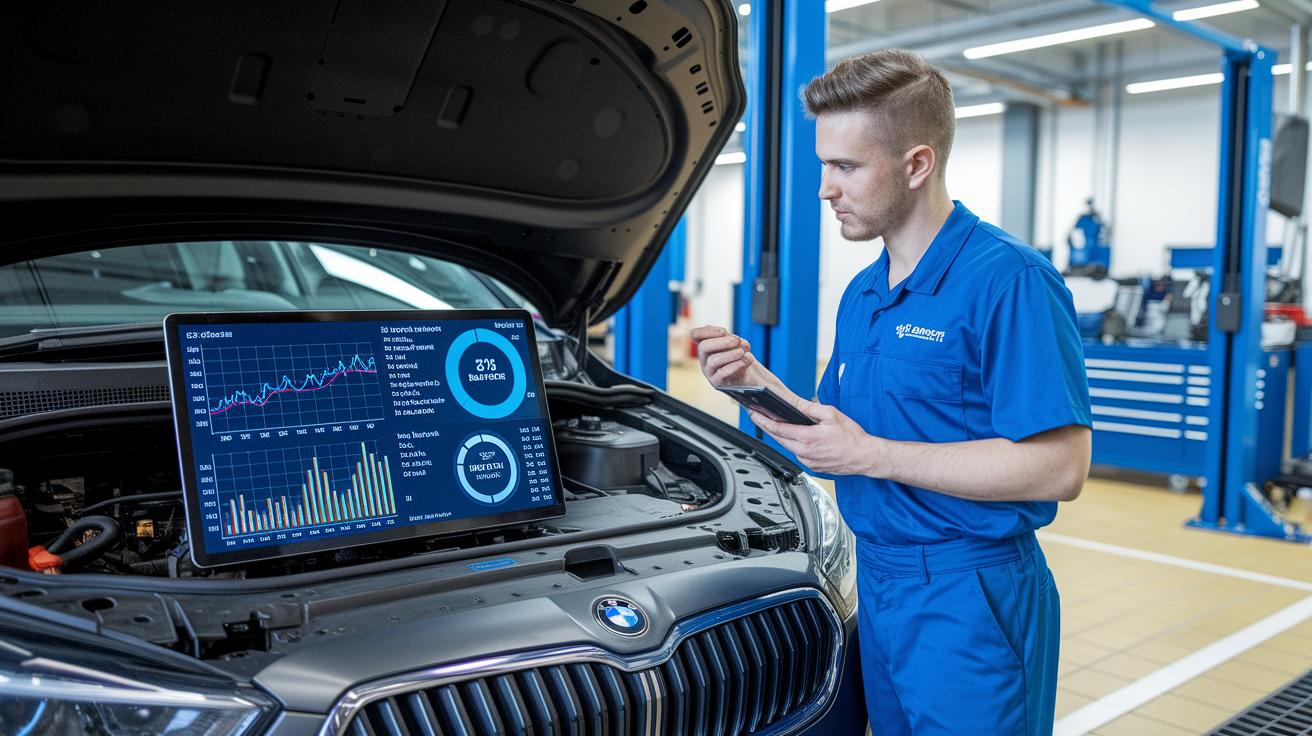
Car repair shops are switching up their game by using smart data tools that keep cars running and the shop buzzing. They use AI to comb through old repair records, telematics logs, and sensor readings. This smart tech even suggests service times that have reduced unexpected breakdowns by about 35%. Imagine having a system that tells you when an engine might need a tune-up before any issues crop up, it's like having a digital mechanic on call.
Dashboards filled with analytics reveal clear trends that guide how parts are ordered and repairs are handled. By matching real service trends with parts orders, shops avoid overstocking or running short at the worst times. One savvy shop discovered that tracking repair feedback boosted first-time fix rates. Ever been surprised? One busy garage saw repair success jump by nearly 25% just by analyzing past job data!
Feedback-loop systems gather repair results and customer satisfaction ratings to fine-tune diagnostic algorithms. This steady improvement not only speeds up repairs but also builds trust with customers.
- Predictive service analytics help set smart maintenance schedules to catch problems early.
- Data-driven maintenance strategies make ordering parts more efficient.
- Preventative analytics boost the overall automotive diagnostic process.
By tapping into these data insights, shops are boosting efficiency, cutting costs, and creating a smoother, more reliable car service experience.
Digital Technician Training and Skill Development
Car repair shops are shifting gears by focusing on digital technician training. Now, mechanics are earning certifications in OBD-II software, electric and high-voltage systems, and AI diagnostic tools. Imagine spending between $2,000 and $5,000 to master these skills, it's like buying a really powerful tool for smoother, faster repairs.
Entry-level jobs have also changed a lot. Old-school lube techs are now stepping into roles as diagnostic assistants. They keep an eye on real-time scan data and set up repair parameters. Think of it like a pilot watching their instruments as the plane takes off.
There are also cool partnerships with auto tech schools and OEM academies. These bring on-site instructors and online lessons right into the shop. This kind of training mixes classroom learning with real hands-on work. One shop even saw a technician improve their diagnostic accuracy after attending a focused workshop.
By embracing digital-era mechanic training, shops are boosting technical skills and staying ahead of the latest car technology. This commitment helps technicians handle today’s repairs and gear up for tomorrow's innovations.
Evolving Business Models and ROI in Tech-Enhanced Garages
Tech investments are changing the way repair shops work. Many places spend around $50,000 on smart diagnostic tools, and they end up saving about 20% on labor hours while boosting revenue by 15% in just a year. It’s like giving your shop a tune-up, it simplifies the work and makes every repair smoother. Plus, these digital tools help lower repair times and cut down on wasted spending.
Beyond diagnostics, new tech is making parts ordering and admin tasks a breeze. For example, on-demand 3D printing slashes parts backorder costs by 40% and pays for itself in about six months. That means even hard-to-find parts get made quickly when you need them. Automated scheduling and digital invoicing also join the team, trimming administrative costs by around 10%. This gives shop owners tighter control over expenses and lets them focus on what matters most: quality repairs.
Key benefits include:
- Fewer labor hours and more revenue thanks to smart diagnostics.
- Big savings on parts costs with on-demand 3D printing.
- Lower admin expenses that free up resources for technical work.
These clear financial upsides show a bright future for tech-enhanced garages. Shops that embrace digital workflows find themselves working more efficiently and boosting their profits, setting the stage for a competitive and sustainable repair future.
Cybersecurity and Data Protection in Connected Repair Shops
Connected vehicles now send telematics data straight to shop servers, which means risks like phishing, ransomware, and unauthorized data access are more common. Repair shops really have to up their security game. One simple fix is to use a secure VPN that acts like a safe tunnel between vehicles and diagnostic portals. Think of it like locking your front door before you head to bed; it keeps the unwanted guests out.
Multi-factor authentication is another smart move. Instead of relying on just one password, shops add extra steps to make sure only the right people get in. They also use encrypted data storage, which scrambles the information so repair histories and customer details stay hidden from prying eyes.
Repair shops also need to follow strict data-privacy rules like GDPR and CCPA, so handling telematics and repair records with care is a must.
| Security Measure | What It Does |
|---|---|
| Secure VPNs | Keeps data safe by creating a secure connection, like locking a door |
| Multi-factor Authentication | Adds extra checks to ensure only authorized users can access systems |
| Encrypted Data Storage | Scrambles information, protecting repair histories and customer details |
These measures work together as a strong shield for both shop and customer data, keeping everything safe in today’s connected repair world.
Final Words
in the action, we covered everything from advanced diagnostics and AI-powered fault detection to digital technician training and smart scheduling. We dug into how predictive maintenance and 3D printing are reshaping parts replacement and repair workflows. We even touched on the challenges electric and hybrid vehicles bring and why cybersecurity is a must for modern shops. All these breakthroughs highlight the impressive impact of auto tech on repair shops, opening up new possibilities for smoother, faster, and more efficient automotive care.
FAQ
How does auto tech impact repair shops near California and Texas?
The auto tech impact on repair shops in California and Texas shows that advanced diagnostic tools and remote monitoring have reduced repair times and improved service accuracy, helping shops serve customers more efficiently.
What does the impact of auto tech on repair shops look like in 2021 and 2022?
The impact of auto tech in 2021 and 2022 transformed repair shops by cutting diagnostic time, achieving more accurate fault detection, and enhancing scheduling through live data, which boosted overall shop productivity.
What is the future for independent auto repair shops?
The future for independent auto repair shops looks bright as tech investments streamline diagnostics, automate repairs, and improve customer service, allowing smaller shops to thrive in a tech-driven service market.
What do IMR automotive research, automotive reports, and automotive research studies show about tech trends in repair shops?
The research from IMR and other automotive studies indicates that the adoption of AI diagnostics, cloud-based platforms, and IoT connectivity is reshaping repair operations, boosting efficiency and service quality across the industry.