
Ever notice your neighbor’s electric car? It almost feels like a smart gadget on wheels. Electric cars are changing our roads in fun and surprising ways. They use less energy, and with cheaper batteries, they’re easier to own than before. They even mix old-school mechanics with simple computer controls.
In this post, we take a look at how new tech is giving these cars a big boost, from keeping the battery in check to tweaking the drivetrain. Ever felt that thrill when something new makes your ride even better? Get ready to see how these smart features make driving an electric car extra exciting and reliable.
Auto Tech Foundations for Electric Vehicles
The car world is changing fast as electric vehicles drive us toward a future without gas engines. Big markets plan to end traditional engines by 2035, which means repair shops must learn new tricks. Today’s electric vehicles are about 15–25% more efficient than older models, and battery prices have fallen by almost 40% since 2015.
This shift means cars now rely heavily on smart sensors and built-in electronics. These systems blend old-school mechanical know-how with basic computer skills. Roles like auto tech are more important than ever, with technicians handling both hands-on tasks and digital checks. Experts say that improvements in propulsion (the way a car moves forward) and drivetrain upgrades (that keep power running smoothly) are key. Future technicians need to get comfortable with these ideas to tackle the new challenges coming down the road.
Electric innovation stays in the spotlight as drivetrain upgrades boost performance further. Training programs now focus on showing how better propulsion and smarter auto tech can change the ride for the better. In short, these advancements are steering us into tomorrow, making both drivetrain and propulsion improvements essential for every car enthusiast.
Auto Tech in Battery Management Systems for EVs
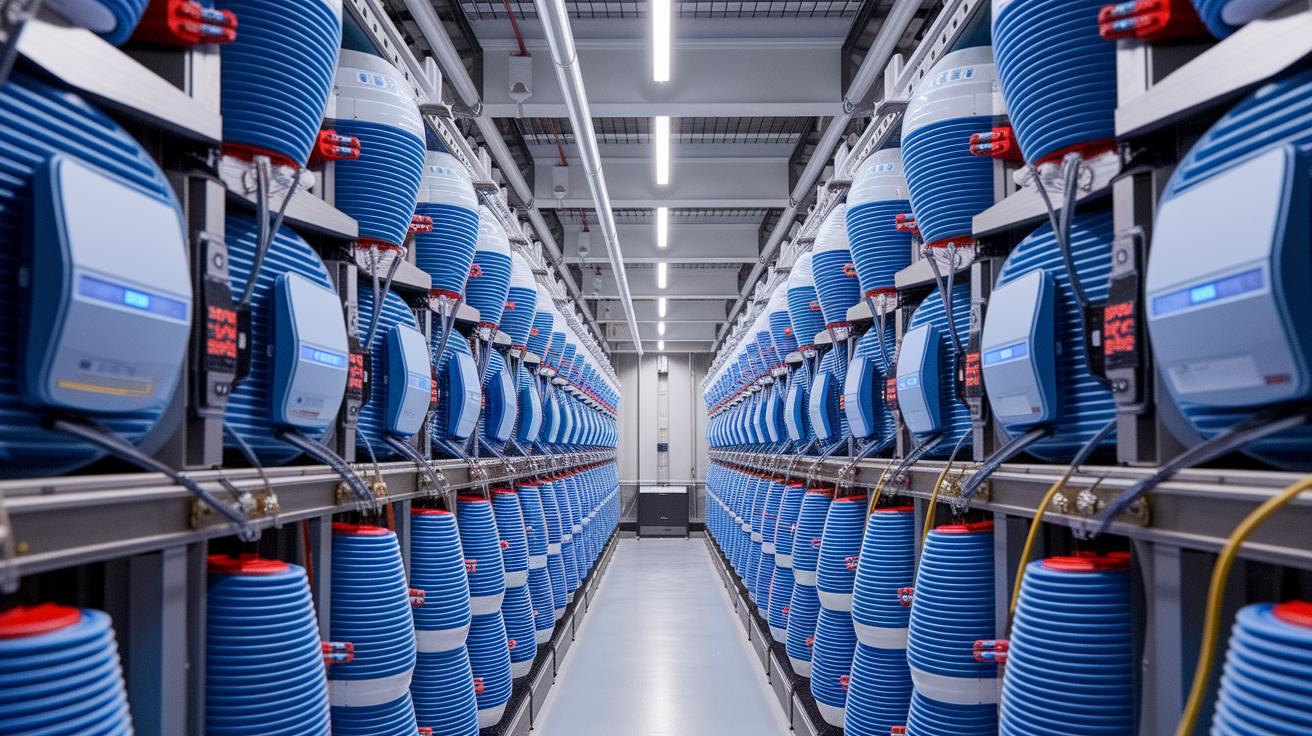
Battery management systems are the heartbeat of an electric ride. They watch over each cell's voltage, state of charge (SoC), and temperature, just like you keep an eye on your phone's battery level before heading out.
To keep things cool, these systems use either liquid or air cooling to hold cell temperatures between 20 and 40 °C. It's like having a thermostat that keeps your car comfy. This steady temperature helps keep the battery strong and extends its life. Plus, smart software tweaks the cell performance so well that it can boost your range by up to 10%. Imagine it as tuning an orchestra where every instrument plays perfectly.
Safety is a big deal, too. Technicians need special gear such as:
- Insulated gloves
- Megohmmeters
- High-voltage safety training
Curious about the latest breakthroughs? Check out EV battery innovation to see how new tech is powering the future of electric vehicles.
Auto Tech in Charging Infrastructure and Smart Charging
Charging setups are a big deal for EV owners these days. If you’re buying a commercial dual charger, you’re looking at a price between $3,190 and $4,090. For a home charger, though, it’s much friendlier, around $1,190 to $1,320. And if you’ve got a fast-charge system with up to 350 kW, you can reach 80% charge in just 15 to 20 minutes. Residential chargers are a smart, cost-effective option that fits right in any garage.
Networked chargers are changing the game, too. They send updates, perform remote diagnostics, and share real-time status reports over the cloud. This smart connectivity means a technician can spot a small glitch on a live feed before it ever turns into a big hassle. Imagine that moment of relief when a little problem is caught early!
Today’s technicians do more than just repair units. They manage the flow of energy from the grid to your vehicle and fine-tune smart charging modules. Picture a tech checking diagnostic data on his tablet and quickly adjusting settings to boost charging efficiency. This blend of hands-on work and digital know-how is driving the future of auto tech and opening up bold new possibilities for EV drivers everywhere.
Auto Tech Software and Connectivity in Electric Vehicles
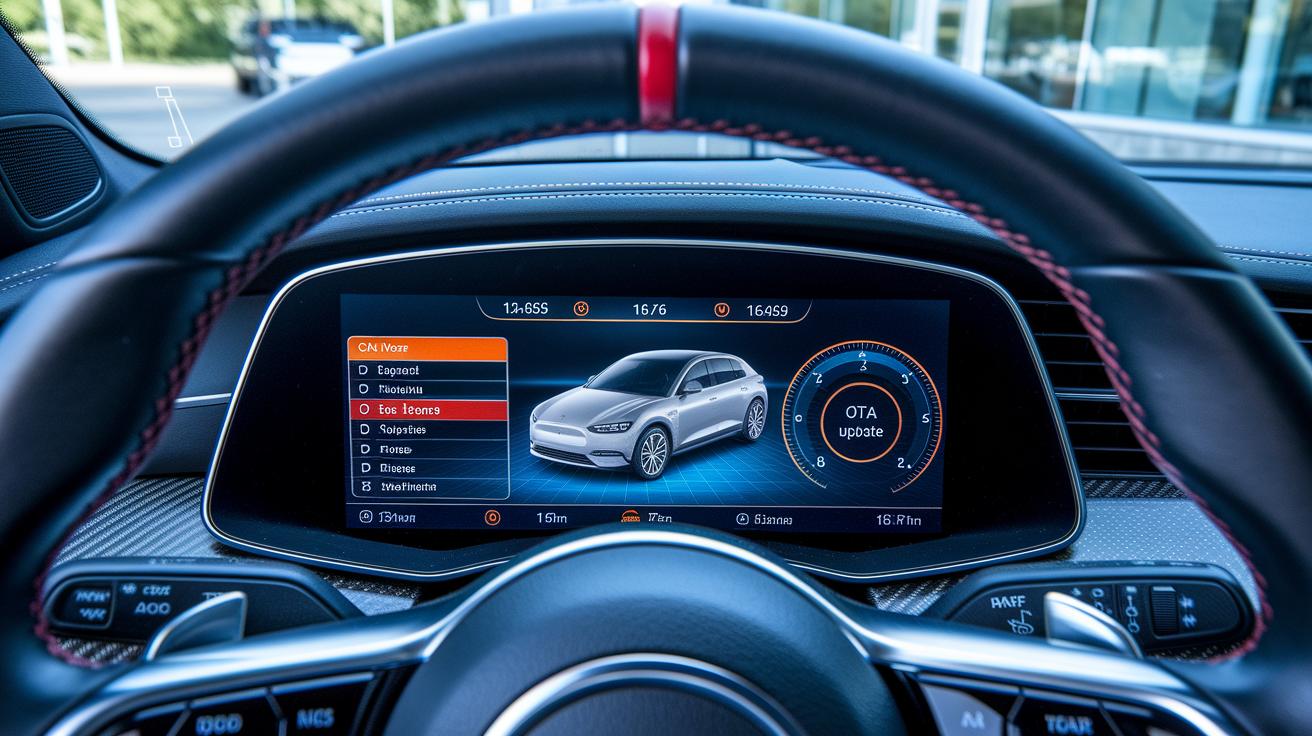
Electric vehicles work with smart systems where several ECUs (small computer systems inside the car) and domain controllers work hand in hand to control everything from the engine to the music system. These hidden gadgets make sure every part of your car communicates smoothly. For example, mechanics often check CAN bus logs (records that show what each system is doing) to see what’s really happening under the hood.
OTA update systems are a real game changer. They let car techs push out firmware patches, add cool new features, and fix security issues without making a trip to the workshop. It’s a lot like updating an app on your phone, quick, seamless, and super convenient. Ever hit that update button and felt a little thrill knowing your car got a fresh tune-up wirelessly?
Today's connectivity systems create a bridge between your car and its underlying technology. With remote diagnostic tools, experts can check on your car’s performance in real-time. These systems send you alerts like a friendly text saying, "Hey, something's off!" so that small problems can be fixed before they turn into big headaches.
Recent advances in telematics make everything even better. They offer clear data dashboards that help technicians solve issues more quickly. By updating control-unit software and keeping cybersecurity tight, all the systems, from the radio to power delivery, work together in harmony. This ongoing tech boost keeps your ride running optimally and opens up exciting new possibilities for the future of electric driving.
Auto Tech Advancements in ADAS and Autonomous Capabilities of EVs
Today's electric vehicles are loaded with smart helping hands. They come equipped with driver assistance systems that use radar, lidar, ultrasonic sensors, and cameras to let the car do things like follow traffic, stay in its lane, and even brake automatically if an emergency pops up. This sensor setup gives the vehicle a complete view of its surroundings, helping it dodge road hazards in a flash.
Inside, clever sensor fusion algorithms mix data from all these tools in just milliseconds. This quick blend helps the car decide when to give you a friendly alert or even take over for you during critical moments. Every modern EV sports this constant eye on the road, making sure it works smoothly even when conditions change.
There are also built-in backup safety steps and emergency shutdown procedures that protect the car's high-voltage parts. If something goes wrong, the system shuts itself down to keep things safe. Technicians then recalibrate the sensors with special tools, kind of like giving a classic car its much-needed tune-up, to ensure every part performs just right.
Recent boosts in collision avoidance technology have made electric vehicles even safer. With these improved driver assistance features, you get a smoother ride and more confidence on the road. And with innovation speeding ahead every day, there's always something new to look forward to in the world of EVs.
Future Auto Tech Trends Shaping Sustainable Electric Mobility
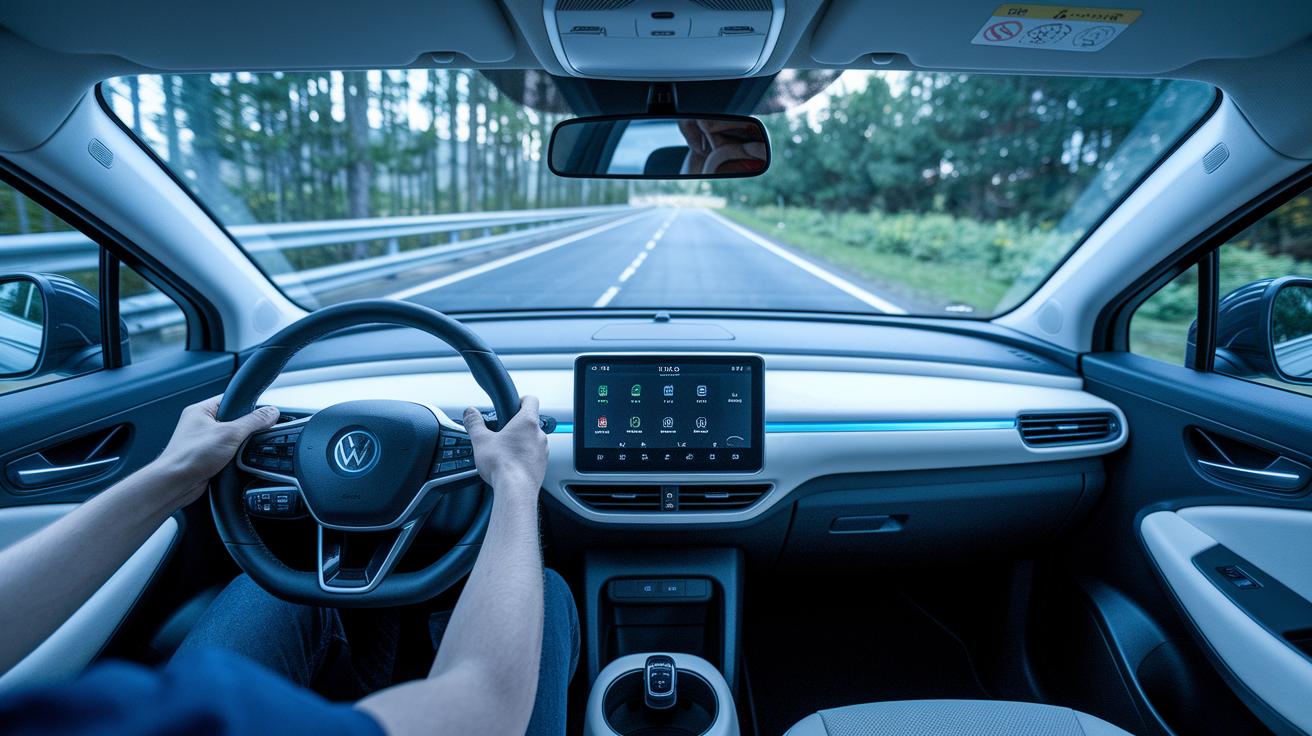
Governments around the globe are setting bold car goals. They want half of all vehicles sold by 2030 to be electric and aim for zero-emission driving by 2035. It’s a lot like upgrading your favorite ride with smarter, greener parts that not only look good but feel great too.
Imagine your car using clever computer tools that learn how to drive more efficiently. These smart systems, like AI energy savers and route planners, help your vehicle go about 10–15% further on a single charge. It’s almost as if your car figures out the best path to stretch every last mile. At the same time, car makers are turning to eco-friendly designs that use recycled materials and bio-resins. These elements can drop the CO₂ emissions by roughly 30%, making every drive feel a bit cleaner and kinder to our planet.
One cool innovation is the bidirectional V2G system. This technology lets your car send power back to the grid, which can help smooth out energy needs and store renewable energy. This mix of smart learning and eco-smart engineering is sparking big ideas for an even greener future in electric mobility.
Final Words
in the action, the blog explored how electric vehicles are reshaping our roadways. We covered everything from battery management systems and smart charging networks to software connectivity and ADAS features. The discussion even touched on future trends shaping sustainable mobility. Our walk through auto tech in electric vehicles shows cool advances that not only boost performance but also pave the way for a cleaner ride. It's an exciting time for auto tech as it keeps pushing new frontiers. Enjoy the ride and keep exploring new innovations!
FAQ
Frequently Asked Questions
What are auto tech in electric vehicles jobs?
Auto tech in electric vehicles jobs combine hands-on repair with modern tech skills. They work on battery systems, charging networks, and software diagnostics while adapting to evolving EV technologies.
What does auto tech in electric vehicles Reddit discuss?
Auto tech in electric vehicles on Reddit covers real-life experiences, job advice, and tips for troubleshooting EV systems. The posts offer a friendly exchange among enthusiasts and professionals.
How do I find auto tech in electric vehicles near me?
Auto tech in electric vehicles near me usually points to local repair centers, training schools, or dealerships. These spots offer services and career opportunities tailored to EV maintenance and technology needs.
What is the highest paid auto technician?
The highest paid auto technician typically works on specialized EV systems, like battery management or embedded software. Their advanced skills in these areas command higher wages compared to more general repair roles.
Can a mechanic work on an EV?
The ability for a mechanic to work on an EV depends on their training. Most can adapt to EV repairs after additional education on high-voltage systems and battery management procedures.
Why does it seem no one wants EVs anymore?
The claim that no one wants EVs overlooks ongoing interest. Some buyers worry about charging infrastructure, range, or repair costs, but many appreciate the efficiency and innovation of electric vehicles.
Do EV mechanics make more money?
EV mechanics often make more money due to the specialized knowledge needed for battery systems and sophisticated diagnostics. Their higher pay reflects the advanced skills required as EV technology evolves.