
Have you ever thought that your car might upgrade itself like your smartphone? The world of auto tech is changing fast. Rising costs, long loan terms, and higher tariffs are all pushing up the prices at dealerships.
Because of these challenges, car makers are working faster and smarter. They are finding digital ways to fix issues and make your drive smoother. Even though there have been some bumps along the way, all signs suggest that technology is set to change every ride for the better.
So, get ready and hold on tight, the future of driving is looking pretty exciting.
Understanding the Auto Tech Industry Outlook: Bright Future Ahead
The U.S. auto industry is huge, it employs over 1 million people and makes up about 3 percent of our economy. Even though prices shot up because of semiconductor shortages since 2020, things started to improve by the middle of 2024. New car loans now average around 7.6 percent for a typical 48-month term, and used-car loans range from 10 to 15 percent. With longer loan periods of eight to ten years, buyers are adapting to higher borrowing costs.
A new twist in the story is the 25 percent tariff on imported vehicles, along with extra charges on steel, aluminum, and soon-to-be-imposed duties on parts. These added costs might push prices up by 10 to 15 percent at the dealership. That affects how much people are willing to spend and puts pressure on both dealers and manufacturers to find that sweet balance between quality and price. And remember, supply chain issues from back in 2020 still cause delays and occasional price bumps when parts aren’t easy to get.
At the center of this change is the surge in connected auto tech. Car makers are shifting toward digital solutions, and today's vehicles get software updates a lot like smartphones do. Ever notice how your phone updates automatically? That’s the idea here. Dealers are also boosting their digital game to make customer interactions smoother and transactions quicker. Experts even predict that online financing approvals will become more common as these digital upgrades drive fresh ideas in the industry.
Overall, rising economic pressures and digital evolution are steering the future of auto tech. And, honestly, the road ahead looks really bright.
Electrification Strategy Blueprint in the Auto Tech Industry Outlook

Electric vehicles keep growing, even though hybrids are starting to steal a bit more attention. Chinese manufacturers are still leading global EV sales as they ramp up production and use more renewable components.
A lot of experts keep talking about an electrification strategy blueprint. It’s a simple guide that reminds companies to grow their electric mobility alongside a wider charging network. Leading brands are working on next-generation battery chemistry (basically better battery ingredients for improved performance) and modular pack designs that help store energy more efficiently. For example, recent breakthroughs in electric vehicle innovation are showing real promise in boosting both power delivery and durability.
Meanwhile, alternative fuels like e-kerosene, e-methane, and e-methanol are on track for EU approval after 2035 if they hit strict zero-climate-impact goals. This is a bold move towards more sustainable car design. Manufacturers are pooling their resources and rethinking how they build cars, all thanks to the blueprint. By combining improved batteries with a growing network of chargers, they're setting up a solid foundation for the future of car energy systems.
Hybrid models, even as they earn more market share, remind us that the world of auto power is always changing. The electrification strategy blueprint remains a steady guide through all this innovation. In truth, it’s this kind of forward-thinking innovation that really drives progress.
Autonomous System Breakthroughs and Sensor Integration in Auto Tech Industry Outlook
Level 3 autonomy is changing how we drive. Cars now handle key tasks like steering, braking, and accelerating in everyday conditions, giving you a little break while staying alert to jump back in when needed. Some Level 4 tests are already in progress, letting cars tackle even trickier roads without any human help, though only in controlled environments.
At the heart of these breakthroughs is smart sensor integration. Modern cars are fitted with sensors like LiDAR (which uses laser beams to measure distances), radar (that sends out waves to spot objects), and cameras. Together, they build a live, detailed picture of the car’s surroundings. These tools help vehicles spot obstacles, check the road’s condition, and react quickly when something unexpected happens. Partnerships, such as Honda’s data-sharing deal that keeps sensors finely tuned in real time, are boosting both accuracy and reliability.
Looking ahead, experts expect a steady rollout of Level 3 and next-level autonomous features in many more vehicles. As sensor tech improves and computers process data faster, these innovations will keep shaping our driving experience. Ultimately, advances in self-driving systems are paving the way for safer, smoother rides and sparking excitement about the future of travel.
Connected Vehicle Evolution and Software-Defined Platforms in the Auto Tech Industry Outlook
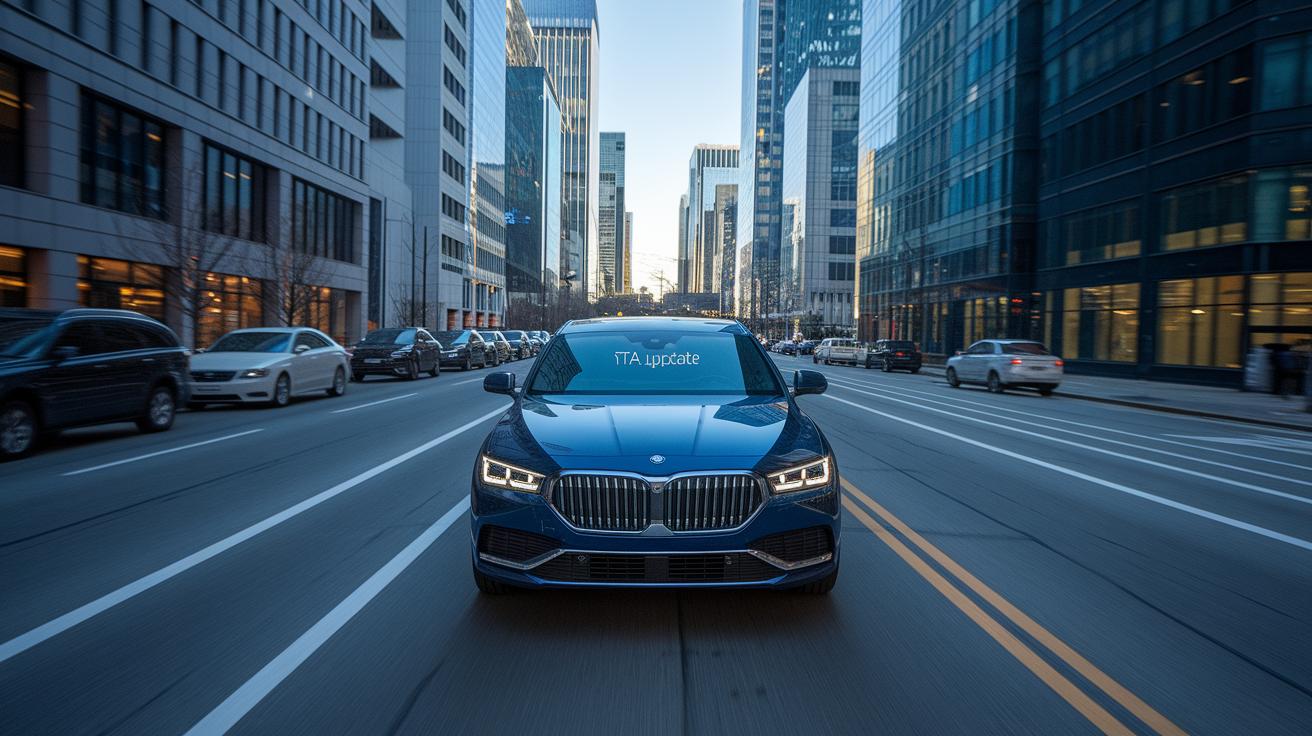
Modern cars are ditching the old mechanical-only setup in favor of a software-first design. Software-Defined Vehicles (SDVs) now use an embedded operating system to handle steering, braking, and even the way you interact with your car, kind of like how your smartphone gets updates. Imagine your car getting a fresh set of features without ever stopping by the dealer.
The benefits? They’re pretty exciting. Over-the-air updates let your vehicle fix bugs and add cool features quickly. But, there’s a catch, software recall rates could jump from 13% this year to 42% next year, which shows that quality control is still a challenge. Car makers are hard at work finding the right balance between innovation and everyday safety.
And then there’s 5G. With this fast network rolling out, vehicles are getting even smarter and more connected. Advances in 5G boost key features like vehicle-to-everything (V2X) communication, telematics (data sharing about your car’s performance), and digital cockpits that keep you informed on the road. These upgrades improve everything from emergency responses to the entertainment system inside your car.
Key connected-vehicle functions include:
- V2X
- Telematics
- Digital cockpits
- OTA security
- AI assistants
This shift toward a software-defined approach is transforming driving into a more dynamic, integrated, and forward-thinking experience.
Market Growth Projections and Investment Trends in the Auto Tech Industry Outlook
Auto tech earnings around the world are growing steadily. Experts say we can expect a yearly increase of about 3 to 5 percent until 2028. This rise comes as car buyers look for more connected, modern vehicles. Many companies now use mobility demand forecasts like a travel guide, they help figure out how to adjust to market changes. One expert even compared it to checking the weather before a long drive.
Car makers are shifting funds away from older engine technologies and investing in digital services and software-based car systems. Big names like Honda and GM, along with other top suppliers, have kicked off long-term partnerships to boost what we call Software-Defined Vehicle development. In simple words, they're putting more money into smart car tech and better data analysis. At the same time, investing in electrification is on the rise as companies try to mix strong performance with energy efficiency.
Venture capital for electric vehicle startups doubled between 2022 and 2024. This shows a strong belief in the future of smart transport. Developers are even rethinking how factory processes work to embrace greener methods, imagine a factory that upgrades to use cleaner energy, kind of like turning on a new eco-mode. This fresh investment not only drives electrification efforts but also paves the way for a future where digital services and smart platforms lead the automotive world. These moves show that industry leaders are ready to build a flexible, tech-savvy automotive future.
Regulatory Influence Examination and Supply Chain Risk Management in Auto Tech Industry Outlook
Regulators and supply chain challenges are shaking up the auto tech world right now. New safety standards mean that cars have to include advanced systems to help avoid crashes, so manufacturers are rethinking their designs. At the same time, U.S. import tariffs are bumping up costs, which often leads to higher prices at the dealership. Plus, ongoing semiconductor shortages keep tripping up parts makers, making production a real headache even when demand is high.
| Regulation/Region | Effective Year | Industry Impact |
|---|---|---|
| EU General Safety Regulation | 2024 | Mandates advanced crash-avoidance systems |
| U.S. Import Tariff | Current | Adds 10–15% to production costs |
| Steel and Aluminum Duties | Current | Increases raw material costs |
| Semiconductor Shortages | Ongoing | Disrupts tier-supplier networks |
These shifts in rules and rising costs are pushing car makers to rethink how they manage risks. Even basic car functions can be hit when supply chains break down, so keeping a close eye on production and safety is more crucial than ever.
Cybersecurity Measures Review and Risk Factors in the Auto Tech Industry Outlook
Cars today are more than just machines that take you from point A to point B, they’re like small data centers on wheels. With more over-the-air updates and constant connectivity, even a simple recall for a door lock can reveal hidden software flaws and put sensitive data at risk.
Car makers now have to think about more than just engine performance; they also need to protect your personal information. When cars share so much data over wireless networks, keeping that information safe is just as important as making sure the engine purrs. A breach could not only cost companies money but also shake customer trust in their smart features.
There are extra challenges too. Long loan terms add a financial crunch, and ever-changing tariffs can boost production costs. These factors can affect everything from how often software gets updated to the security measures inside your car. That’s why companies need solid plans to tackle both financial and digital risks.
Staying ahead means investing in regular security checks, real-time monitoring, and solid training for everyone on the team. In our increasingly connected automotive world, these steps help ensure that cars remain safe and enjoyable for all of us.
Final Words
In the action, we took a close look at today’s auto tech industry outlook. We broke down market trends, electrification efforts, and sensor breakthroughs that shape our driving experience. We also touched on connected vehicles, investment trends, and the impact of security and regulatory changes with clear, straightforward insights.
This recap shows how dynamic shifts in financing, supply chains, and tech innovations drive the field. There's a lot to look forward to as the auto tech industry outlook continues to open exciting possibilities.
FAQ
What is the auto tech industry outlook for 2025?
The auto tech industry outlook for 2025 shows growth in electrification, connected vehicle innovations, and smarter autonomous systems. This shift drives both manufacturing updates and enhanced consumer tech features.
What does the auto tech industry outlook for 2030 hold?
The auto tech industry outlook for 2030 points to deeper digital integration, sustained investment in electric and autonomous vehicles, and evolving global supply chains amid shifting regulatory demands.
What is the global automotive industry outlook?
The global automotive industry outlook reflects steady revenue growth and rising demand for tech-enhanced vehicles. Worldwide investments are boosting electrification and the development of digital vehicle platforms.
What are the automotive industry trends for 2025?
The automotive industry trends for 2025 focus on integrating digital platforms, expanding connected vehicle features, and strengthening electric vehicle performance. Consumers and makers alike are adapting to updated financing and tech solutions.
How are consumer trends shaping the automotive industry?
Consumer trends in the automotive industry highlight a growing desire for smart vehicle features, eco-friendly designs, and seamless connectivity. This evolution pushes manufacturers to boost digital and sustainable options.
What new car technology will emerge in 2025?
New car technology in 2025 will include cutting-edge connectivity, enhanced infotainment systems, and improved safety features. These changes come from advances in software-defined platforms and faster 5G network rollouts.
What are the technology trends in the automotive industry PDF?
The technology trends in the automotive industry discussed in PDF reports emphasize stronger software integration, breakthroughs in autonomous systems, and swift shifts toward electrification to meet rising market demands.
What does the US auto industry outlook look like?
The US auto industry outlook points to recovery and tech-driven progress. Manufacturers are adopting digital solutions to handle supply chain challenges, while evolving financing patterns support ongoing innovation and growth.