
Imagine a car that upgrades as you drive. We're on the edge of a new era where smart tech reshapes our roads. Electric power teams up with online updates and self-driving features to make every ride safer and smoother.
Picture this: a car that learns on the go, using cleaner energy and faster technology. It's bold innovation in action. In this post, we'll explore future auto tech trends that promise to boost performance, safety, and efficiency before 2025.
Key future auto tech trends shaping mobility by 2025
The auto world is changing fast. Cars are becoming smart machines that learn and adapt over time. Electrification is on the rise, meaning electric rides are getting cheaper and better thanks to new battery breakthroughs. And with software updates coming in from the cloud, your car might upgrade itself even after you drive it off the lot.
Safety and convenience are also getting a major boost. Level 3 self-driving features are already on the highway, and cities like Phoenix and Shanghai are testing Level 4 systems that handle trickier roads. Plus, with 5G linking cars to smart city systems, drivers are getting more intuitive navigation and real-time reports on their ride’s health.
Automakers are all about sustainability now. They’re weaving renewable energy and recycled materials into their designs, some even use up to 20% recycled plastic. New safety standards call for over-the-air updates, and smart tech like AI is cutting down development time and making sensors even quicker at spotting issues. With fierce competition, especially from Chinese EV startups, we’re set to see smarter, safer, and greener rides well into 2025.
Electrification and electric transportation evolution in future auto tech trends
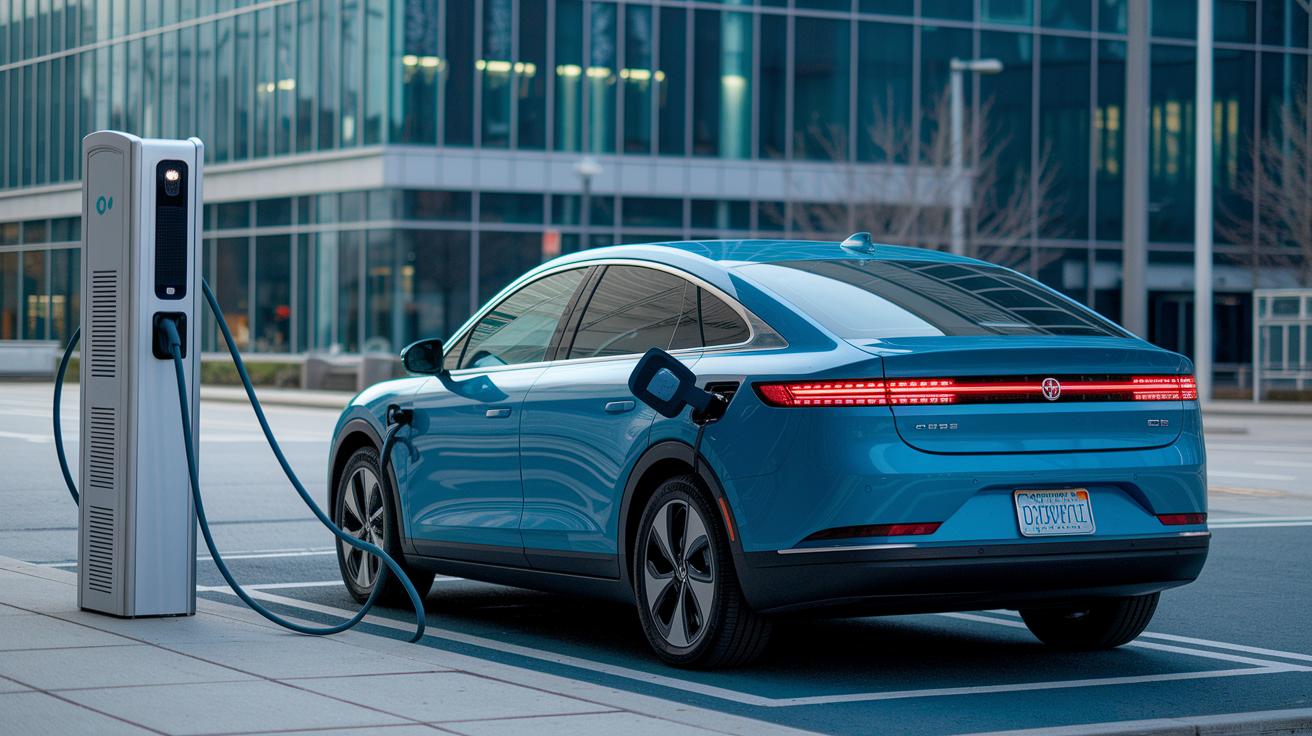
The electric car world is speeding up. Experts predict that by 2025, electric cars will account for over 30% of all cars worldwide. Car makers are working hard to lower prices and pump up performance, making these rides a hit among drivers. This shift shows a bigger move toward cleaner, more efficient travel that cuts emissions and uses less fossil fuel.
Recent upgrades in battery tech are a real game changer. Solid-state batteries, for example, are expected to pack more than 50% extra energy compared to regular lithium-ion ones. What does that mean? Cars could travel much farther on one charge and get even safer. Their design also lowers the cost per kilowatt-hour and adds extra stability, cutting down on the risks that older batteries sometimes brought. This leap in battery tech sets the stage for electric vehicles that are both more efficient and safer on the road.
Charging spots are popping up all over the place too. In 2023, fast-charging stations grew by 50%, with more than 100,000 stations now available in North America and Europe. Some pilot projects are even testing solar-powered charging hubs that deliver between 20 and 30 kW of clean energy. These exciting developments show that using renewable energy will be a big help in supporting the growing trend of electric travel.
Autonomous vehicle innovation and self-driving car developments in future auto tech trends
Self-driving technology has really taken off in just a few years. Level 3 highway systems, like those in the Honda Legend and Mercedes-Benz Drive Pilot, are already cruising on open roads. In 2023 alone, tests of Level 4 systems in cities have logged over 100,000 miles, showing early signs of safer, smoother rides. Automated parking and adaptive cruise control have even shaved off about 15% of minor collisions in test fleets, proving that these early innovations can make a big difference.
Levels 3 and 4 automation improvements
Recent tests show that Level 3 systems handle highway driving really well by taking charge of steering, acceleration, and braking in specific situations. Drivers still need to be alert enough to take over if needed, but these systems ease the strain on long journeys. At the same time, Level 4 pilots in urban settings are impressing with thousands of vehicles tackling busy city streets. With more than 100,000 miles of trial data, engineers are fine-tuning the software so it can manage tricky city roads safely. It’s exciting to think that one day, city driving might lean much more on smart automation.
Next-generation sensor arrays and AI algorithms
At the core of
Connected car systems and digital cockpit interfaces transforming future auto tech trends
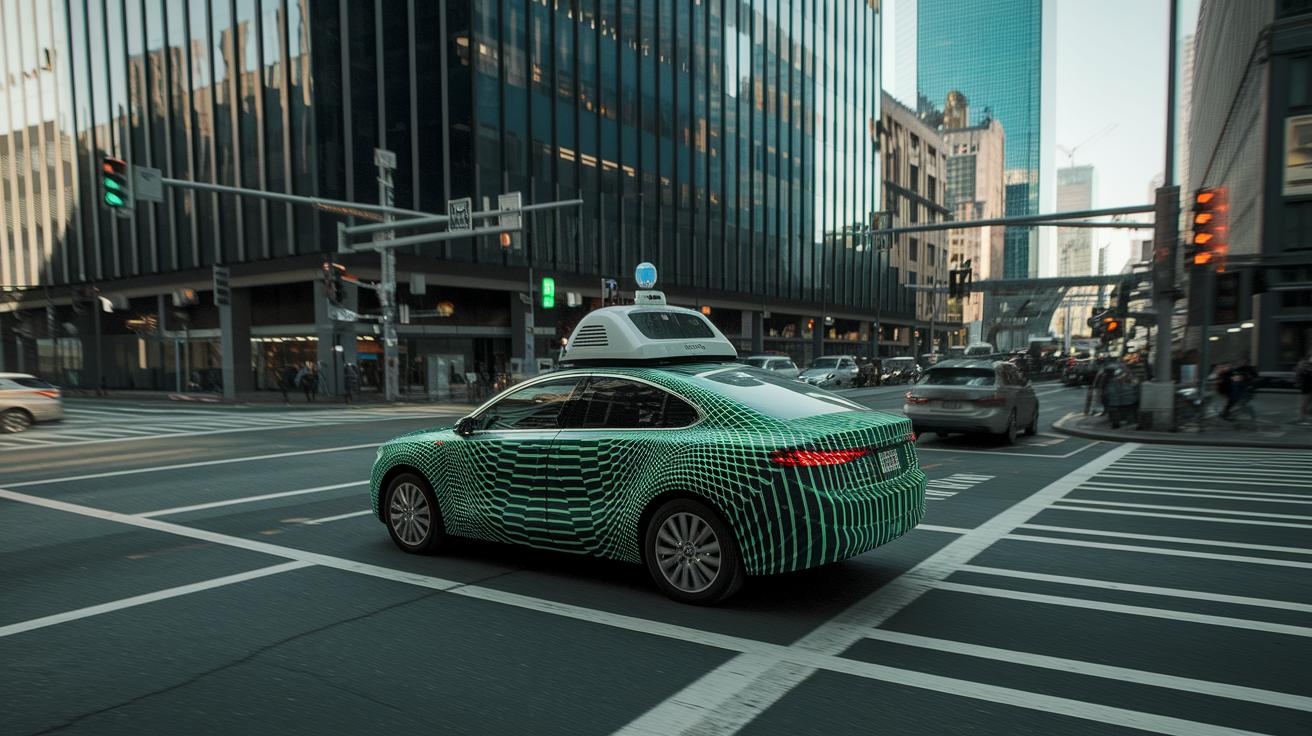
IoV is radically changing how our cars chat with the world. With 5G in the mix, vehicles now talk not just to one another but also to traffic lights, toll booths, and city grids. It’s like giving your car a smart brain that helps it share data in real time, making driving safer and smoother.
Car makers and city planners are teaming up to build systems where cars react instantly to road conditions. Imagine reducing how long you wait at red lights or cutting through traffic jams with ease. This connected approach makes cars much more aware of their surroundings, ready to help drivers handle busy roads with confidence.
- Improved situational awareness
- Personalized navigation
- Real-time traffic optimization
- Remote diagnostics
- Enhanced infotainment
Every year, over 200 million vehicles receive updates over the air. These updates push essential security patches and bring on new features right to your dashboard. In pilot cities, smart traffic lights have trimmed idle times by 20%, paving the way for digital cockpits and top-notch connectivity that make every ride both efficient and engaging.
Next generation powertrains and sustainable transportation design within future auto tech trends
Car makers are taking a fresh look at engine options to build rides that are cleaner and easier on fuel. New ideas like hybrid propulsion (mixing gas and electric power), regenerative braking (turning braking energy into power), and carbon-neutral fuels are steering us toward a greener future. Some hybrids now offer a 15 to 20% boost in fuel economy compared to older engines, and regenerative braking systems can capture up to 25% of energy when you slow down.
In Europe, advanced e-fuels such as e-kerosene, e-methane, and e-methanol may soon let existing engines run without adding extra carbon to the air after 2035. Meanwhile, car makers like VW are showing real commitment to green practices. For example, their Emden plant runs on 30% solar power and uses 20% recycled plastics in its car panels.
| Powertrain Type | Benefits | Key Considerations |
|---|---|---|
| Electric Vehicle | No exhaust pollution and excellent energy use | Limited battery range and battery recycling challenges |
| Hybrid Propulsion | Around 15–20% better fuel savings with energy recovery | A bit tricky to integrate and keep up with maintenance |
| E-Fuel Combustion Engine | Offers a chance for carbon-neutral combustion using current engines | Needs new rules and more research and development |
All these powertrain choices underline our push for energy-saving engines and cleaner rides. They improve performance, help cars last longer, and fit right into the wider move toward sustainable, eco-friendly car production.
AI and machine learning applications driving future auto tech trends
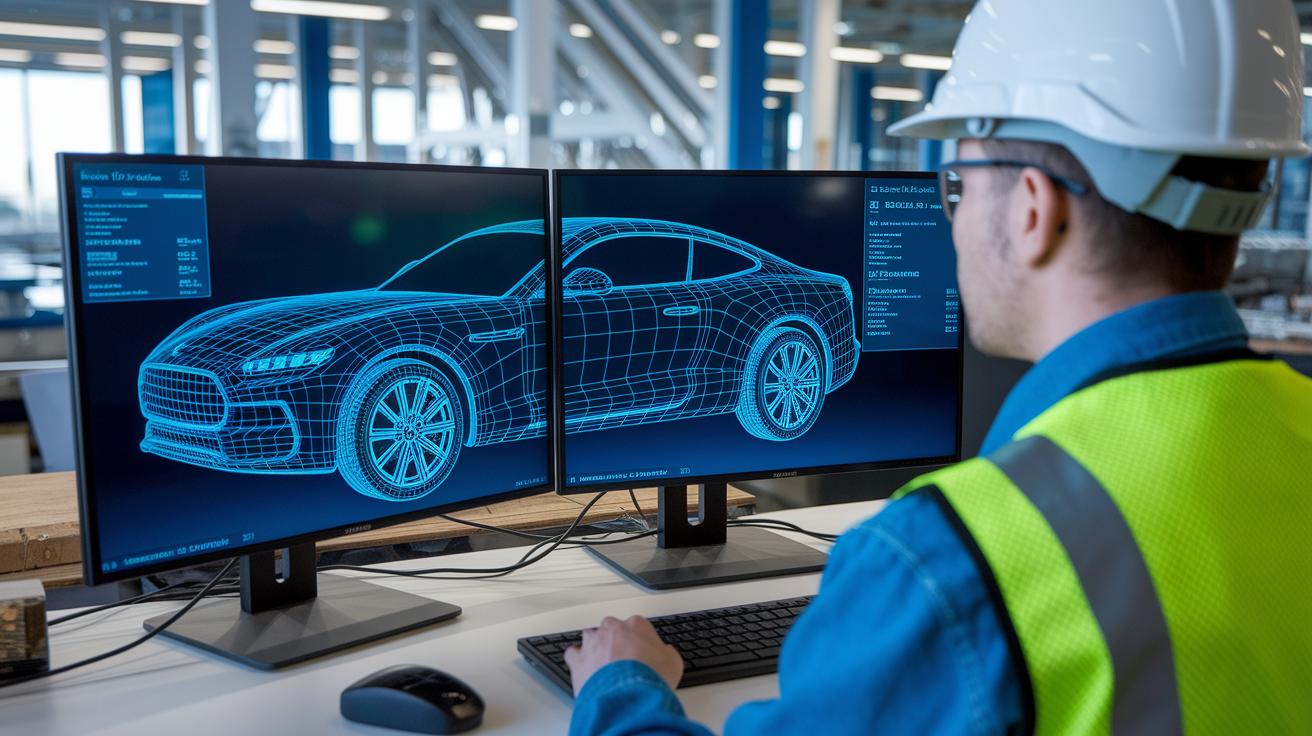
Digital twin simulations let car makers create a digital copy of a vehicle that acts just like the real thing. They use these virtual models to check how a car performs, spot problems early, and tweak designs before the car is even built. This smart method can trim development time by around 30%. And with edge computing handling huge pockets of sensor data, up to 500 MB per second, it makes fine-tuning these models even quicker. Engineers can run through design changes faster, cut down on waiting times, and keep production smooth.
Predictive maintenance analytics is like having a crystal ball for car upkeep. It uses data to predict part failures with about 85% accuracy. Meanwhile, smart diagnostic tools jump into action by reading fault codes and suggesting repair steps right away. By mixing in deep learning techniques, these systems keep learning and adapting, so cars stay safe and sound on the road. This clever approach not only cuts down on downtime but also keeps long-term maintenance efficient and worry-free.
Regulatory frameworks and compliance shaping future auto tech trends
Europe is really stepping up its safety game. New rules now require all new cars to have features like automatic emergency braking and pedestrian detection by 2024. This push is all about keeping drivers and pedestrians safer, and it's setting a fresh pace for how cars are built around the globe.
Looking forward, Europe is also getting ready to back cleaner fuel choices. They’re planning that after 2035, new e-fuel vehicles will meet strict, climate-neutral standards. These new goals aim to cut down on harmful emissions and give automakers a chance to try out smarter, greener ways to power cars.
Around the world, laws are catching up with fast-changing tech. For example, standards like ISO 26262 and ASPICE mean cars need regular software updates sent over the air. This makes sure vehicles always stick to top-notch safety levels. And over in Japan, plans are in the works to set Level 4 autonomous driving guidelines by 2026, which will help bring even safer, smarter vehicles to our roads.
Final Words
In the action, our article covered a spectrum of tech trends shaping mobility by 2025. We explored electrification, smart autonomous features, and connected car systems that are already making roads smarter.
We also examined next-gen powertrains, AI applications, and regulatory standards keeping vehicles safe while pushing limits. This blend of insights helps paint a clear picture of future auto tech trends. The outlook is bright, and we’re excited to witness how these innovations continue to elevate driving experiences.
FAQ
What future auto tech trends are expected for 2025?
The future auto tech trends for 2025 include mainstream electric vehicles through improved battery tech, advanced autonomous driving features, and connected car systems that benefit from 5G integration.
What PDF resources are available on future auto tech trends?
The available PDF resources on future auto tech trends provide detailed insights into battery innovations, autonomous developments, and connectivity advances, serving as handy guides for car enthusiasts and experts alike.
What new car technology is emerging in 2025?
The new car technology emerging in 2025 focuses on software-defined vehicles with over-the-air updates, smarter sensor systems for safety, and digital cockpit interfaces that enhance the driving experience.
What technology trends are shaping the automotive industry?
The technology trends shaping the automotive industry include AI-driven design, connected car systems, and modern safety features that together boost vehicle performance and driver security.
How do consumer trends influence automotive future tech?
The consumer trends influence automotive future tech by pushing for vehicles that are greener, smarter, and more connected, which encourages manufacturers to use sustainable materials and update software frequently.