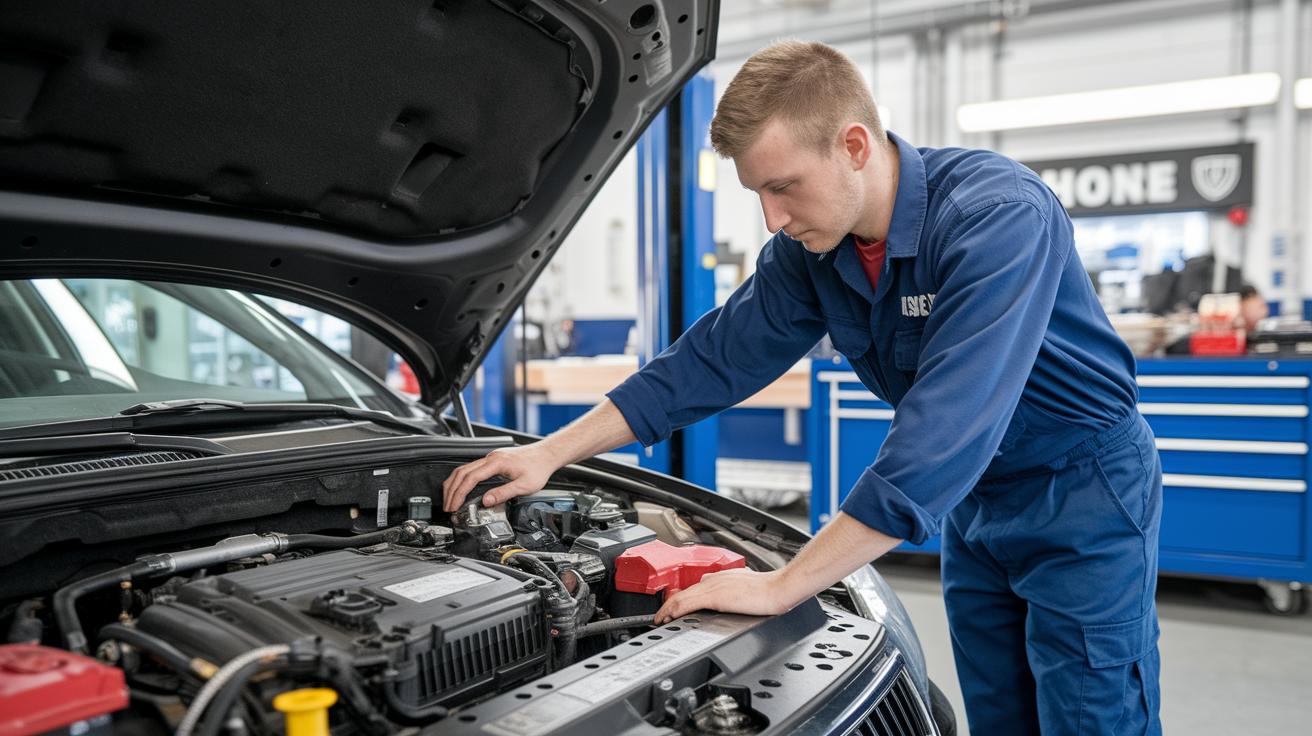
Have you ever wondered what could ignite your career like a race car roaring off the starting line? Auto tech training hands you real skills and smart insights to boost your abilities right away.
We mix online classes with in-person sessions to give you a solid grip on car mechanics and the fun side of advanced vehicle systems. Ready to change gears? This training links you with hands-on experience and expert advice so you can accelerate your career.
Auto Tech Training Overview: Programs, Formats, and Benefits
Auto tech training gives you a mix of ways to learn, both online and in-person. You get access to ASE-accredited courses online (ASE means your class meets trusted industry standards), hands-on workshops that last from one to five days, and classroom sessions led by ASE Master Certified instructors. In these sessions, you’ll see slide lectures, live demos, and real-life case studies that bring the lessons to life.
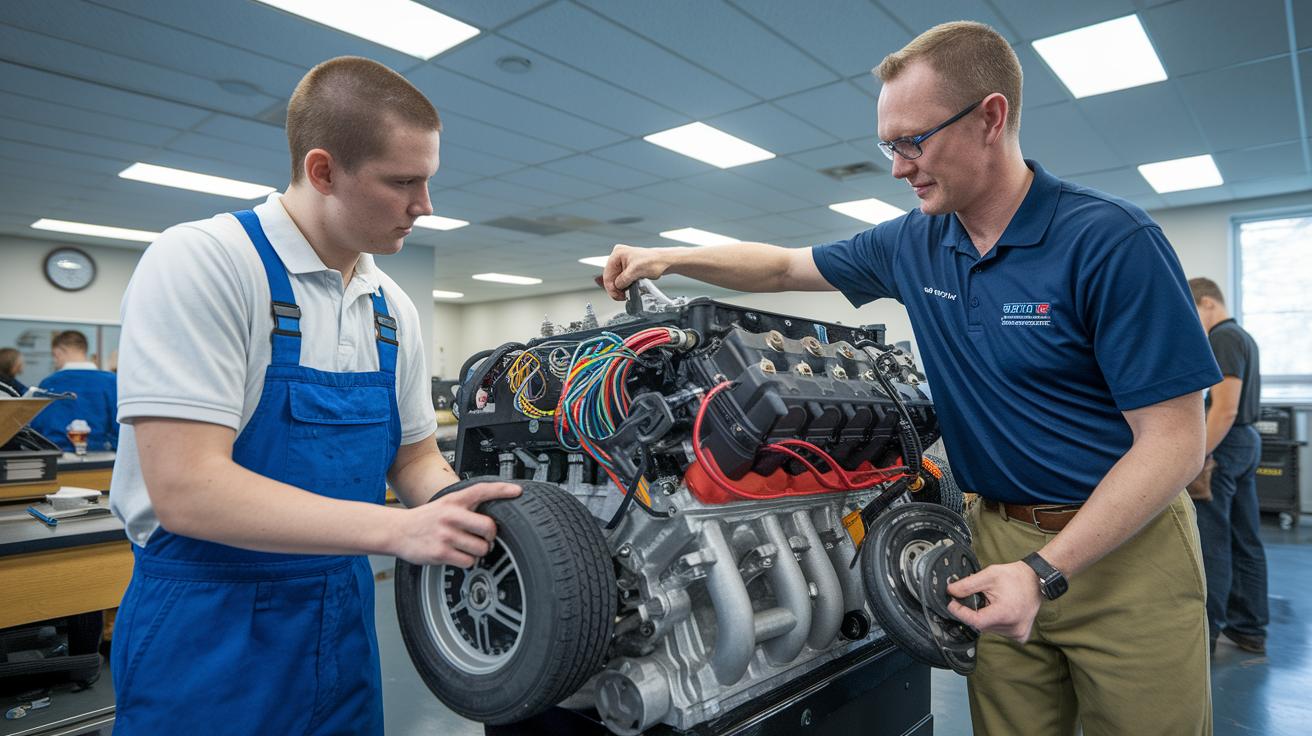
Imagine a workshop where you actually handle engine parts on a live mock-up that mimics real repair work. It’s a fun, practical way to dive deep into how things work. Working with real engine components makes the learning feel real and exciting.
The program also offers a Live Training Season Pass. This pass gives you year-round entry to six in-person events and access to 40 detailed manuals over the course of 12 months. Special events, like Bosch Hybrid/EV tours and the AVI Winter Conference, make sure you get the latest insights into both classic automotive diagnostics and modern electric vehicle tech.
This training is built for everyone, from beginners curious about car repairs to seasoned techs looking for digital automotive learning. It’s all about mixing clear theory with nonstop hands-on practice to boost your skills and confidence.
Auto Tech Training Program Types and Credentials
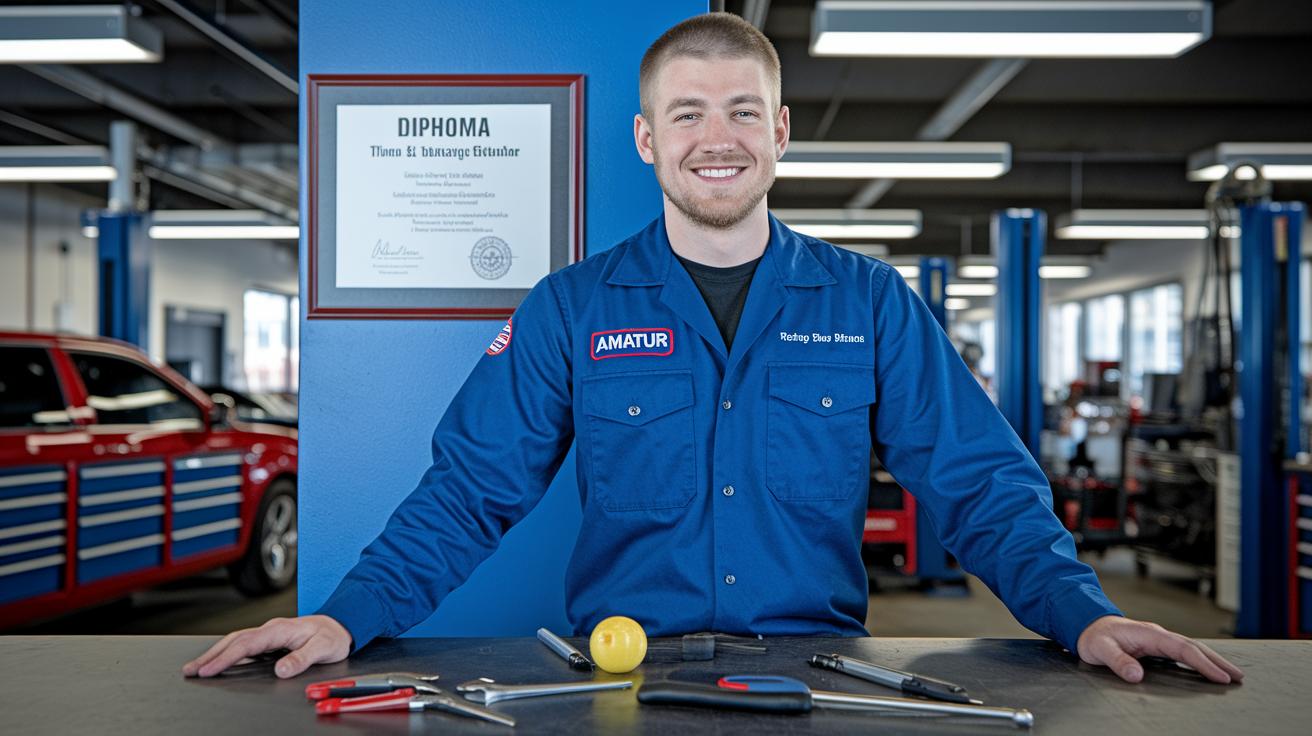
Auto tech training is a great way to sharpen your skills and advance your career. There are different paths you can take. You can go for a quick certificate, a comprehensive diploma, or an apprenticeship that mixes classroom lessons with real shop experience. Certificate programs (lasting about 6 to 12 weeks) build a solid foundation in the basics. Diploma programs (6 to 18 months) dig a bit deeper, teaching you everything from diagnosing problems to repairing and managing modern vehicle systems. Apprenticeships, which span 2 to 4 years, give you a hands-on, real-life learning experience. And if you’re looking for a mix of flexibility and practical learning, the Live Training Season Pass offers 12 months of access along with six live events.
Below is a quick comparison of these course types:
Course
Auto Tech Training Curriculum and Core CompetenciesAuto tech training helps you build real skills by mixing classroom ideas with hands-on work. You learn to diagnose engine quirks and check driveability in easy-to-follow labs that show you how to spot problems quickly. Plus, you'll see how modern cars meet tougher emission rules and handle environmental challenges. Fuel injection and computerized diagnosis are key parts of the course. In practical labs, you get into engine repair and see how sensors and onboard computers work hand-in-hand to keep cars in top shape. The engine performance tuning sessions break down small tweaks that boost power and efficiency, kind of like fine-tuning a favorite guitar to hit the perfect note. There’s also Labscope 1 & 2, where you learn oscilloscope skills. You watch real electronic signals pop up as clear visuals, making it much easier to track down issues. With these tools, even those tricky digital readings become plain as day. And if you're curious about electric power, the hybrid/electric vehicle module explains how modern powertrains operate, paving the way for future digital mechanic classes. Another cool part of the training is heavy-duty air brake certification. It takes you beyond regular repairs, showing you how to work on bigger vehicles with special tools. Real-world repair case studies tie it all together by linking everyday problems with what you learn in class, giving you a sneak peek into life at an actual repair shop. To finish things off, ASE Test Prep sessions mix theory and hands-on labs to boost your troubleshooting know-how. They get you ready to tackle the ASE exam with confidence. Each module builds on the last, making the whole course approachable and effective for today’s fast-changing automotive world. Auto Tech Training Enrollment, Cost, and Duration
Getting into auto tech training is pretty simple. Usually, you’ll need a high school diploma or GED, a valid driver’s license, and just a basic set of hand tools. These basics help you get ready to jump into real, hands-on work and keep your learning experience smooth. Certificate courses last about 6 to 12 weeks. They’re great for a quick skill boost. If you’re looking to invest more time, diploma programs take anywhere from 6 to 18 months and really build up your know-how. And then there are apprenticeships, which mix classroom time with real work in a shop over 2 to 4 years. Workshop fees can range from $300 to $750 per day. This cost covers special tools and valuable instructor help. You might also choose a Live Training Season Pass, which is around $1,200 for a whole year of access. More involved diploma programs can cost anywhere between $2,000 and $5,000. Many training centers offer payment plans and early-bird discounts, making it easier for anyone to get started. So, whether you’re into self-paced repair lessons or full-time studies, auto tech training is well within your reach. Auto Tech Training Delivery Methods: Hands-On Workshops vs Virtual ClassesHands-on workshops drop you right into a real garage setting. You get to work with chassis and engine models for up to five days. Picture yourself in a lab filled with top-notch tools and an expert by your side, showing you each repair step-by-step. It’s almost like having your own mini repair shop where you can touch and feel every part. And with Mobile Mechanic Studies, this hands-on training can even come to your own shop, making it super convenient. Virtual classes, on the other hand, bring the workshop to your computer screen. You tune in for live, instructor-led webinars and work through self-paced repair modules at your own speed. Imagine logging in for a virtual service bootcamp with six live sessions and 40 digital manuals spread out over 12 months. These interactive labs use simulation software to mimic real repairs, so you still get that hands-on feel no matter where you are. For example, think about a friend telling you to try a virtual demo where sensors come alive right on your screen. You immediately see how digital tools can blend with traditional skills. Both options are designed to build your auto tech expertise, letting you choose the training style that fits your schedule and learning preferences perfectly. Auto Tech Training Accreditation and Certification Pathways
Accredited training builds trust and boosts your confidence. With a focus on ASE certification (which checks a mechanic's skills), these programs mix classroom learning with hands-on labs so you can get ready for real-world repairs. Expert teachers share tips on electrical systems, brakes, engine repair, and driveability, linking each topic to everyday challenges. On-site ASE testing lets you take practice exams in an environment similar to the real deal. This helps ease nerves and cements your know-how before test day arrives. Many centers also offer ASE review courses to fine-tune your skills, especially if you’re aiming for certifications like online diagnostics or engine diagnostics. There are specialized programs too, covering heavy-duty air brakes and hybrid or electric vehicle maintenance. These certifications help you learn both classic repair methods and modern vehicle technology. Earning one of these trusted credentials can open doors at dealerships and independent shops, as employers know it marks quality. Finishing these courses not only sharpens your technical skills but also makes you stand out in the competitive auto tech field. Certification is an important milestone on the road to a rewarding career in the auto industry. Auto Tech Training Career Impact and Advanced SpecializationsStarting auto tech training can really open up a world of opportunities. You can quickly find yourself working at car dealerships, small repair shops, fleet maintenance services, or even special EV/hybrid centers. With practical, hands-on training from trusted programs, many of our graduates even see better job placements and earn extra pay because of the useful skills they pick up. Advanced courses take things up a notch. Take the Bosch Hybrid/EV Training Tour, for example. It gives you a peek at the latest in electric vehicle repair techniques, dates are coming soon, so you can plan your schedule. Then, there are engine performance classes running from January 13–17, 2026 that dive deep into boosting power and efficiency. Plus, if you’re curious about heavy-duty air brakes, there are workshops that give you that special edge in the repair field. This training is like a roadmap for a successful repair career. It mixes old-school repair methods with today’s high-tech tools. You learn everything from tracking down oil leaks to using digital gadgets that help diagnose issues (think of it like tuning a piano to find the right note). With both classic techniques and fresh ideas in your toolkit, you’re all set to move forward in your career. Imagine a workshop where every tool is there for a reason, a chance to get up close with both the familiar parts of a regular engine and the cool new stuff in hybrid systems. Whether you're working on heavy-duty air brakes or sharpening your skills in a performance class, you're setting yourself up for a truly satisfying career in auto repair. Final Wordsin the action, this post broke down the world of auto tech training, covering programs, formats, and the hands-on benefits you can expect. We examined everything from online and workshop classes to diplomas and live season passes. The discussion also highlighted enrollment details, cost variations, and how these courses boost career paths with industry credentials. Every section aimed to give you a clear picture so you feel ready to tackle your next step. Keep moving forward, exciting opportunities await in auto tech training. FAQWhat free auto tech training options are available?Free auto tech training options include free online courses with certificates that offer beginner-friendly lessons and basic hands-on tips without charging tuition fees. How can I find auto tech training near me?Finding auto tech training near you involves checking local accredited auto tech schools, which often offer on-site workshops and in-person classes for practical learning. What online auto tech training resources are available?Online auto tech training resources include instructor-led webinars, self-paced modules, and interactive virtual labs that cover basics to advanced diagnostic and repair skills. How much does auto mechanic school cost?Auto mechanic school cost varies, with daily workshops ranging around $300 to comprehensive diploma programs costing up to $5,000 depending on the course type and duration. Where can I access an auto mechanic course PDF?Auto mechanic course PDFs are typically available through training institutions as part of their course materials, offering detailed guides and study tools for at-home review. Which online automotive courses rank among the best?The best online automotive courses combine updated curriculums, live instructor demos, and practical repair sessions, providing a solid mix of theory and hands-on learning. How do I become a certified automotive tech?Becoming a certified automotive tech means completing an accredited training program, taking ASE test prep sessions, and passing certification exams recognized nationwide by employers. How can I teach myself to be an auto mechanic?Teaching yourself to be an auto mechanic involves using a mix of online courses, hands-on practice, and detailed study guides that offer real-world repair examples and step-by-step tutorials. Who is the highest paid auto technician?The highest paid auto technician is usually one with advanced certifications and specialized skills in high-demand areas like electric vehicle and heavy-duty system repairs. How long is automotive technician school?Automotive technician school varies in length, with certificate courses taking 6–12 weeks, diploma programs lasting 6–18 months, and apprenticeships generally lasting 2–4 years. |
|---|