
Ever thought about getting into a car repair career really fast? Auto tech schools mix hands-on work with classroom lessons so you can learn to fix engines and brakes in just a few months. They open doors to jobs like repair specialist or service technician. Instead of spending four years in college, you start earning while you learn. You build skills that lead to a bright future in automotive care. This quick and smart path is changing the way new talent enters the car world.
auto tech schools Spark Bright Futures
Auto tech schools are a great way to jump into the world of car care. You get to mix hands-on work with classroom lessons, so you learn how to inspect, service, and maintain vehicles in a real-world setting. Programs usually run for 6 to 12 months, which means you quickly get your hands dirty, whether you're working on engines, brake systems, or other car parts.
These schools are designed to fit every kind of learner. They prepare you for jobs like service technician, repair specialist, or even shop manager. On average, you could earn around $44,050, making it a smart choice if you want to break into the automotive field without spending four years in college.
- Certificate program
- Associate degree
- Online course
- Accelerated bootcamp
- ASE prep
Once you finish an auto tech program, career opportunities start rolling in. Graduates often land entry-level roles at service centers, dealerships, or independent repair shops. With the practical skills and focused training you gain, you'll be well on your way to a lively and growing career in the automotive industry.
Curriculum and Course Offerings in Auto Tech Schools
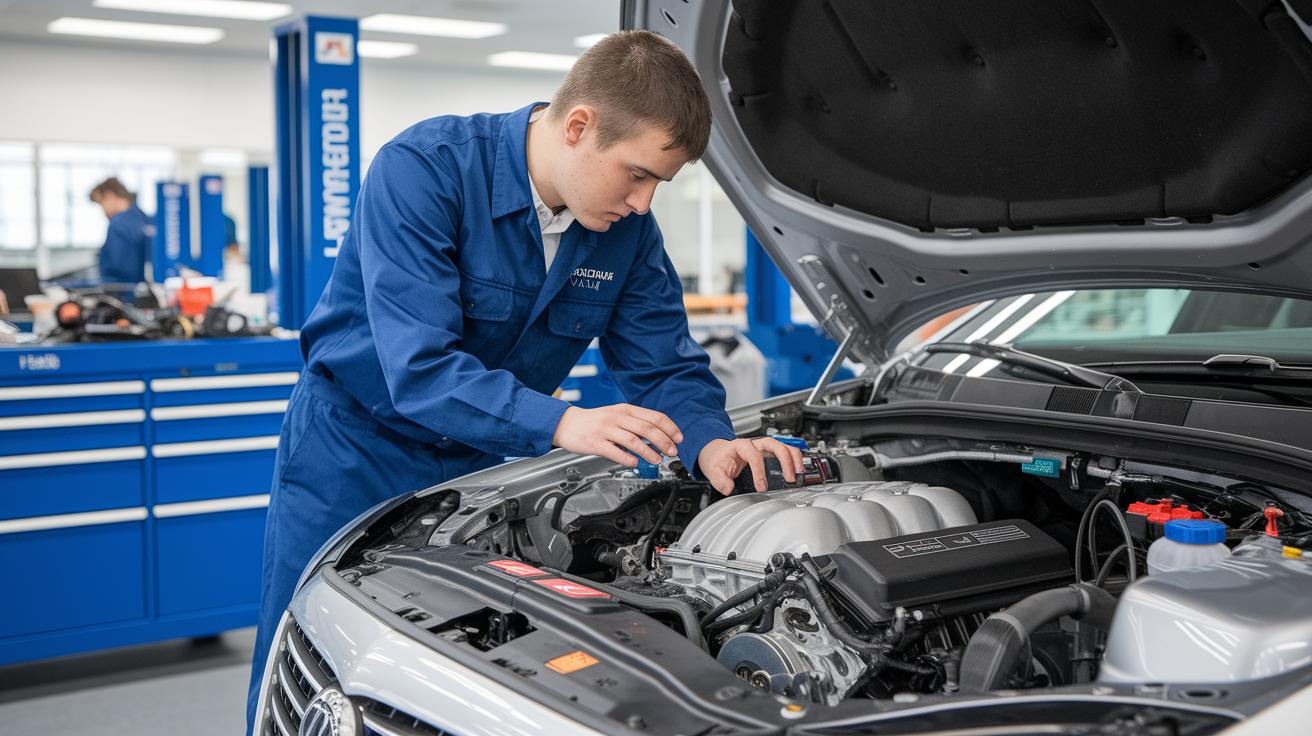
Auto tech schools offer a mix of hands-on courses that prepare you for day-to-day repairs and even advanced troubleshooting. These programs cover everything from engine work and brake repairs to electrical systems, air conditioning, and steering setups. In the labs, you get to work on real car systems, just like you would on the job. For all the details, check out the full catalog here: auto tech courses.
Core Mechanical Courses:
These classes are the building blocks for every mechanic’s skills. You learn how to inspect engines, fix brakes, and manage basic electrical tasks with clear, step-by-step lessons. The learning is very hands-on, so you are working in real-life repair settings that can boost your confidence. It’s similar to learning how to ride a bike, you start with the basics and gradually get faster.
Diagnostic and EV Training:
These special classes gear you up for the future of auto repair. They cover electric and hybrid vehicle maintenance, where you use computer tools to figure out tricky car issues. You practice on simulated models that look and feel like modern rides. This training makes sure you’re not just good at traditional repairs but are also ready to handle new tech trends in the vehicle world.
| Course | Duration | Key Skills |
|---|---|---|
| Engine Repair Certificate | 6 months | Engine diagnostics, repair fundamentals |
| Brake Systems Specialist | 4 months | Brake repair, system maintenance |
| Electrical Systems Technology | 6 months | Vehicle electronics, troubleshooting |
| Hybrid & EV Technician | 8 months | EV systems, advanced diagnostics |
| Auto Diagnostics Bootcamp | 3 months | Hands-on labs, computerized tools |
Accreditation and Certification in Auto Tech Schools
Accredited auto tech schools set a high standard for training. They’re checked over by well-known agencies that look at the classes, tools, and teaching experience. This helps ensure you get hands-on, trusted instruction. Plus, programs with accreditation from groups like ACCSC often unlock grants, scholarships, and other financial help.
ASE Certification Prep:
The pathway to ASE certification isn’t a walk in the park. Students need to pass tough A Series tests while also having solid, real-world shop experience. Many schools offer special courses that break down each exam into bite-size parts. These classes mimic real-life fixes and cover key areas, so you feel ready and confident on test day.
Choosing an accredited program means you get top-notch training that potential employers trust. You earn a valuable credential that smooths your way into a rewarding auto repair career, giving you a boost in job opportunities and pay.
Facilities and Industry Partnerships at Auto Tech Schools

Auto tech schools have big, open labs that feel just like real repair shops. Take Lincoln Tech Denver, for example. They have nearly 212,000 square feet of combined classroom and workshop space where every tool and machine seems ready to jump into action. In these practical settings, students work with the latest equipment, getting their hands on both everyday fixes and high-tech repairs.
Tesla EV Training Program:
One cool feature at many schools is the Tesla EV training program. This course covers over 5,000 square feet packed with manufacturer-provided vehicles, up-to-date tools, and charging stations. Plus, students earn an hourly stipend while they learn. It really feels like stepping into a true electric vehicle shop where you get to work with the same gear that Tesla uses. It's a hands-on experience that prepares you for a fast-changing auto tech world.
Collision Repair and Manufacturer Training:
Some schools have teamed up with big names like Peterbilt and Republic Services to offer specialized collision repair training. In these sessions, you work with the kind of equipment used in real collision repairs and learn the methods that meet manufacturer standards. The practice sessions mimic real-life repair scenarios, making it easier to understand the proper ways to fix damages.
Industry partnerships are key in moving students from classroom training to actual job roles. For instance, collaborations with companies like Johnson Controls bring advanced electrical systems into the learning mix. This means students not only get solid hands-on training but also a better chance at snagging great jobs in the auto repair industry.
Admissions, Tuition, and Financial Aid at Auto Tech Schools
Auto tech schools usually welcome many students with flexible entry rules. You may only need basic reading skills, math know-how, and sometimes a bit of hands-on knack for auto repair. Plus, you must have a high school diploma or GED. Some schools might also ask to see proof that you've finished certain prep courses or workshops. And many offer rolling admissions, which means you can apply at different times during the year.
Tuition costs can really vary too, often ranging from $5,000 to $25,000. It pays to plan ahead and check with each school about their deadlines and what kind of support they offer.
| Financial Aid Type | Eligibility | Amount |
|---|---|---|
| Pell Grants | U.S. citizens meeting financial need | Varies by federal guidelines |
| Scholarships | Students with academic or vocation-driven merit | $1,000 – $10,000 |
| Employer Sponsorship | Individuals employed in related fields | Partial to full tuition |
So, be sure to mark those key dates on your calendar and get your applications in well in advance. Also, consider checking out local community centers for free auto repair classes. These can help you boost your skills and strengthen your financial aid applications.
Career Pathways through Auto Tech Schools

If you're wrapping up auto tech school, a bright future in the automotive world is waiting for you. Lots of grads jump into hands-on roles like ASE-certified technicians, diagnostic specialists (that’s someone who figures out what’s wrong with a car), or even shop managers. These jobs not only let you work directly with vehicles but also offer solid pay, imagine earning around $44,050 a year on average. Every lab and project you tackle now is like collecting new keys for your toolbox, unlocking fresh career doors.
Internships play a huge part in these programs. More than 75% of students land real-world work at auto repair shops while still in school. One student even shared, "I landed an internship that turned into a full-time position even before I graduated." It’s clear that getting a taste of real job challenges early on builds both the confidence and the skills you need to thrive.
To top it off, career services are there to keep you on track after graduation. Schools offer resume workshops, interview coaching, and job fairs to help you connect with top local employers. With support like mock interviews and networking events, you'll be all set to jump straight into the workforce. Plus, handy resources like auto tech jobs give you a quick guide to start your journey from classroom learning to a bustling auto repair career.
State-Specific Auto Tech Training Programs
If you’re diving into auto tech training, starting with state-approved institutions is a smart move. Many states share lists of programs that meet local and industry standards, making it easy to find the right course for you. Check your state’s education website or local vocational center to get the lowdown on certified auto tech programs. This approach ensures that you choose a program recognized by local employers and built to strict quality benchmarks.
Across the country, state-specific programs really help boost local talent. For example, in California, the Chancellor’s Office features over 50 colleges offering certified auto tech courses. Over in Colorado, they grant state-issued vocational certificates for skilled trades. Many community colleges team up with local businesses to offer training that fits what employers need. Always double-check certifications and local reviews so you’re sure your education will give you the hands-on skills you need for a successful career.
Student Reviews and Success in Auto Tech Schools

Recent surveys show almost 85% of auto tech school graduates land jobs within six months. Students love the labs that feel just like a real repair shop and appreciate the small class sizes where every question gets answered. These stats prove the programs do a great job getting students ready for work and that employers trust the skills they learn.
Alumni often share that supportive teachers and helpful career services really count. They point out that hands-on learning builds confidence and prepares them for real-life challenges. One student said, "The friendly classroom vibe and personal coaching got me ready to tackle repairs head-on." These stories show that it's not just about technical skills; the strong network provided by these schools makes a big difference.
Final Words
In the action, we broke down auto tech schools by exploring everything from hands-on curriculum and certification routes to state-specific programs and industry partnerships. We looked at course offerings, financing options, and real student success stories that highlight both technical skill and genuine passion. Each section offers insights to help you weigh career paths, training facilities, and job placements. Enjoy the ride as you discover auto tech schools, and feel confident stepping into an exciting future in automotive innovation.
FAQ
Where can I find auto tech schools near me, including locations like California, Texas or online options?
Auto tech schools are available across various regions. Whether you’re in California, Texas or prefer online programs, many schools offer flexible options for hands-on training and career-focused instruction.
What are some well-known or highly recommended auto tech schools?
Well-known schools include Universal Technical Institute, Penn Foster College, Ashworth College, New England Institute of Technology, St. Petersburg College, and Purdue University. Many students pick these for their strong reputations and quality training.
What is the typical automotive technician salary and which roles pay the most?
The automotive technician salary typically averages around $44,000 annually. Technicians with ASE certification or specialized diagnostic skills often earn the highest wages in busy repair shops or dealerships.
What is the average cost of auto mechanic school?
The cost of auto mechanic school can vary between roughly $5,000 to $25,000. This range depends on the program type, location, and duration, with financial aid options sometimes available to offset expenses.
Is automotive tech school worth it for a long-term career?
Automotive tech school is worth it for many because it provides hands-on training and job placement support. Graduates gain practical skills that lead to rewarding careers in service repairs and technical diagnostics.
How long does it take to complete an automotive technician school program?
Most automotive technician programs take about 6 to 12 months. This timeframe lets students develop essential skills and get ready for entry-level positions in auto repair and maintenance.