
Ever thought a good book might kickstart your car repair journey? Car manuals have totally redefined how we dive into learning about engines, brakes, and all that auto magic. This collection of auto tech books is packed with handy tips and real-world tricks that work for both newbies and seasoned DIYers.
With easy-to-follow diagrams and step-by-step guides, fixing your car becomes a fun project rather than a chore. Ready to explore, repair, and hit the road with confidence? Keep reading as we spotlight some great titles that will help turbocharge your automotive know-how.
Essential Guides in the Auto Tech Book Landscape
Here we shine a light on six must-read auto tech books made especially for newcomers and self-taught mechanics. Take "How Cars Work" for example. It breaks down 250 car parts with clear pictures in less than 100 pages. And then there’s "Auto Repair For Dummies" which shows you basic tasks like oil changes and filter swaps with simple, step-by-step visuals. If you're ready for a deeper dive, "Auto Fundamentals" explains how car systems work, while "Auto Body Repair Technology" goes from easy fixes to more advanced bodywork. For technical students, "Automotive Technology: Principles, Diagnosis, and Service" offers a solid overview, and "Automotive Engines: Diagnosis, Repair, Rebuilding" mixes lessons with real case stories to give you practical understanding.
The collection doesn’t stop at just these six titles. There are more than 350 auto tech books covering everything from chassis setups and suspension details to engine building and LS engine swaps. You can also find books on transmissions, diagnostics, and even special topics like hot rods and classic restorations. This huge library makes sure that everyone, from weekend hobbyists to seasoned professionals, can find a book that matches their pace and interest.
Choosing the best series means picking a book that fits where you are in your journey. If you’re just getting started, look for guides that build your basic mechanic skills. Experienced readers might want books that explore advanced techniques. To keep improving your skills, you can also check out organized learning paths through auto tech courses at https://thecivics.com?p=237.
In-depth Mechanics and Repair Manuals in Auto Tech Books

Car repair handbooks lay out how different parts of your vehicle work in clear, simple terms. They explain things like the engine, brakes, suspension, and fuel system in a way that everyone can understand. For example, you might come across a fact that, in the old days, mechanics used the sound and feel of an engine to spot problems. This neat comparison shows you how methods have changed and helps both hobbyists and pros see how each part impacts overall performance.
Each guide digs deep into the car’s heart. One standout book, Automotive Engines: Diagnosis, Repair, Rebuilding, breaks down how an engine works by walking you through cycles, showing you exact tolerances, and guiding you through rebuilding steps one by one. Transmission manuals outline how gears line up, share the right torque specs, and explain how hydraulic systems work. Suspension guides also get into the details by covering service times for shock absorbers and how to figure out spring rates. Parts identification manuals even include detailed exploded diagrams to help you understand complex components like pistons, camshafts, and timing chains.
Choosing the right manual is all about what you need to learn. Whether you’re after a basic guide to car systems or a detailed parts manual full of visuals, these repair manuals offer the clear and hands-on information needed to boost your repair skills.
Electronic Systems and Diagnostics in Auto Tech Books
Auto tech books break down electronic diagnostics in a way that feels like chatting with a seasoned mechanic. They explain things like OBD-II protocols (that tech which lets your car send data to a computer), reading sensor signals, and fixing fault codes. It’s clear and simple, so you can really understand how your car keeps its engine on track. Plus, they use everyday language to guide you through wiring plans and digital circuitry sketches, which is great if you learn best by seeing things.
They also dive into emission controls with easy-to-follow chapters on how catalytic converters clean up exhaust, what EGR valves do, and how onboard diagnostics work. Circuit diagrams for electronic control units (ECUs) and wiring harness layouts are simplified, along with clear looks at dashboard instruments. Whether you’re just getting started or you’ve been around the block a few times in auto repair, these books turn tough topics into bite-size lessons.
The guides even touch on hybrid vehicle tricks and offer straightforward electric maintenance tips. One section shows how hybrid drives blend electric power with traditional engine power using real-world examples that feel almost like a test drive. With detailed troubleshooting exercises and plenty of illustrations, you get a practical feel for reading sensor signals and spotting issues. In short, these resources break down complex ideas into easy, hands-on steps that make learning about car electronics a fun ride.
Specialized Auto Tech Books for Advanced Vehicle Maintenance

These advanced auto tech books are made to help car experts tackle high-performance rides with clear, step-by-step tips. Take the CarTech Performance Series, for example, it gives you easy-to-follow instructions for rebuilding engines and fine-tuning repair methods. The guides break down important torque numbers (the force that helps a car accelerate) for multi-link suspensions so that every little tweak to a shock absorber or spring rate leads to peak performance. One guide even walks you through calibrating an ABS module; think of it as tuning your brakes to work like a finely tuned instrument.
Transmission repair guides cover all the tricky parts, like taking things apart, replacing clutch packs, and adjusting valve bodies. Suspension system manuals show you how to calculate spring rates and handle shock absorber upkeep, which is essential when you're working on a custom chassis. Meanwhile, restoration books give you hands-on advice for metal work, getting paint just right, and matching original factory specs, making them a must-have for anyone restoring a classic car.
| Book Title | Focus Area |
|---|---|
| CarTech Performance Series | Engine rebuilding & performance tuning |
| Restoration Manual | Bodywork & frame restoration |
| Transmission Overhaul Guide | Clutch pack & valve body procedures |
| Brake System Diagnostics | ABS calibration & fluid analysis |
Ideal Auto Tech Book Picks for Beginners and Self-Learners
If you're just starting out in auto tech, you'll appreciate guides that mix clear words with real practice you can do. Instead of repeating titles from the Essential Guides, this list offers fresh tools that bring theory to life with hands-on activities.
-
Mechanic Skills Workbook: Work through exercises that let you mimic common repairs. For instance, try matching part diagrams with repair tasks to sharpen your skills.
-
Hands-On Auto Repair Illustrated: Enjoy clear pictures and practical lessons that help you learn by doing. Imagine following a step-by-step guide on changing a tire while building your confidence.
-
OEM Service Repair Manuals: Find model-specific procedures and torque specs (which tell you how tight to secure a bolt) that guide you through precision repairs. Think of it as a detailed checklist for every step, especially when working on your brakes.
-
Interactive Car Maintenance Manual: Read along, then test your new know-how with fun quizzes and projects. Picture finishing a chapter and taking a quick quiz to see what you learned.
Mix these guides with hands-on sessions, like the ones offered at auto tech schools, and you'll build strong, lasting skills through active learning.
How to Select an Auto Tech Book: Editions, Reviews, and Credentials
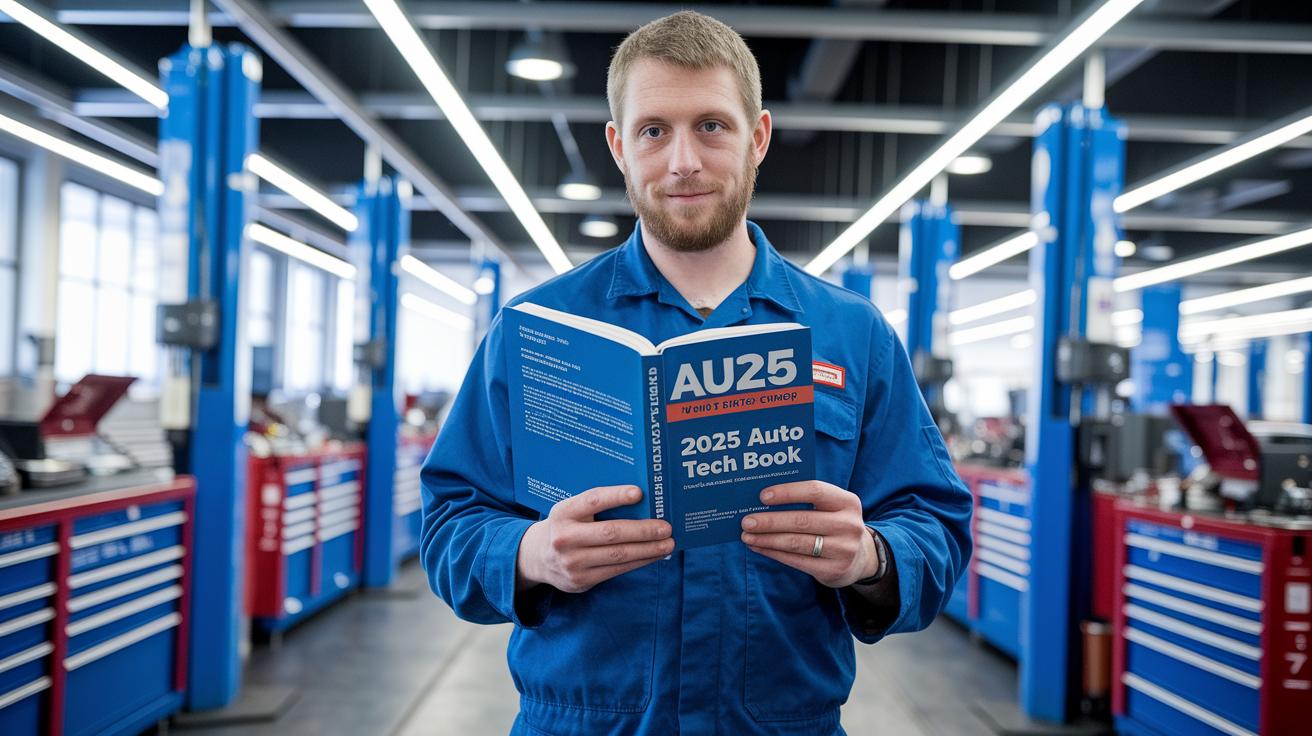
When you're looking for a new auto tech book, grab one with the latest 2025 edition. That way, you'll get up-to-date OBD-II updates (which help you understand how your car talks to its computer) and details on current models. Check if the authors have ASE certifications or instructor credentials you can trust. Names like Jack Erjavec and Rob Thompson often signal reliable, system-based advice. It’s like knowing your mechanic has all the right tools before starting a tune-up. A certified guide like this makes sure you’re getting accurate, up-to-date info for today’s roads.
Next, take a close look at what other readers say. Do they praise the clear diagrams and easy-to-follow explanations? See if the book includes hands-on exercises that turn tricky repair theories into skills you can actually use. Many auto tech books are designed for both DIY enthusiasts and shop professionals. You might even have to decide between a handy PDF you can take on your tablet or a sturdy hardcover you can mark up. Thinking about how you'll use the book in your everyday life can help you pick one that fits your learning style perfectly.
Accessing and Purchasing Auto Tech Book Resources
Auto tech books come in lots of formats so you can learn the way that suits you best. You have options like downloadable PDFs, e-books, or even traditional print editions. Often, these books offer sample chapters so you can get a feel for the layout and content before committing. You can grab these materials from major retailers, specialized publishers, or through technical library subscriptions. This range of choices makes it super easy to find an online guide for auto repair or a downloadable vehicle manual that meets your needs.
Take CarTech volumes, for example. You can call in or fill out a web form during business hours (from 8:00 a.m. to 4:30 p.m. CST) to order them. Plus, some open-access platforms also offer free digital auto texts, giving you handy resources and auto tech PDFs right at your fingertips. So, whether you're into digital formats or you prefer the feel of print, there's always a resource ready to boost your auto learning journey.
Final Words
In the action, this article walked through a range of auto tech book resources. We covered guides on essential mechanics, detailed repair manuals, electronic diagnostics, and specialized maintenance.
We also highlighted beginner-friendly picks and tips for selecting the right edition.
Every section offers practical insights to boost your car care confidence. Keep exploring these auto tech book tools and enjoy every drive with renewed knowledge and a smile.
FAQ
What is an auto tech book PDF and can it be downloaded for free?
The auto tech book PDF is a digital version of an automotive repair and maintenance manual. Some sites offer free downloads, providing ready access to essential automotive knowledge at no cost.
What is Automotive Technology: A Systems Approach, 8th Edition?
Automotive Technology: A Systems Approach, 8th Edition is a comprehensive guide that explains vehicle systems in detail. It uses clear diagrams and step-by-step explanations to help readers understand modern auto technology.
Where can I find automotive textbooks in PDF format?
Automotive textbooks in PDF format offer digital access to a range of vehicle repair and maintenance topics. These resources let readers study on any device, making them ideal for self-paced learning.
What is the best auto tech book for beginners?
The best auto tech book for beginners features clear illustrations and simple instructions to explain basic automotive systems. It breaks down parts and processes so that even a novice can start working on car repairs confidently.
What is the 30-60-90 rule for cars?
The 30-60-90 rule for cars often refers to using the properties of a 30-60-90 triangle to calculate certain angles in vehicle components. This guideline helps ensure parts are aligned correctly during assembly or repair.
What are the 4 C’s of auto repair?
The 4 C’s of auto repair highlight factors to consider for quality service: cost transparency, convenience in scheduling, competent repairs, and clear communication between the technician and the customer.
What are the 3 C’s in mechanics?
The 3 C’s in mechanics generally focus on evaluating a vehicle’s condition, verifying calibration of key systems, and ensuring consistency in performance. These checks help pinpoint issues early in the repair process.
What’s the hardest thing to fix as a mechanic?
The hardest thing for a mechanic to fix is often intermittent electrical or computer system problems. These issues are challenging because they can be erratic and require specialized tools and expert diagnostic skills.