
Ever wonder how your car always seems to get back in action exactly when you need it? Skilled auto techs aren’t just your average mechanics. They combine hands-on know-how with modern tools to fix tricky issues quickly.
They work a lot like detectives, looking for hidden problems before they turn into bigger headaches. Their training and fast thinking keep your ride running smoothly and safely. It’s like having a friend who always knows the right fix when something seems off.
Think of these experts as your go-to team in today’s fast-changing auto world. Their high-level skills and smart techniques mean you spend less time worrying and more time enjoying the drive.
Core Competencies of a Professional Auto Tech
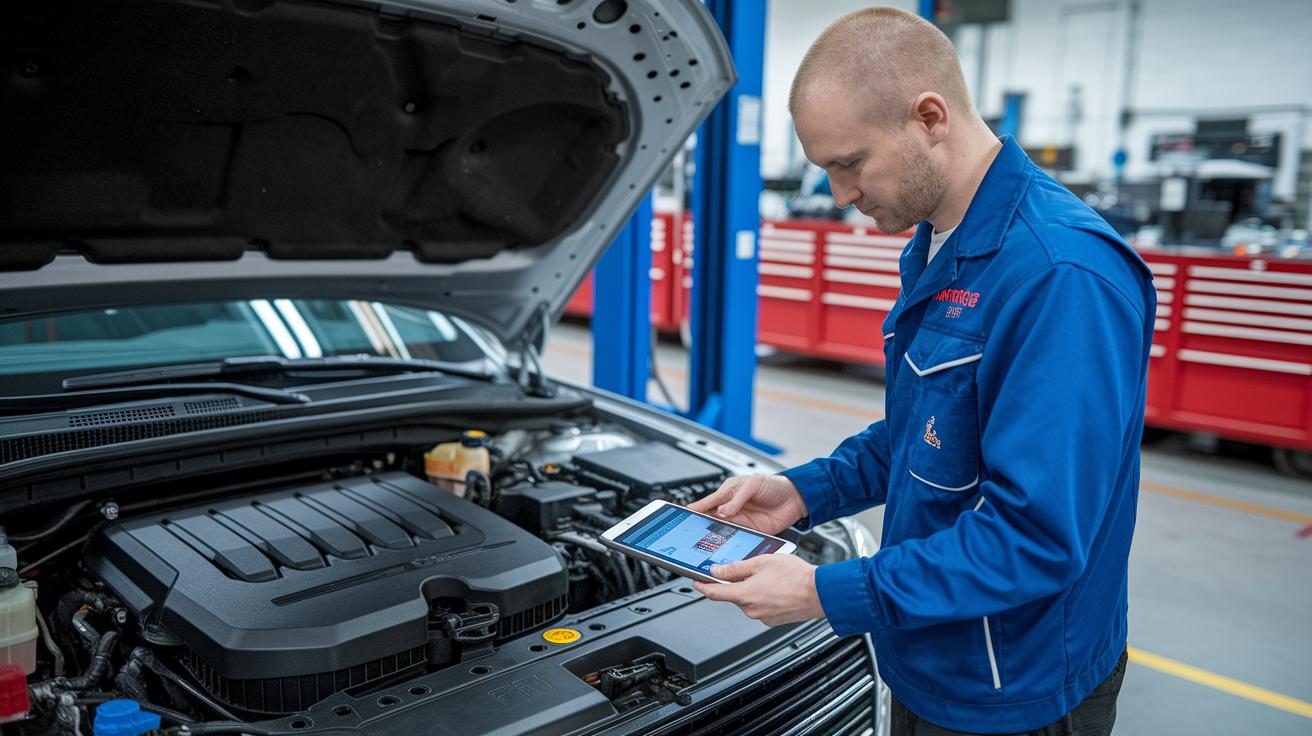
Professional auto techs shine by mixing hands-on skills with modern technology. They work like detectives, using computerized tools that almost seem to have a sixth sense when it comes to spotting problems. For example, many techs start by training with advanced scan modules that help them quickly find car troubles.
They’re masters of mechanical repairs, from swapping worn-out parts to making sure every bolt is tightened just right. They know how different systems in a car work together so it runs smoothly. They also learn electrical troubleshooting, which can be as simple as checking wiring or as detailed as using a digital multimeter (a tool that measures voltage and current) to get to the bottom of an issue. Taking these tasks step by step helps them spot problems fast.
Safety is a must for every auto tech. They follow strict guidelines to keep both the car and everyone around safe. Plus, they explain repairs in simple language so car owners can easily understand why, say, an oil change or a repair is needed.
They also use modern software to log repairs and track how the car is doing over time. By combining practical repair skills with smart tech tools and clear communication, a professional auto tech builds a solid foundation for a thriving career.
Certification and Accreditation for Professional Auto Tech

Professional auto techs build their skills with formal certifications that show they know their work. Many techs choose to earn certificates from trusted brands like General Motors, Cummins, Daimler Trucks, BMW Motorrad, and NASCAR Technology & Motorsports. These respected credentials stick to standards that ensure repair jobs stay consistent no matter where you go.
The training starts with hands-on modules mixed with classroom lessons. Accredited technician programs focus on real-life repair situations, giving students a clear roadmap for a mechanics career. In these courses, you’ll practice engine diagnostics, work on electrical troubleshooting, and even learn how to communicate clearly with customers. You also get to handle modern computerized tools that help spot problems fast.
There’s even a vehicle repair specialist course that outlines everything you need to meet industry benchmarks. These training programs set a solid knowledge base so techs can confidently diagnose and fix vehicles. One tech shared, "Earning these credentials boosted my credibility and opened new opportunities." Certification not only proves your skills but also builds trust with customers who depend on quality service.
By getting these credentials, technicians gain a real edge in a field where precision matters. This recognition fuels career growth and shows everyone that you’re serious about your craft.
Professional Auto Tech Training Programs and Curriculum
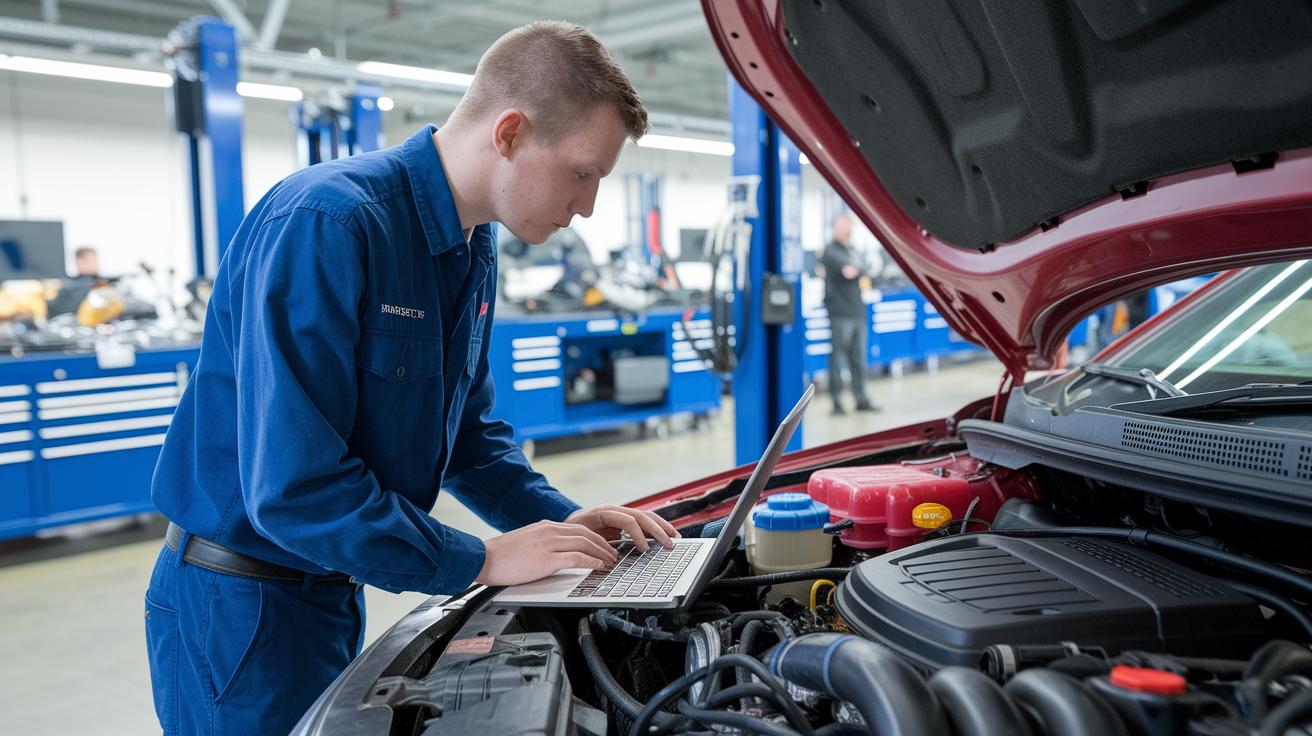
If you’re thinking about a career as an auto tech, these training programs have you covered with both classroom lessons and real-life, hands-on experience. You can check out Auto Tech Schools for detailed program listings that mix theory with lots of practical work, from engine diagnostics to electrical systems, diesel repair, collision fix-ups, marine service, and HVACR maintenance.
These programs feel a lot like a busy vehicle maintenance hub where learning meets doing. You might be working with the latest tools, reading digital schematics, and using modern computerized diagnostic equipment. In a repair course, you could start by checking torque values with a pneumatic impact wrench and then use advanced scan tools to spot problems. It’s a cool way to bridge what you learn from books with what happens in a real garage.
On top of that, there are advanced electives in robotics, automation, PLC programming, and non-destructive testing. These classes prepare you for tomorrow’s challenges with practical skills you can really use. With a complete motor repair curriculum, you work on real components and systems, making sure you’re ready for real-world conditions. And if you’re wondering where these programs are, they’re available in many places: Avondale and Phoenix in Arizona; Long Beach, Rancho Cucamonga, and Sacramento in California; Miramar and Orlando in Florida; Lisle in Illinois; Canton in Michigan; Bloomfield in New Jersey; Mooresville in North Carolina; Exton in Pennsylvania; and Austin, Dallas, and Houston in Texas.
The workshop-style training builds your confidence while keeping automotive certification standards high.
| Hands-on Experience | What You Learn |
|---|---|
| Engine work | Real-time engine diagnostics |
| Electrical systems | Using advanced diagnostic tools |
| Advanced electives | Robotics, automation, and more |
| Nationwide reach | Programs in major cities |
Each course is designed to get you ready for the fast-paced world of auto repair. You learn the steps, get your hands dirty, and build a solid base for a rewarding career in the automotive field.
Advanced Diagnostics and Troubleshooting Techniques for Professional Auto Tech
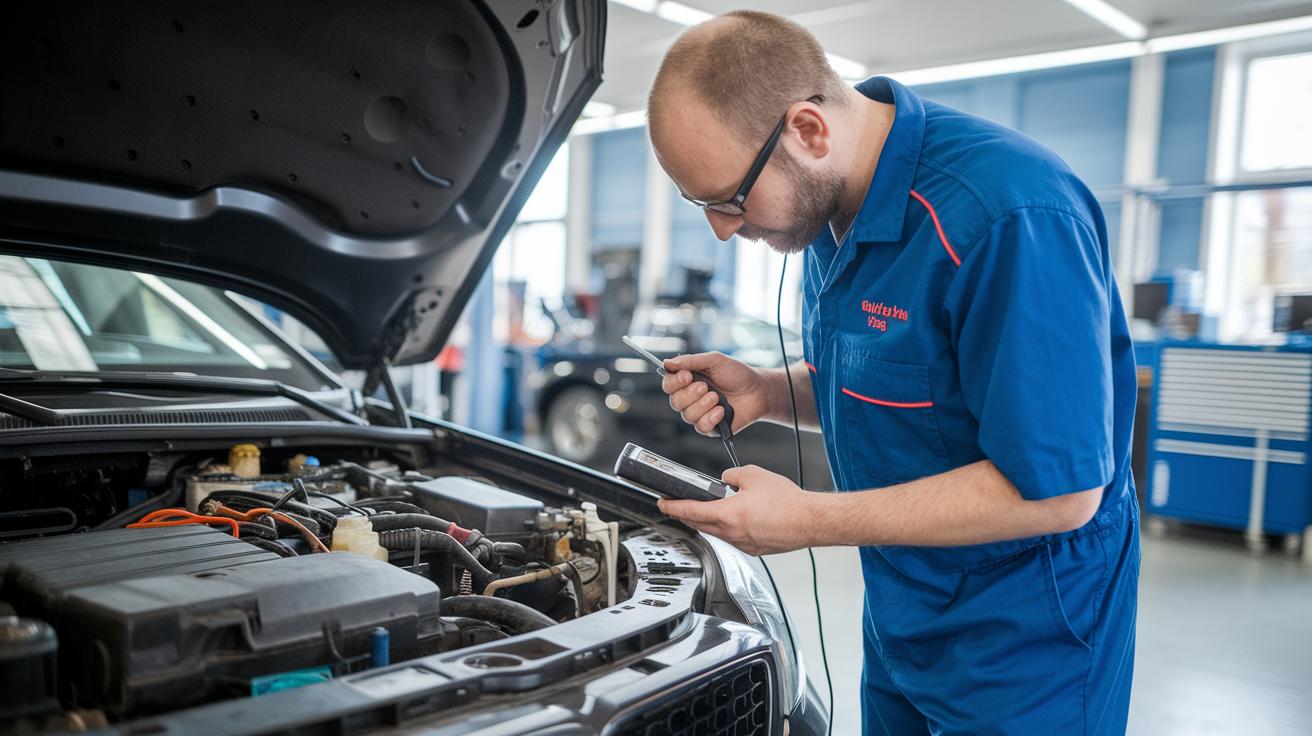
Auto tech pros are boosting their skills with new ways to diagnose car issues quickly and accurately. They use tools like fault-code readers and oscilloscopes, a handy tool that shows electrical signals, to find problems hiding deep inside a vehicle. One technician even said, "I once pinpointed an electrical fault with just an OBD-II scan and an oscilloscope." It’s pretty amazing what these modern tools can do.
Service techs now use computer programs to adjust sensors, reset modules, and double-check repairs. They follow clear, step-by-step methods using OBD-II data so every error gets fixed fast. For example, they start by plugging the scan tool into the car’s diagnostics port. Then, the tool shows error codes like “Sensor malfunction detected,” which clearly points to the next repair step.
This smart approach not only makes repairs more exact but also speeds up every session. By quickly telling whether a problem is electrical or mechanical, these techniques boost the techs’ troubleshooting skills. It all adds up to better customer service and higher safety standards on the road.
Essential Tools and Equipment for Professional Auto Tech
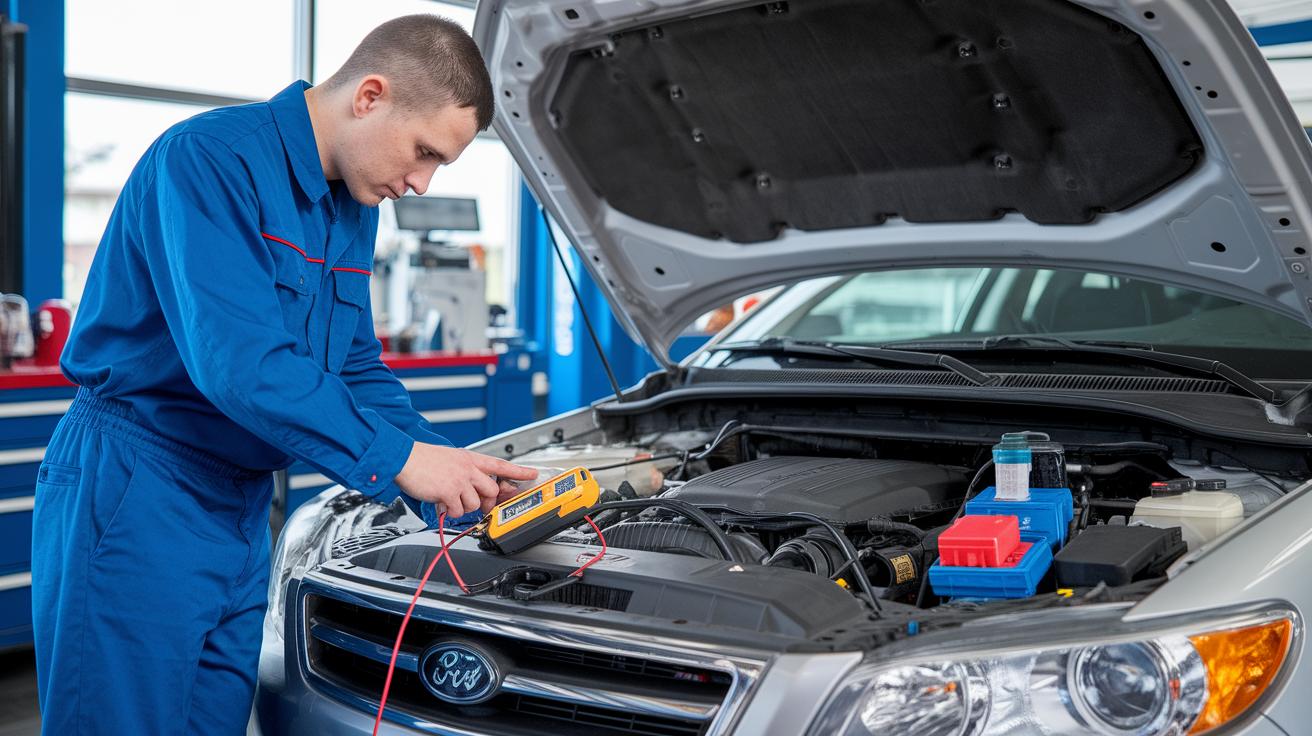
When you’re tackling precise repairs, having the right tools is key. For example, using an OBD-II scanner (a gadget that reads error codes) lets a tech quickly spot issues and ease the diagnosis. Another must-have is a digital multimeter, which measures voltage and current so you can pinpoint electrical hiccups like a weak battery or failing sensor.
Torque wrenches are also vital. They tighten parts to exactly what the manufacturer recommends so nothing ends up too loose or too tight. And when bolts need extra muscle, a pneumatic impact wrench makes short work of them during heavy repairs. Plus, scan-tool software teams up with these devices, offering real-time feedback that cuts out guesswork.
Many repair shops now add computerized calibration stations and mobile diagnostic tablets to their routine. This modern setup not only saves time but also brings consistency to every fix. Tools like these show just how important quality gear is for anyone in the auto tech trade.
Key items include:
- OBD-II code scanners
- Digital multimeters
- Torque wrenches
- Pneumatic impact wrenches
- Scan-tool software suites
For a modern example of how data integration is changing repairs, check out Digital tire performance analytics.
Career Development and Growth Strategies for Professional Auto Tech
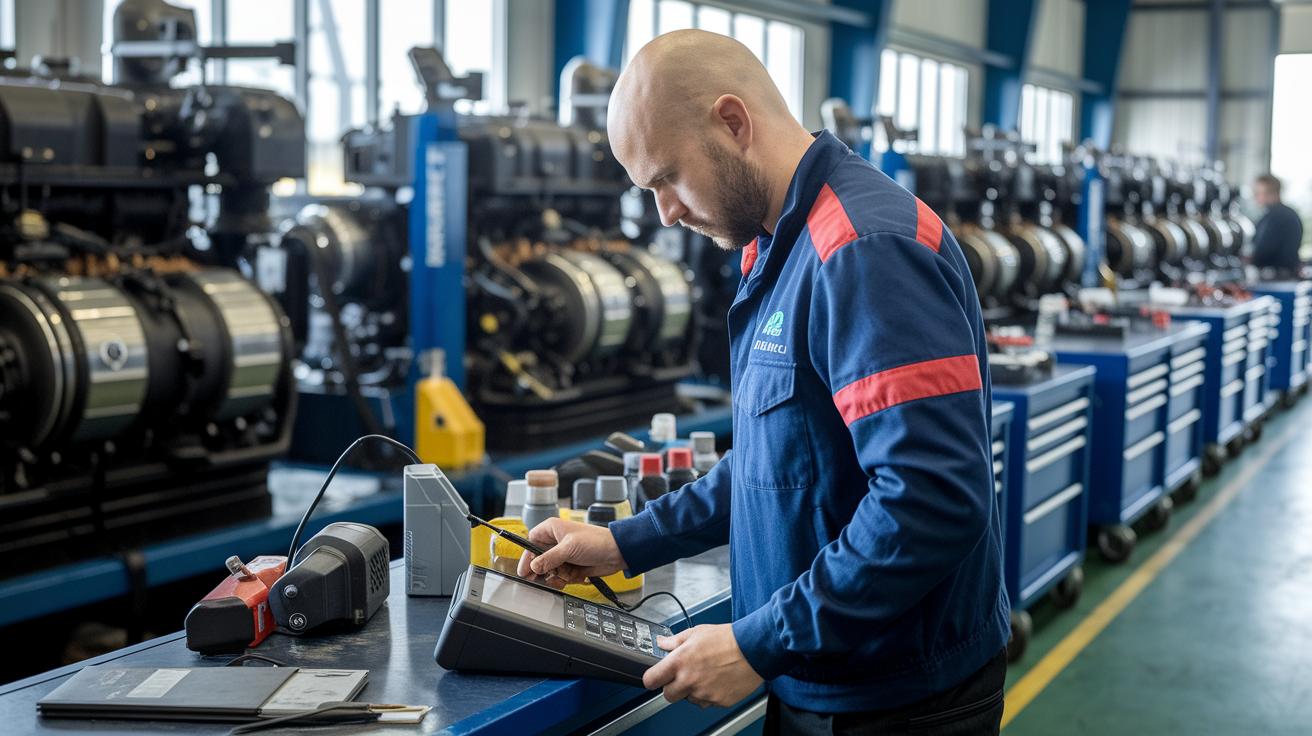
Building a successful career as an auto tech is about more than fixing cars. It's about shaping your own story and standing out professionally. Imagine saying, "I solved a tough transmission problem using computerized diagnostic tools in record time." That kind of personal touch really shows you can handle pressure and know your stuff.
Auto techs in diesel, heavy equipment, marine, or general repairs follow different career paths and pay scales. A career blueprint can help you see the many roads you can take. When you work on your resume and cover letter, highlight hands-on training, special certifications, and experience with advanced diagnostic tools. This makes your skills crystal clear to potential employers.
Job hunting gets easier when you know local trends and growth areas. A tech might mention, "My continued education in an accredited technician program has really boosted my market edge." For more opportunities and insights, check out the Auto Tech Jobs page.
Key areas for professional growth include:
- Keeping your skills fresh with ongoing training and education
- Attending workshops to learn about the latest tools and tech
- Using resources from vehicle maintenance education hubs
Local career centers and trade schools also offer great advice on building resumes and preparing for interviews. These tips not only help you stay current in your field but can also turn your passion for auto repair into a truly exciting career.
Industry Trends and Future Outlook in Professional Auto Tech

The world of auto tech is shifting fast. Electric cars are popping up everywhere, and mechanics now need to learn how to safely handle high-voltage systems. It’s like a whole new dance, modern charging stations and smart tech are rewriting the repair playbook.
Robots are playing a bigger role, too. Many shops now use robotic inspections to quickly find what's wrong with a car. Ever heard of PLC-based diagnostic benches? These tools use programmed logic to help spot problems fast, as if you had a digital buddy that never misses a beat. Plus, new non-destructive testing methods let technicians check welds and joints without taking a car apart.
Then there’s the rise of over-the-air software updates and connected vehicle data. Modern cars come with sensors that send real-time information, helping mechanics catch issues before they grow into big problems. With these new techniques, repairs get more accurate, and cars end up safer and more reliable. The industry is heading into a bright new future, driven by smart diagnostics and the growing popularity of electric, connected vehicles.
Final Words
In the action, we explored the core competencies of a professional auto tech, laying out the vital skills and tools needed on the shop floor. We touched on the step-by-step certification process and training programs available across the country. The discussion continued with insights on advanced diagnostics, essential equipment, and career growth. All these points form a strong foundation for anyone passionate about auto care. Keep learning and pushing forward, it’s an exciting time to be a part of this evolving field.
FAQ
What does “professional auto tech near me” mean?
Searching “professional auto tech near me” signifies your need for qualified local auto technicians. It points to finding experts skilled in modern diagnostics, repairs, and customer service at accessible nearby locations.
What does professional auto tech training involve?
Asking about professional auto tech training means exploring programs that mix hands-on experience with classroom lessons. These courses focus on engine diagnostics, electrical troubleshooting, and modern repair techniques taught by seasoned experts.
What is covered in a professional auto tech course?
The inquiry about a professional auto tech course highlights structured study programs covering engine, diesel, collision, and electrical systems. These courses equip students with practical skills and a clear roadmap to certification.
How does professional auto tech certification work?
When you question professional auto tech certification, it refers to earning recognized credentials from respected automotive manufacturers and industry bodies. This process validates a technician’s expertise in advanced diagnostics, repairs, and safety standards.