
Have you ever thought that working with cars might open a bright future for you? Becoming an auto tech isn’t just about fixing engines; it’s about turning your love for cars into a career. This guide walks you through simple steps, from finishing high school to getting hands-on experience, to set you on the right path. Each step helps you learn the trade and build real skills. In the end, you’ll see how a few basic skills and the right training can lead to a rewarding career in auto repair.
Auto Tech Career Overview: Six Essential Steps
Starting out as a mechanic is much less daunting when you’ve got a clear plan. It helps you break the journey into simple parts, from learning the basics of checking electrical and mechanical systems to eventually mastering the trade. This easy-to-follow guide lays out the steps that can launch you into a rewarding auto tech career.
- Finish high school or get your GED.
- Jump into a training program or apprenticeship.
- Earn the needed certifications.
- Grab your state license.
- Build up work experience.
- Level up to master technician status.
Each of these steps builds on the previous one, so you’re not just learning skills, you’re also collecting the credentials that prove you know your stuff. And in the world of auto repair, being comfortable with both the classic tools and the latest tech is key. With this guide in your back pocket, you can take each step with confidence, knowing you’re getting closer to that satisfying career in auto tech. Next, we’ll dive deeper into mechanic training programs to give you even more insights for your journey.
Educational Pathways for Prospective Auto Techs

Jumpstarting your career in auto repair starts with a clear educational plan. Some courses are short and focused, lasting just 12 to 15 weeks, while others, like UTI’s program, stretch out to 51 weeks. Typically, you can find programs that run from six months up to two years, depending on how much detail you want and which certifications you need. With many colleges charging well over $35,000 a year, vocational schools or auto repair training programs offer a friendlier price tag while giving you real, hands-on experience with the same tools big manufacturers use.
You can pick between in-person classes, where you work in fully equipped labs, or online auto tech courses that let you set your own pace, though you’ll still need some practical practice. Community colleges and dedicated trade schools usually mean direct access to knowledgeable instructors and real-world equipment that makes learning feel like a day at the shop. It’s a smart idea to visit top schools, like those listed on auto tech schools, so you can see firsthand the setups and labs they offer.
Here are some common choices:
| Type | Focus |
|---|---|
| Trade School | Hands-on repair techniques |
| Community College | Broad auto tech skills |
| Online Certificate | Flexible learning with essential practice |
| Manufacturer Training | Specialized courses from top brands |
Before applying, always check that the program is accredited. It should mix classroom learning with plenty of lab work so you really get to know the ins and outs of auto repair. Ask about clear pathways to certification and any available financial aid. Getting your questions answered and stopping by a few campuses can help you choose the training format that’s just right for your goals in auto repair.
Certification and Licensing Essentials for Auto Techs
Getting the right certifications can really boost your career as an auto tech. They show you’ve got the basics down and the advanced know-how to handle car repairs. Employers often rely on ASE certifications because they prove you’re up-to-date with both mechanical fixes and electronic repairs. These tests cover real-life problems, giving you solid proof of your skills.
Consider tests like these:
- Engine Repair – This exam checks if you can effectively diagnose and fix engine problems.
- Electrical/Electronic Systems – It confirms your ability with modern digital tools and wiring work.
- Brakes – This test focuses on fixing and troubleshooting brake systems, which are key for safety.
- Suspension and Steering – It looks at your knowledge with systems that affect the car’s control and smooth ride.
State licensing rules can change a lot from one place to another. Some states might ask for extra permits or certifications, especially with new high-tech car parts coming out. Before you hit the road with your skills, check with local authorities to see if any extra tests or training are needed.
Staying on top of your license and meeting state rules not only boosts your job security but also keeps you in the loop with the latest repair tools and techniques. Cool, right?
Apprenticeships and Hands-On Training for Aspiring Auto Techs
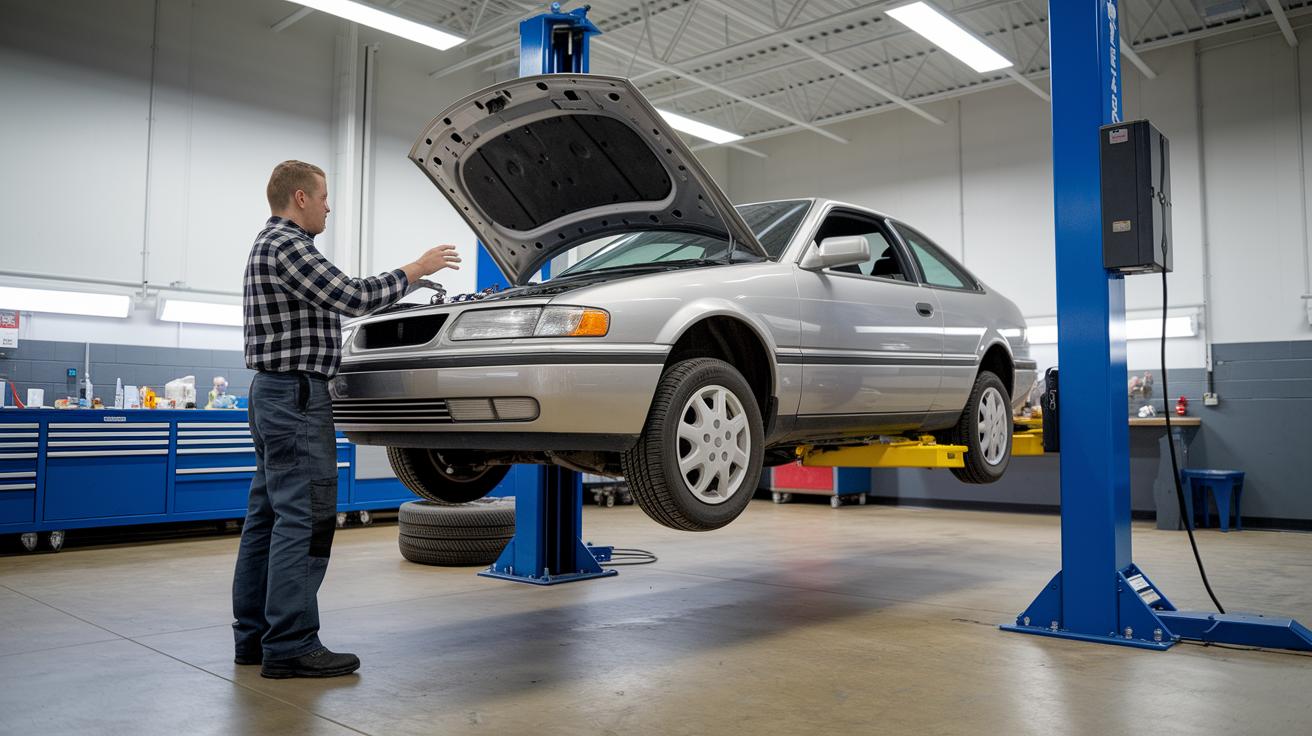
Ever thought about diving right into the auto tech world without starting at square one? Apprenticeships let you get hands-on experience that’s as real as it gets. With over 289 million cars on American roads, repair shops and dealerships are on the lookout for extra help. You’ll work alongside seasoned technicians who guide you through every step, from learning workshop tricks and diagnostic methods (that means finding out what’s wrong with a car) to handling the proper tools.
It’s a lot like learning to drive by actually sitting behind the wheel. Working in a live, buzzing shop not only boosts your confidence in no time but also lets you earn while you learn. Next, here are some easy tips to get started:
- Find listings: Check local repair shops, dealerships, or online job posts for apprenticeship opportunities.
- Refresh your résumé: Highlight any hands-on experience you’ve had, even if it was just a school project or volunteer work.
- Get interview-ready: Practice chatting about your passion for auto repair and how excited you are to learn from the pros.
- Show your commitment: Ask plenty of questions and jump into tasks, even the small ones, to show you’re serious about learning.
Also, keeping a record of your work hours is super important. Every minute you spend working side-by-side with a master technician counts as real practical training. Not only does it help you meet certification requirements, but it also shows just how much you’re growing in your skills.
Entry-Level Auto Tech Jobs and Salary Insights
Stepping into the world of auto repair as an entry-level tech can be really exciting. As of May 2024, the starting median wage is about $49,670. You get to sidestep big student loans and start earning more than minimum wage from day one. Plus, many new techs see their pay grow steadily as they gain experience, snag ASE certifications (these are industry-approved credentials), and show off their skills.
| Role Level | Median Salary | Experience Needed |
|---|---|---|
| Entry | $40,000 | 0-2 years |
| Certified | $50,000 | 2-5 years |
| Master | $60,000+ | 5+ years |
Many things can shape these earnings, like extra certifications, the quality of your work, and even local job demand. Employers also focus on technical skills, such as engine diagnostics (basically, pinpointing issues in the engine) and fixing electrical systems. As you gain more hands-on experience, you'll not only boost your confidence but also see a direct bump in your paycheck. Every certification and new skill you pick up brings you closer to higher earnings over time.
Developing Key Skills and Staying Current in Auto Tech

To really thrive in auto tech, you’ve got to start with the basics. That means getting comfortable with quick checks, using the right tools when things go wonky, and juggling both old-school techniques and modern technology. Ever been caught off guard by a car acting up? When you know your fundamentals, you can spot problems fast. And with more hybrids and alternative-fuel vehicles on the road, understanding these newer systems is a must.
- Engine diagnostics: Listen to your car and read its signals to zero in on engine issues.
- Wiring and electronics: Cars are getting smarter these days, so fixing and maintaining their electrical systems is key.
- ABS and airbag systems: Safety is huge. Keeping an eye on brakes and airbags means you’re always ready when it counts.
- Hybrid tech: With the rise of alternative fuels, getting to know how hybrid systems work is really important.
- Customer communication: Breaking down repair needs in everyday terms helps build trust with your clients.
Staying sharp means planning regular learning sessions, too. Auto tech is always evolving, so set aside time to study new diagnostic tools and repair techniques. This commitment not only keeps you updated on the latest tech upgrades but also shows your dedication to getting better every day.
Career Growth Strategies for Established Auto Tech Professionals
Once you’ve mastered the basics of auto repair, it’s time to push your career to the next level. Think about diving into advanced certifications and aiming for that master technician spot. By joining manufacturer training programs, you can polish your skills and learn about special systems like diesel or hybrid setups. These certifications don’t just prove your abilities, they also lead to roles that offer more responsibility, leadership chances, and a better paycheck.
- OEM courses: Boost your hands-on skills with training tailored by manufacturers.
- Specialty certification: Sharpen your expertise in advanced repair methods and niche systems.
- Professional networking: Meet and learn from other experts at workshops and industry groups.
Mapping out a long-term game plan means setting clear training and certification goals. As you grow your skills, make sure you update yourself on the latest technologies and repair techniques. This step-by-step approach not only makes your career journey steady and exciting, but it also helps you become a respected, skilled professional in the industry.
Final Words
in the action, we broke down a clear roadmap, from completing school to earning that master technician status. We explored training paths, certifications, apprenticeships, and key skills needed for auto tech careers, each step aiming to show you how to become an auto tech with confidence.
This guide lays out the essential tips and tricks to help you make smart choices in a fast-changing field. Keep the momentum and stay positive as you build your automotive future.
FAQ
How can I start an auto tech career with no experience?
Starting an auto tech career with no experience means beginning with basic education like a GED, then exploring training programs and apprenticeships that build hands-on skills and lead to certifications to kick off your journey.
How can I become a mechanic for free?
Becoming a mechanic for free involves finding no-cost resources such as online tutorials, community workshops, or apprenticeships where experienced mentors guide you through practical work and essential skill building without hefty tuition fees.
How can I pursue an online path to become a certified mechanic?
Pursuing an online path to become a certified mechanic means enrolling in accredited auto tech courses that offer video lessons and interactive modules, allowing you to earn recognized certifications while studying from home.
What does an auto mechanic training program offer?
An auto mechanic training program offers hands-on learning, classroom instruction, and practical experience with tools and systems. These programs range from quick certificate courses to comprehensive vocational training that prepares you for real-world challenges.
How do I begin an auto mechanic apprenticeship?
Beginning an auto mechanic apprenticeship means applying to repair shops or dealerships where master technicians mentor you. This on-the-job training complements classroom education, helping you build real-world skills and progress in your career.
Is it hard to be an auto technician?
Being an auto technician can be challenging because it requires ongoing learning and adapting to new technologies. Yet the practical, hands-on work and passion for cars make the challenges manageable and rewarding.
Which auto technician roles offer the highest pay?
Auto technician roles that command the highest pay usually include those with advanced skills and master-level certifications, particularly in diesel, hybrid, or high-performance engine repairs, where specialized expertise is valued by employers.
How do automotive techs typically get paid?
Automotive techs typically get paid an hourly wage or salary, with increments based on certifications, skills, and experience. In addition, they can earn bonuses for specialized repairs or exceptional performance in their roles.