
Have you ever thought about a car that seems to have a mind of its own? Auto tech companies are blending clever software with smart systems to make rides feel almost alive. They are changing how cars talk to each other and work together, which could lead to safer and smarter driving. In this article, we'll explore the companies driving these changes and see how their ideas are shaping the future of driving. Get ready to experience how technology is giving us a whole new way to drive.
Spotlight on Top Automotive Technology Firms and Auto Tech Companies
These companies have earned their spot here because they’re shaking up the auto tech world with impressive innovations, solid funding, and a clear focus on technology. They’ve not only raised a lot of money, but they’re also breaking new ground with smart systems that change how we drive and interact with our vehicles.
- Waymo (2009): This company kicked off its journey with a self-driving system that uses sensors like lidar and radar along with clever AI to navigate streets.
- Zoox (2014): Zoox created a two-way electric robotaxi that features custom-made hardware for a unique ride.
- Pony.AI (2016): They focus on mapping city roads and running simulations to perfect urban self-driving shuttles.
- Nuro (2016): Nuro builds small delivery vehicles meant for last-mile service that safely cruise on public roads.
- Plus (2016): The Plus team works on a system for trucks that lets them follow each other closely in a platoon, boosting efficiency.
- Drako Motors (2013): Known for the Dragon EV, their supercar packs an insane 1,200 horsepower that excites any car enthusiast.
- Rivian (2009): Rivian designs vehicles like the R1T pickup and R1S SUV aimed at lively, adventure-driven markets.
- Nauto (2015): Nauto uses AI to boost driver safety and offers smart fleet monitoring tools.
- Azuga (2012): With Azuga, you get GPS tracking for fleets and safety scoring systems that help keep drivers on track.
- Sibros (2018): Sibros provides software updates over the air and built-in diagnostics so vehicles stay in top shape.
These innovators are at the forefront of the automotive tech revolution. They mix advanced AI, smart connectivity, and detailed tracking systems to not only enhance safety and vehicle performance but also make managing dealerships easier. Every project, from platooning trucks to smart software management, shows how digital ideas and real-world driving are coming together. It’s a cool time in the auto industry as these firms transform the way we drive, own, and experience cars.
Advances in Autonomous Driving Technology

Self-driving cars are gaining ground around the world. Experts say the global market for these vehicles is growing fast, about 39% per year until 2030. Five U.S. states are already approving systems that let drivers hit the highway without hands on the wheel, clearing the way for more widespread use.
In big cities, pilot programs where vehicles talk to each other (that’s what we call V2X) have improved traffic flow by around 20%. It’s exciting to see technology making everyday travel smoother.
Here are some cool updates:
• New sensor fusion technology now cuts object-detection errors by 25%.
• AI training has ramped up with simulation data from 100 billion miles driven.
• V2X systems in urban areas are boosting live connectivity between vehicles.
• AI models are getting sharper, which means even better performance behind the wheel.
• Lidar systems, which help cars see their surroundings, are becoming more affordable.
Looking ahead, we can expect even more refined driver assistance systems and broader use of advanced sensors. Sure, there are still challenges, like fine-tuning AI and balancing technology with cost. But with these improvements, safer roads and smoother rides aren’t far off.
Trends in Electric Mobility and Sustainable Vehicle Technologies
Electric vehicles are booming as more folks choose cleaner ways to get around. In 2022, drivers bought 10 million EVs worldwide, showing that many are ready to embrace electric power. People love the idea of more affordable battery prices and a growing number of public charging spots that make regular trips a breeze. In fact, by 2023 battery prices dropped to $137 per kWh, and public chargers have multiplied, which means less worry about long trips. It sure looks like electric mobility has a bright future.
| Metric | 2022 | 2023 |
|---|---|---|
| Global EV Sales | 10 million units | — |
| Battery Pack Cost | — | $137 per kWh |
| Public Chargers Installed | — | 1.3 million+ |
These improvements are not just technical wins – they build trust and support for the future. Lower battery costs make EVs more affordable and attractive to many drivers, while a growing charging network means less range anxiety and more freedom on the road. Plus, with longer driving ranges and reduced CO₂ emissions compared to regular cars, EVs help lighten the environmental load. It's clear that these positive changes make electric mobility a smart, realistic option for a wide range of drivers, setting us up for a green, efficient, and exciting future in transportation.
Innovations in Vehicle Connectivity and Telematics

Telematics is booming. Experts say the market could reach $155 billion by 2026. Today's cars come with features like remote diagnostics that let drivers and fleet managers check a vehicle’s health in real time. Fleet management systems even track routes, fuel use, and maintenance alerts, all in one spot. Plus, drivers get safety alerts about traffic and hazards, which boosts confidence and cuts costs. This push toward connected cars comes from a need for smarter, smoother vehicle operations.
Edge computing is also a big deal in making cars more connected. In 2023, its use in cars jumped by 45%. Many new vehicles now rely on cloud-based OTA updates, meaning they can get the latest software improvements without long waits. In Europe, pilot V2X corridors span 2,500 miles of highway, letting cars talk to road systems and cut travel time by about 15%. With edge computing, cloud updates, and V2X communication working together, driving is becoming safer and more efficient.
Role of AI and Machine Learning in Automotive R&D
In 2023, global investment in automotive AI hit $12 billion. Car makers and tech firms are pumping serious cash into making cars smarter and safer. They’re using machine learning, a way for computers to learn and improve on their own, to cut unscheduled downtime by 40% with smart predictive maintenance. And with digital twin simulations, prototype cycles shrink by 30% because engineers can test changes in a virtual world first.
Here are some standout case studies in action:
- Predictive maintenance: Systems that keep an eye on a car’s health, spotting trouble before it causes a breakdown.
- Digital twin: Virtual models that let engineers test and adjust designs without building a real prototype.
- Gesture control: New interior tech that recognizes hand movements with 98% accuracy, giving drivers an easy way to interact.
- Synthetic-data simulation: Tools that have seen their use triple in the past two years, offering fresh data to train algorithms.
- Conversational interfaces: Voice and chat systems that let drivers talk naturally to their vehicles.
These advances are changing the way vehicles are built and tested. Developers can now mimic real-world conditions and try out new features without waiting for physical models. By catching issues early and refining designs digitally, companies save time and money. In short, these innovations shorten production cycles, cut costs, and boost both safety and performance. It’s an exciting shift that promises smarter, more responsive cars on our roads soon.
Mobility-as-a-Service and Digital User Experience Innovations
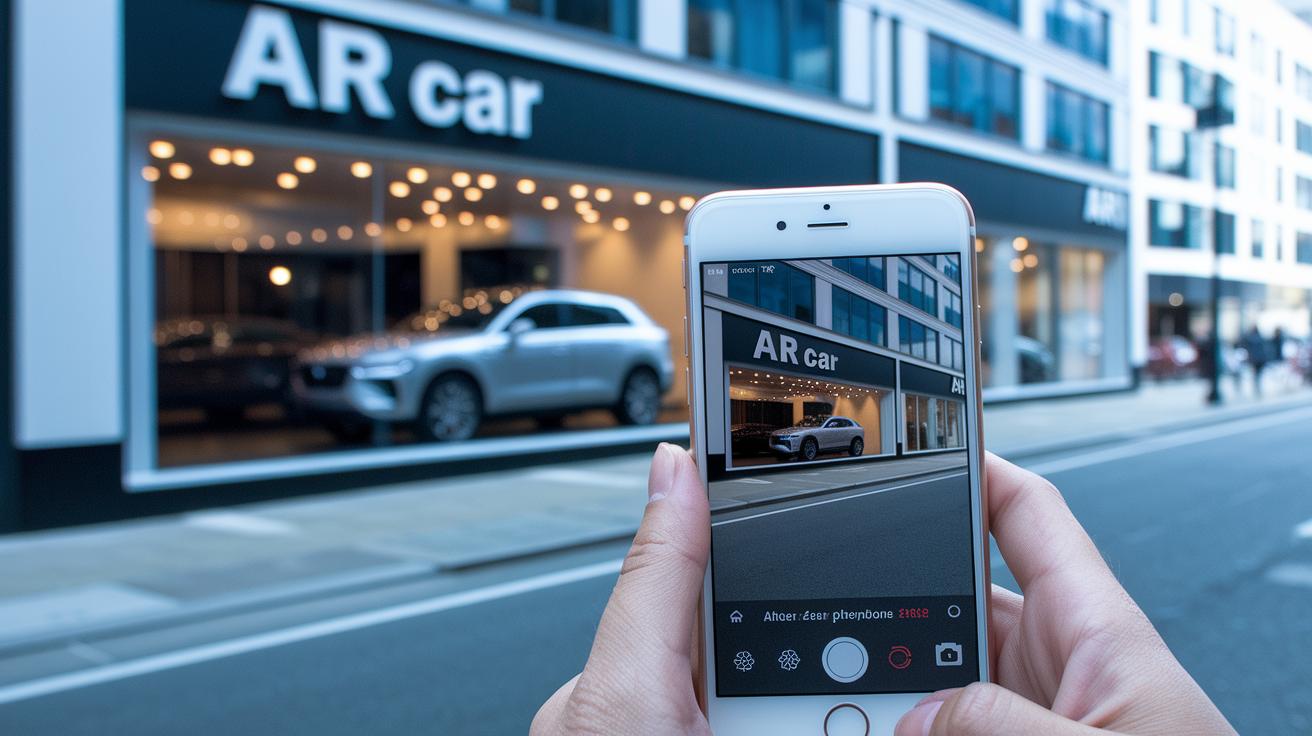
Mobility-as-a-Service is catching on fast as people look for smooth, tech-savvy travel experiences. In 2023, global revenue hit $83 billion, a 15% jump from the year before. Folks love the idea of flexible, on-demand travel, so companies are rolling out new services that mix ride-hailing with digital tools, perfectly fitting today’s urban life.
• Autonomous ride-hailing: In 2023, pilot programs clocked 33 million miles, showing that smart mobility can really boost safety and smooth running.
• Augmented reality showrooms: Virtual car showrooms saw a 200% rise in online configurator use, letting you explore vehicles with lifelike, interactive displays.
• Subscription models: About 10% of new mobility spending is now on subscription options, giving drivers hassle-free access without long-term commitments.
• Remote test drives: Customers can now "try before they buy" by experiencing vehicles digitally, making it easier to get a feel for a car from anywhere.
• In-app personalization: New features like AR walkthroughs bumped up user engagement by 25%, tailoring the experience just for you.
These fresh ideas are reshaping how we access and shop for vehicles. With digital test drives and personalized app experiences, drivers are spending more time exploring their options, resulting in happier journeys. Mixing real-world feel with tech-driven services creates a richer, more connected driving experience. It's a blend of innovation and convenience that’s driving up revenue and keeping drivers excited about what’s next.
Emerging Trends and Future Outlook in Auto Tech
McKinsey says auto tech could pull in about $1.5 trillion by 2030, a sign of serious growth. Cities like Beijing, Munich, and Tel Aviv are turning into hot spots for fresh ideas and research. Car companies are blending old-school techniques with new digital tricks to keep pace. These places are buzzing with energy, sparking collaborations that mix traditional car building with smart, connected systems.
And there’s more on the horizon. In 2024, blockchain pilots kicked off to track supply chains, adding trust and clarity. By 2026, around 15% of new models might feature dashboards with augmented reality, making the driving experience more intuitive. Advances in hybrid powertrain technology are aiming for a 25% boost in fuel economy. These breakthrough areas are set to shape the future of mobility and auto tech in exciting ways.
Final Words
In the action, we walked through a range of automotive sectors, from cutting-edge autonomous systems and electric mobility trends to breakthrough vehicle connectivity and AI innovations. Each section highlighted key breakthroughs and the impressive work of auto tech companies.
This deep dive shows how innovation across auto tech companies is driving smarter, safer, and more eco-friendly vehicles. The progress we see today makes it clear that exciting times lie ahead in automotive technology.
FAQ
Q: What are some top auto tech companies and startups in the USA?
A: Top auto tech companies and startups include Tesla, Waymo, Zoox, Nuro, Aptiv, and AutoX Technologies, Inc. They push forward innovations in self-driving, electric, and connected vehicle technologies.
Q: Who are considered the big 3 auto companies?
A: The big 3 auto companies in the US typically refer to General Motors, Ford, and Stellantis, renowned for their longstanding market presence and ongoing investments in vehicle technology.
Q: Which car company is known for having the best tech?
A: Tesla is often recognized for its ground-breaking electric vehicle systems and autopilot features, positioning it as a leader in automotive technology with a focus on smart, sustainable mobility.
Q: What is the list of top 10 car companies?
A: Rankings of top 10 car companies usually include Tesla, General Motors, Ford, Toyota, Honda, Volkswagen, BMW, Mercedes-Benz, Audi, and Nissan, celebrated for quality, innovation, and market influence.
Q: Who are the top 5 auto parts companies?
A: Top auto parts companies include Aptiv, Bosch, Denso, Magna International, and Continental, key suppliers providing quality components that enhance vehicle performance and safety.