
Ever imagine a car that seems to think on its own? Our rides are getting smarter every day. With features like electrification (using electricity to power the engine), self-driving systems (cars that can steer themselves), and connected networks (cars that share info with each other), driving is becoming simpler and much safer.
It’s pretty exciting to think about. New ideas are taking shape that could completely change how we get around. Next time you take a drive, you might notice these innovations making your commute feel entirely fresh.
Key Emerging Auto Tech Innovations Shaping Industry Trends
Cars are changing fast, shifting from old-fashioned machines into smart, computer-like devices that feel almost alive. Trends like electrification (turning cars electric) and built-in software mean we’re seeing more electric vehicles, hybrids, and vehicles that run on code instead of just metal and fuel. Self-driving tech is also getting a boost with Level 3 and Level 4 systems, which handle more of the driving for you. And, improvements in how cars connect, stay safe, and look cool are changing the way we interact with our rides.
This rapid shift is sparking major auto trends and fresh ideas for how we get around. Manufacturers are even using 3D printing for quick, easy prototyping, while virtual and augmented reality help bring car marketing and training to a whole new level. New EU safety rules coming in 2024 and the rise of Mobility as a Service platforms are just a couple of factors propelling this revolution forward.
| Key Tech | Description |
|---|---|
| Electrification Systems | Changing the engine to a battery-powered motor, which makes the car eco-friendly. |
| Autonomous Navigation | Smart systems that let the car drive itself on highways and in traffic. |
| Connected Mobility Networks | Tech that keeps cars connected to the internet and each other for smoother journeys. |
| Advanced Safety Mechanisms | New safety features that help prevent accidents and protect drivers and passengers. |
| Digital Manufacturing Tech | Using digital tools like 3D printing to speed up the car-making process. |
Investments in these areas are turning auto tech into a means to streamline production and boost safety. As breakthroughs continue, expect self-driving features, smarter manufacturing, and improved in-car experiences to mix together, bringing an extra thrill to every drive.
Self-Driving Navigation Software Advancements in Auto Tech Innovations
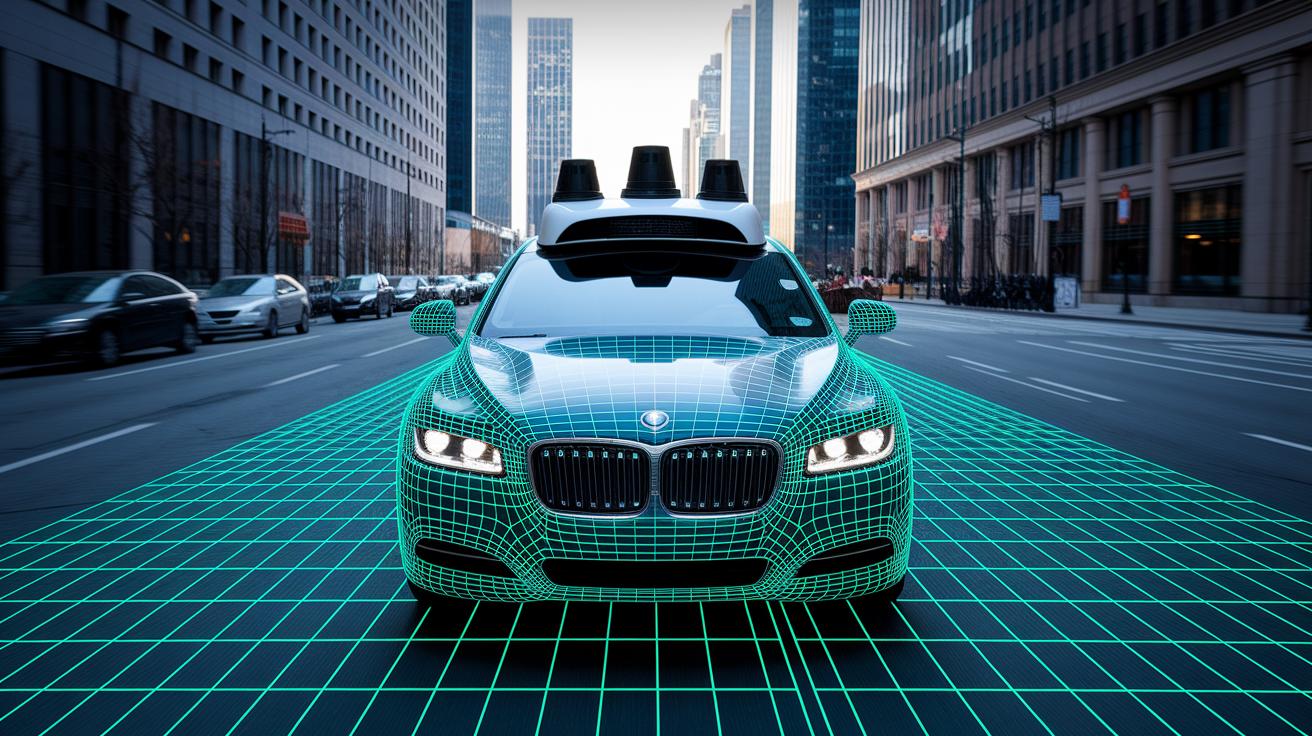
Low-cost stereo cameras are really turning heads in self-driving tech. These cameras work together in real time to build simple 3D maps, so cars can “see” their world clearly without costing a ton. Imagine a car drawing a neat sketch of every twist and turn on the road. This smart setup is the heart of Level 2+ systems, leading us toward easier and safer self-driving tech at Level 3 in some places.
New advances in driving algorithms are making conditional automation feel more real every day. Early tests of Level 4 self-driving systems are on the way, helping cars manage tricky road situations. Plus, there’s a buzz around Software-Defined Vehicles. These clever machines update over the air – kind of like when your phone gets new features – and handle everything from braking to infotainment. This means your drive is smoother and safer, all thanks to smart, onboard guidance.
With improved computer programs, cars now process heaps of visual data much faster. That means sensors can work together to make split-second decisions, ensuring the new autonomous features are both reliable and affordable. All these breakthroughs are paving the road for higher levels of automation and a more relaxed, intuitive driving experience.
Electric Propulsion Advancements & Battery Breakthroughs in Auto Tech
Electric power is changing the way cars move. New solid-state battery models can hold more energy and are safer than old lithium-ion ones. Imagine a battery that charges quickly, stores more energy, and gives you the same security as a sturdy lock. These improvements are setting the stage for the next generation of electric rides, making them more reliable and efficient. It’s like swapping out your phone battery for something that can truly go the extra mile.
Hybrid vehicles mix traditional fuel engines with electric motors to take the worry out of running low on charge. This clever setup lets drivers switch between fuel and electricity with ease. Think of it as having two ways to power your vehicle; a strong engine for long trips and an electric boost for slow city drives. This mix makes every journey feel smoother and more adaptable while we wait for all-electric cars to take over completely.
Chinese car makers are predicting big changes ahead, with electric car sales expected to outpace those of regular cars this year. New ultra-fast charging stations and smart grid solutions are speeding up this shift by cutting charging times and boosting range. These advances aren’t just about better batteries, they’re part of a broader move toward cleaner, more efficient transportation.
Connected Transport Networks & 5G Integration in Auto Tech Innovations

5G is reshaping our roads in a big way. Cars, traffic signals, and even pedestrians can now share information quickly and reliably. Imagine your car getting a heads-up that a light is about to change so you can ease off the gas, it's like having a smart co-pilot. This real-time chat between vehicles and road systems improves warnings for collisions and helps sync traffic lights for a smoother ride.
At the same time, Mobility-as-a-Service platforms are raising the bar. By using both 4G LTE and 5G, these systems connect ride-sharing, public transit, and even scooters into one seamless network. It means switching from a bus to a scooter can feel as easy as clocking in a text message. This tight coordination helps reduce traffic jams and travel delays, making city streets safer and more responsive for everyone on the move.
Integrated Sensor Arrays & Adaptive Safety Mechanisms in Auto Tech
Today’s cars come loaded with a blend of sensors like LiDAR, radar, cameras, and ultrasonic tools. These gadgets work together to create a full circle view of what’s around. They help the car "see" its world, making every drive feel safer and more secure. Plus, smart systems check for any defects and unusual spots on the fly, so potential problems get flagged almost instantly. Starting in 2024, new EU rules will require features like automatic emergency braking and lane-keep assist, giving drivers and passengers even more peace of mind.
When multiple sensor details mix through special fusion methods, vehicles can better spot and avoid collisions. Think of it as the car staying one step ahead when unexpected obstacles pop up. These adaptive safety tricks are always getting smarter to handle real-life conditions, be it nasty weather or sudden stops. In truth, this technology not only steps up driving safety but also makes every journey feel smoother and more controlled.
| Sensor Type | Primary Function | Example Use Case |
|---|---|---|
| LiDAR | Creates detailed 3D maps | Spots obstacles in real time |
| Radar | Measures how far away and how fast objects are | Helps with adaptive cruise control |
| Camera | Captures visual information | Used for lane-keeping and object recognition |
| Ultrasonic | Measures short distances nearby | Assists in parking aid features |
AI, Machine Learning & Robotics Powering Auto Tech Manufacturing
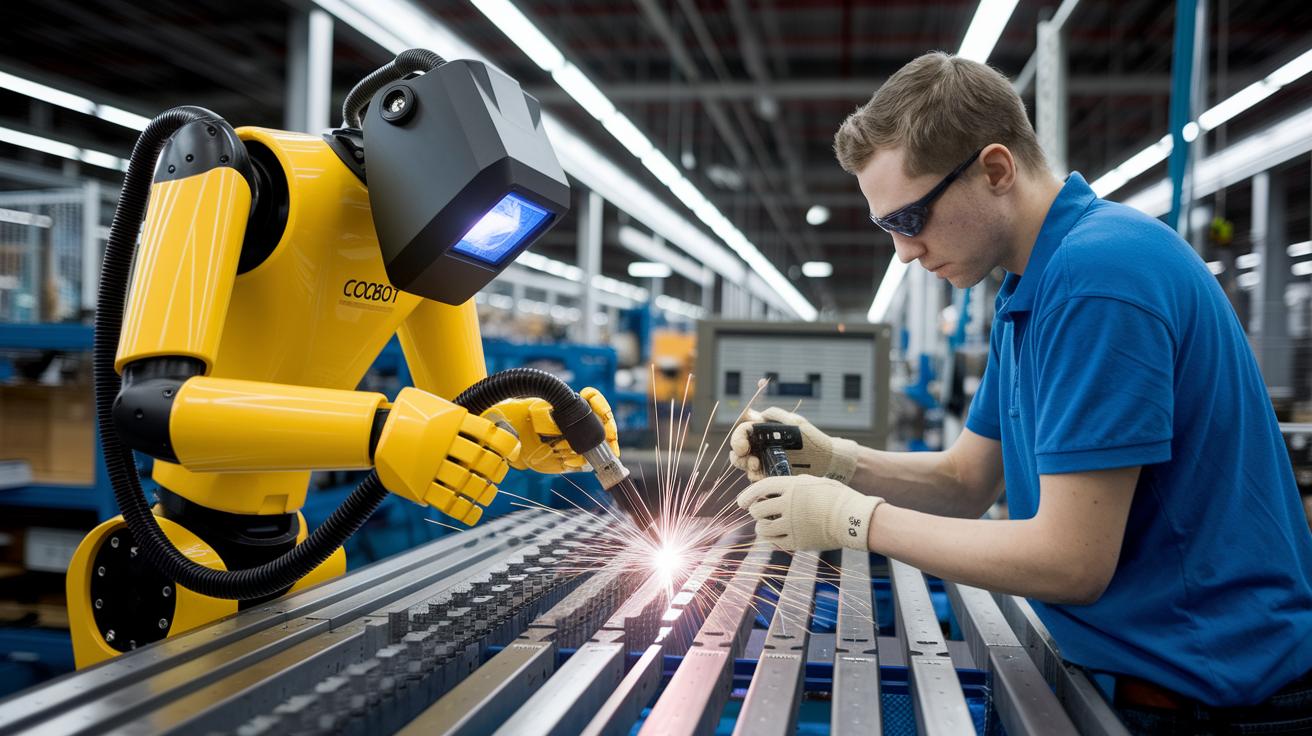
Have you noticed how cobots are teaming up with us on the assembly line? These clever robots work right alongside human operators, handling the boring, repetitive jobs, like welding parts together. This lets folks concentrate on the final touches that really make the car pop. Plus, smart AI systems keep an eye on materials as they pass by, instantly flagging any defects before the final assembly. It’s like having an extra set of eyes ensuring every part meets the highest standards, so mistakes that might lead to pricey repairs are kept to a minimum.
Then there’s the magic of predictive repair analytics. Using sensor data and past records, these systems can tell when a machine might need some TLC. This not only cuts down on sudden breakdowns but also keeps production flowing smoothly. Combining machine learning with robotics means saving costs and speeding up production times. In truth, this blend of human insight and robotic sharpness is rewriting the rules of manufacturing, making everything run more efficiently and with a fresh twist.
Digital Cockpit Solutions & Futuristic Infotainment in Auto Tech Innovations
Digital dashboards are now the heart of modern cars. They update over the air much like your phone gets new features, keeping your ride fresh and ready with the latest tools and tips. Plus, you can personalize your display to match your style and driving needs. Imagine a cockpit that adjusts to your mood, providing everything from weather alerts to driving advice right when you need it.
Gesture controls and augmented displays now make it all so simple. Instead of fiddling with dials, you can swipe through your options as you drive. This hands-free ease brings navigation, media, and climate control into a smooth, intuitive interaction. It’s like your car understands you with just a few simple motions.
Virtual and augmented reality are taking the car experience to a whole new level. Virtual test drives let you explore the ins and outs of a car before you even step inside. Meanwhile, immersive training and showroom experiences make you feel like every detail is in your hands. This tech upgrade turns every drive into an engaging journey, transforming what it means to be behind the wheel.
Eco-Friendly Fuel Alternatives & Green Technologies in Auto Tech Innovations

E-fuels like e-kerosene, e-methane, and e-methanol are really changing how we think about fuel. They’re made by combining CO₂ with renewable energy, and the EU is considering them for use after 2035. This fresh, green approach aims to cut carbon emissions throughout a car’s life. And by looking into powertrain options that don’t rely on traditional combustion and using greener energy, the auto world is stepping closer to cleaner, more sustainable driving.
Hybrid powertrains are another exciting leap in eco-friendly tech. They mix regular fuel with electric power in one smart design, meaning you can lower emissions without making a pit stop for a charge. It’s a practical bridge as fully electric cars continue to evolve. Manufacturers are also putting more effort into cutting the overall carbon footprint through smarter design and sustainable production practices, so new cars perform great and help reduce environmental stress.
Final Words
In the action, we've seen how modern auto tech is reshaping the industry, from electrification and self-driving software to connected networks and adaptive safety systems.
We've broken down areas like autonomous navigation, digital cockpit solutions, and eco-friendly fuel alternatives.
All these advancements build a clear picture of how emerging auto tech innovations are transforming our roads and experiences. The future looks bright as these smart changes continue to make driving safer and more enjoyable.
FAQ
Frequently Asked Questions
What are emerging auto tech innovations in the USA and America?
Emerging auto tech innovations in the USA and America are making vehicles smarter with electrification, software upgrades, and better connectivity, resulting in safer and more efficient driving experiences.
What are some notable auto tech innovations from 2021?
Emerging auto tech innovations in 2021 introduced improved self-driving features, advanced sensor systems, and early electrification advances, setting the stage for today’s connected, eco-friendly vehicles.
What new technology is shaping the automobile industry?
New technology in the automobile industry transforms vehicles into smart machines by integrating high-tech software, advanced sensors, and seamless connectivity for a more efficient, safe driving experience.
What new car technology is expected by 2025?
New car technology expected by 2025 will further electrify vehicles, boost autonomous capabilities, and enhance software integration, leading to improved performance and an overall better driving experience.
What are current automotive technology trends?
Automotive technology trends focus on electrification, enhanced sensor systems, and connected mobility networks that improve fuel efficiency, safety, and overall vehicle performance.
What new technologies are emerging in the automobile industry?
New technologies in the automobile industry include electrification, self-driving software, connected networks, and digital manufacturing processes, all aimed at enhancing vehicle performance and user experience.
What are the most exciting auto innovations today?
The most exciting auto innovations today feature smart, software-driven vehicles, advanced self-driving technologies, and breakthrough electrification, all contributing to a safer, more engaging driving experience.
What is the 30-60-90 rule for cars?
The 30-60-90 rule for cars is a maintenance guideline suggesting service checks around 30, 60, and 90 days to keep vehicles performing optimally through regular inspections and adjustments.
What are the five emerging technologies in auto tech?
The five emerging technologies in auto tech include electrification systems, autonomous navigation, connected mobility networks, advanced safety mechanisms, and digital manufacturing, each vital for modern vehicle innovation.