
Have you ever thought a short auto tech course might give your career a boost? These classes mix real lab work with hands-on lessons so you can learn cool car repair skills. You start with basic engine know-how and then work up to solving tricky diagnostic puzzles. Nearly 85% of graduates land jobs in just a few months. That shows these programs can really kickstart your career. With a mix of classroom study and practical training, you’re not just learning the ideas, you’re getting ready to dive into the auto repair world headfirst.
auto tech program Sparks Career Success
Auto tech education comes in many shapes and sizes, from 6-month certificate programs to 2-year associate degrees. These courses offer about 800 hours of training, with around 40% in classroom lessons and 60% in hands-on labs. This mix helps you quickly learn the basics of car repair and get ready for real challenges. Graduates are set to take ASE certifications, a must for proving their skills.
When you finish an auto tech program, you know you’re ready to hit the ground running. You learn about a car’s engine, brakes, electronics, HVAC, suspension, steering, and drivetrain in easy-to-understand steps. In fact, top schools say nearly 85% of their graduates find work within six months of finishing. That clear success rate shows just how valuable these programs can be for launching a career.
The course blends classroom lessons with hands-on lab time so that moving from study to the garage feels natural. You get to focus on the key systems that power today’s vehicles while practicing with real diagnostic tools and repair techniques. This approach not only builds solid technical skills but also boosts your confidence and work-readiness, whether you end up in a repair shop, a dealership, or even starting your own auto repair business.
Auto Tech Program Admission Requirements and Accreditation Standards
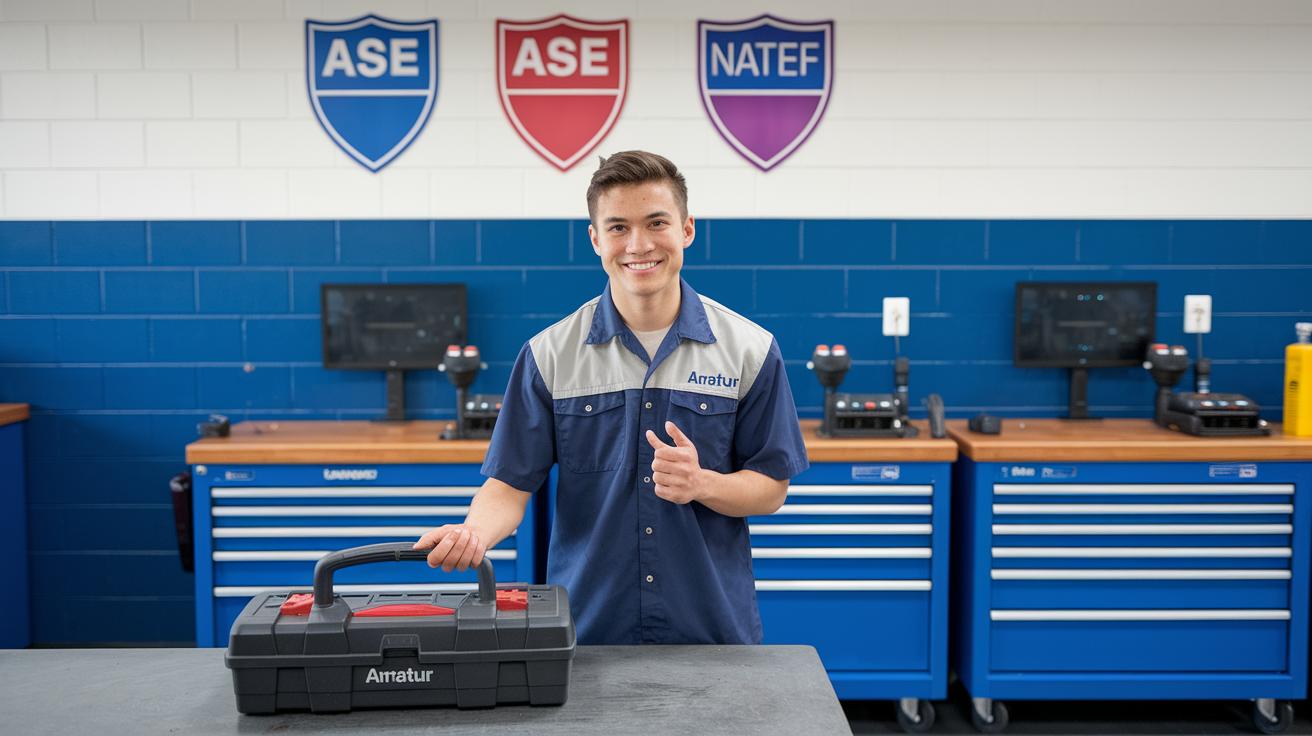
Most auto tech programs want you to have a high school diploma or something similar. You need to be 18 or older and have a valid driver’s license. Sometimes, you might even take a simple test on math and reading, kind of like checking if you know that 2+2 equals 4. These basic steps help make sure that everyone is ready to learn both in the classroom and in the lab.
Programs that earn accreditation from groups like the ASE Education Foundation and NATEF show they follow trusted standards for auto repair education. This is like getting a gold star that tells you the training is good and fits the real needs of today’s automotive world. Plus, with this approval, students can qualify for federal financial aid, opening up extra help with paying for their studies as they work toward an exciting career in automotive technology.
Vehicle Repair Training Curriculum in Auto Tech Program
Our training blends classroom lessons with a lot of hands-on lab work. You start with around 200 hours of class time where we cover the basic theory behind every system. Then, you spend about 600 hours in the lab, using real tools and equipment. This step-by-step approach helps you pick up skills like engine maintenance, computerized diagnostics (which means using tech to check car systems), and other essential repair techniques.
Curriculum topics include:
- Engine Repair Fundamentals
- Brake System Diagnostics and Repair
- Electrical and Electronic Systems
- Suspension and Steering Maintenance
- HVAC Service Procedures
- Transmission and Drivetrain Overhaul
- Advanced Computerized Diagnostics
Mixing theory with lab work means you quickly learn how to put concepts into practice. In the lab, you get to try out engine repairs and brake fixes in real-world scenarios. You also get hands-on time with computerized tools, tuning your skills in various repair situations. The instructors, who are usually ASE-certified technicians, share real advice and walk you through each task. This mix of clear theory and plenty of practice not only shows you the basics but also builds the confidence you'll need to work on vehicles effectively.
Auto Tech Program Tuition, Financial Aid, and Certification Options

Auto tech programs come with a range of tuition choices to fit different budgets. You could pick a certificate program for around $5,500 that quickly teaches you the basics, or go for an associate degree in repair at about $14,000, which dives deeper into automotive service. There are plenty of options, from a technical diploma in maintenance to a full associate degree, so you can tailor your training to match your career goals.
Financial help is available to keep tuition affordable. For eligible students, Federal Pell Grants can give you up to $6,000 per year, while subsidized loans and work-study programs fill in the gaps. Many schools also offer merit scholarships that reward solid performance and commitment. It all means careful budget planning is key.
Getting certified is a big step in auto tech education. After you finish your program, you’ll want to take exams like the ASE tests, which usually cost between $40 and $300 per test, depending on your chosen area. Some programs even suggest getting manufacturer-specific certifications if you specialize in certain vehicle brands. These certificates not only prove your repair skills but also boost your resume, helping you stand out in a competitive job market. When you add in recognized certifications, you’re setting yourself up for better job opportunities and higher pay, which can lead to a long and rewarding career in automotive service.
Technician Career Pathways and Job Placement from Auto Tech Program
After finishing an auto tech program, many folks start out as ASE-certified service technicians who jump right into fixing everyday car troubles. They typically earn around $48,000 a year and can later move into roles as diagnostic specialists or shop supervisors. Imagine walking into a busy repair shop with the confidence of knowing you can tackle even the toughest engine issues right after getting your certification. It’s a great way to build a trusted reputation through hands-on training.
There’s plenty of room to grow in the auto tech world. Apprenticeships at dealerships or unions offer quick, hands-on experience that employers really value. According to the U.S. Bureau of Labor Statistics, auto service tech jobs are expected to grow by about 4% by 2030. Many programs also boast an 80–90% job placement rate within a year of graduating. This mix of career paths and solid salary opportunities means that the skills you learn will keep opening doors and set you up for an even brighter future in automotive service.
Final Words
In the action, we reviewed what an auto tech program covers, from program types and curriculum details to admission rules and career paths. We highlighted hands-on lab work, core modules like engine repair and brake systems, and the importance of ASE certification. We even touched on tuition pricing and financial aid options, giving you a full picture of the auto tech program experience. It’s all designed to boost your skills and get you ready for a rewarding career. Enjoy every mile of your automotive journey!
FAQ
Q: What options are available for auto tech programs, including local, online, and beginner-friendly classes?
A: The auto tech program options include local colleges, online courses (which can even be free), and beginner-friendly classes. They combine classroom theory with hands-on lab work to prepare you for ASE certifications.
Q: What are the typical costs for auto mechanic schools and trade programs?
A: The auto tech program cost details vary, with certificate tracks averaging about $5,500 and associate degrees roughly $14,000. Specific program costs like those for UEI and UTI also differ, and financial aid may be available.
Q: Are there state-specific auto mechanic schools in Michigan, New Jersey, and California?
A: The auto tech program in Michigan, New Jersey, and California offers competitive curriculums and local campus options. These schools provide tailored hands-on training that meets regional industry standards.
Q: What free online automotive courses with certificates are available?
A: The auto tech program sometimes includes free online automotive courses with certificates. These allow learners to gain basic skills and industry-recognized credentials without any upfront tuition.
Q: Is automotive tech school worth it?
A: The auto tech program is worth considering if you value a balanced mix of classroom learning and practical skills. Graduates typically experience strong job placement rates and enjoy varied hands-on roles in the field.
Q: Who is the highest paid auto technician?
A: The auto tech program career path can lead to higher earnings, with experienced diagnostic specialists and shop supervisors generally earning more than entry-level technicians.
Q: What is the fastest way to become a mechanic?
A: The auto tech program approach often includes accelerated certificate courses that focus on essential skills and hands-on lab work, allowing you to enter the mechanic field quickly.
Q: What options exist for those needing mechanic school night classes?
A: The auto tech program sometimes offers night classes, making it easier to balance work and study. These evening sessions cover key automotive repair topics in flexible time slots.