
Ever thought your car could help you save money while caring for the planet? Auto start-stop tech turns your ride into an energy-efficient machine by shutting off the engine when you come to a halt. It’s like your car taking a short nap at stoplights, saving energy and cutting down on harmful gases. This smart feature not only reduces fuel use but also makes your everyday drive a bit greener. In this post, I’ll explain how it works and why it’s a smart choice for anyone wanting to save fuel and lower emissions.
auto start-stop tech: Fuel Savings and Emission Perks
Auto start-stop tech is a handy feature in modern cars that shuts off the engine when you're not moving. It helps save fuel by stopping the engine during long stops, like when you're waiting at a red light. Imagine sitting calmly as your car takes a little snooze, saving power and cutting down emissions.
When your car comes to a full stop, sensors and smart controls notice that the engine doesn't need to run. So, once you tap the brakes and your vehicle halts, the system turns off the engine automatically – almost like putting your phone to sleep. Then, as soon as you lift your foot off the brake, the engine starts back up quickly, keeping you on track without any delay.
This clever setup works in both regular gas cars and hybrid models. In a gasoline car, upgraded starter motors make the engine start smoothly. In hybrids, higher-voltage batteries team up with the start-stop tech to boost energy savings even more. In short, it lowers fuel use and harmful emissions, making your daily drive easier on your wallet and the planet.
Technical Fundamentals of Auto Start-Stop Tech
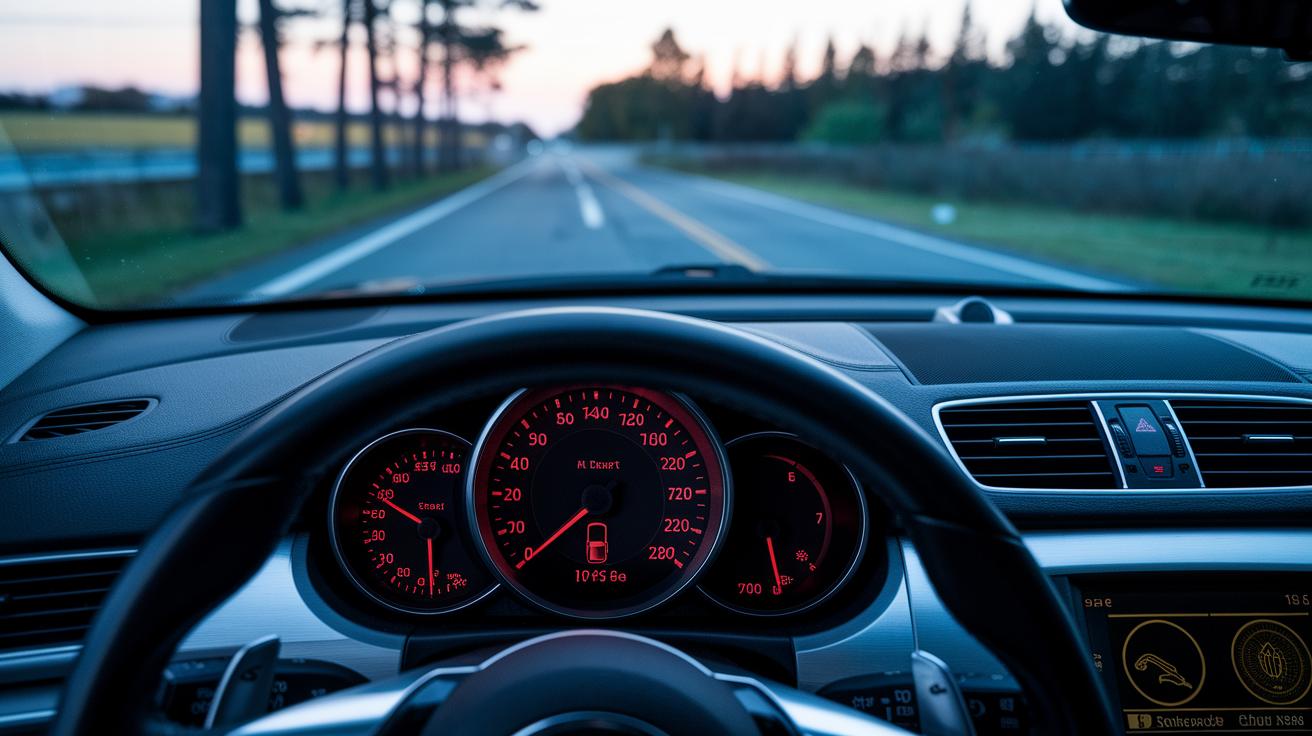
The auto start-stop system is a smart way to save fuel and cut down on emissions. It uses an array of sensors, control units, and a special ignition manager to figure out when your engine should switch off or start up. These sensors keep an eye on things like your speed, how hard you're pressing the brakes, and how long you've been idling. So, when your car is stopped for a while, the system decides the engine doesn't need to be running. It then works with the ignition manager to turn the engine off, reducing idle time and saving fuel without affecting overall performance.
| Trigger | Action |
|---|---|
| Brakes applied at complete stop | Engine shutdown |
| Brake pedal released | Engine restarts almost instantly |
The brain behind this system is all about timing. The moment you release the brake pedal, the sensors signal the controller to fire the engine back up almost instantly. This means you don’t have to wait long, and your ride feels smooth as always. The system skillfully balances energy saving with a quick boost of power, making it perfect for busy city stops or longer drives. Essentially, drivers enjoy lower fuel use without missing out on that familiar, confident feel of a regular engine start-up.
Fuel Efficiency and Emission Benefits with Auto Start-Stop Tech
Imagine cruising through city streets, stopping regularly at red lights. Auto start-stop tech uses smart sensors to switch your engine off during those pauses, so you're not burning extra fuel while idling.
This simple action cuts down on harmful exhaust fumes too. When your engine shuts off in traffic, fewer pollutants hit the air, making for a cleaner ride.
Drivers often notice they naturally smooth out their acceleration and braking. That change not only boosts fuel savings but also helps keep emissions low, benefiting everyone on the road.
Integration of Auto Start-Stop Tech in Gas vs. Hybrid Vehicles

Auto start-stop systems bring their own set of challenges for different kinds of cars. Car makers have to carefully design each vehicle so that every part works smoothly together. For example, in gas cars, the starter motor needs extra strength and the battery must be beefed up so it can handle the regular engine restarts. On the other hand, hybrids face a whole different kind of task. They need to balance energy between the gas engine and the electric battery. Both systems must turn the engine off when it’s not needed and fire it back up quickly once you’re ready to hit the road.
In gas-powered models, the auto start-stop function relies on a beefier starter motor and a larger battery. These tweaks let the engine shut off when waiting at a stop without messing up its ability to restart. Instead of the old-fashioned ignition process, this method provides a smoother restart each time, which can lead to better fuel economy and overall car performance.
Hybrid vehicles use auto start-stop a bit differently. They depend on a high-voltage battery that keeps everything running smoothly, even during long idling periods. This setup helps the engine shut off without delay and power up instantly when you release the brake. It’s a neat mix of old fuel-burning power and modern electric tech coming together for better efficiency and a smarter ride.
Real-World Example: Ford’s Auto Start-Stop Implementation
Ford’s auto start-stop system is made to save fuel and cut down on emissions, especially when you’re stuck in city traffic. It works by keeping the engine off when the car isn’t moving, kind of like giving your ride a quick breather when it doesn’t really need to run.
When you hit the brakes and come to a full stop, the system automatically steps in. Sensors quickly notice that the car is stopped and shut the engine off. This is super helpful in busy urban settings where you’re stopping and starting all the time. It cuts back on wasted fuel and keeps the air cleaner.
Then, the moment you lift your foot off the brake, the engine roars back to life without missing a beat. Drivers love how smooth and fast the restart is, making the drive feel efficient and fun. It’s a neat little trick that makes every stop in the city matter.
Final Words
In the action, auto start-stop tech cuts idle time, saving fuel and reducing emissions. The post explored how the system detects stops, shuts the engine off, and quickly fires it back up. It walked through the basic ideas, technical inner workings, and real-world examples like Ford’s smart system.
This tech not only helps with everyday driving but also pushes both gas and hybrid models to work more efficiently. It leaves us with a sense of optimism about smart, greener drives ahead.
FAQ
How do you permanently disable auto start-stop?
Disabling auto start-stop permanently typically means accessing your vehicle’s settings or using its control button. Some models may require professional help since the feature can be built into the system.
Is start-stop technology damaging to the engine?
Start-stop technology is meant to reduce idling and protect engine wear. Although some worry that frequent restarts might strain engine parts, modern systems are designed to handle these cycles safely.
What happens when auto start-stop is not working?
If auto start-stop isn’t working, it could mean there’s an issue with sensors, battery charge, or control modules. Getting a quick diagnostic check can help fix the problem and restore its benefits.
How do auto start-stop tech reviews assess the system?
Reviews of auto start-stop tech highlight its fuel savings and lower emissions while praising its nearly instantaneous restart performance, though some note that user experience can vary by model.
What are the disadvantages of the start-stop engine feature?
The start-stop feature can lead to extra wear on the starter motor and battery and may cause brief restart delays. Manufacturers have worked to minimize these issues with improved designs.
How does Suzuki implement its engine auto stop-start system?
Suzuki uses smart sensors and reinforced components to manage its engine auto stop-start system. The system shuts off the engine during stops and restarts it quickly to improve fuel efficiency.
Is using the auto start-stop button mandatory?
The auto start-stop button lets drivers disable the feature at will. In some cases, though, the technology is integrated into the vehicle to meet emission standards, so it might not always be optional.
What is auto start-stop tech?
Auto start-stop tech automatically turns off the engine when the car is idle and restarts it swiftly when needed. This design helps cut fuel consumption and reduces harmful exhaust emissions.