
Ever notice how a few easy checks can keep your car happy and save you from unwanted breakdowns? Regular care like oil changes and tire rotations makes your ride smoother and can really save you money. Too many of us skip these simple ideas until a big repair bill pops up. Think of it like tuning up your bike before a long journey, even a small effort makes a huge difference. Here, we share some trusty habits to keep your car safe and reliable so that every drive feels smooth and worry-free.
Essential Steps in Preventive Car Maintenance to Avoid Costly Repairs

Keeping your car in tip-top shape is all about staying on schedule with regular checkups. Car makers suggest taking a look at key parts every 30,000, 60,000, and 90,000 miles. Sticking to these milestones can help your car run smoother, boost your gas mileage, and even save you a ton of money over time. I mean, have you ever thought about how drivers who follow these routines can dodge pricey surprises?
Creating a maintenance plan that fits your driving habits is a smart move. Your owner’s manual gives you a good start, but think about your everyday ride, whether you’re stuck in city traffic or cruising down open highways. A simple checklist for oil changes, tire rotations, and air filter swaps can really keep things on track. It makes spotting little issues easier before they snowball into bigger problems.
Regular car servicing isn’t just about saving money, it keeps everyone safe. Car parts wear out gradually, and a trusted mechanic can catch troubles before they become major issues. Ever think of your engine as a well-rehearsed band? When every part plays its cue, your ride feels reliable and smooth.
Setting up reminders on your calendar can make all the difference. These small, steady steps today can save you big headaches, and a lot of cash, later on. It’s all about taking care of your car so you can enjoy every drive without any unexpected hiccups.
Engine Care in Preventive Car Maintenance: Oil Change and Diagnostic Best Practices
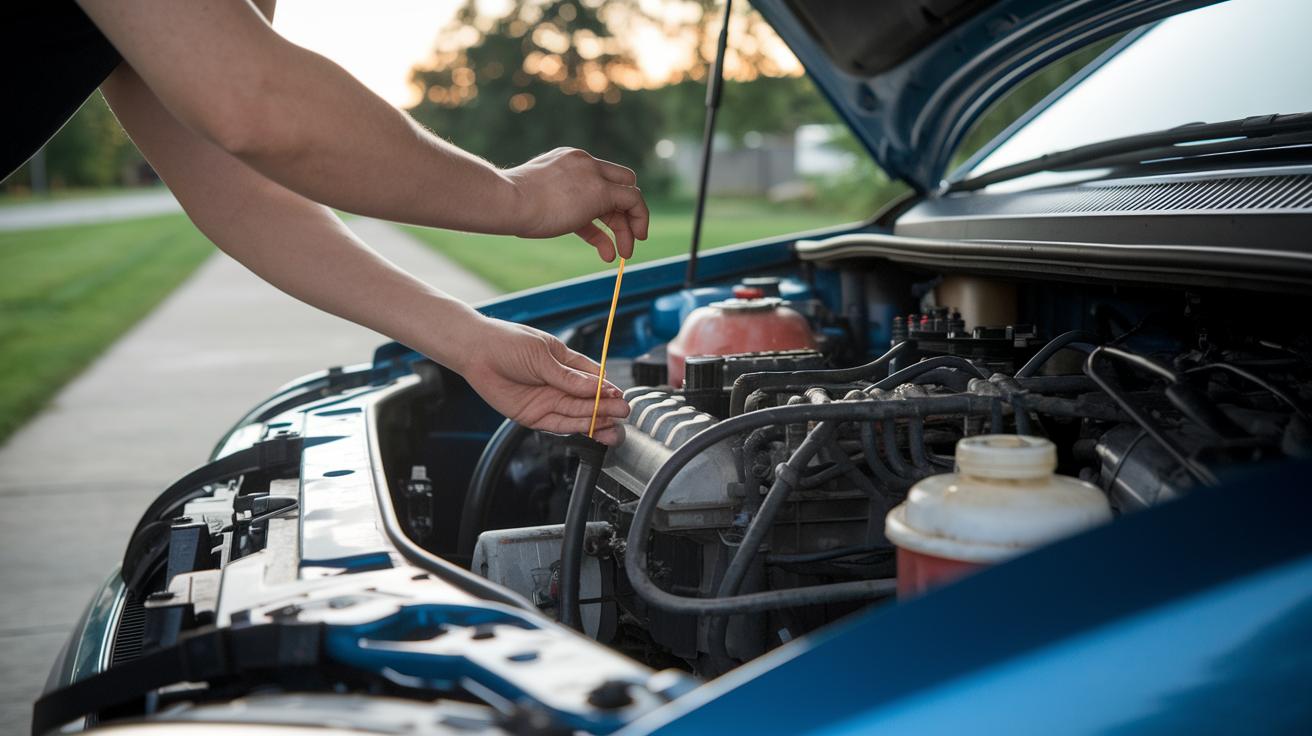
Keeping your engine happy starts with timely oil changes. Depending on your car and the oil you choose, you might need to change it every 3,000 to 10,000 miles. Think of it this way: your engine is like a long-distance runner. Skip out on regular oil changes, and it could tire out much sooner than expected.
It’s also important to pay attention to your oil filter. Replacing or cleaning it stops sludge from building up and helps prevent extra wear on your engine. When you check your oil’s quality, you’re taking a simple yet important step to ensure your car runs smoothly.
Another great tip is to run a diagnostic scan on your engine. A periodic check can catch issues like misfires, low compression (which is the force your engine uses to function), or problems in the fuel system before they turn into costly repairs. A quick scan is like a check-up for your car’s heartbeat, it lets you know if everything’s working as it should.
For more details, check out the car oil change guidelines at car oil change. And if you’re exploring your options, a look at synthetic vs high mileage oil can help you decide which oil might be best for your ride.
Stick with these engine care tips, and you’ll enjoy a smooth, worry-free drive every time you hit the road.
Tire Maintenance in Preventive Car Care: Pressure, Rotation, and Replacement Timing
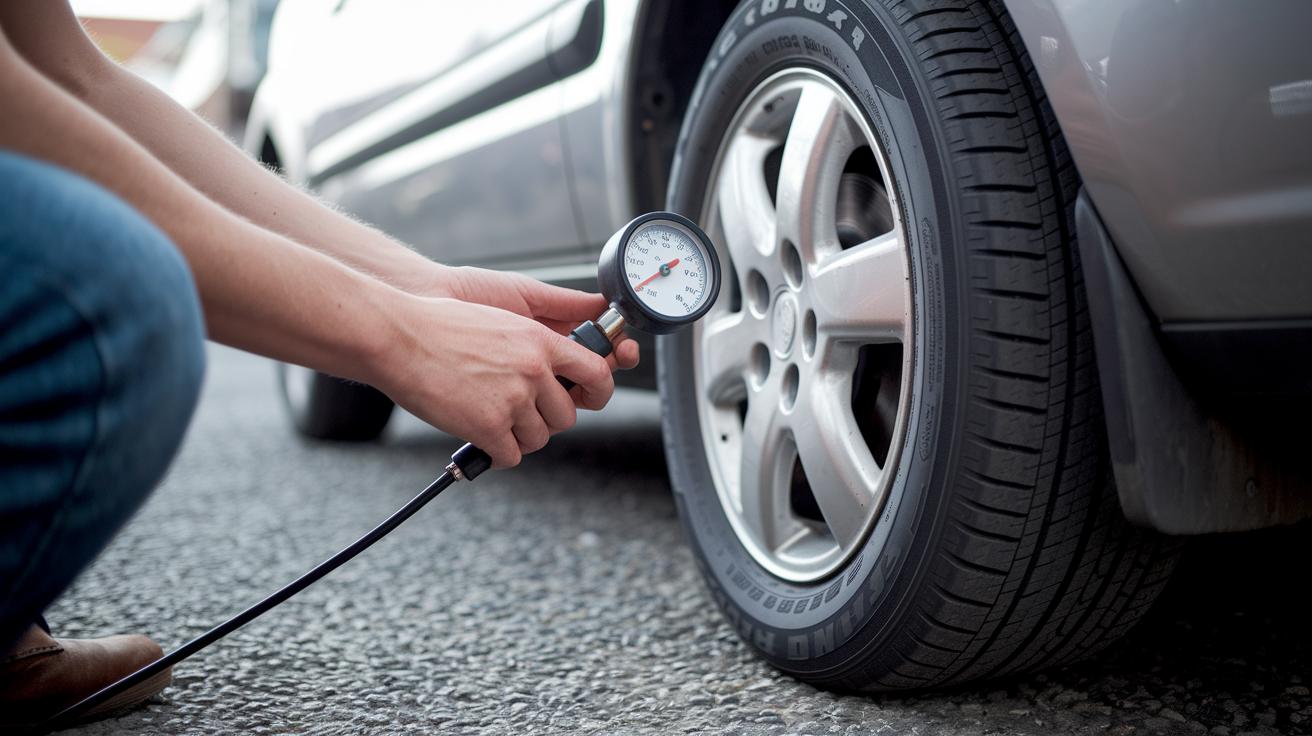
Keeping your tires in good shape is key to a smooth ride. Check your tire pressure often with a simple gauge. Think of it like checking the air in a bike tire, steady pressure helps your car run better, use fuel wisely, and keep you safe.
Next, take a look at your tire tread. A quick measure of how deep the grooves are can tell you when it's time to change them. In truth, most tires need a swap every six years or after 60,000 miles. This step can save you from sticky brakes or a slippery road when it rains.
Also, remember to rotate your tires every 5,000 to 8,000 miles. Rotating helps wear the tires evenly, so your car rides smoother. It’s a bit like flipping a pancake, turn it at the right time, and it cooks evenly. For a clear plan on how to do this, check out the tire rotation schedule at tire rotation schedule.
Take care of your tires and your drive will feel smoother, react better to curves, and dodge unexpected issues.
Brake System Checks in Preventive Car Maintenance for Optimal Safety
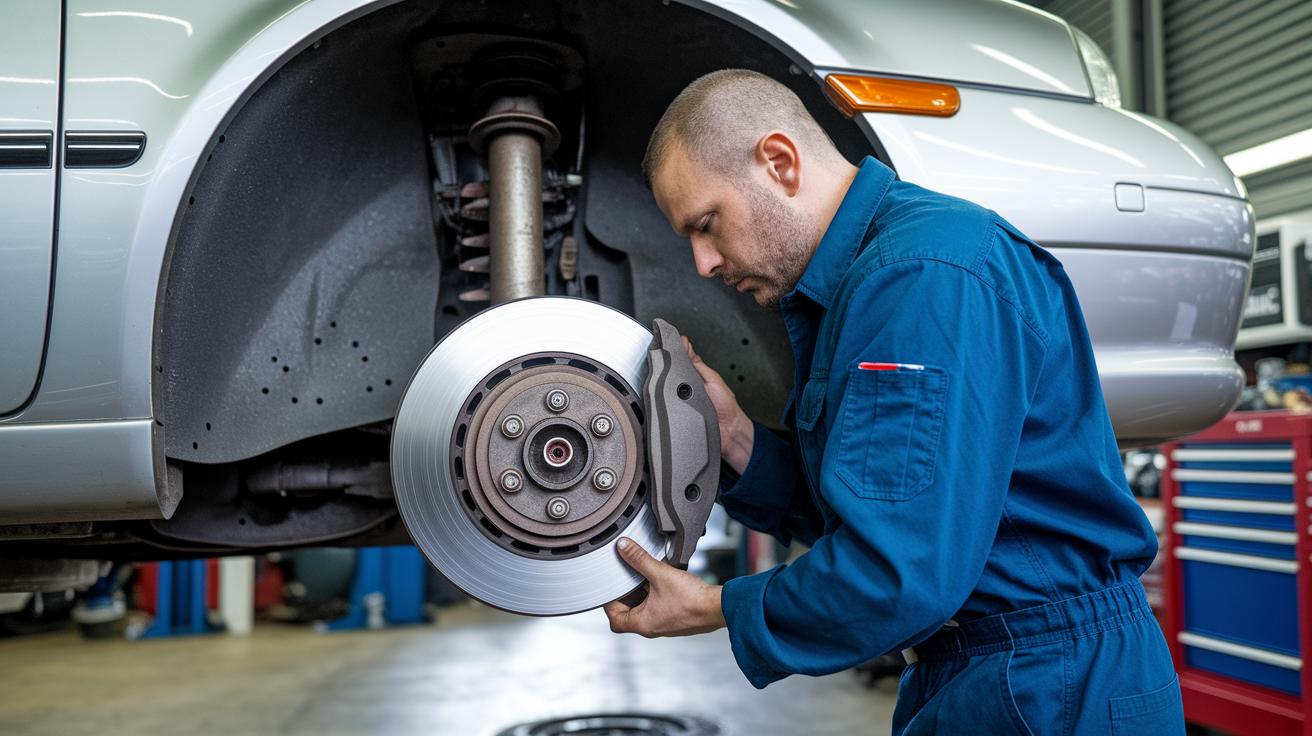
It’s really important to give your car’s brakes a once-over to keep your ride safe and smooth. When you hit around 30,000 miles, it’s a smart move to have a knowledgeable technician inspect your brake pads and rotors. Think of your brakes as the trusty helpers that stop your car every time, if they start to wear down, you might notice a soft pedal or even a little squeak that just isn’t normal.
And there’s more to consider, brake fluid. Over time, moisture can build up and weaken the fluid, reducing your braking power. Flushing or replacing it every two years keeps the system clean and ready for action.
Regular service checks can catch problems early. For example, worn brake pads might damage your rotors if you don’t replace them in time. A quick look today can mean fewer big repairs tomorrow. Picture driving with the reassuring thought that every press of your pedal will stop your car exactly when you need it.
Fluid Level Evaluation in Preventive Car Maintenance: Coolant, Transmission, and More
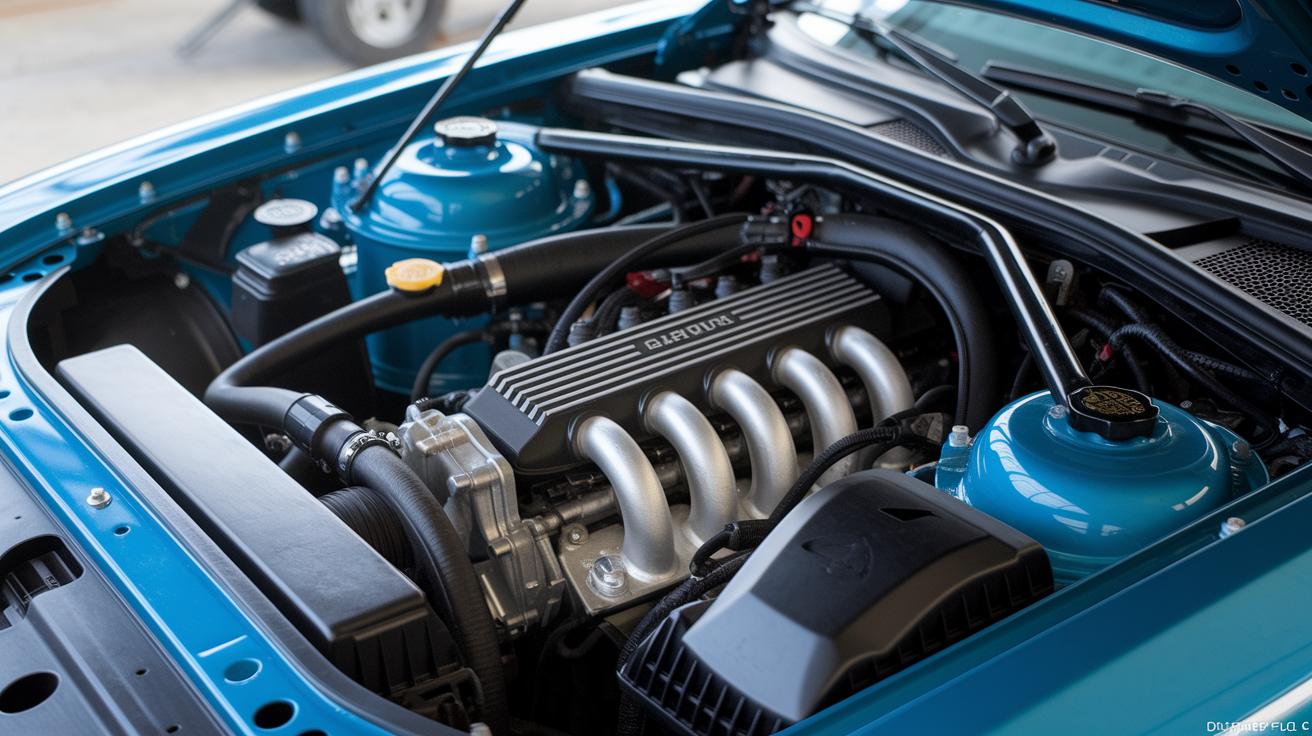
Taking a few minutes to check your car’s fluids is a smart move to avoid surprises. For example, your coolant needs attention because flushing it every 30,000 to 60,000 miles helps stop overheating and rust. If you notice the coolant getting cloudy, it’s a clear sign that it’s time for a change. You can learn more by checking out a handy car coolant guide at https://thecivics.com?p=227.
Checking your transmission fluid is just as important. Keeping the right amount in your transmission makes sure your gears shift smoothly and can help your transmission last longer. Regular checks like this can catch issues early and save you from expensive repairs later on.
Don’t forget the other fluids, either, brake fluid, power steering fluid, and windshield washer fluid all play a big role in your car’s overall performance and safety. Just like a health check for your body, a routine fluid check keeps your car in top shape.
Spending a little extra time on these inspections means fewer surprises on the road and a much smoother, safer ride every time you drive. Regular fluid checks not only extend your car’s life but also keep things running efficiently, giving you more confidence behind the wheel.
Preventive Electrical Systems Inspection: Battery and Charging Review
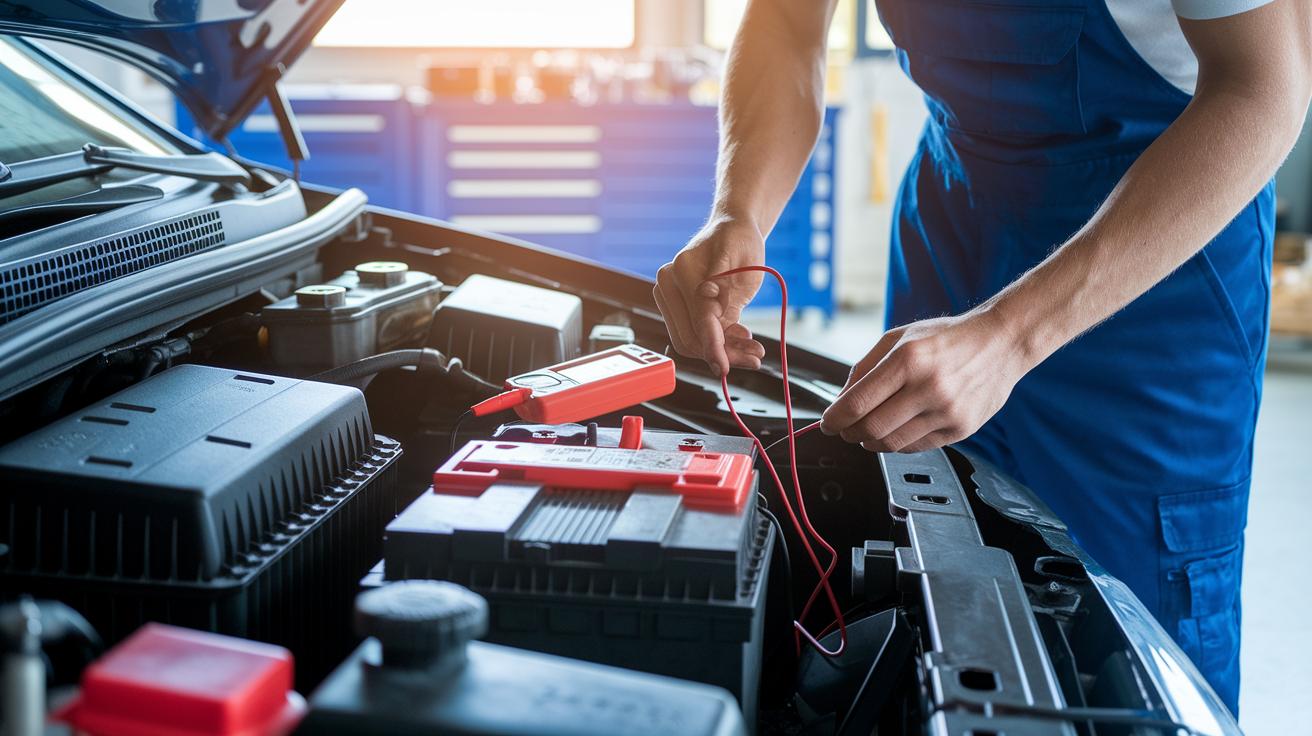
Start by checking your battery twice a year. Run a simple voltage test and a quick load test. This helps you spot any weak battery cells that could leave you stranded, kind of like giving your car a regular check-up to keep its heart strong.
Then, shift your focus to reviewing the battery charging setup. Verify that the alternator is pumping out enough power and that the belt stays tight, imagine that belt as a leash keeping your battery in check. A handy diagnostic tool can help catch any small glitches before they become big problems.
Finally, keep a close watch on the overall charging system. Swapping out the battery before it completely fizzles can save you from those dreaded no-start mornings. Staying proactive here means your engine will always be ready to roar, leaving you confident every time you turn the key.
Visual Inspection Protocols in Preventive Car Maintenance: Belts, Hoses, and Filters
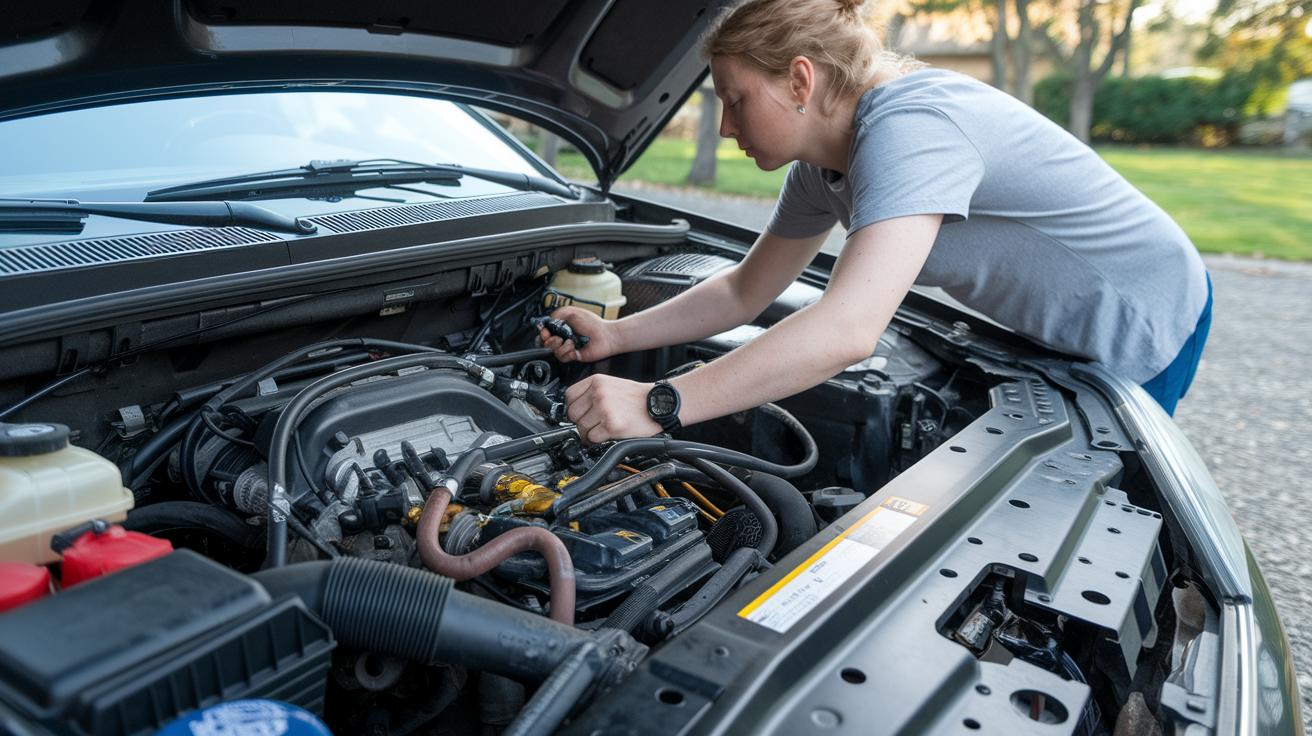
Regular check-ups with your car are super important to keep it running well. Try to inspect your belts and hoses every 30,000 miles to catch little issues like cracks or fraying. It’s a bit like checking the seams on your favorite jeans, if you see a tear, fixing it early can save you a lot of hassle later.
Don’t forget about your serpentine belt either. Even though you do the general belt check every 30,000 miles, most experts say you should replace the serpentine belt around 60,000 miles to avoid a sudden problem.
Also, check your air filters. Changing them every 15,000 to 30,000 miles helps your engine breathe easier. Picture trying to sip through a blocked straw, a clogged filter can really mess with your car’s performance.
By keeping up with these simple checks, you can spot issues early, prevent engine overheating, and dodge expensive repairs later on.
Building a Preventive Car Maintenance Plan: Scheduling and Tracking

Start by checking your owner's manual. It's like your car's roadmap, showing you when it needs a little care. Your daily driving and where you drive can also shape the perfect service plan for your ride.
Keep a logbook for all your car's checkups. Write down the date, mileage, and what got done, like an oil change, tire rotation, or brake check. This way, you can easily see if something might be off. Imagine a table that looks like this for a quick glance:
| Service Task | Mileage | Date Completed |
|---|---|---|
| Oil Change | 5,000 miles | March 1, 2023 |
| Tire Rotation | 8,000 miles | May 15, 2023 |
Setting up digital or calendar reminders can make keeping up with your car care super simple. With each checkup tracking like clockwork, your car stays happy, helping you dodge big repair bills later.
Final Words
In the action, we explored key steps to keep our vehicles running smoothly. We talked about making oil changes, checking tires, and caring for brakes. We even touched on fluid levels, battery tests, and visual checks. Each step is a way to keep costly repairs at bay and boost your ride's performance. Sticking with a routine and crafting your own schedule makes the whole process straightforward. Preventive car maintenance is all about staying ahead, which helps you hit the road with confidence and a smile.
FAQ
What should be included in a car maintenance checklist, and where can I find a free printable version?
The car maintenance checklist covers oil changes, tire rotations, brake inspections, fluid checks, battery tests, and belt and hose reviews. Printable templates in PDF form help you track each service milestone.
How do I establish a car maintenance schedule?
A car maintenance schedule sets regular service intervals based on mileage or time. It includes routine tasks like oil changes and tire rotations so you can catch issues early and avoid costly repairs.
What does preventive maintenance on a vehicle include?
Preventive maintenance includes routine tasks like oil and filter changes, tire rotations, brake inspections, fluid level checks, and battery testing. These simple steps help keep your vehicle safe and running better.
Is preventive car maintenance worth it?
Preventive car maintenance saves money in the long run by catching small issues early, reducing major repair bills, and keeping your car running smoothly. It offers peace of mind and improved vehicle performance.
What is the 30-60-90 rule for car maintenance?
The 30-60-90 rule refers to checking or replacing key vehicle parts at 30,000, 60,000, and 90,000 miles. Following this rule supports better performance, safety, and reliability over time.