
Ever get fed up with having to add water to your car battery? Maintenance free batteries are here to help by cutting out those messy checkups and spills. They keep your car ready to roll, even when the weather gets rough. In this post, we take a look at their cool features and why they work so well. Ready to see how ditching routine water topping can simplify your car care and boost your confidence on the road?
Comparing Maintenance Free Car Batteries: Key Features and Benefits
Maintenance free car batteries use sealed lead-acid methods like SLA or AGM. They mean you never have to add water again, so the hassle of topping up is gone. The sealed design also stops acid leaks and helps prevent corrosion. Imagine driving a car that sparks to life every single time, even in bad weather. That’s what maintenance free batteries bring to the table.
These batteries are built with smart materials and careful construction that lets them handle everyday bumps and temperature changes better than older, flooded batteries. They offer steady cold-cranking power, so you can count on them when it gets cold. Fun fact: even before many car owners knew what to expect, these designs were simplifying life by ditching the water topping routine.
To break it down, here’s a quick look at the benefits:
| Design | Benefit |
|---|---|
| Sealed Construction | Stops acid leaks and minimizes corrosion |
| AGM/SLA Technology | No water topping needed |
| Advanced Materials | Provides steady performance in all conditions |
People love these batteries because they offer a smart, reliable solution with fewer daily chores. They're simple to maintain and keep your ride ready to roll whenever you need it.
Maintenance Free vs Traditional Car Batteries: Durability and Lifespan Analysis
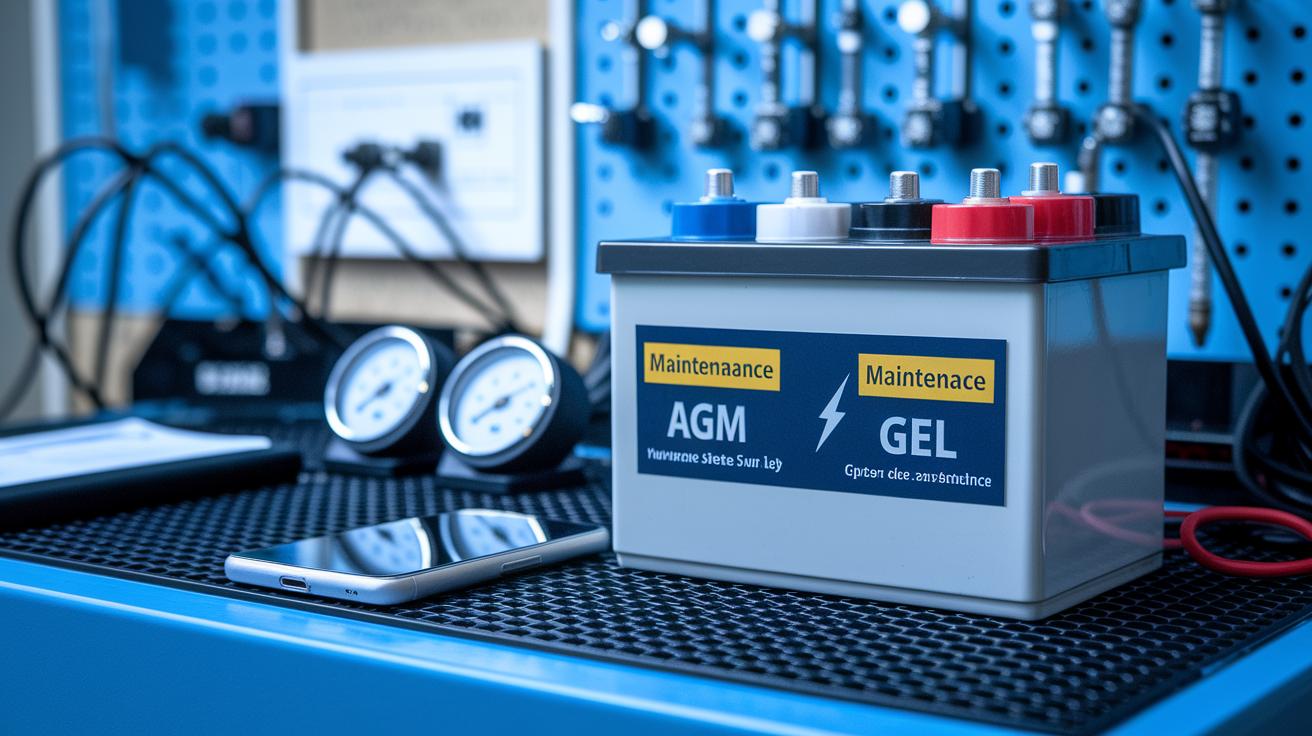
In a recent lab test, a maintenance free battery kept its cold-cranking power steady even after many start-stop cycles. The test was designed to mimic real-life driving, with repeated starts in chilly weather to see how well the battery copes under everyday conditions.
Advanced battery types like AGM and gel use clever construction techniques that boost overall performance. AGM batteries hold the electrolyte in place using absorbent glass mats, which helps cut down on vibrations. Gel batteries, on the other hand, use a thickened electrolyte that really shines during deep-cycle operations. These smart designs help prevent leaks and reduce corrosion, backing up what was seen in the lab.
Flooded batteries, with their open design and liquid electrolyte, tend to lose their efficiency over time due to corrosion and acid loss. Tests show that the sealed design of maintenance free batteries does a better job of preserving cold-cranking power, allowing them to handle tough conditions longer.
| Battery Type | Cold-Cranking Performance | Construction Technique | Maintenance Requirements |
|---|---|---|---|
| Maintenance Free (AGM) | Consistent across cold cycles | Absorbent glass mat design | Minimal, sealed system |
| Maintenance Free (Gel) | Stable under deep-discharge conditions | Gelled electrolyte | Minimal, sealed system |
| Flooded Battery | Declines over repeated cycles | Open design with liquid electrolyte | Regular topping-up required |
Maintenance Free Car Batteries: Smart, Reliable Option
Maintenance free batteries use smart chemical mixes to keep your car running safely and longer. These batteries come in three types, AGM, gel, and VRLA, and each is built to handle everyday road bumps in its own way.
AGM batteries have a special fiberglass mat that holds the battery fluid (electrolyte) in place. This mat soaks up shocks when you're on a rough road, much like a padded seat smooths out a bumpy ride.
Gel batteries use a thick, gel-like mix made from silica to lock in the electrolyte. Think of it like a strong base that stops leaks and keeps the battery stable even when you hit constant vibrations on rugged paths.
VRLA batteries feature pressure-relief valves that automatically let out extra pressure. This smart safety feature stops pressure from building up inside, helping the battery last longer. Picture a battery that knows when to release a bit of steam on tough drives.
Each battery type shines in different driving conditions:
| Type | Best For |
|---|---|
| AGM | Smooth city roads |
| Gel | Rough, bumpy terrain |
| VRLA | Variable pressures with extra safety |
When you see these batteries in action, it’s clear they’re designed to protect your car and keep it going, no matter what road you take.
Maintenance Free Car Battery Buying Guide: Sizes, Models, and Pricing

When you’re shopping for a maintenance free car battery, first check your car’s group-size fit. This number shows which battery sizes will fit right in your vehicle and match the terminal layout. Next, have a look at the cold cranking amps, or CCA, which tells you how well the battery can start your engine in chilly weather. Also, check the reserve capacity, it shows how long the battery can keep things running if your car’s charging system stops working. And remember, always peek at your owner’s manual for the recommended size and specs.
Top zero-care cell models come in a few popular series that you might try out. For example:
• EFB Series: These batteries are built for cars with moderate power needs, giving you a reliable start and steady performance.
• Powermate Commercial SMF & LM Series: Made for vehicles with bigger electrical loads, they can handle more start-stop cycles.
• Powermate Light Vehicle SMF & LM Series: Perfect for everyday drivers, these provide a nice mix of performance and cost savings.
• Premium Commercial & Light Vehicle Series: If you’re after top performance with a long life, these batteries pack strong CCA and great reserve capacity.
You can find sizing and compatibility charts at most big retailers. They make it easy to compare battery dimensions and fit. Retailers often use price trend analysis to show seasonal discounts or package deals that might save you money. For instance, you might spot a Premium Commercial Series battery at a great price during an auto parts sale.
When picking the right battery model for your car and driving habits, check trusted resources like practical car repair guides for helpful tips.
| Product Series | Key Benefits |
|---|---|
| EFB Series | Reliable start power with balanced performance |
| Powermate Commercial SMF & LM Series | Durability for high-demand situations |
| Powermate Light Vehicle SMF & LM Series | Strong performance at a cost-effective price |
| Premium Series | Top-rated performance and longer lifespan |
Installation Best Practices for Maintenance Free Car Batteries
Before you swap out your battery, use a digital meter to check its open-circuit voltage. This simple step tells you if the battery is in good shape before connecting it. Use a tool you trust, and double-check the reading. It should fall within the normal range for a healthy battery.
Before installing, give the battery terminals a good clean and a quick look over. Dirty or loose terminals can make your battery work poorly and cause power glitches. Grab a brush and some battery cleaner to scrub away any buildup. Then, secure the battery by tightening the clamps just right according to the manufacturer’s specs. Too tight or too loose, and the battery could bounce around and get damaged.
Next, check your car’s charging system; it should show between 13.7 and 14.7 volts. This tells you that your electrical system is sending the right power. And remember, since maintenance-free batteries are sealed, there’s no room for extra electrolyte, adding any could actually harm the battery.
Safety matters, so always wear gloves and eye protection while you work. For more tips on car care, check out the advice on how to maintain a car.
Maintenance Free Car Batteries: Common Misconceptions Debunked
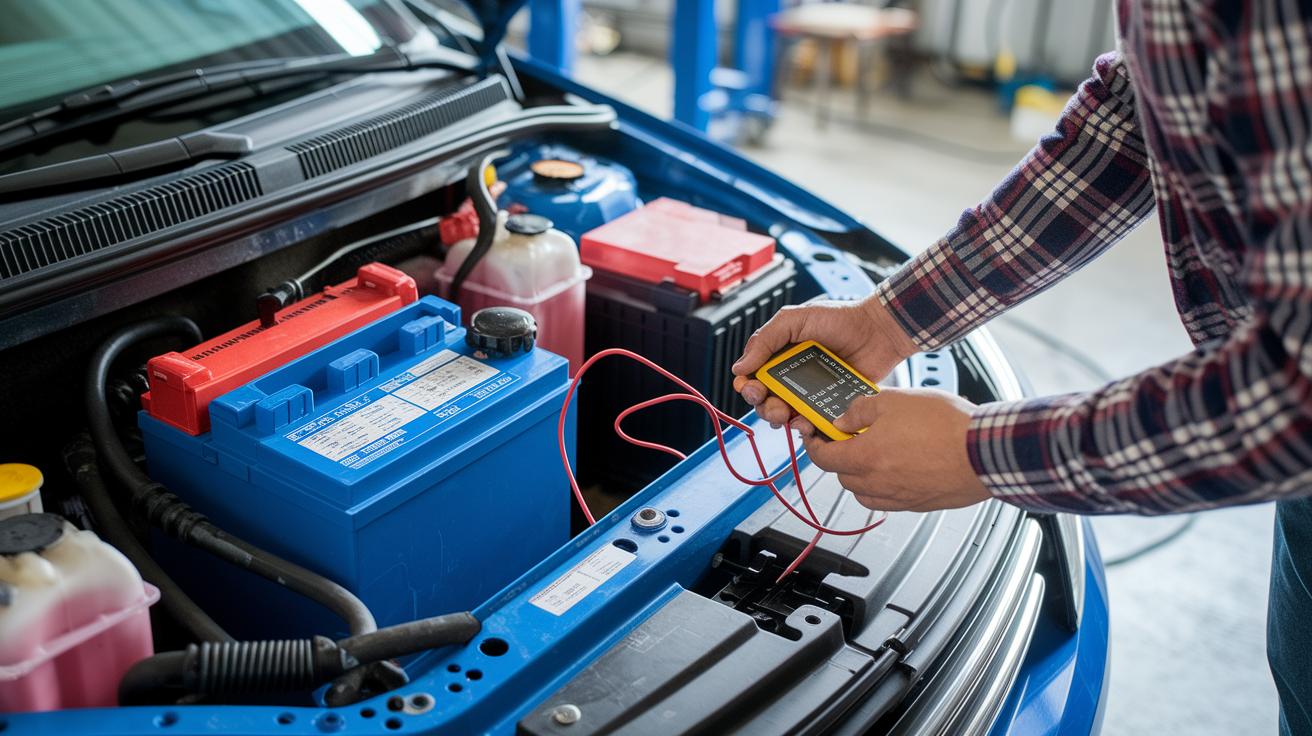
Many car fans think that maintenance free batteries need no attention. But even sealed batteries call for a quick check now and then. Their design cuts down on acid leaks and corrosion, yet regular inspections catch early signs of wear.
For instance, if your battery isn’t fully charged, you might end up with a buildup called sulfation. That means lead sulfate crystals form and the battery loses its ability to hold a charge. Even the strongest sealed battery can develop these harmful deposits if left undercharged for too long.
Overcharging is another trap. Too much voltage leads to heat, swelling, and even cracks. It’s a bit like overcooking your meal – one slip can spoil everything. Plus, natural aging plays a role. Over time, the battery’s active material diminishes, sediment builds up, and its overall capacity drops.
Regular tasks such as checking your battery’s voltage and cleaning the terminals really help. These small actions keep your battery performing well and lasting longer.
- Inspect for damage
- Monitor charging levels
- Clean terminals regularly
A bit of routine care turns a so-called maintenance free battery into a smart and dependable power source.
Extending Maintenance Free Car Batteries Lifespan: Proactive Care Tips
Keeping your battery in great condition is really about simple, regular care. Start by using a digital meter to check its voltage every month. If the reading seems off, think of it as your battery gently asking for a little help.
It's a good idea to clean your battery terminals too. Dust and buildup can make it hard for the battery to send power where it needs to go. Imagine cleaning your phone screen, it works better when it’s free of smudges. A small brush and a safe cleaner can wipe away corrosion so the connections stay strong.
When your car sits idle or goes into storage, try using a trickle or surface charger. This method keeps your battery properly charged and stops it from slowly losing power. Also, placing your battery in a cool, dry spot, between 50 and 70°F, is like letting it relax in a breezy, comfortable room instead of a stifling attic.
Taking these little steps and checking on the battery now and then means you can get a solid 3 to 5 years of service out of it. In the end, simple, regular care keeps maintenance free batteries a smart and reliable choice for everyday driving.
Warranty and Reliability of Maintenance Free Car Batteries
Warranty details matter a lot when you’re choosing a maintenance-free battery. Most batteries come with warranties that last from 18 months to 3 years. Manufacturers put them through tests like vibration, thermal cycling, and cold-cranking power checks so they can handle everyday bumps and changes in the weather.
Quality checks during production help ensure that every battery can stand up to tough conditions. These tests show that the battery can reliably power your car. Plus, a pro-rated replacement policy means you get credit for any remaining life if the battery dies before the warranty expires. It’s always a good idea to check the retailer’s guarantee for the finer details.
For buyers, knowing all these warranty facts and reliability metrics sets clear expectations. A solid warranty backed by rigorous testing proves the battery is built to last. It means your car will start in all kinds of weather and demanding situations. In the end, these warranty insights and reliability checks give you peace of mind, knowing your battery meets high quality standards and will perform when you need it most.
Environmental Impact of Maintenance Free Car Batteries: Recycling and Sustainability
Maintenance free car batteries come with a sealed design that stops acid spills and keeps dangerous chemicals from seeping into the soil. It’s like a super-secure water bottle, if you shake it, nothing leaks out. This careful build not only cuts down on environmental harm but also makes getting rid of old batteries much safer.
Many recycling programs are ready to take these batteries. Lead and plastic parts can be given a second life instead of ending up in a landfill. For example, when you turn in an old battery, its lead might be used to make a new one and the plastic case can be recycled into useful items. Check out some of the benefits of recycling these batteries:
| Benefit | Description |
|---|---|
| Less Acid Spills | Helps keep soil safe |
| High Recyclability | Use of lead and plastic again |
| Lower Carbon Footprint | Reduces waste and pollution |
New methods in battery production are making a big difference too. Sustainable practices in manufacturing help lower emissions and save energy. This means the whole process is cleaner from start to finish. In truth, disposing of and recycling these batteries properly is a smart, eco-friendly choice for car owners and the planet alike.
Final Words
In the action, we explored all angles of maintenance free car batteries. We compared their key features, checked durability and lifespan, and discussed safe installation practices. We busted common myths and shared practical care tips while also touching on environmental benefits. With a clear view on performance and technical specs, you’re equipped to make smarter decisions for your vehicle. Enjoy the ride knowing your battery choice brings long-term value and reliability.
FAQ
What are the three types of maintenance free batteries?
The three types of maintenance free batteries include AGM, gel, and sealed lead-acid designs, each offering a sealed construction that prevents spills and minimizes upkeep.
What does maintenance free mean on a car battery and what type is it?
The term maintenance free means the battery is typically a sealed lead-acid type, often using AGM or gel technology, that doesn’t require water additions and curbs corrosion for convenient use.
Where can I find quality maintenance free car batteries and which ones are best?
Quality maintenance free car batteries are sold at major retailers like Walmart, where top-rated models deliver high cold-cranking power and reliable long-term performance for various vehicles.
What are the disadvantages of maintenance free batteries?
A key disadvantage is that maintenance free batteries can overheat or swell if overcharged, and they may still face natural aging and capacity loss over time despite minimal upkeep requirements.
How does a maintenance free battery compare to a low maintenance or conventional lead-acid battery?
Maintenance free batteries are sealed and require no water, unlike conventional flooded lead-acid types, providing easier upkeep, reduced leaks, and consistent performance compared to low maintenance alternatives.
What is the typical lifespan of a maintenance free battery?
Typically, a maintenance free battery lasts between 3 to 5 years with proper use, thanks to its advanced materials and construction that offer lasting performance.
Are maintenance free car batteries better?
Maintenance free car batteries usually offer improved convenience and durability due to their sealed design, which reduces corrosion and leakage, making them a strong choice for hassle-free performance.